 Évora is listed among the most beautiful cities not only in Portugal but also in all of Europe. Every year, thousands of tourists come to Évora to sample local cheeses and sweets, and to drink fine wine.
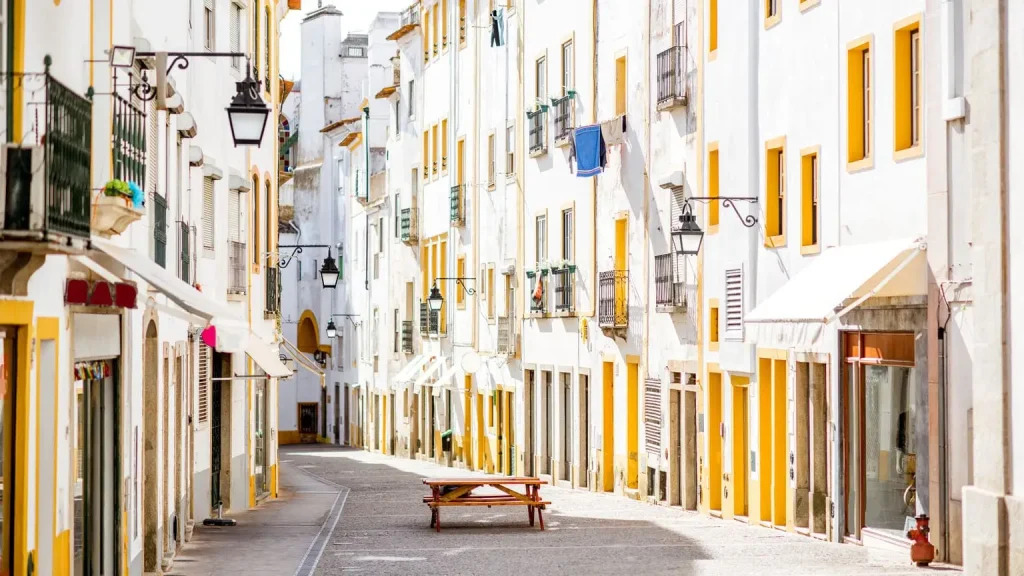
In Évora, you’ll find yourself in a labyrinth of narrow streets, stroll among ancient houses, and admire fountains. The city has been recognized as a museum city, where every detail has its own fascinating story.
What to see
Historic Center
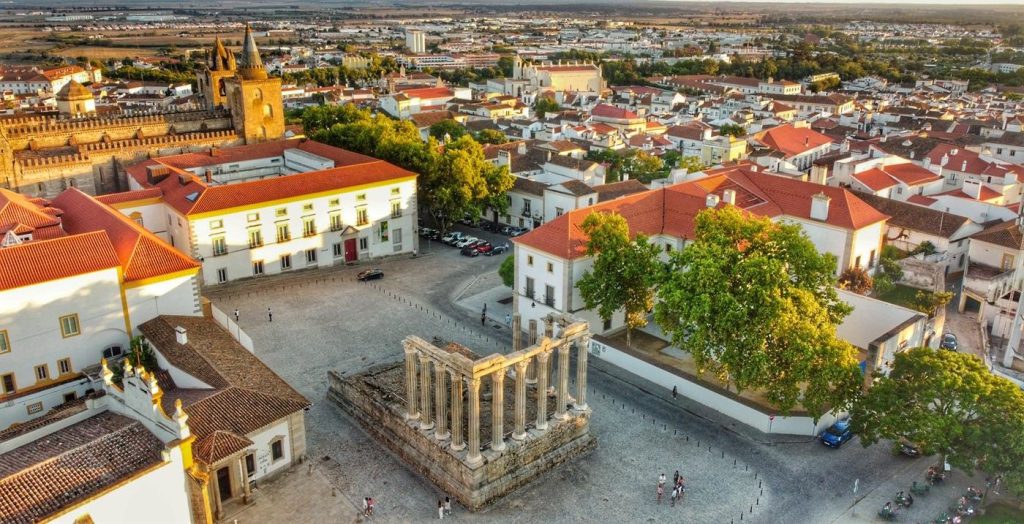
The ancient architecture of Évora is best felt in the central part of the city, which is a UNESCO World Heritage Site.
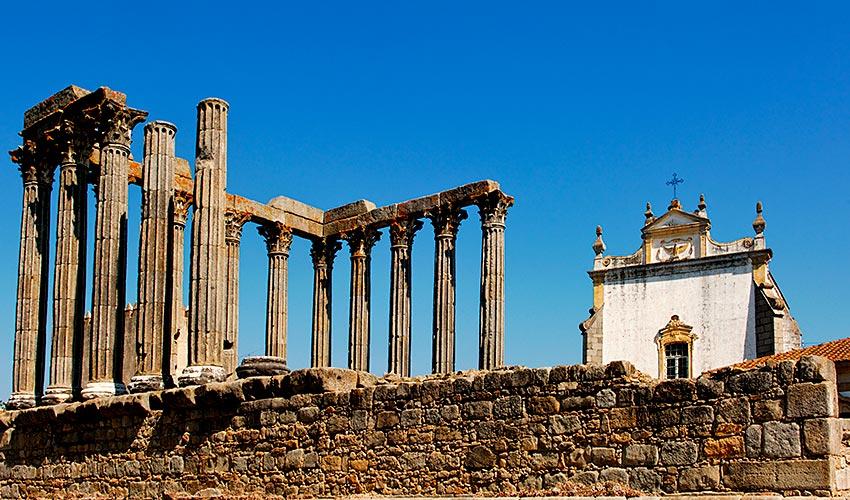
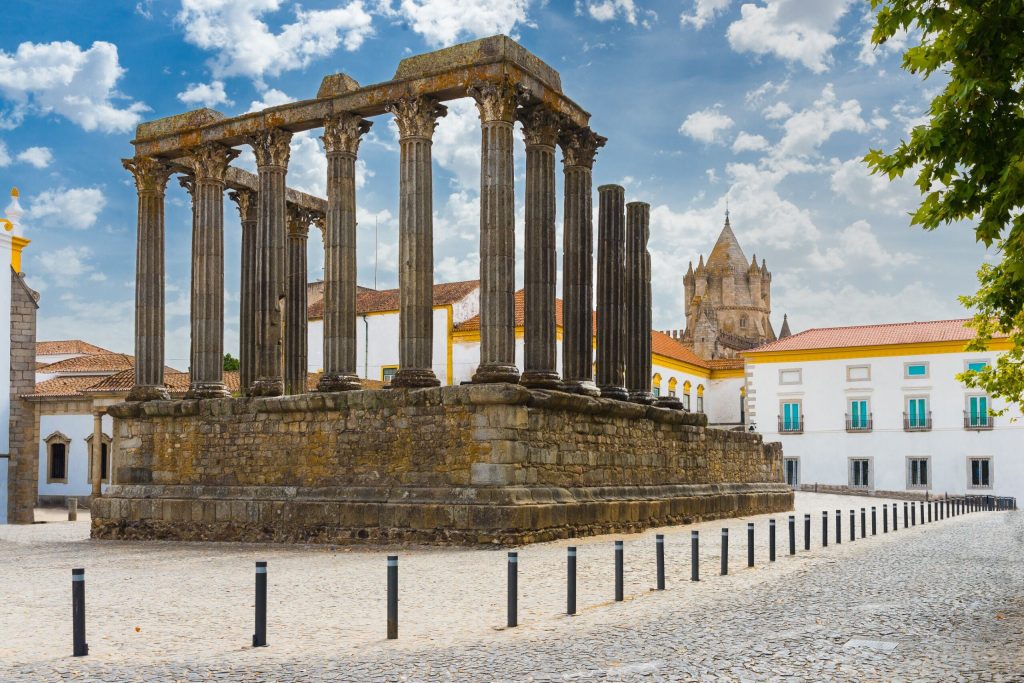
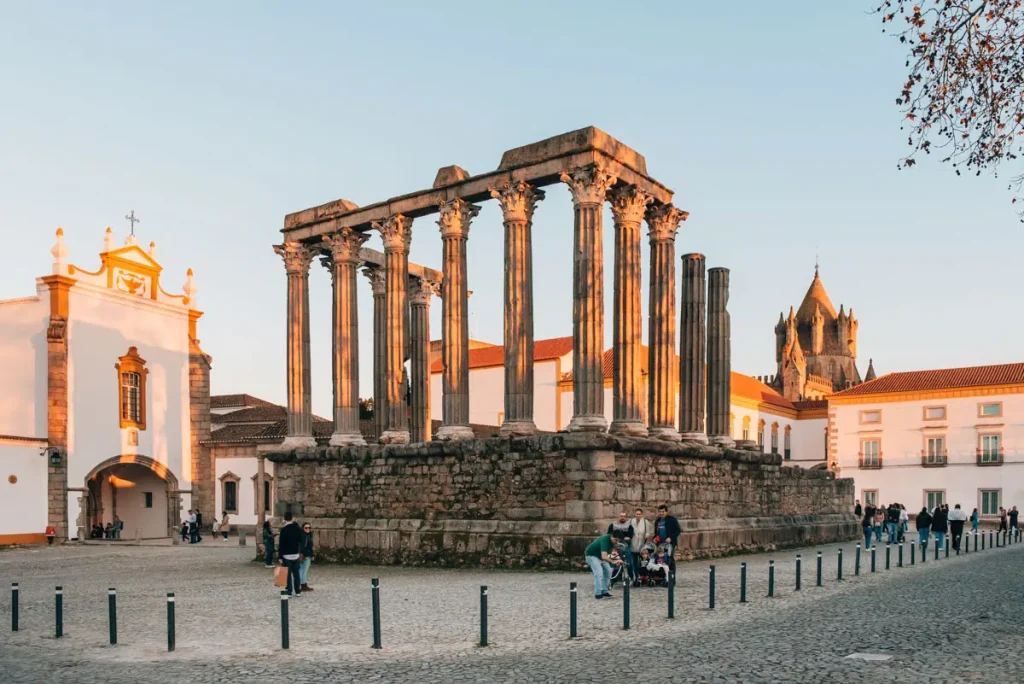
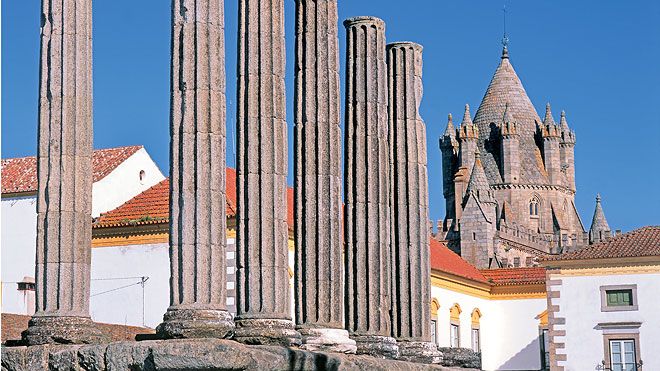
Évora’s main attractions are located in the city center. These include the Vasco da Gama Palace, the Sé Cathedral, the Manuel Palace, churches, chapels, and the Temple of Diana. All the historic buildings are perfectly preserved.
Osos Chapel of Bones
Another memorable landmark in Évora is the Osos Chapel of Bones. The chapel is part of the San Francisco Church complex. Inside the Chapel of Bones are the bones and skulls of five thousand monks.
The building was constructed after plague epidemics and military events, symbolizing imminent death.
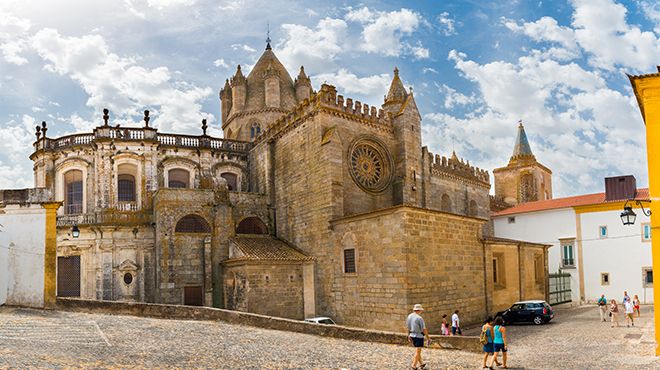
Cathedral of Sé
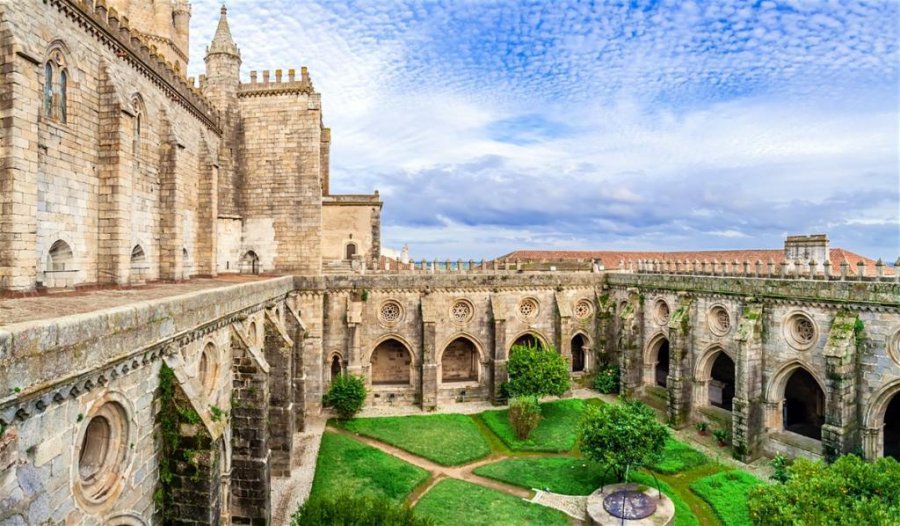
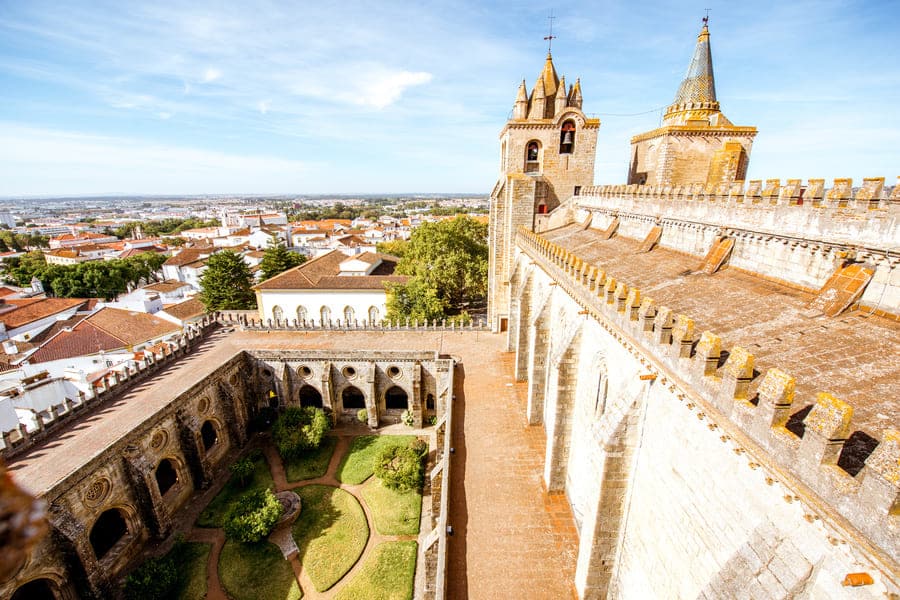
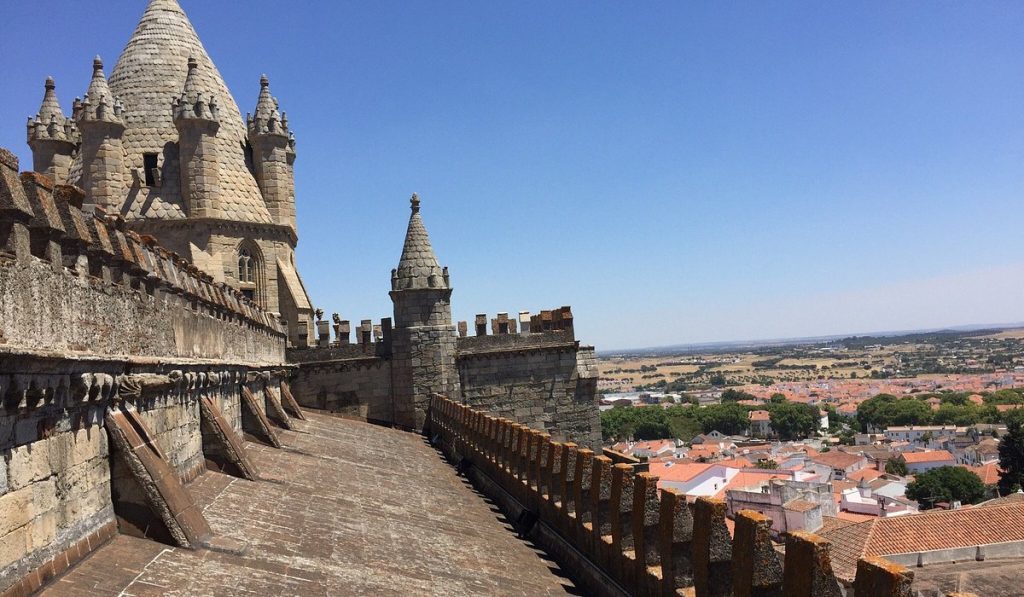
Construction of the cathedral began in the early 12th century and was completed in 1250. Built in the Romanesque-Gothic style, it is the largest medieval cathedral in Portugal. The cathedral’s interior is decorated with various types of marble.
Almendres Cromlech
The Almendres Cromlech is the largest on the Iberian Peninsula. The cromlech contains nearly 100 stones, and experts believe it was created in the 5th-6th centuries BC. According to one theory, the cromlech was a temple of the sun.
Fernandino Fortress Wall
The Fernandino Fortress Wall was built in the 14th century. Today, only the surviving fragments of the fortress wall are accessible to tourists. Construction began in 1336 by order of King Alfonso I. It was completed 40 years later, during the reign of Ferdinand, after whom the structure is named.
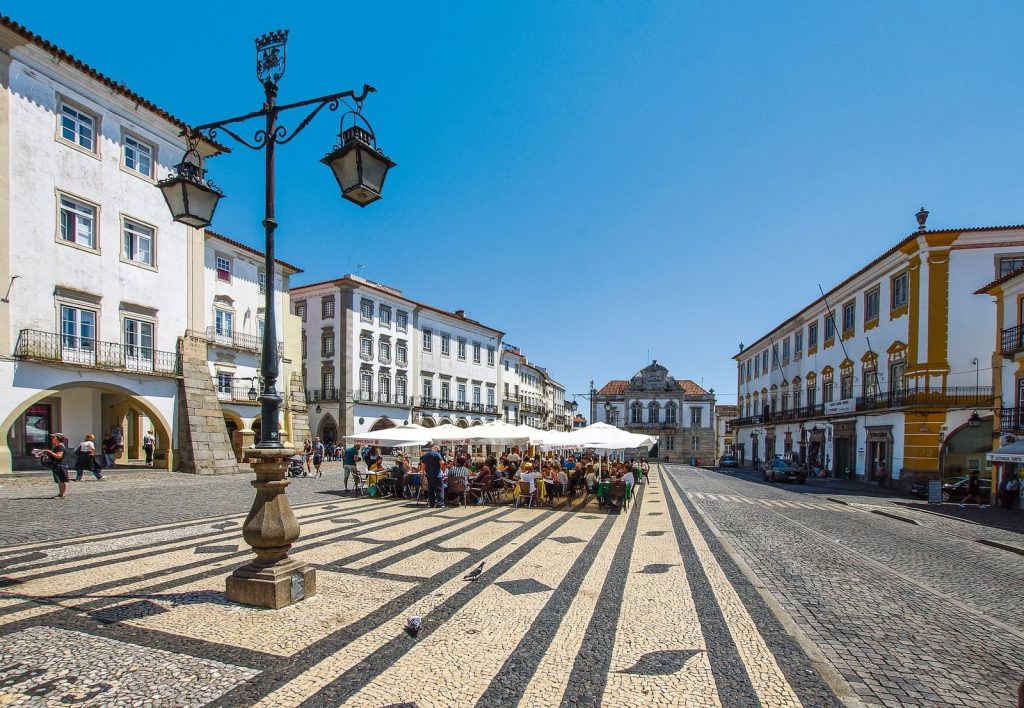
Giraldo Central Square
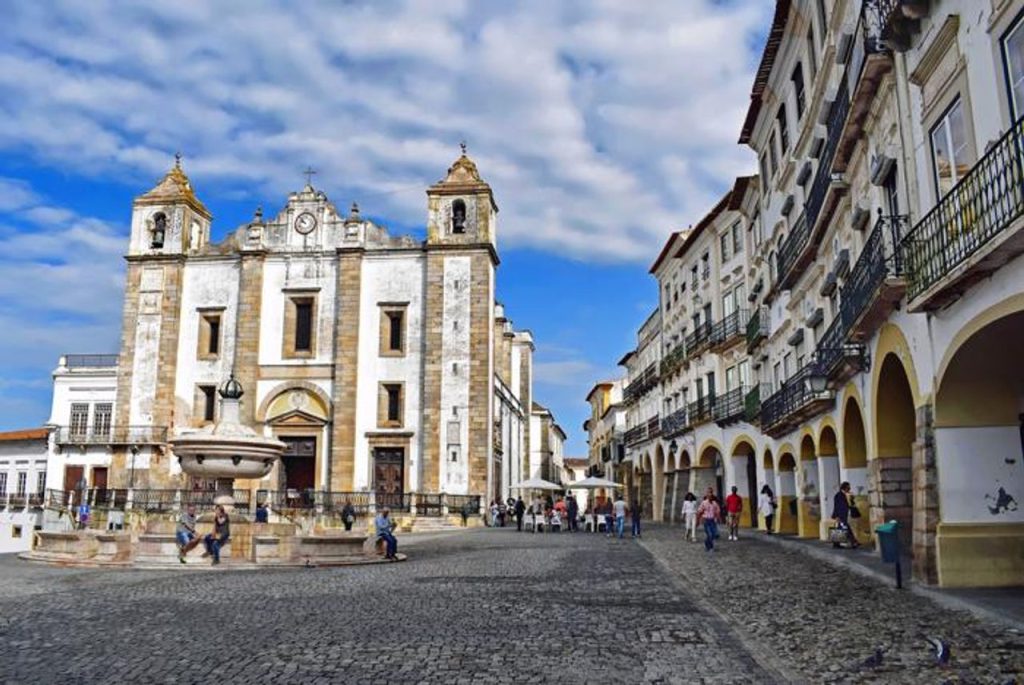
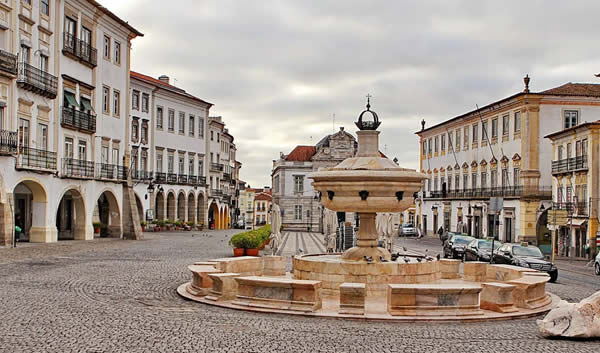
The Giraldo central square is typical of Portugal, designed in a modern style. It is a popular place for strolling among both locals and tourists. In the center of the square, a marble fountain was built in 1571 and topped with a bronze crown.
Church of San Francisco
The Church of San Francisco is a UNESCO World Heritage Site. Construction took three decades, from 1480 to 1510. The structure is cross-shaped and decorated in the Gothic style.