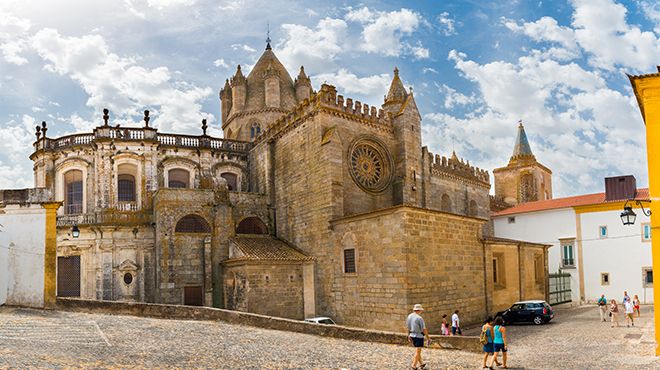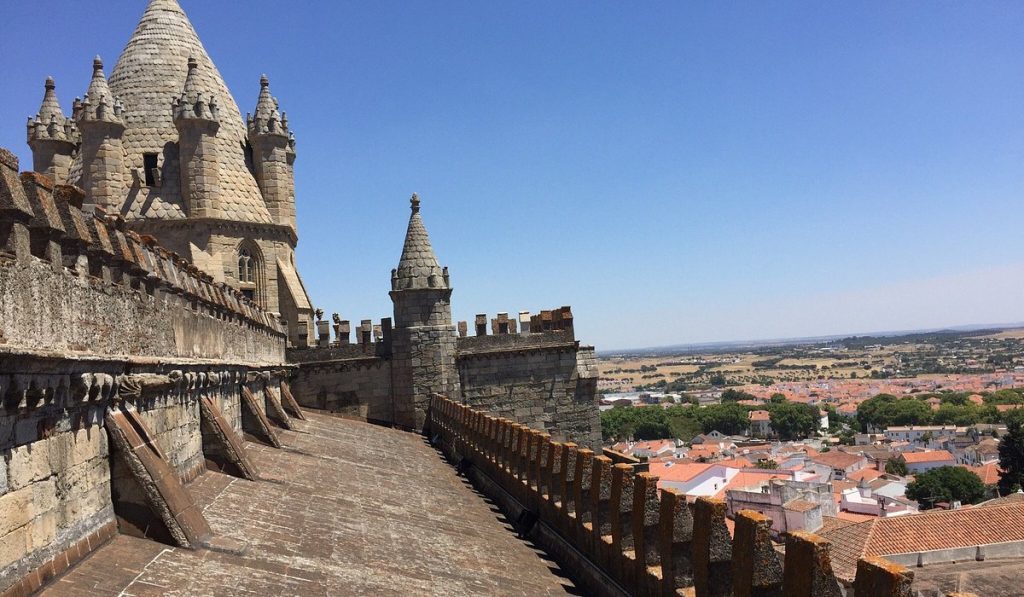
Évora is one of the most charming cities in Portugal. Strolling through its ancient center, it’s easy to sense the centuries-old spirit shaped by the Moors and Romans. The city is renowned for its many architectural monuments and offers exquisite wines from one of Portugal’s finest wine regions, Alentejo, as well as cheeses and local sweets, attracting tourists from all over the world.
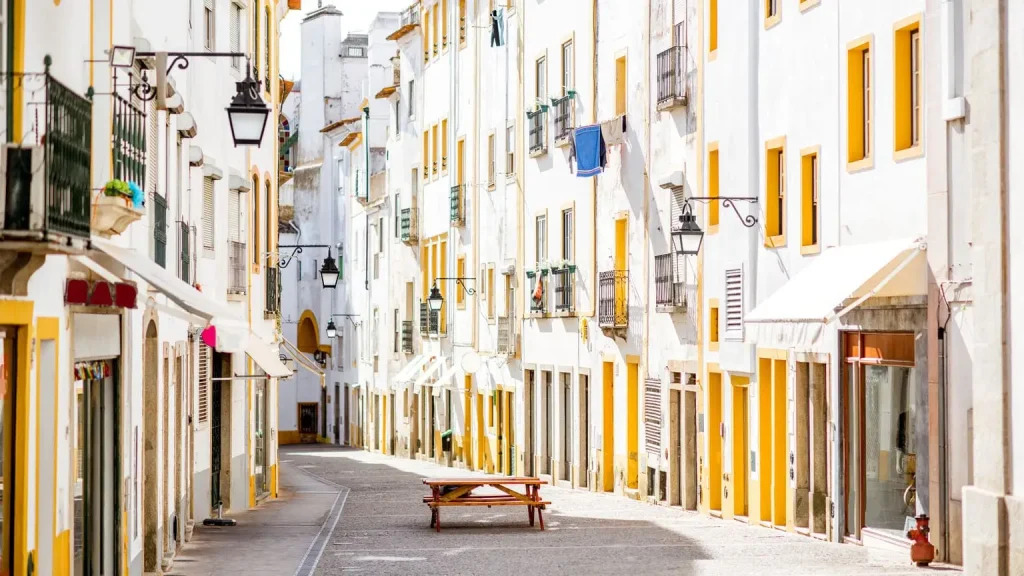
Évora has served as the spiritual center of the country for centuries. Situated in the south of Portugal, in the province of Alentejo, amid olive groves, vineyards, and flowering meadows, the city is just 130 km from Lisbon. A labyrinth of narrow streets, ancient buildings seemingly emerging from the earth, arches, and squares with shimmering fountains give Évora the feel of an open-air history museum.
Entertainment and Attractions in Évora
History buffs are sure to find much to discover in Évora. The northern part of the Alentejo province is famous for its Neolithic structures, preserved in excellent condition. 16 km west of Évora, near the village of Guadalupe, lies a cromlech—an oval of 95 enormous boulders, known as menhirs, marking the equinoxes.
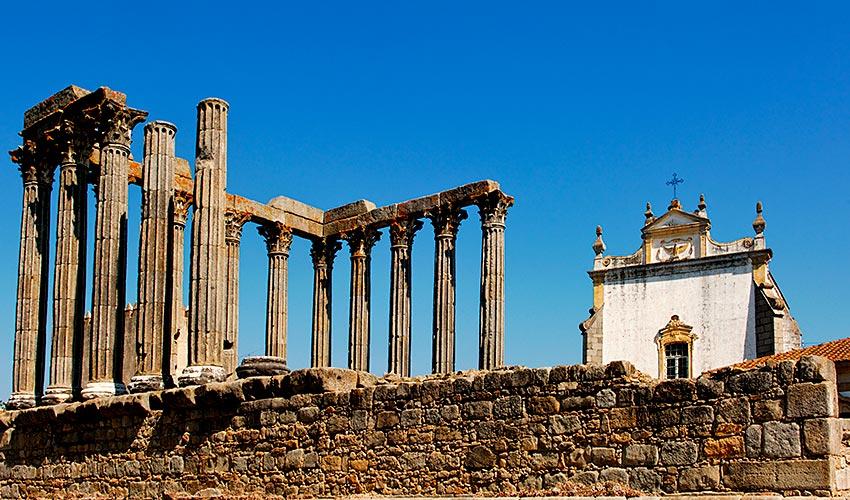
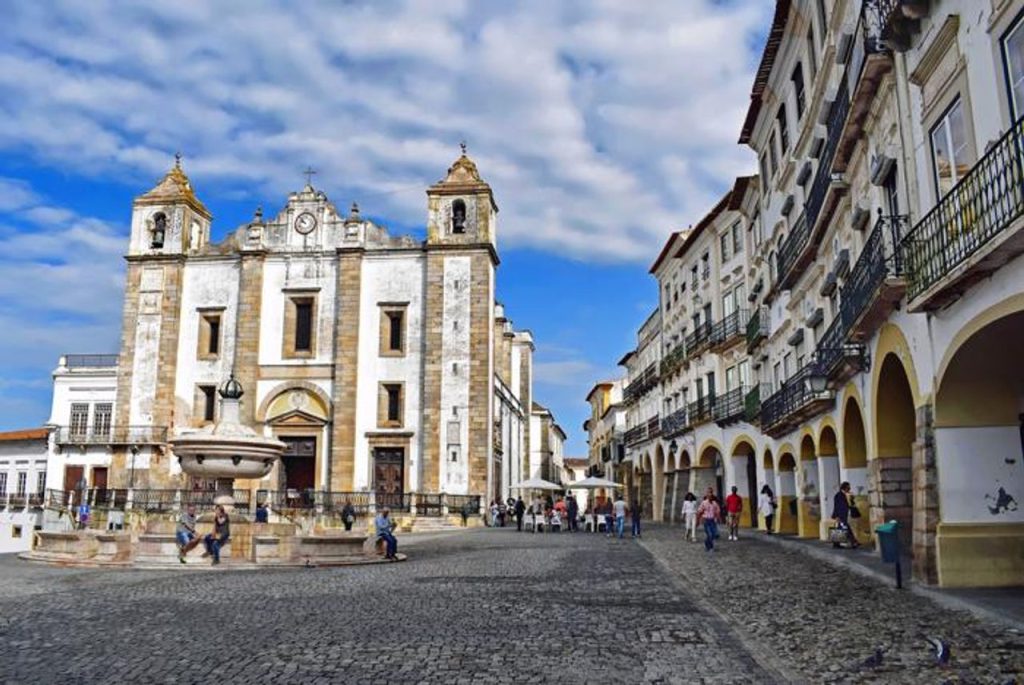
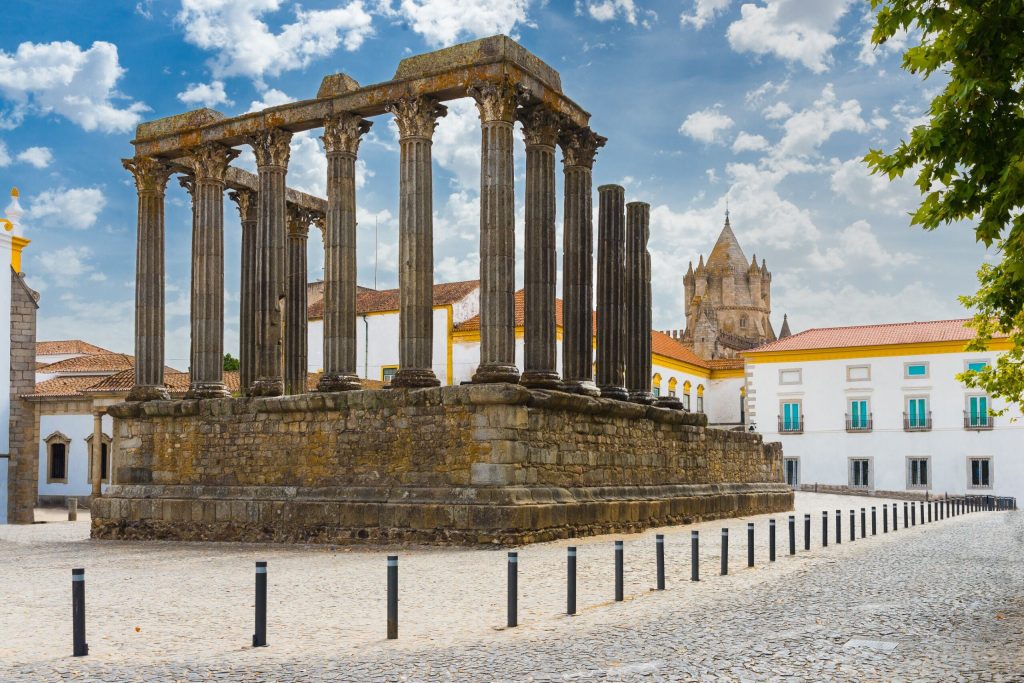
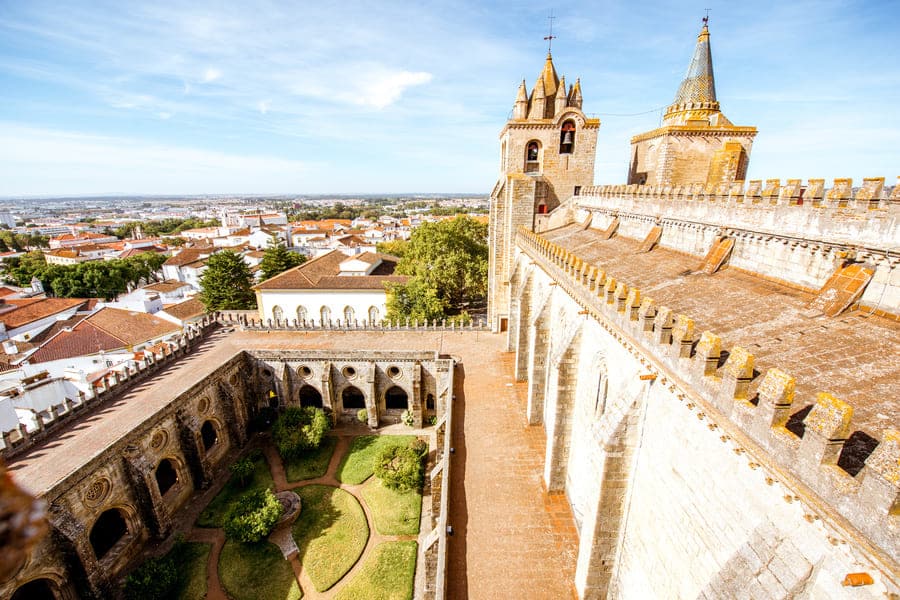
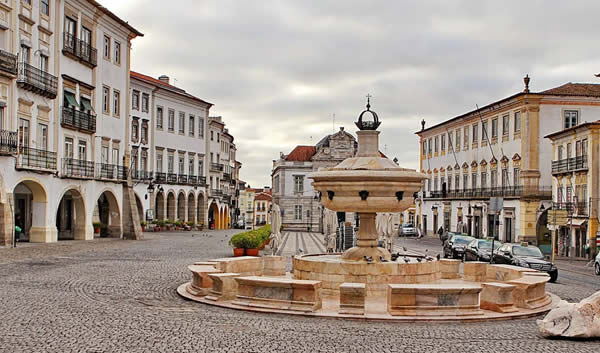
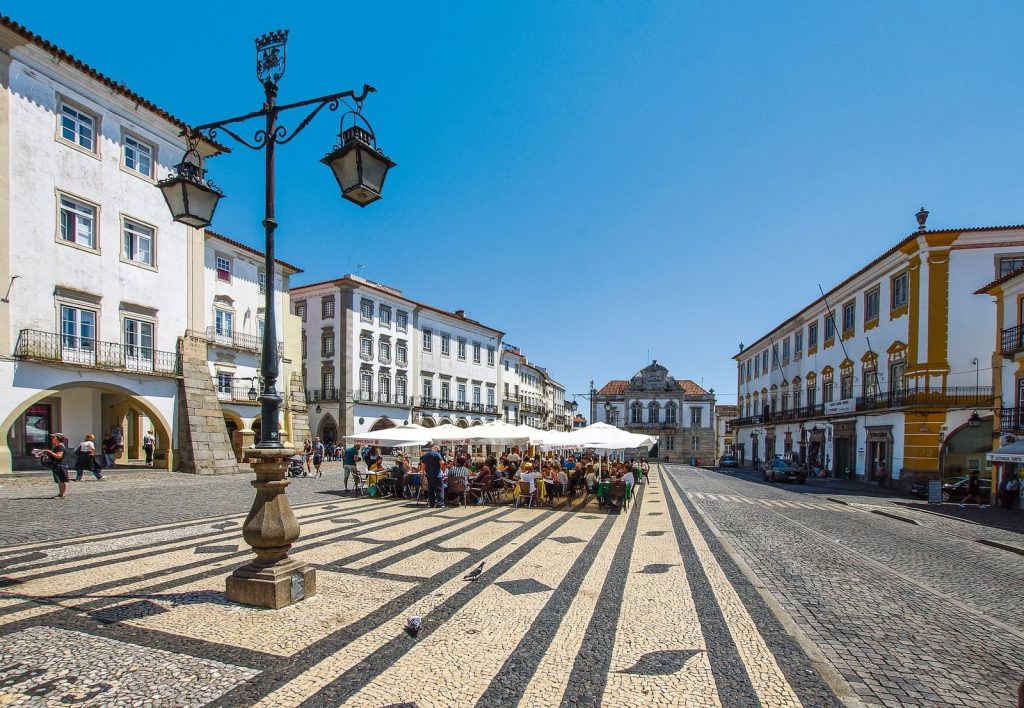
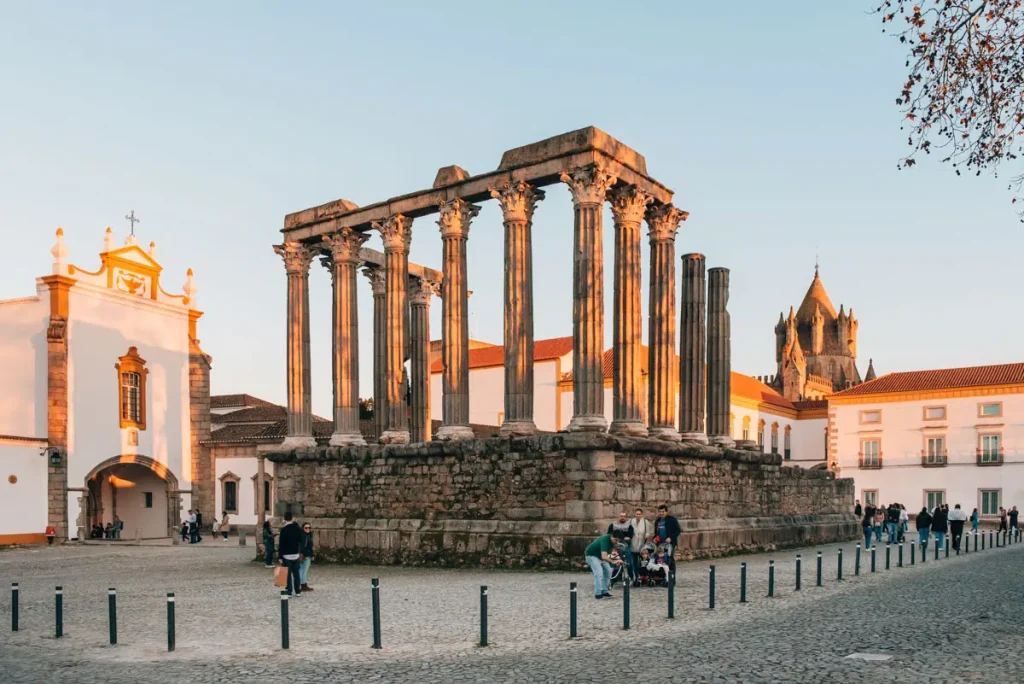
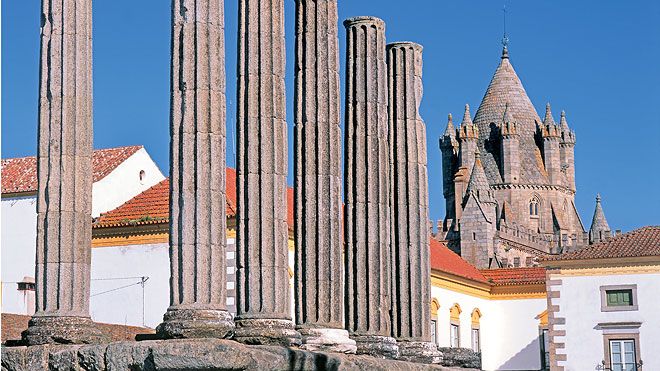
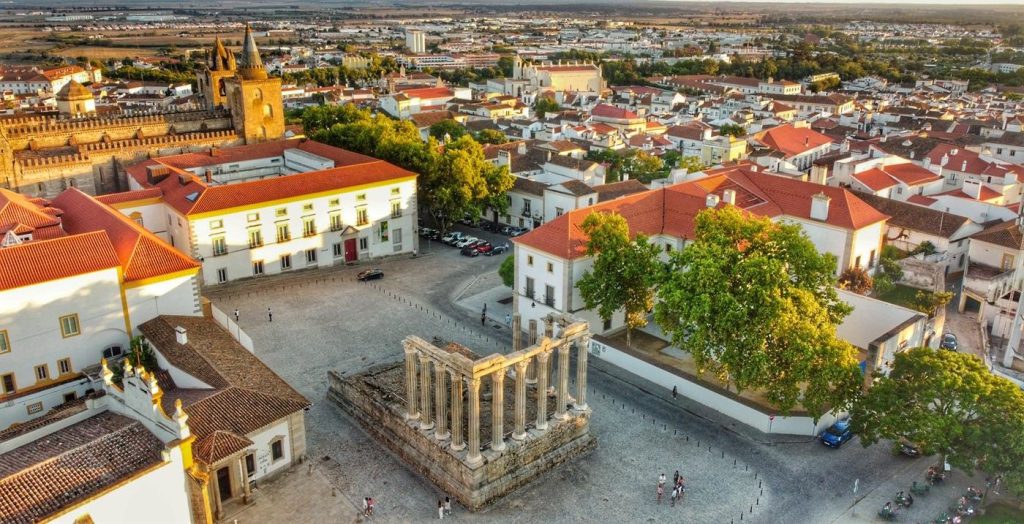
Évora, rich in history, is full of various monuments. Among them is the Roman Temple of Diana, dating back to the 1st century CE, built in honor of Emperor Augustus. This temple was repeatedly rebuilt and destroyed by conquerors, but miraculously survived for 2,000 years and is now a UNESCO World Heritage Site. Even more ancient is the 18 km-long aqueduct, built in the 1st century BC for a Roman settlement and restored in the 16th century by the architect Francisco de Arruda. Évora’s central square is the Giraldo Square, known for many events in Portuguese history, including mass executions in the 15th century and debates over agrarian reform in the 1970s.
Today, the square is peacefully adorned with a fountain and serves as a meeting place for locals and tourists.
Notice the university building, founded in the mid-16th century by the Jesuit order. The university attracted students and scholars from all over Europe, but was closed in the 18th century and reopened only in the 1970s.