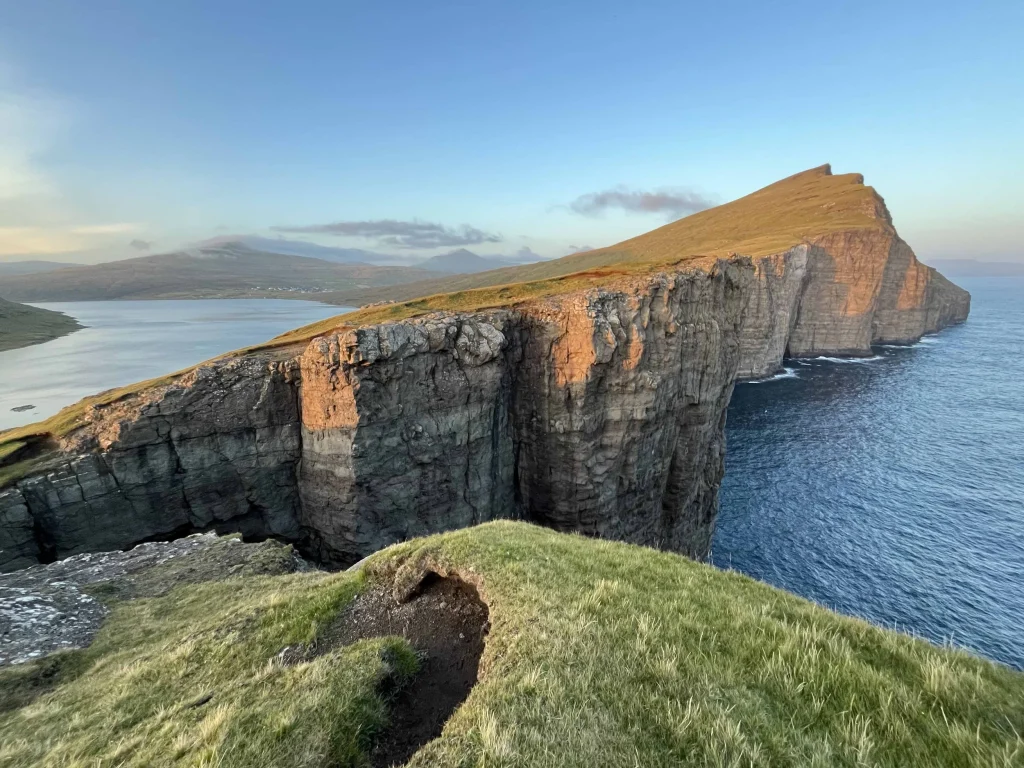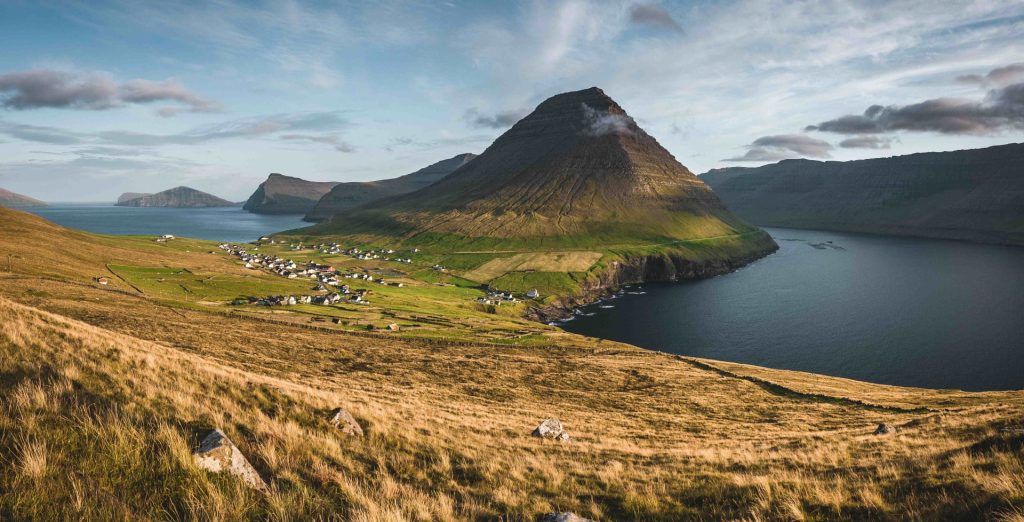
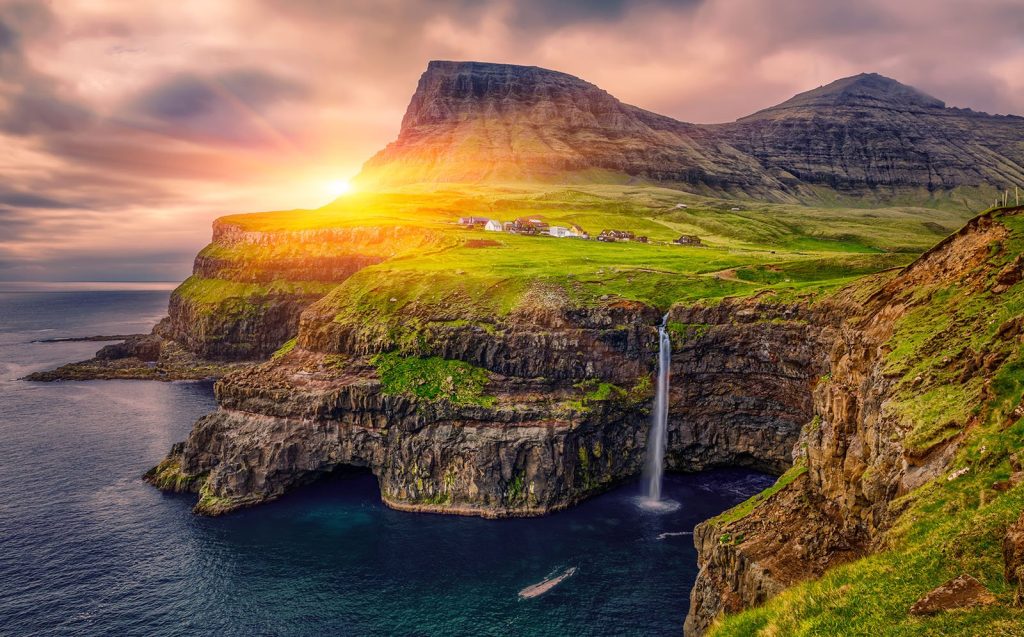
 The Faroe Islands are located in the North Atlantic Ocean, far north of Scotland. Although officially part of Denmark, in practice, life on the islands is governed by its own laws and regulations.
Entertainment and Attractions
Tórshavn
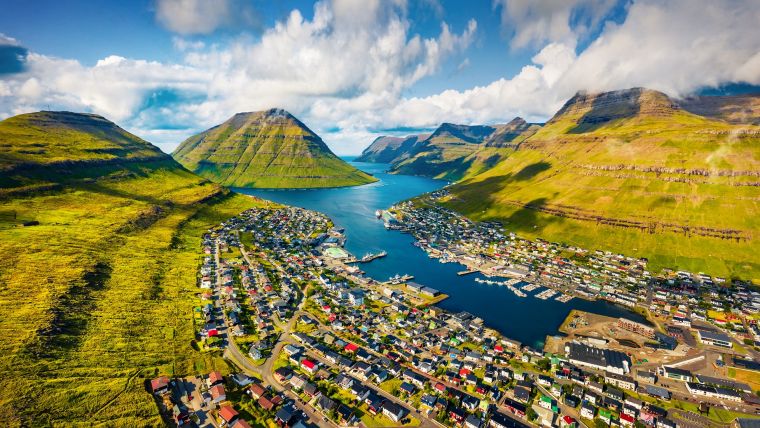
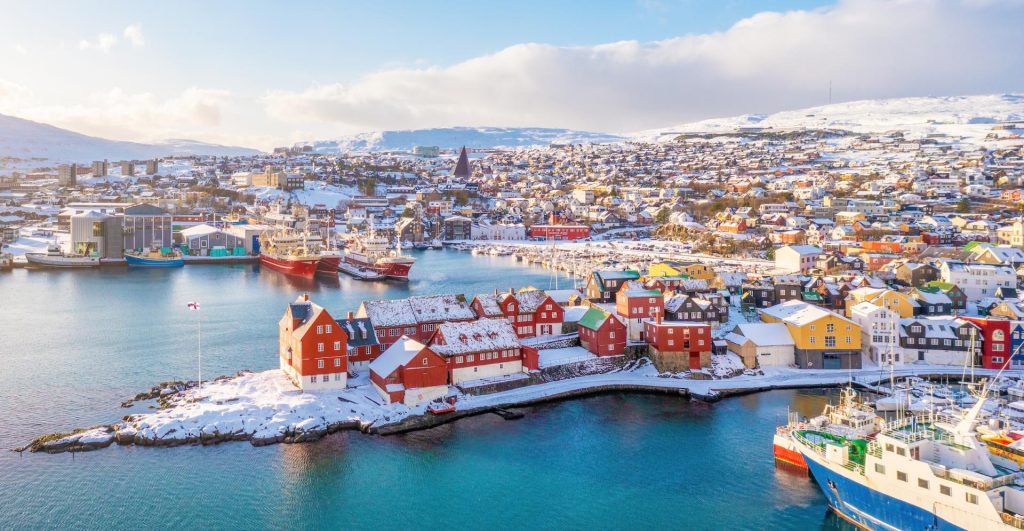
The capital of the Faroe Islands, Tórshavn, has a unique blend of port, metropolitan, and even rural atmosphere. One of the main attractions here is the historic Munkastovan Monastery, built in the 15th century and surrounded by a stone wall. In the 17th century, the town suffered a major fire, but the monastery remained intact. Another attraction is the islands’ main museum, which houses a variety of exhibits representing the applied arts, culture, and everyday life of rural residents, fishermen, and sailors.
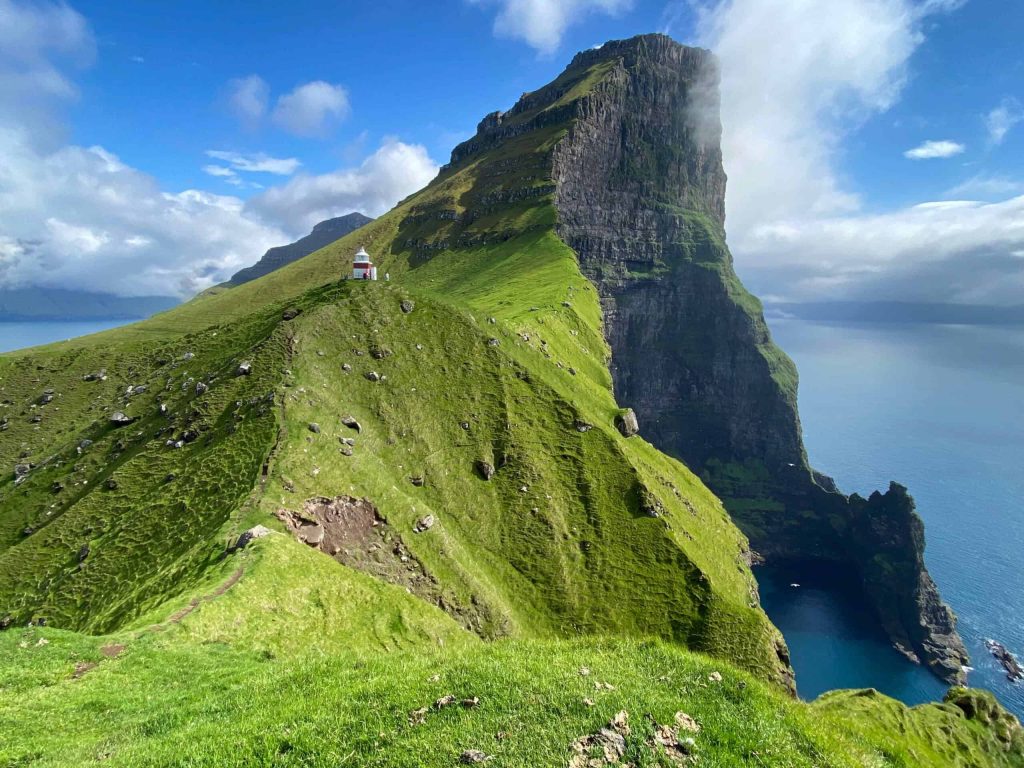
Faroe Islands: Fugloy, Kalsoy, Sandoy
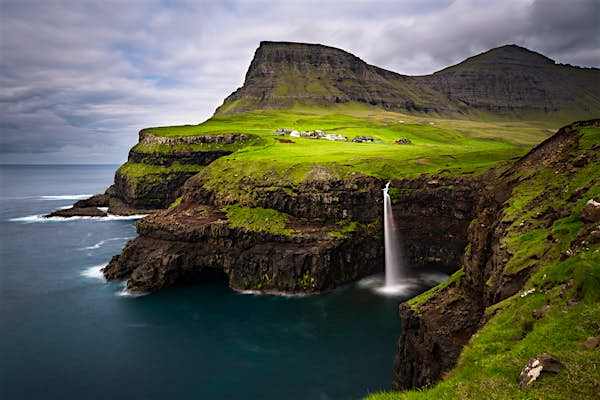
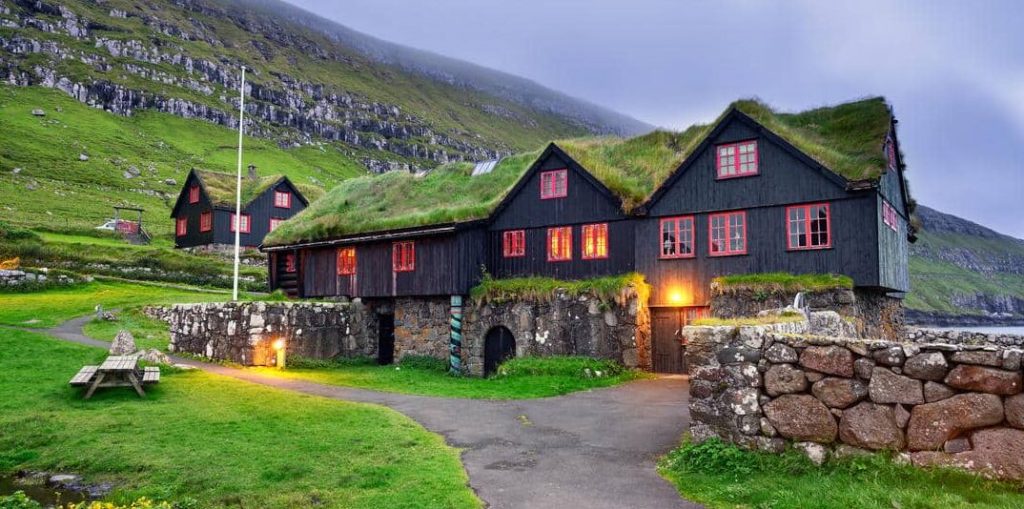
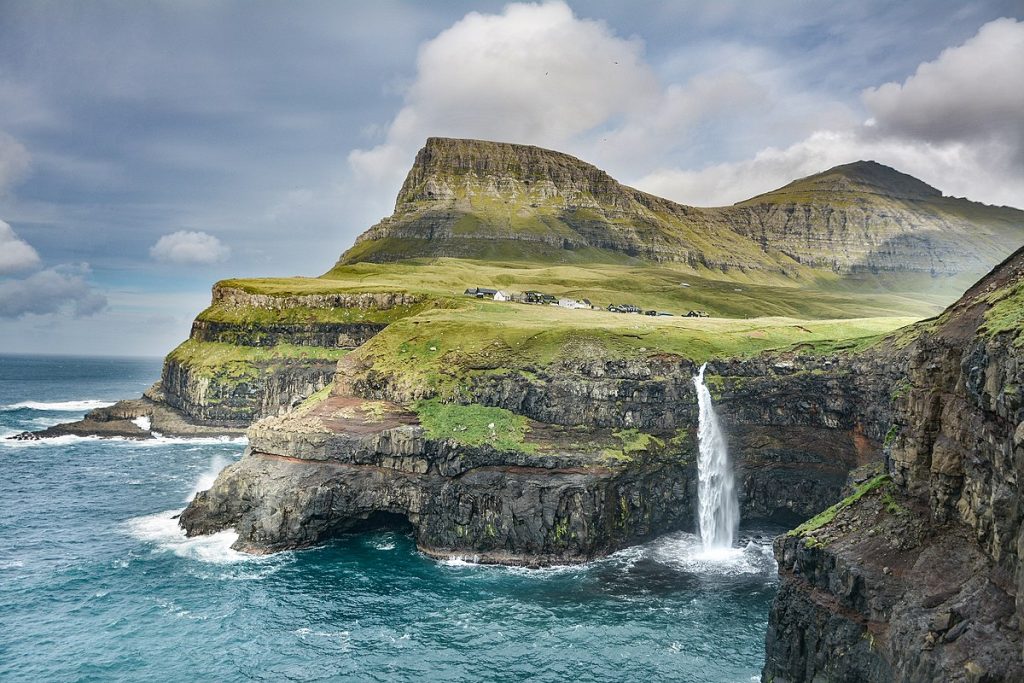
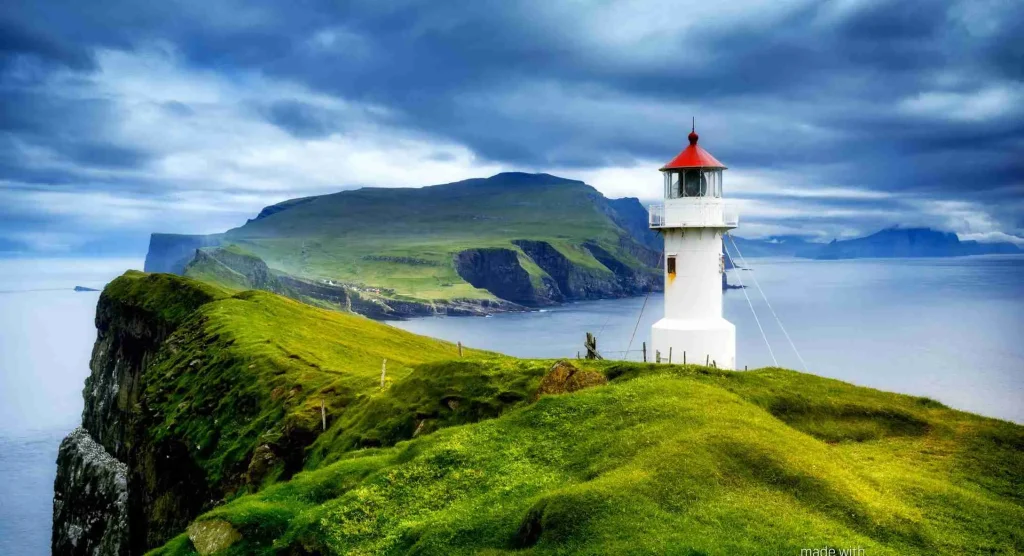
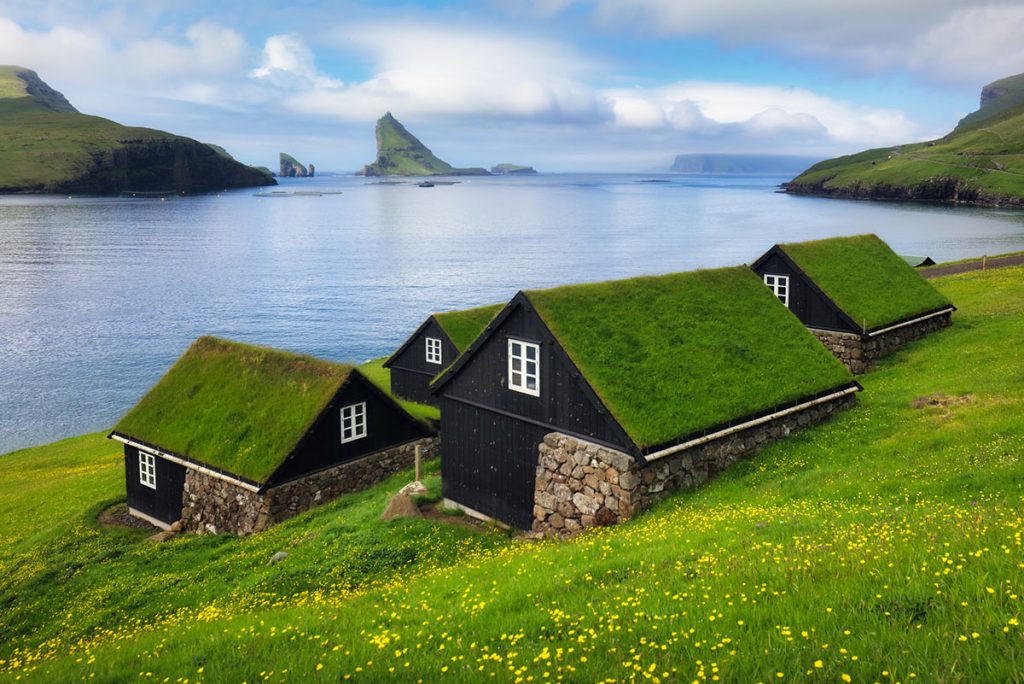
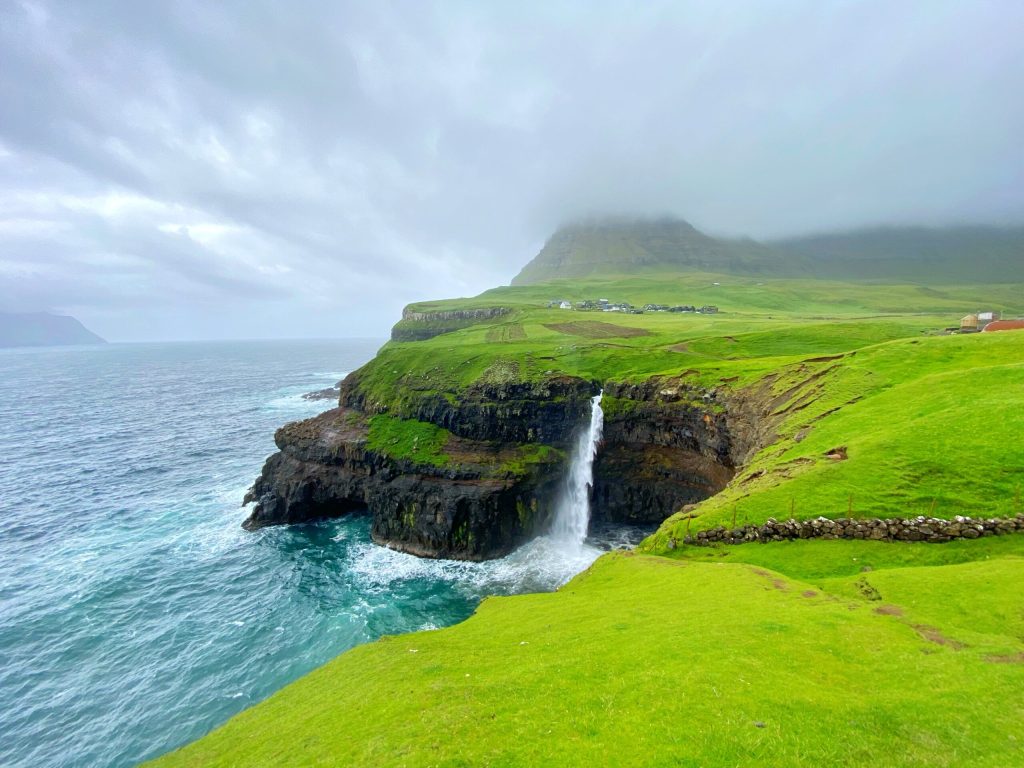
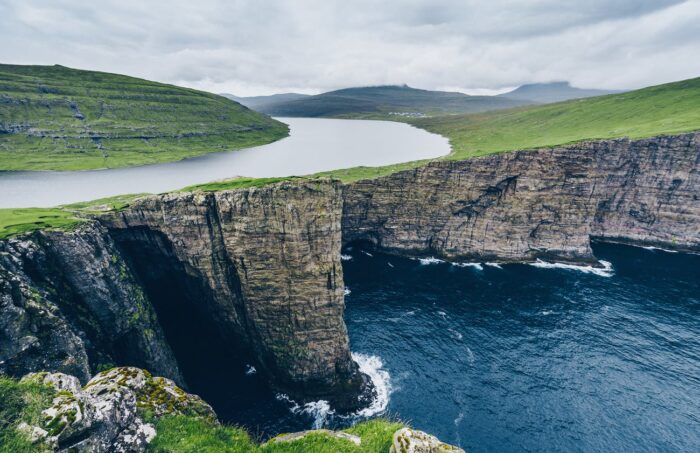
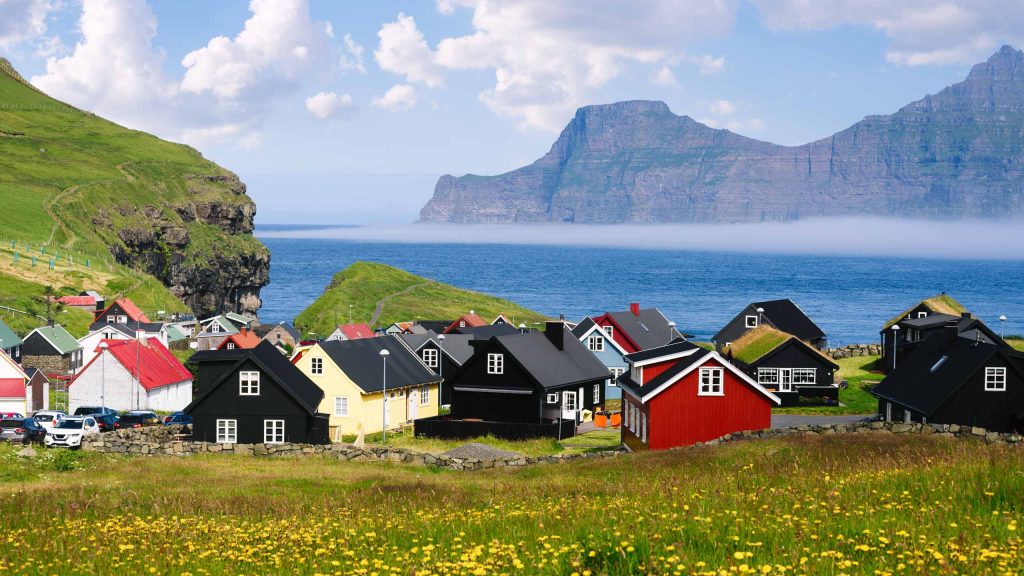
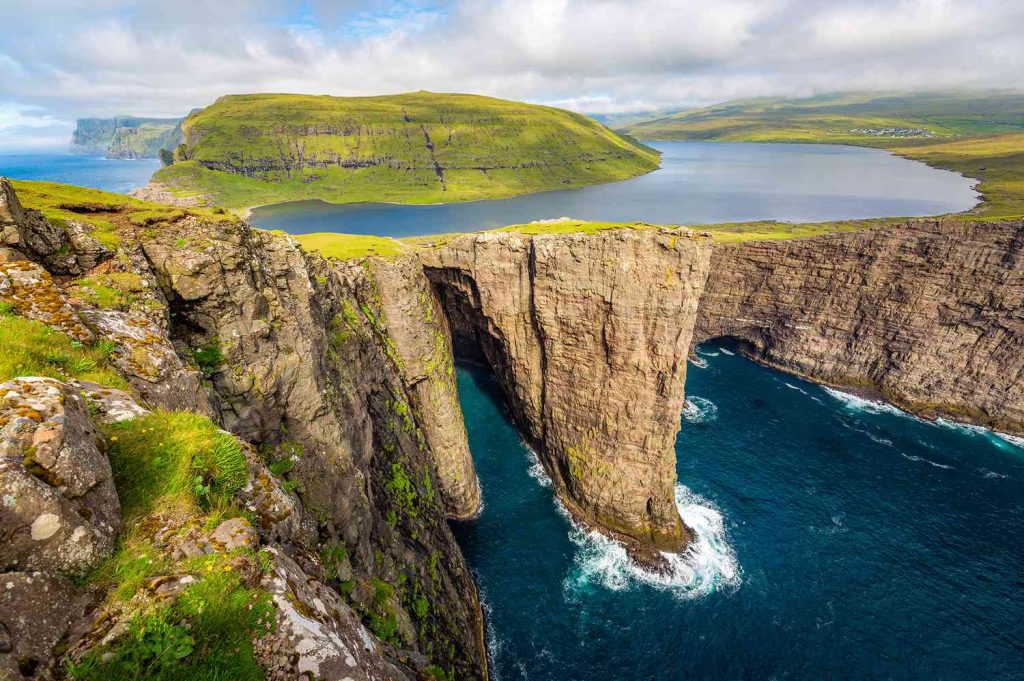
Here you’ll find charming rural houses with colorful roofs, sometimes even covered in grass and turf, surrounded by green meadows and coastal cliffs shrouded in mist. On one island, you’ll discover ancient Lutheran churches, on another, countless sheep grazing in green pastures, and on all the islands, you’ll enjoy clean air and clear blue skies.
Whaling
For over a millennium, the inhabitants of the Faroe Islands have been engaged in whaling, which is an important source of food for the local population.
When a pod of whales is spotted, they surround them in boats and drive them to shore, where they are killed with knives. This tradition causes the water near the shore to change color. Although this practice has drawn outrage from animal rights activists, it is an integral part of local culture. Whale meat, a traditional and popular food on the islands, is neither sold nor exported. It is consumed by the islanders themselves, as was the case in prehistoric times.