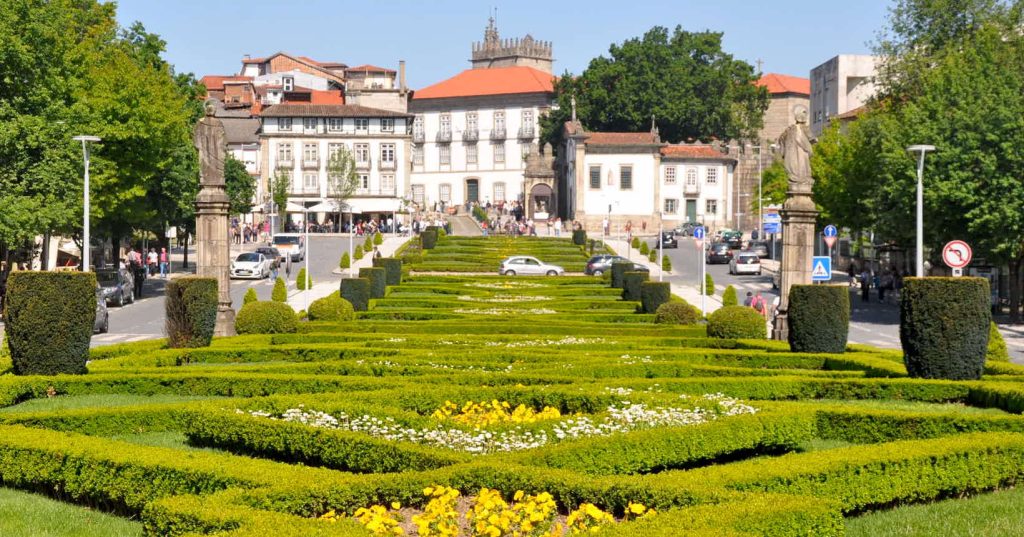
Guimarães is a small but charming city near Porto. Although today a quiet spot in northern Portugal, it was once the country’s capital. Known as the cradle of the nation, Guimarães is rich in ancient monuments and architectural landmarks.
Attractions
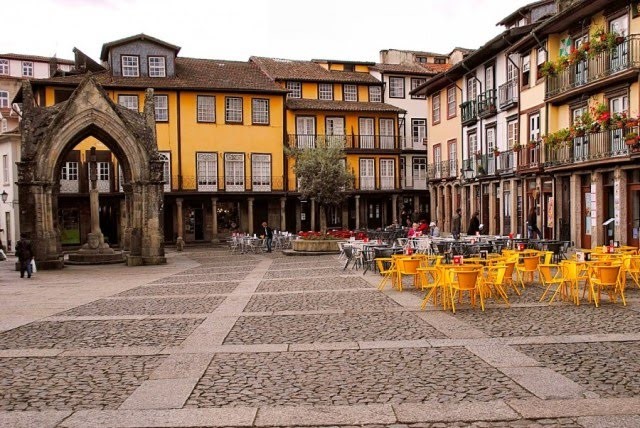
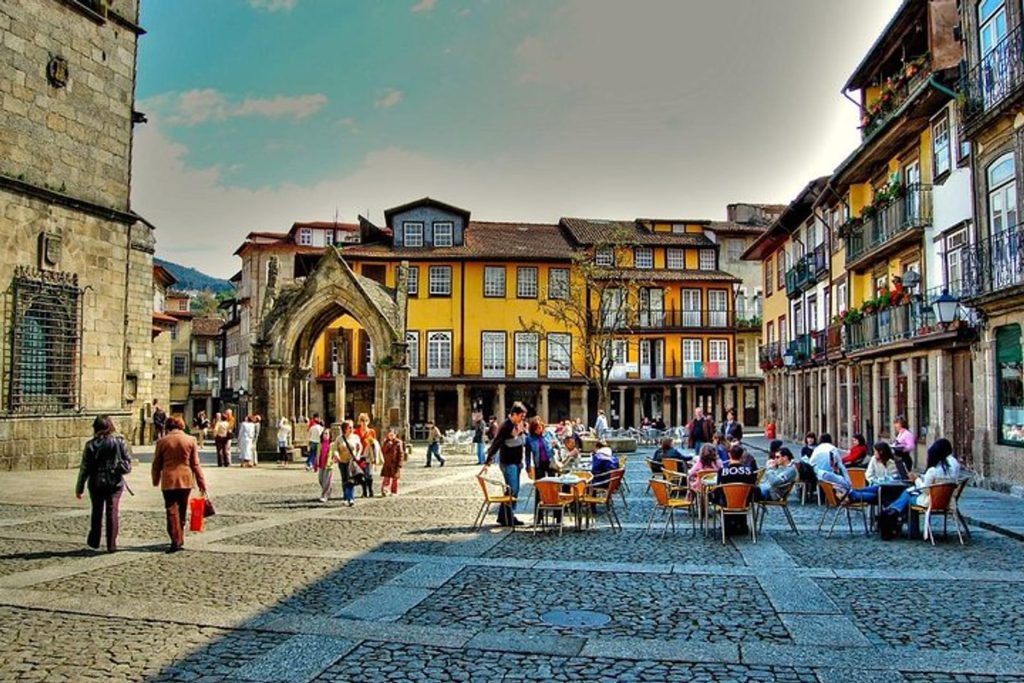
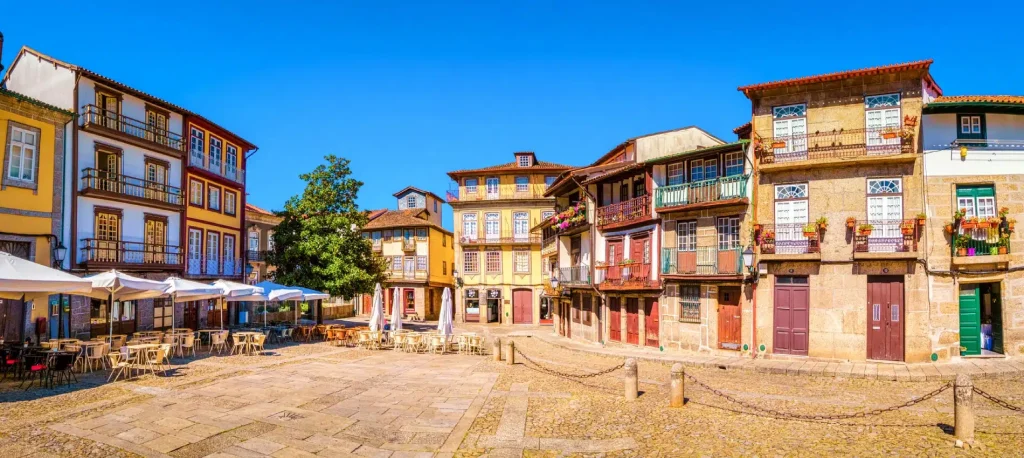
Guimarães’s old town is a labyrinth of narrow streets and alleys. It has everything you’d expect from an old southern European town: cozy windows with flower pots, wooden balconies, stylish restaurants, and numerous architectural monuments.
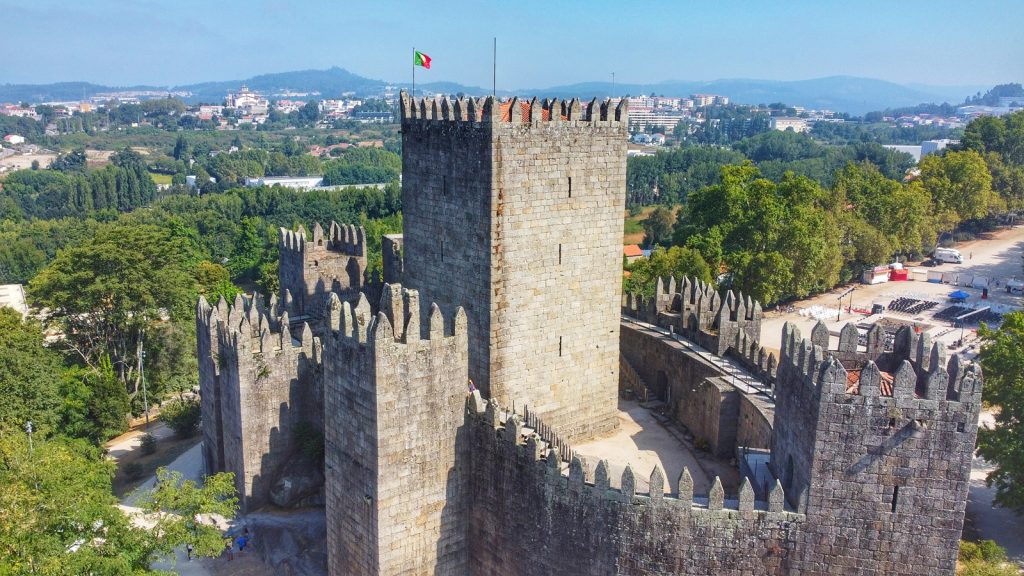
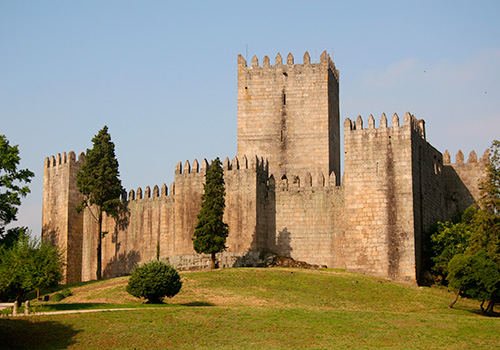
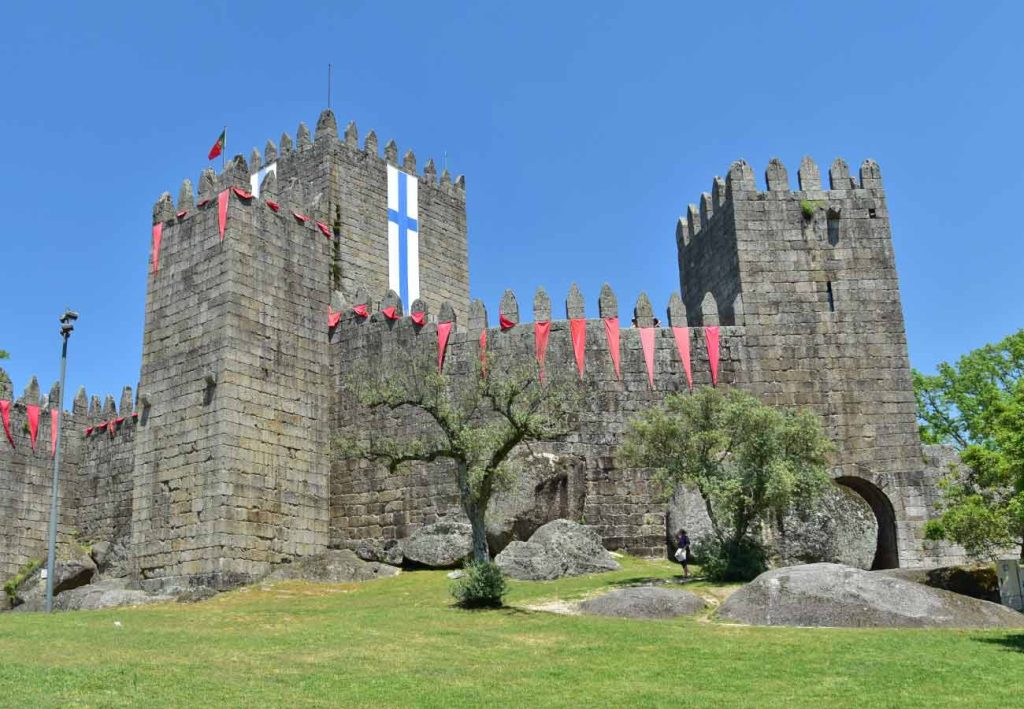
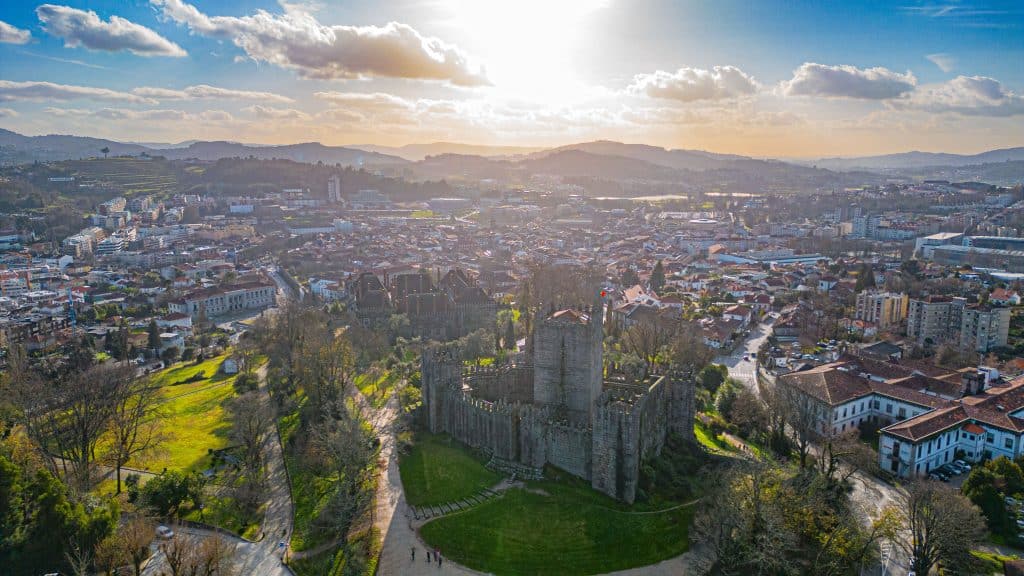
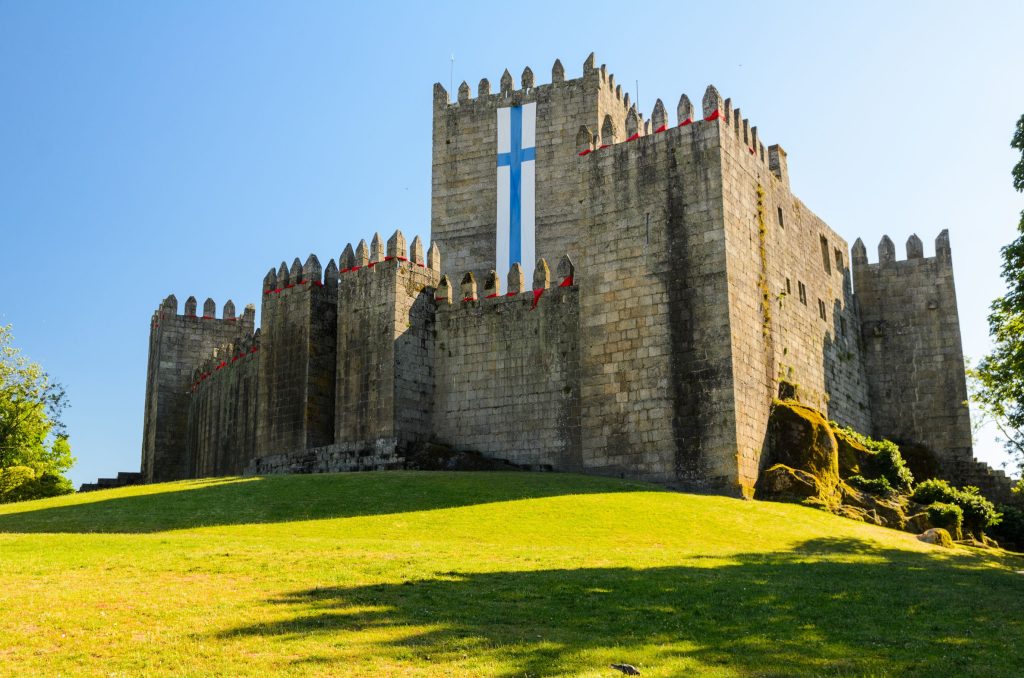
Guimarães’s crown jewel is its castle. The foundation stone of this massive gray fortress was laid in the 10th century to defend against the Moors and Normans. The castle acquired its current appearance in the 12th century under the leadership of Afonso Henriques, the first king of Portugal. Next to the castle, a small Romanesque chapel, where this monarch was baptized, remains.
Opposite the chapel stands the medieval 15th-century Palace of the Dukes of Braganza, with its 39 unusual stone chimneys. Inside, you can admire a banquet hall with a magnificent wooden ceiling, carpets, and a rich collection of portraits, furniture, and porcelain from the 17th and 18th centuries.
Today, the palace houses a museum, and one of its floors serves as the official residence of the President of Portugal.
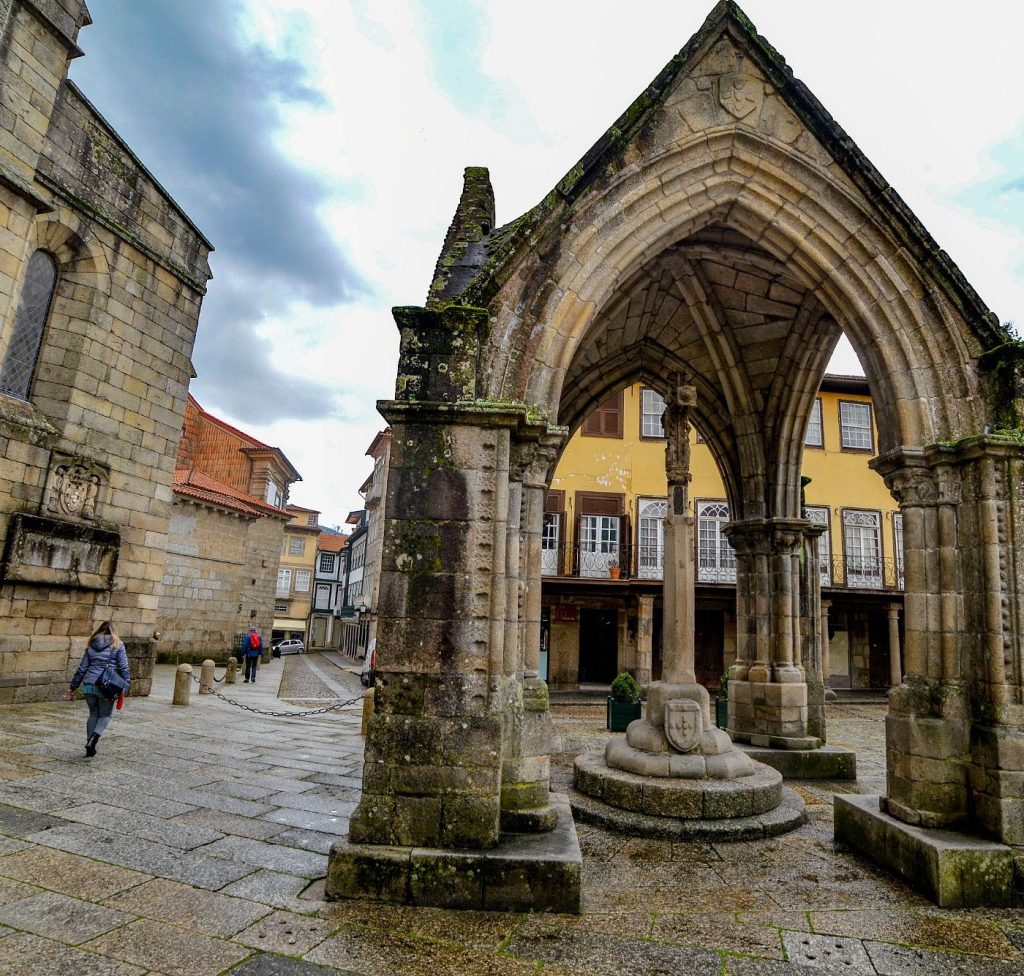
From the castle begins Guimarães’s oldest street, Rua de Santa Maria, which has remained virtually unchanged for centuries. It leads to the Gothic Church of Nossa Senhora da Oliveira in the square of the same name. Inside this 16th-century church, formerly part of a monastery, is a beautiful silver altar. Here, you can also stroll through the covered galleries and visit the treasury. In front of the church is a chapel with a cross, which, according to legend, revived the withered olive tree that gave the church its name.