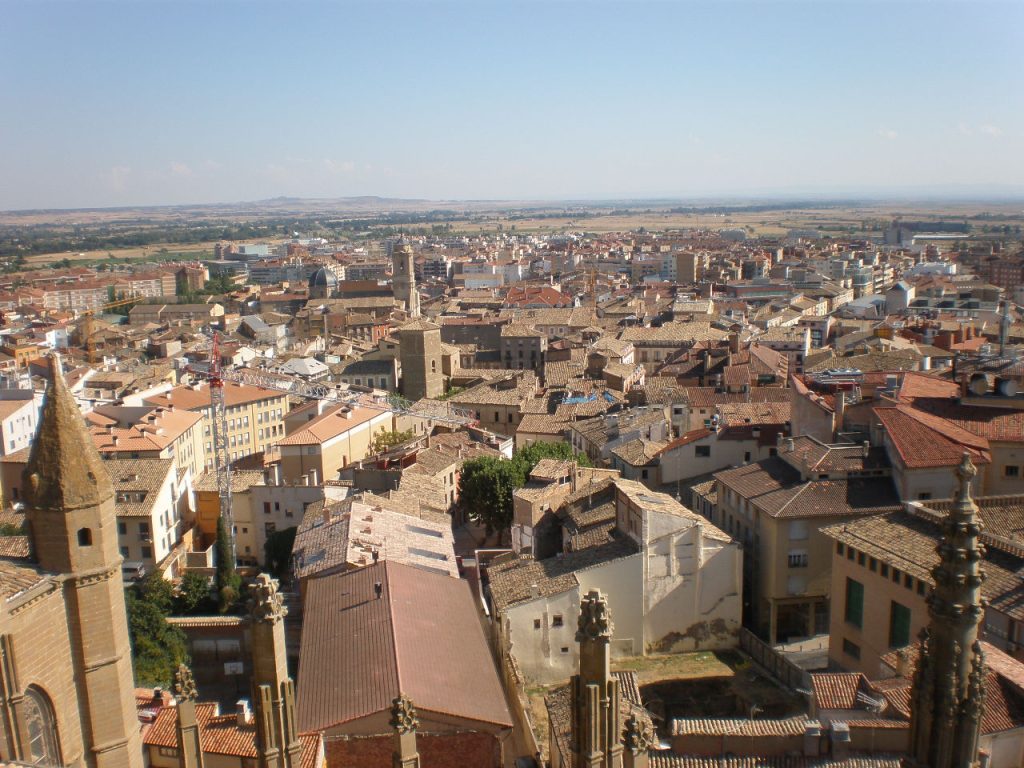
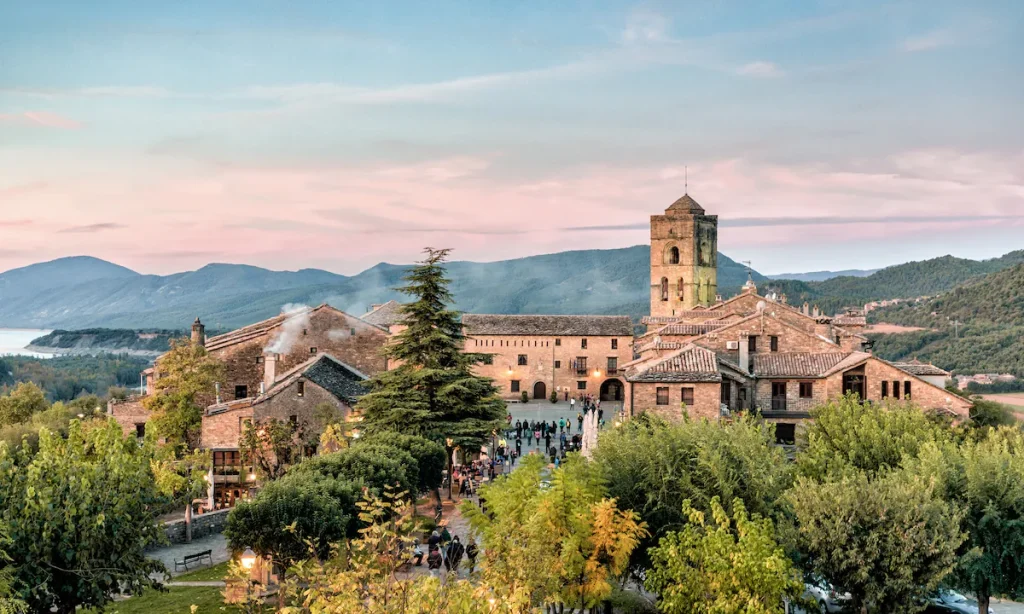
Amid the fertile plains of Aragon lies Huesca, a city boasting a well-preserved historic center and a vibrant, authentic Spanish atmosphere. Despite its rich past, Huesca remains vibrant and dynamic, reflecting modern trends.
Furthermore, the city boasts a diverse natural landscape, making it one of the richest destinations in the country.
Attractions
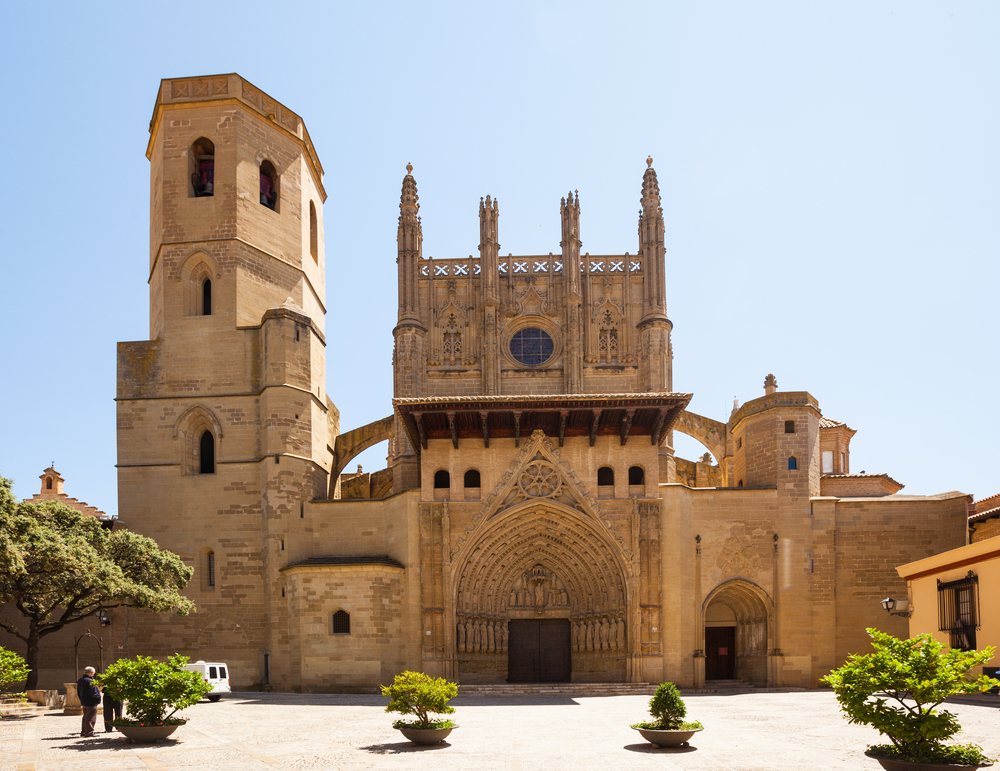
Most of Huesca’s territory is occupied by the historic center, but due to the city’s compact size, it can be explored in a day on foot. The main street, along which you can immerse yourself in Huesca’s rich history, is Coso Bach. It encircles the Old Town, and at its center stands the Cathedral, built on the site of an ancient mosque in the 14th century. Inside the cathedral is the Museum of Religious Art of the Province of Huesca, which displays valuable exhibits.
Opposite the cathedral stands the Town Hall, built in 1578. Inside, you can view a small exhibition, particularly notable for the painting “The Bell of Huesca,” depicting the execution of those involved in the rebellion against King Ramiro II in 1136.
For relaxation, we recommend visiting the Miguel Servet Park. Founded in 1928, this park is the largest green space in Huesca. It is home to approximately 1,600 trees, and small squares feature monuments to kings and to Miguel Servet, a distinguished scholar executed by the Inquisition.
One of Huesca’s most significant landmarks is the Monastery of San Pedro, built in the 12th century. This Romanesque monastery was built on the site of an ancient Roman sanctuary, hence its common nickname, “El Viejo,” or “the Old Monastery.” The monastery complex includes a basilica and a walkway.
Inside the chapels of the monastery church, you can see an altar created in the 17th century, and in the pantheon rest the remains of the kings of Aragon, Ramiro II and Alfonso I.