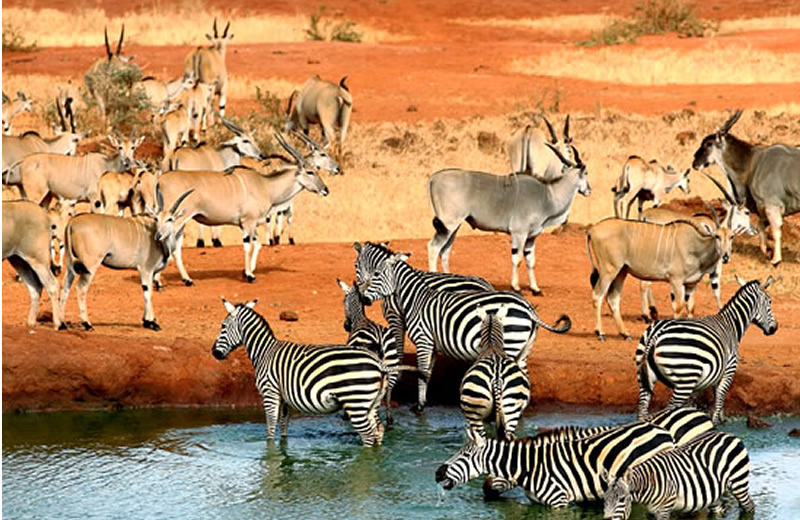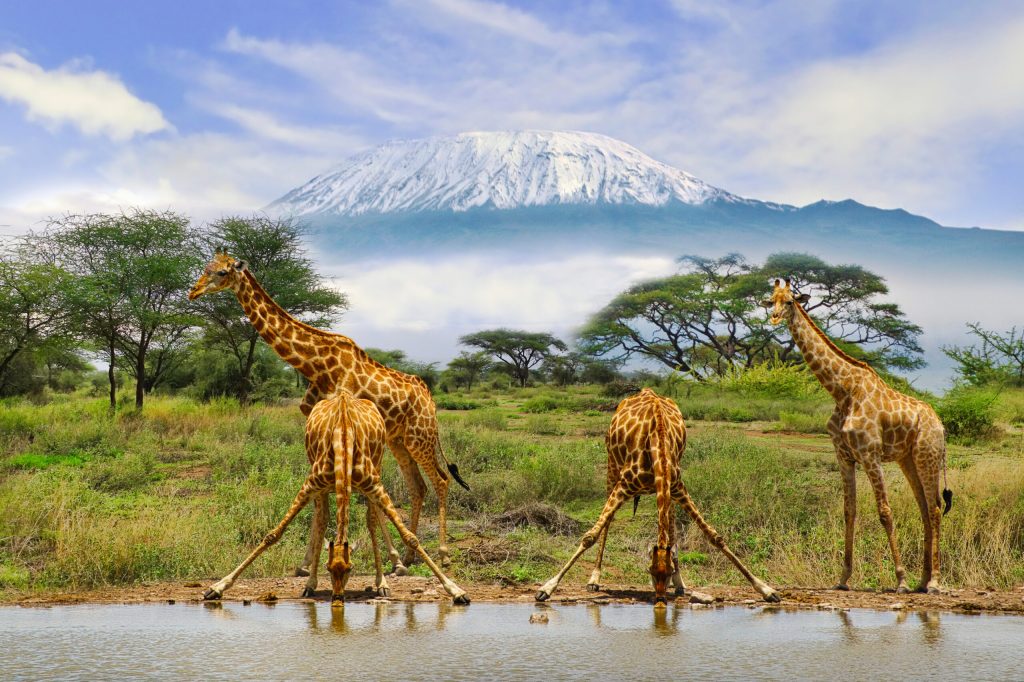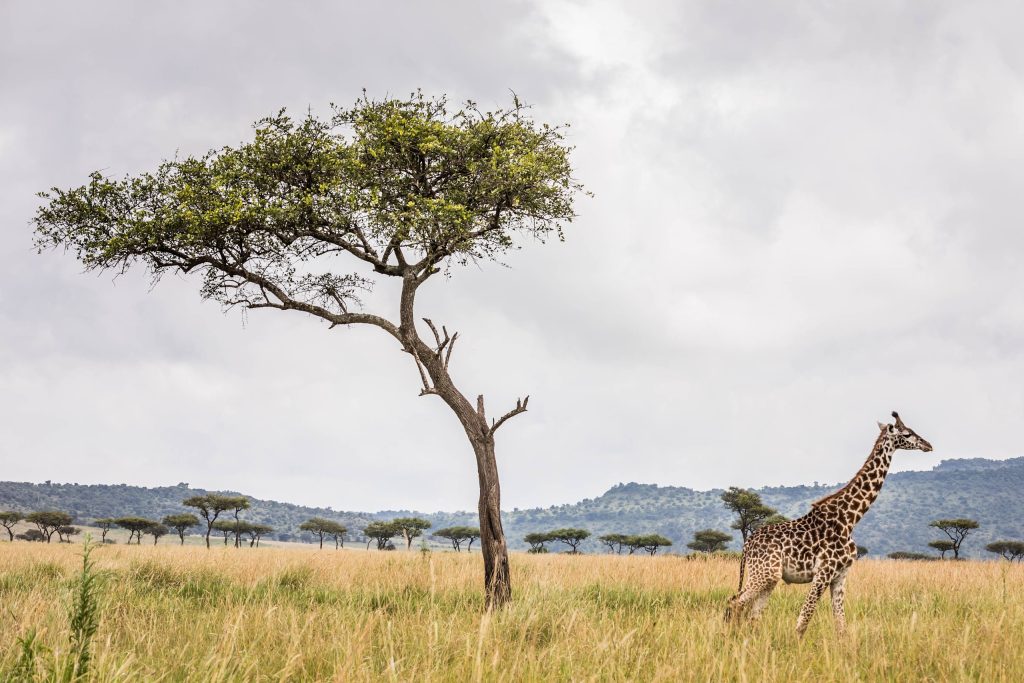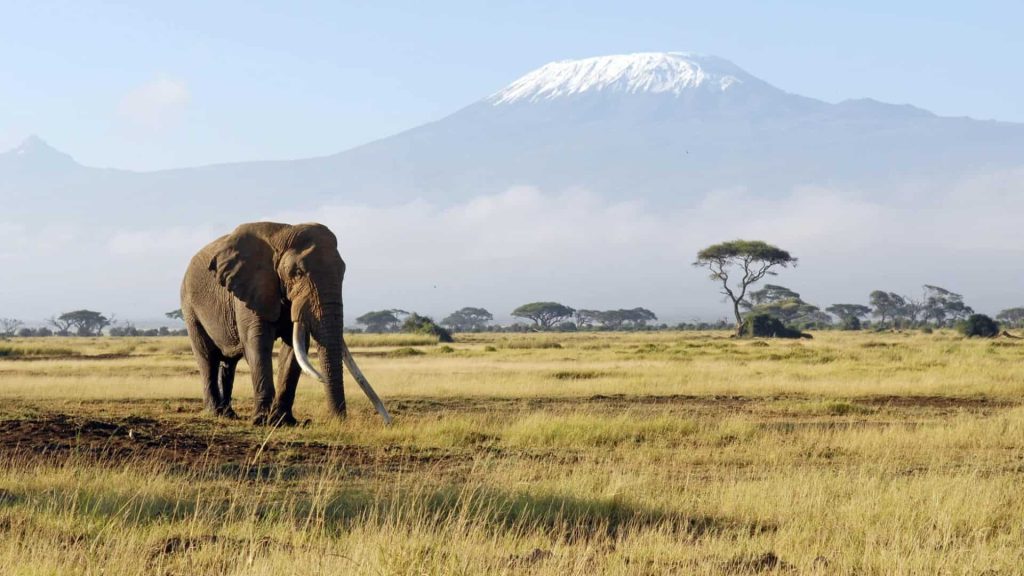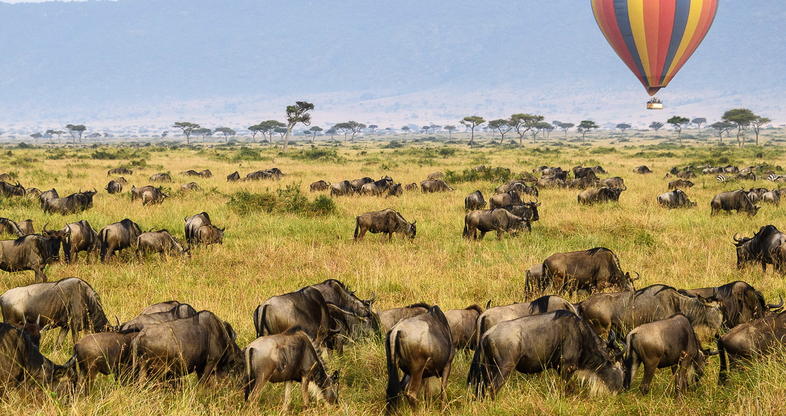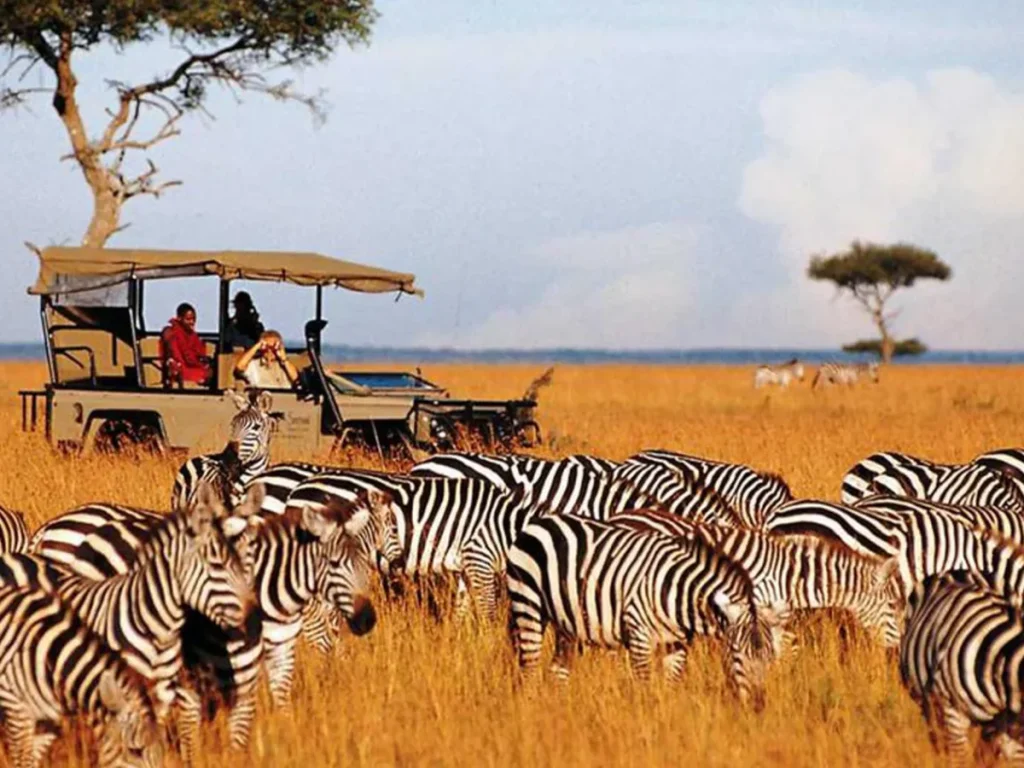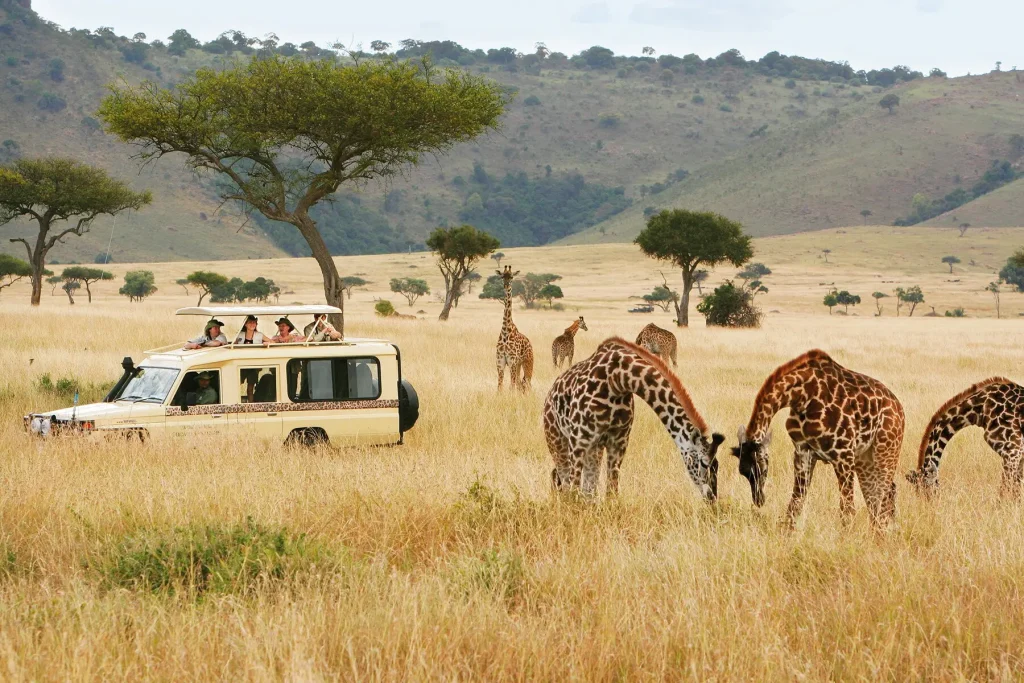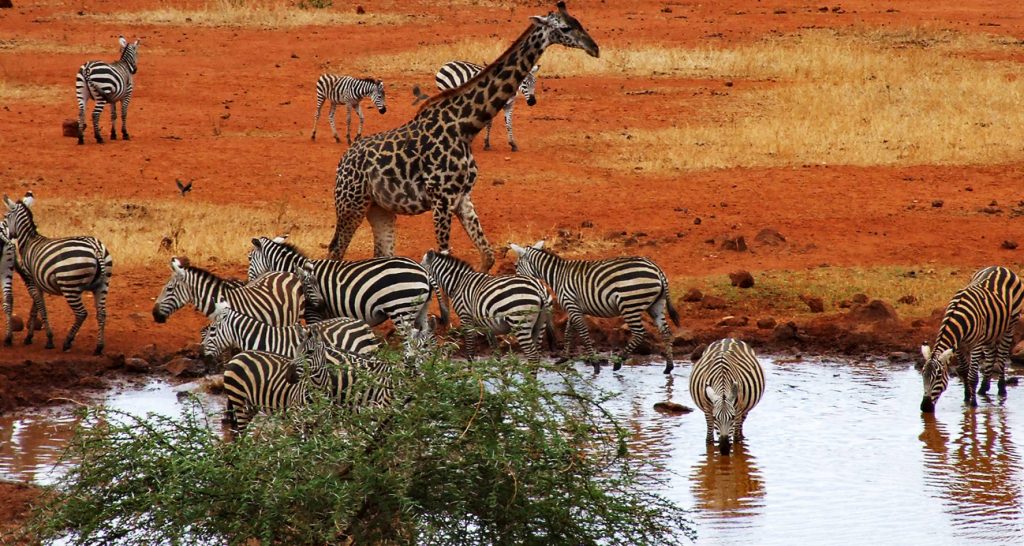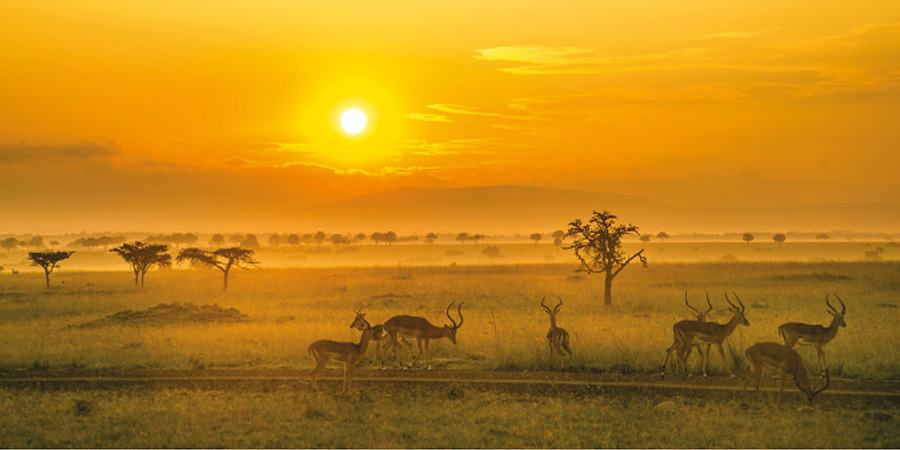
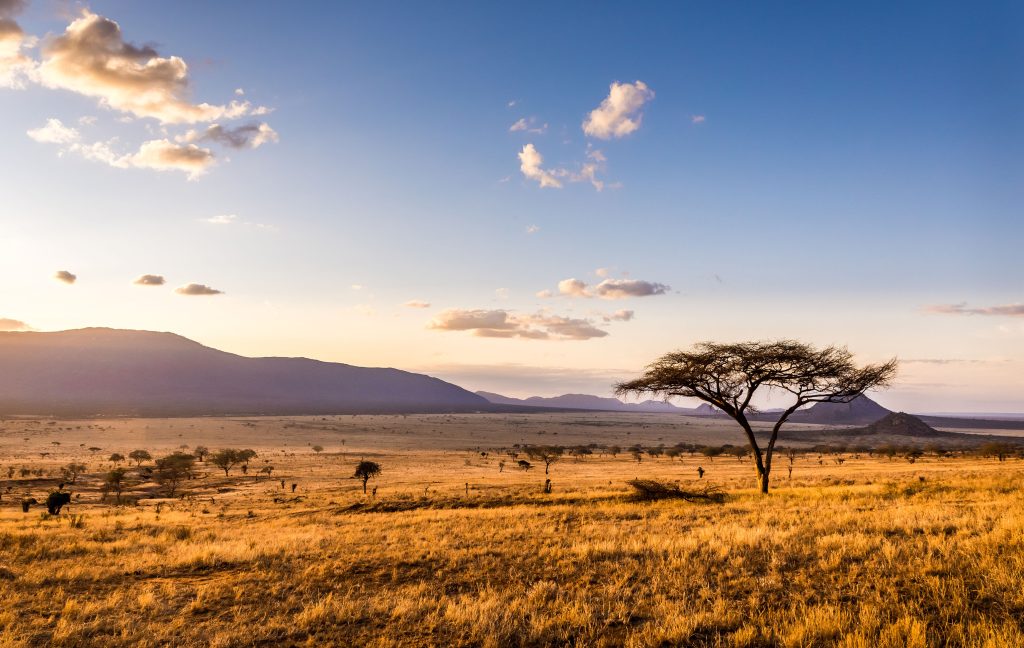
Let’s list just a few reasons why every traveler should visit Kenya at least once. First, it’s the birthplace of human civilization. Second, Kenya is the geographic center of the world, straddling the equator. Third, Kenya’s national parks are renowned for their diversity and the opportunity to see the “Big Five” of African wildlife: elephants, lions, leopards, buffalos, and rhinos, among many others.
Entertainment and Attractions
When we think of Kenya, we immediately associate it with magnificent national parks, exciting safaris, stunning mountain peaks, and unforgettable diving. However, the cities also offer numerous attractions worthy of attention.
Let’s start with Nairobi, Kenya’s capital, where the Clock Tower, with its spire rising 140 meters above the ground, is an architectural icon. It is one of the tallest structures on the entire continent. Standing next to this impressive building is said to recharge one’s batteries with energy and wisdom, although access is restricted by security.
Next to the modest parliament building is the mausoleum of Jomo Kenyatta, the country’s first prime minister and president, which is held in high esteem by locals. Also worth noting is the Jami Mosque, built in the traditional Arab-Muslim style in the early 20th century.
Outside the metropolis, in the Nairobi area, you can enjoy nature in Nairobi National Park with its rare black rhinoceros, admire the views of Mount Longonot, 2,777 meters high, and explore the Great Rift Valley with its active and semi-active volcanoes.
The main attraction in Mombasa is Fort Jesus, built by the Portuguese in 1593 and subsequently ruled by the Turks and British over the centuries. Today, a museum stands on its site, housing artifacts from sunken ships. Mombasa also has many temples representing various religions, and the symbol of the new era is the letter “M” made of elephant tusks, erected for the arrival of Queen Elizabeth II in 1952.
In Malindi, the Swahili-style old town and the Juma Mosque are worth visiting. On the coast, you can see a coral pillar erected for the arrival of Vasco da Gama in 1498, as well as the ruins of the ancient settlement of Gede, founded in the 13th century.