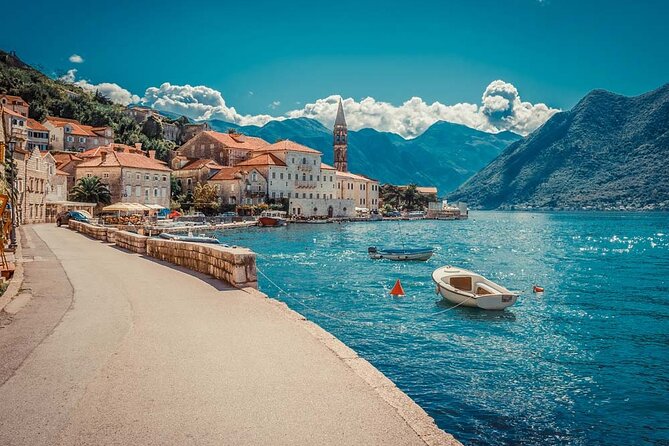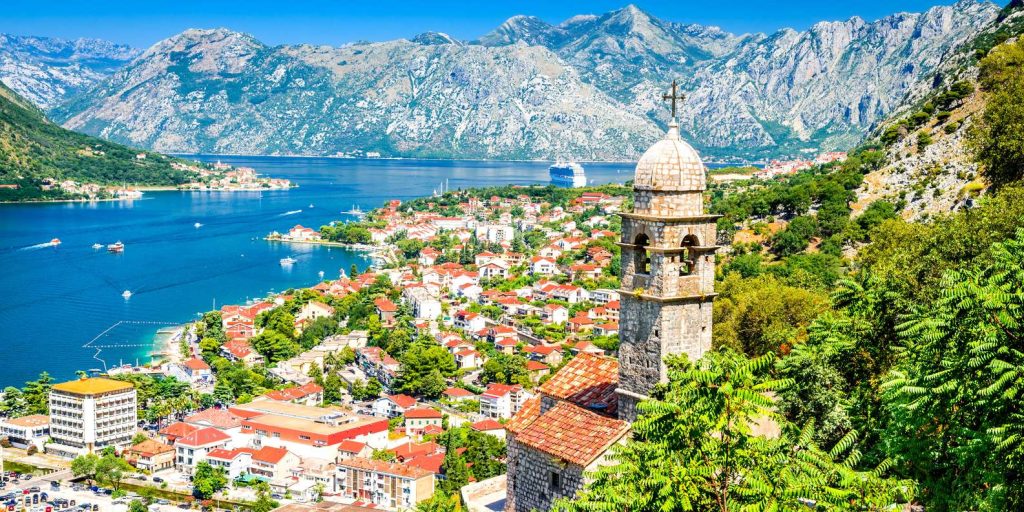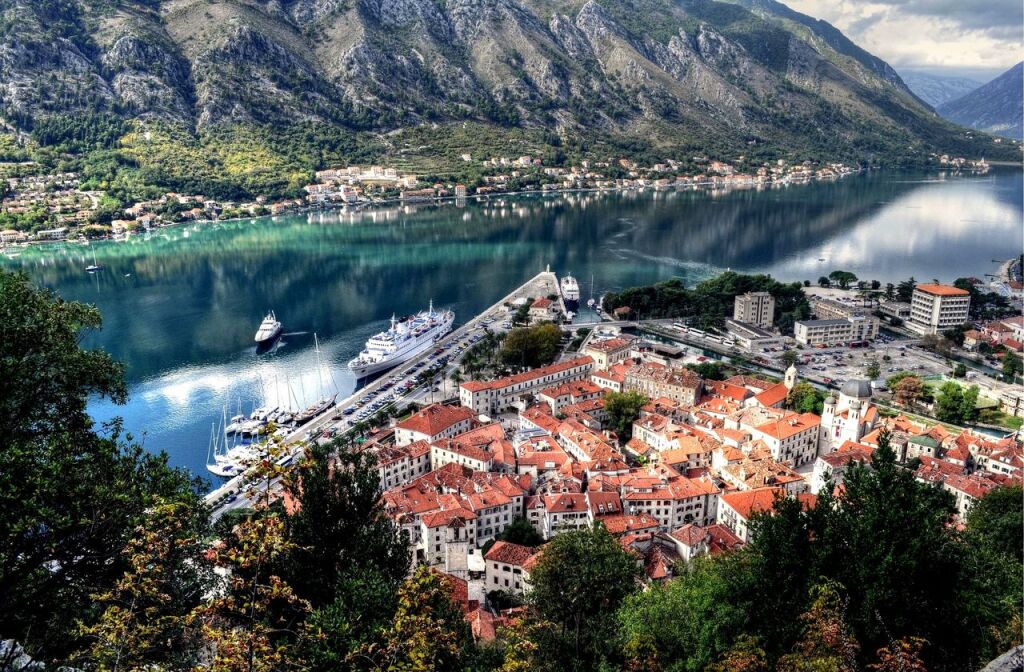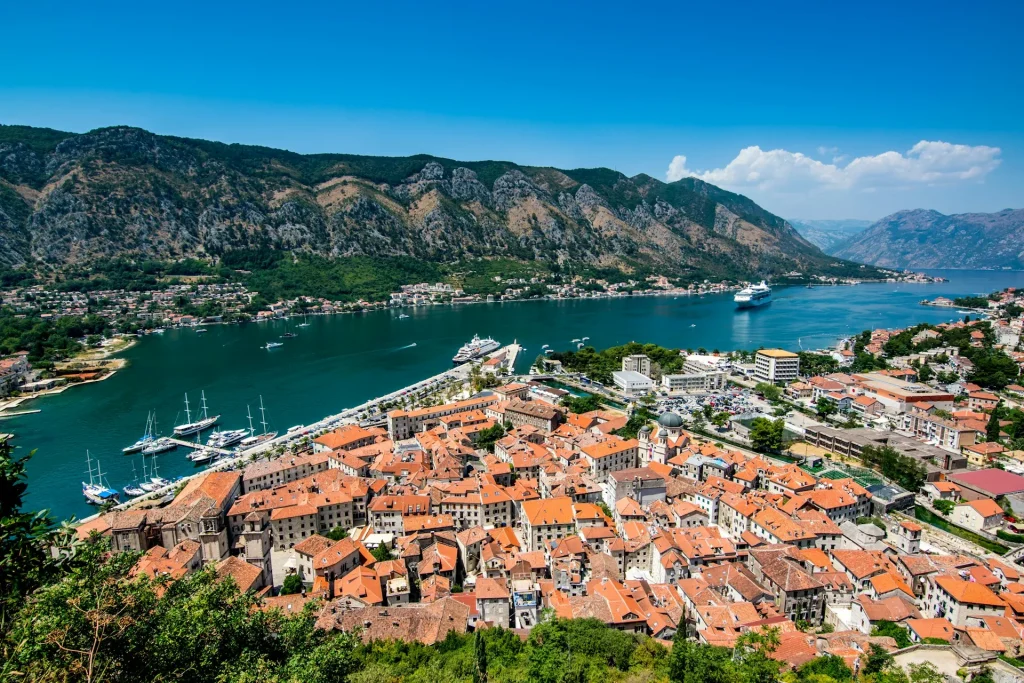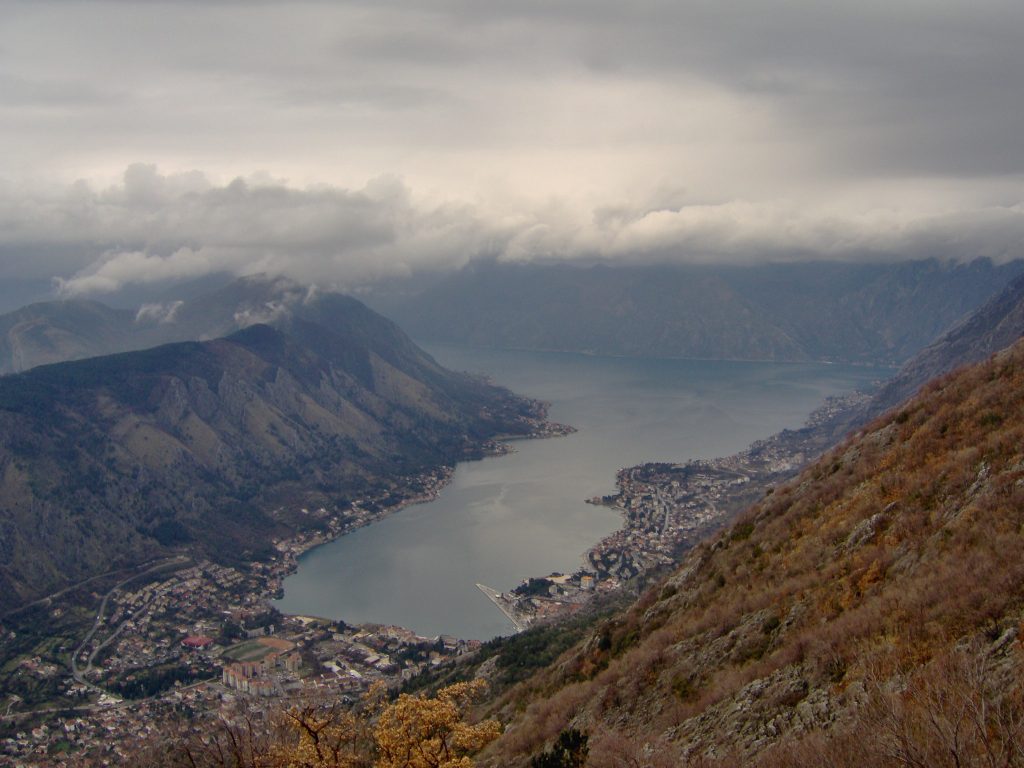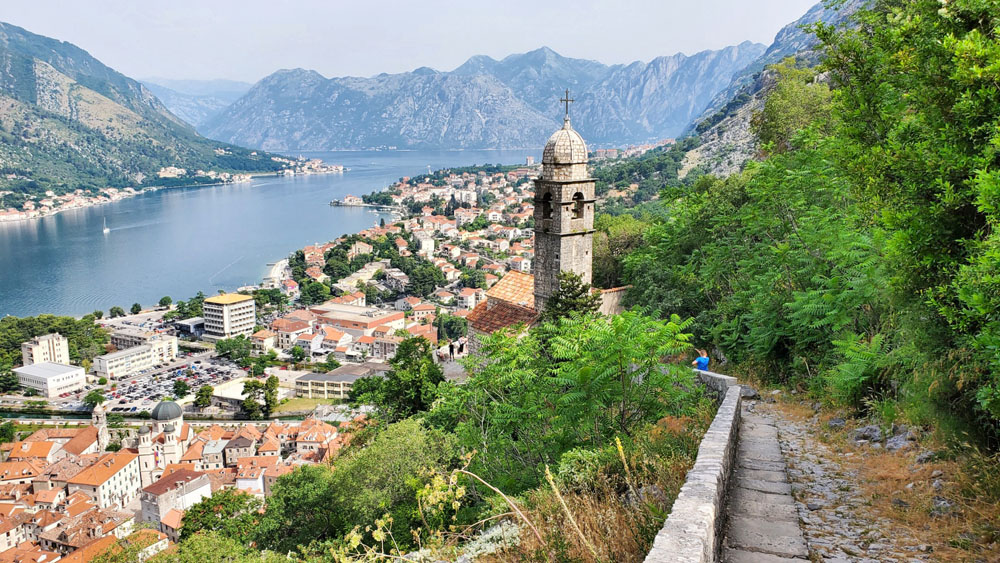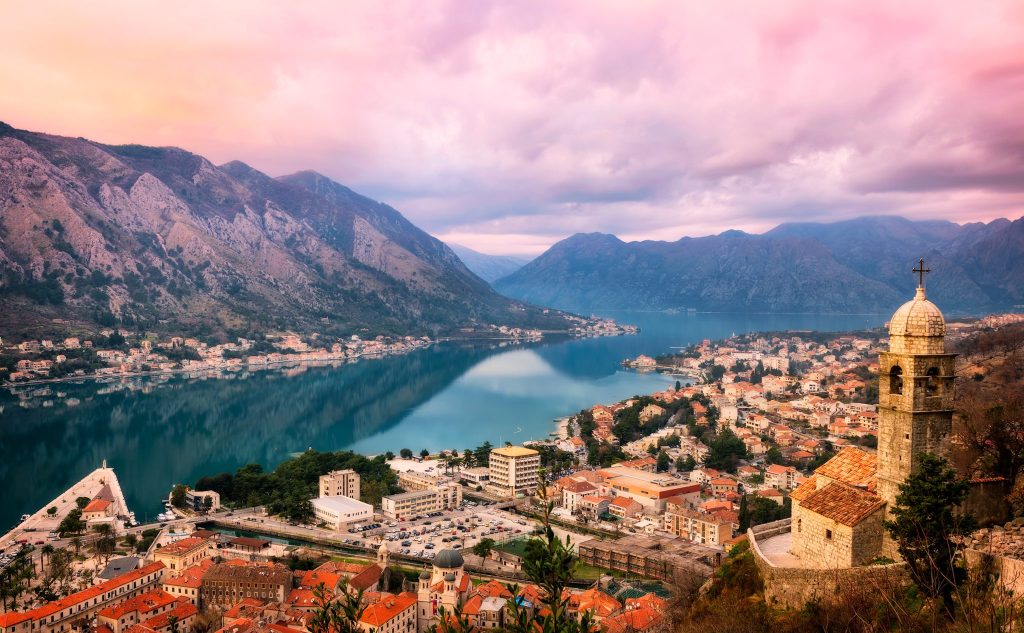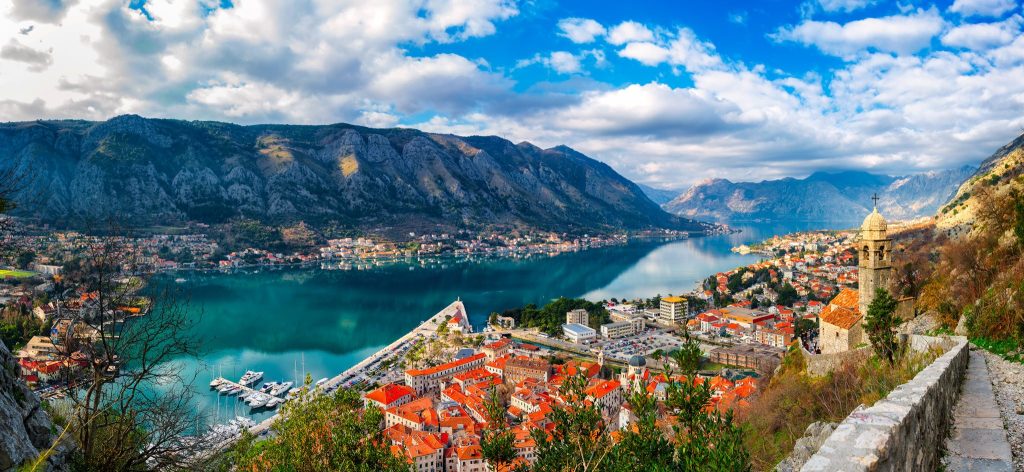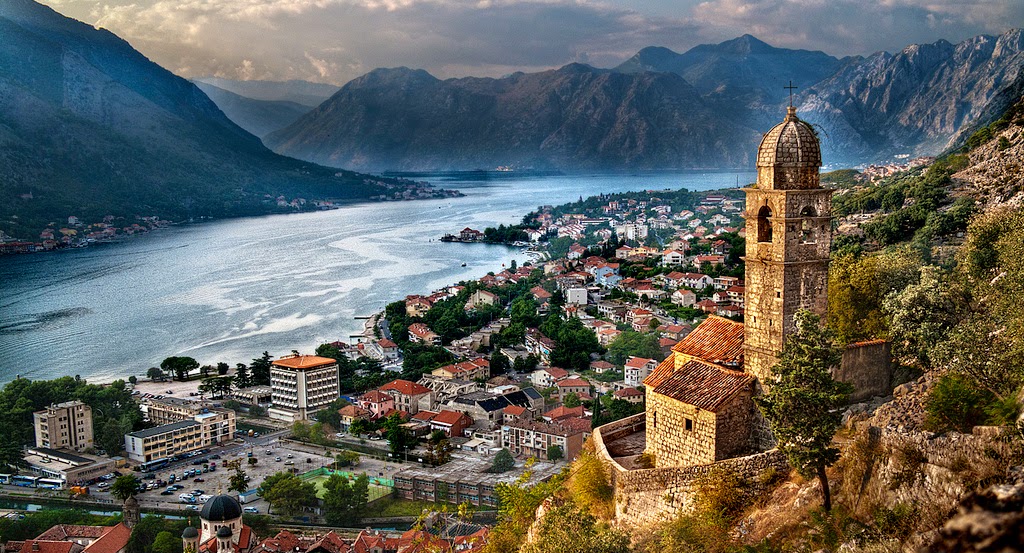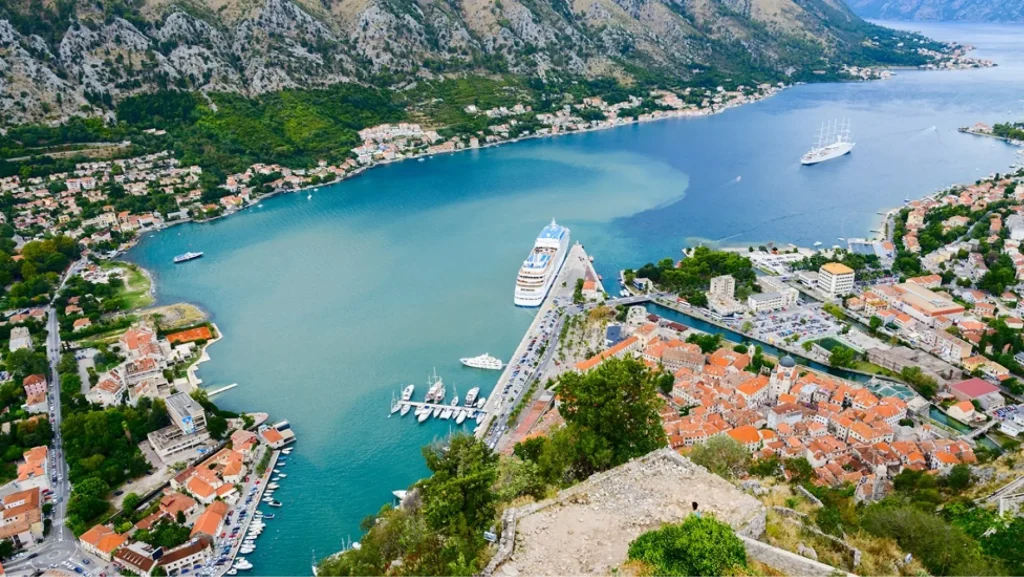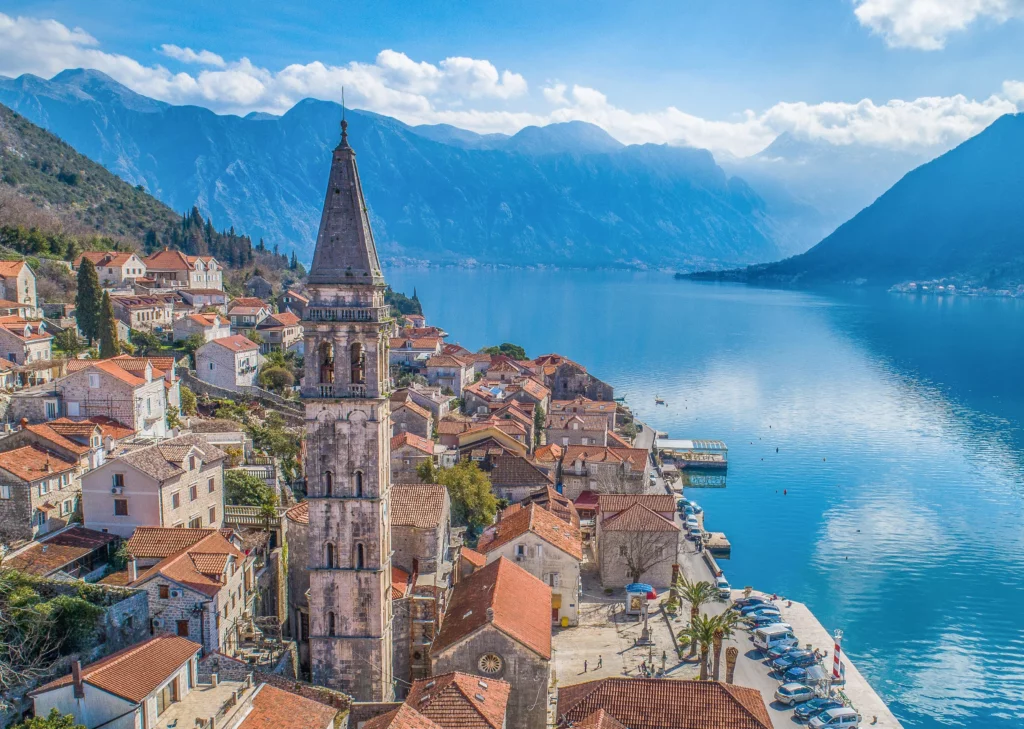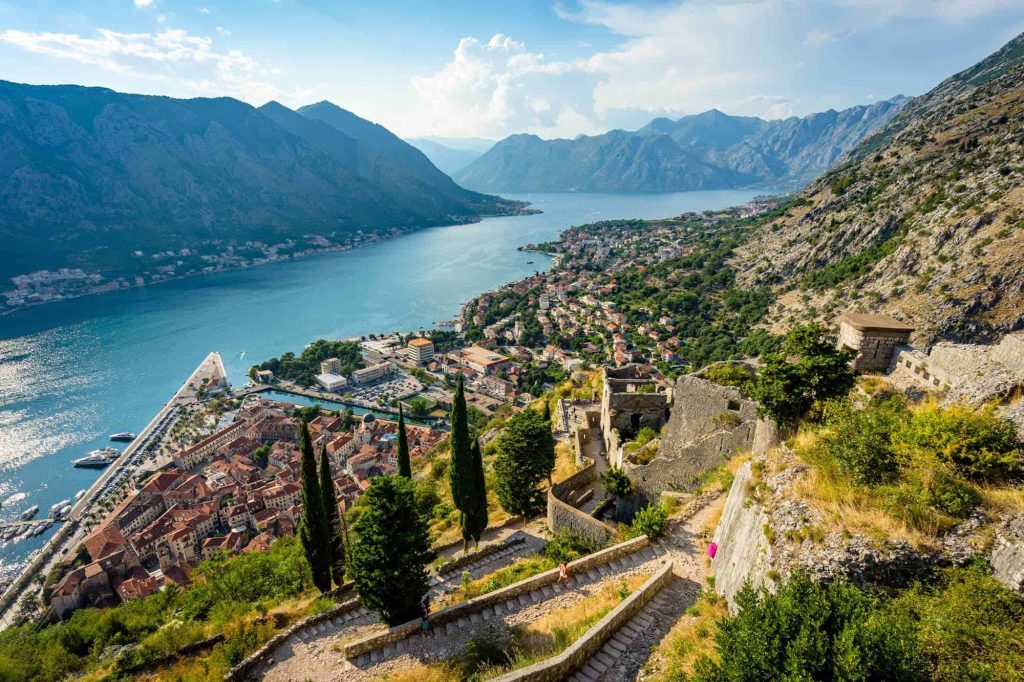
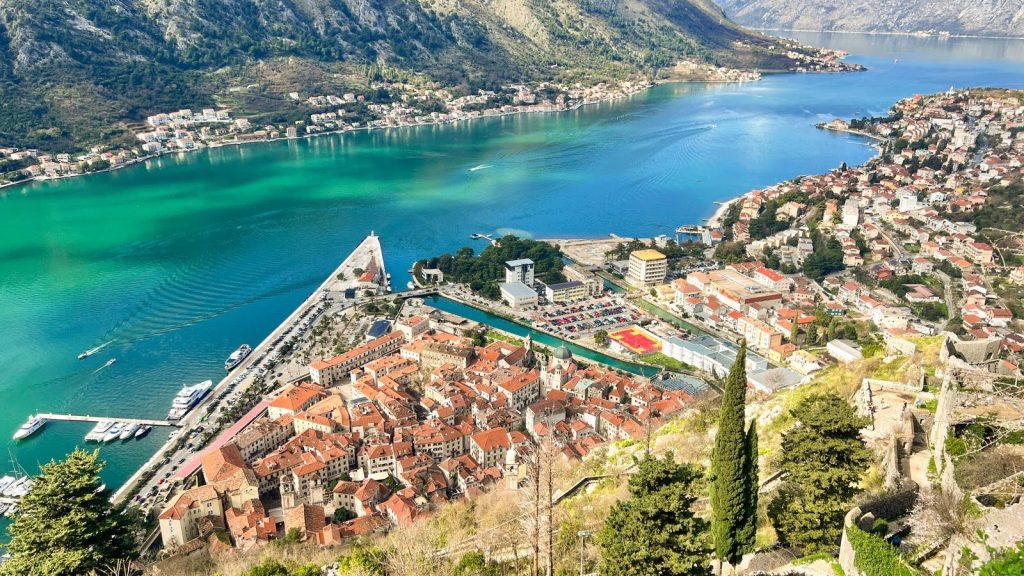
 Kotor, a city in Montenegro, was founded in the 3rd century BC and is a UNESCO World Heritage Site. It boasts a remarkably preserved medieval urban structure, typical of Adriatic cities, which was occupied between the 12th and 14th centuries. Kotor is located at the foot of Mount Lovcen, on the shores of the fabulous Bay of Kotor – the largest fjord in Southern Europe, renowned worldwide for its extraordinary beauty.
History and Modernity
Kotor was founded during the Roman Empire and was originally called Acrivia. Throughout its history, it has belonged to various peoples, including the Byzantines, Serbs, Illyrians, Venetians, and Austrians. It was also conquered by the Bulgarians, Saracens, and besieged by the Turks.
In the Middle Ages, Kotor was the main port of Dalmatia and an important harbor on the Adriatic coast. The city was the residence of Montenegrin princes. Kotor’s sailors became world-famous. Peter the Great sent future captains here for training.
What to see and where to visit
Kotor is a true open-air museum. The historic center of the city impresses with the harmonious blend of different eras and styles. Kotor is crisscrossed by narrow streets dating back to the Middle Ages.
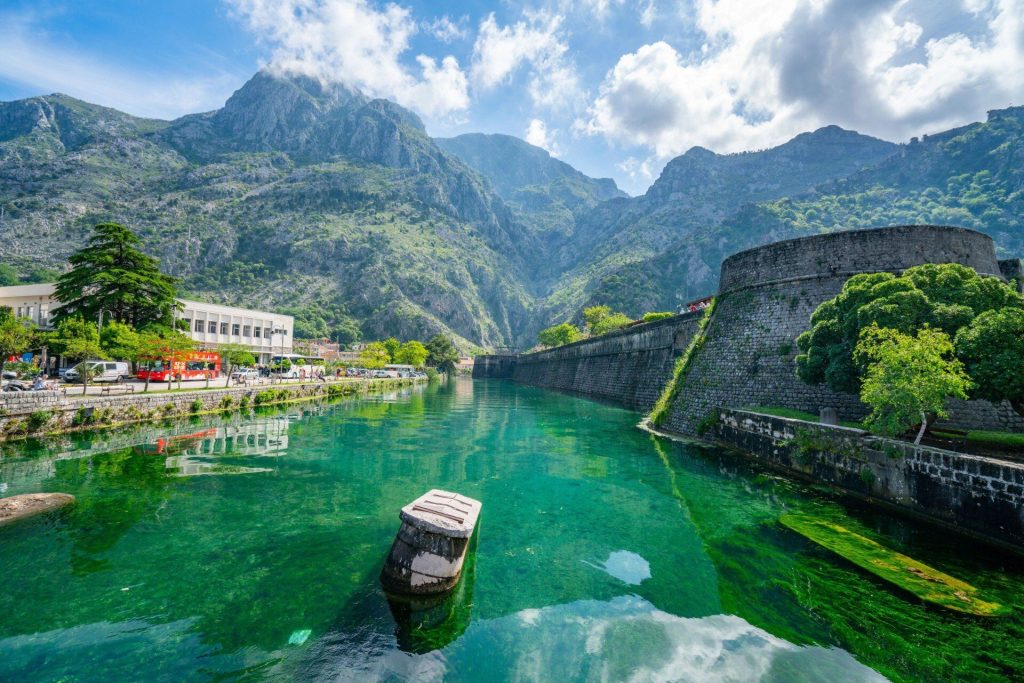
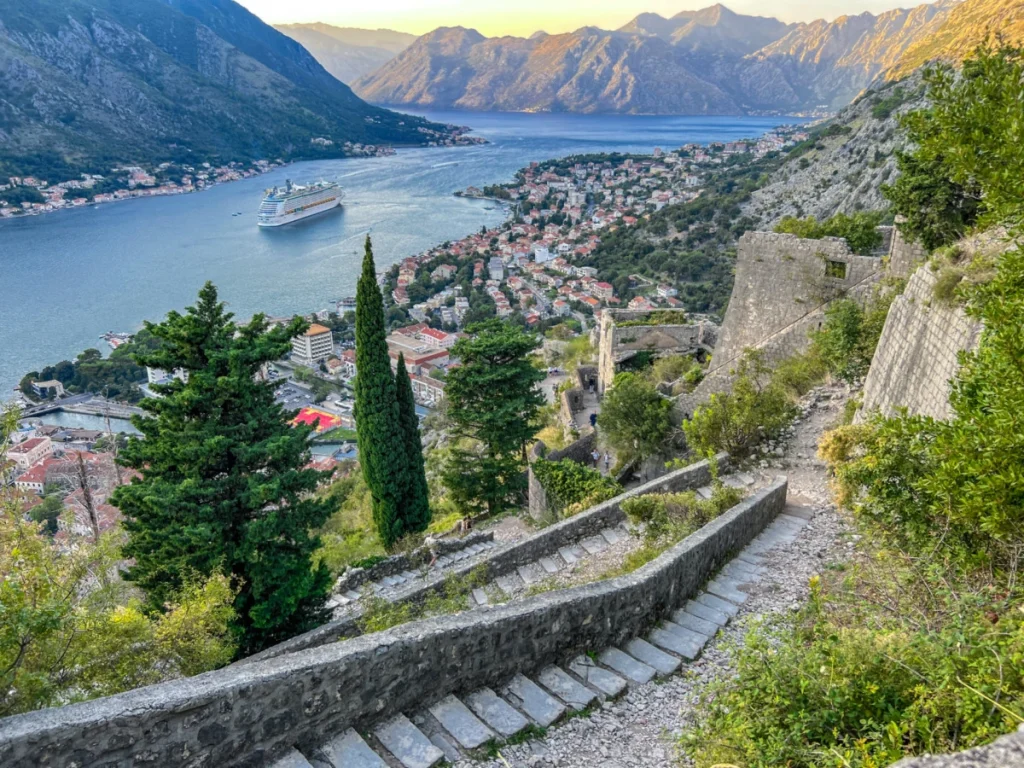
The fortress walls are Kotor’s main attraction; they surround the city on all sides in two rows. The walls are 4.5 kilometers long, 20 meters high, and 15 meters wide. A 1,500-step staircase leads to the fortress. Access to the fortress is through one of three gates: Gurdicha, the Gate of Rest, and the Gate to the River.
The Cathedral of St. Tryphon is the symbol of the city. Built by the ancient Romans, it is considered a striking example of Romanesque architecture. It contains remnants of 14th-century frescoes and a rich sacristy created by Venetian and local jewelers. Kotor’s main square boasts a 16th-century clock tower and a medieval pillar of shame that still stands today.
Other landmarks in Kotor include the churches of St. Mary (13th century), Our Lady of Health (15th century), St. Luke (1995), St. Anne (12th century), the Duke’s Palace (17th century), and the Napoleonic Theatre (19th century). The mansions of the local noble families—Bizanti, Drago, Pima, Grgurina, and others—are also on display. One of these houses the Maritime Museum with a rich and unique collection.
Kotor also boasts numerous restaurants serving delicious fish dishes.
The Kotor Market, located outside the city walls, is particularly popular among tourists. It offers a wide range of local produce, from fish and dried dates to colorful souvenirs and handicrafts.