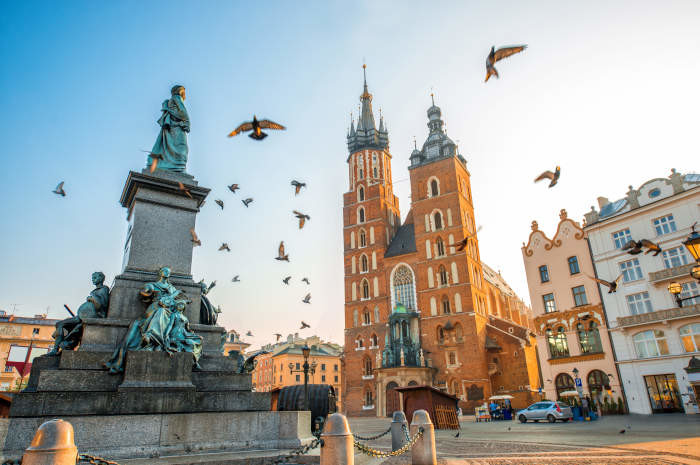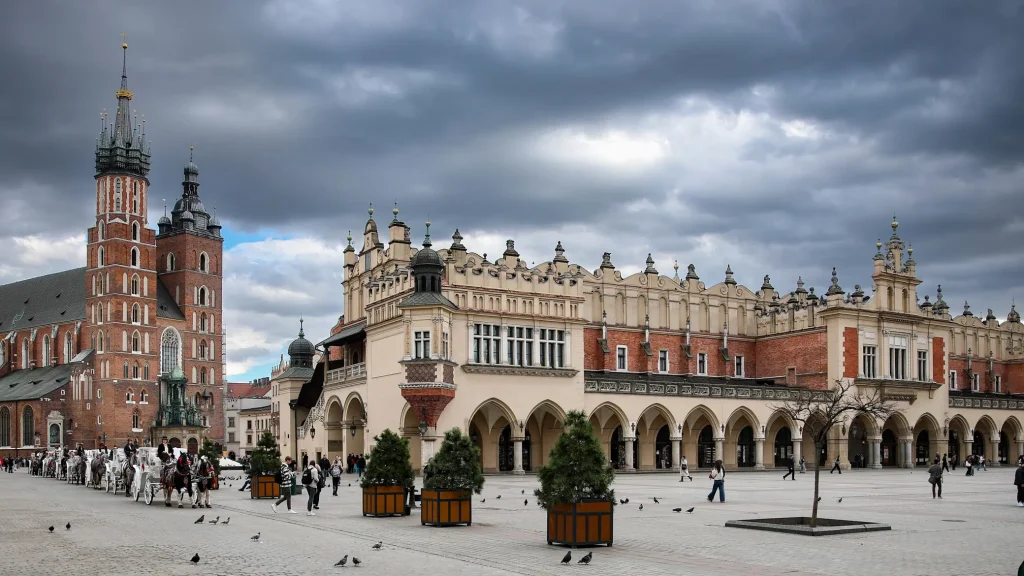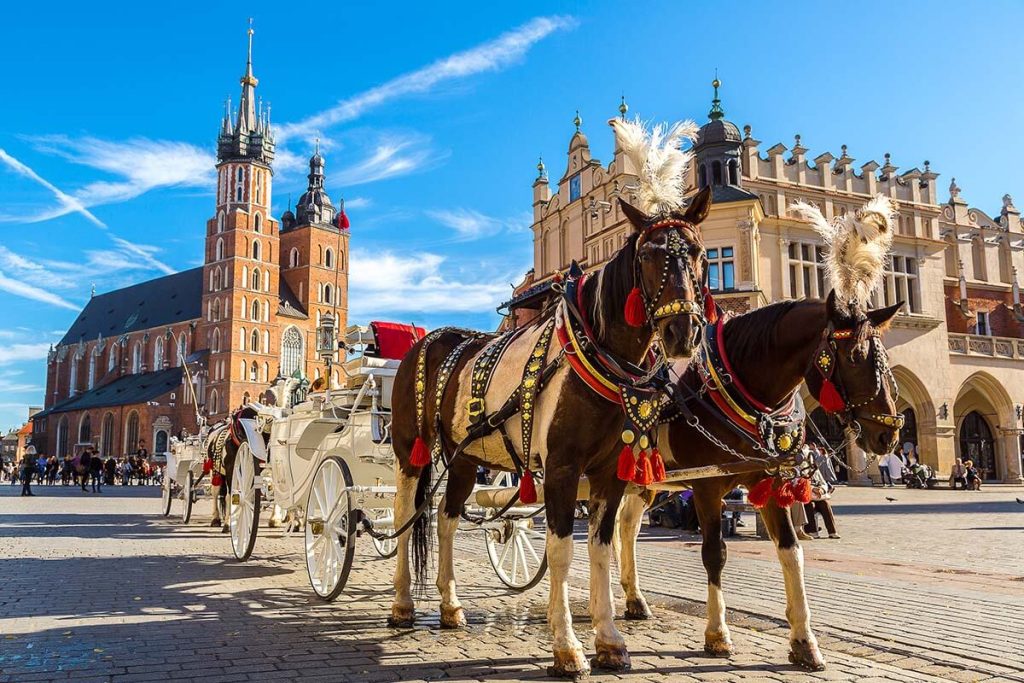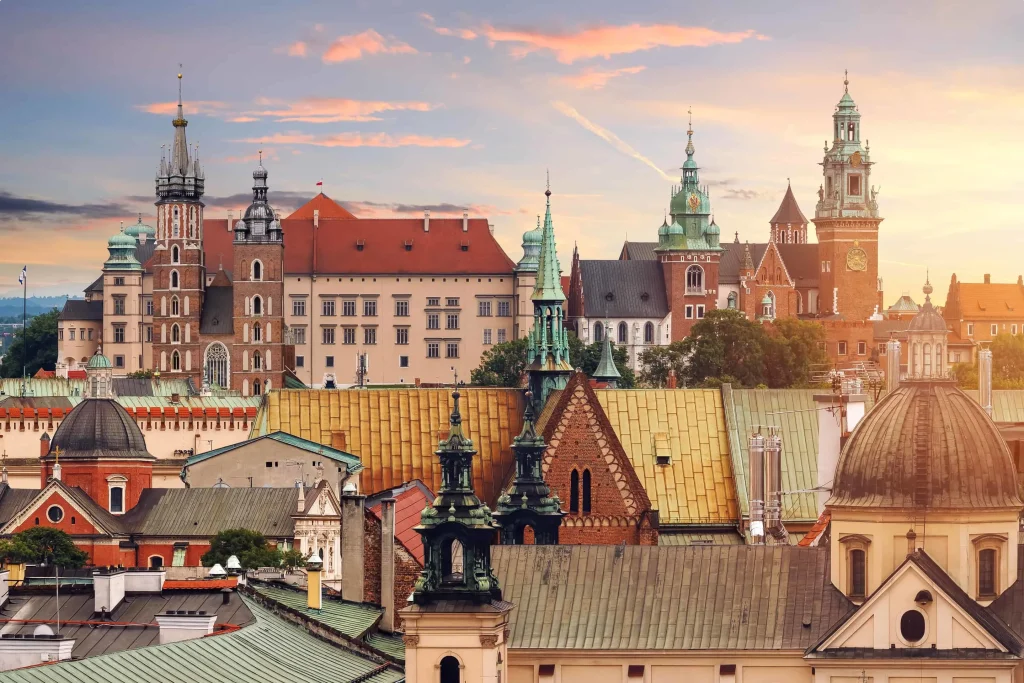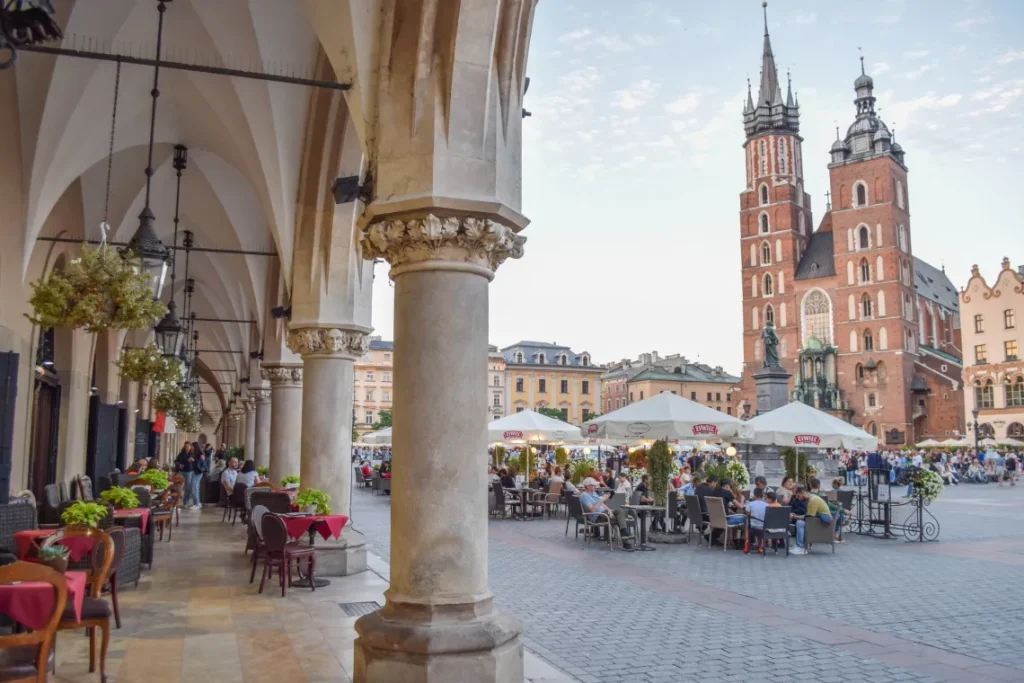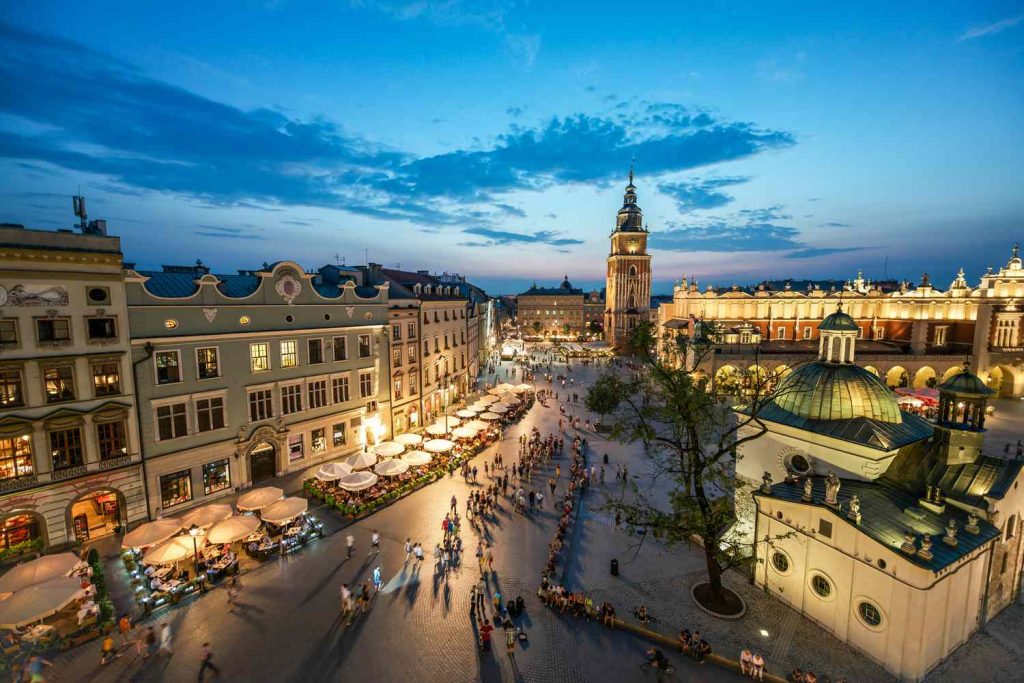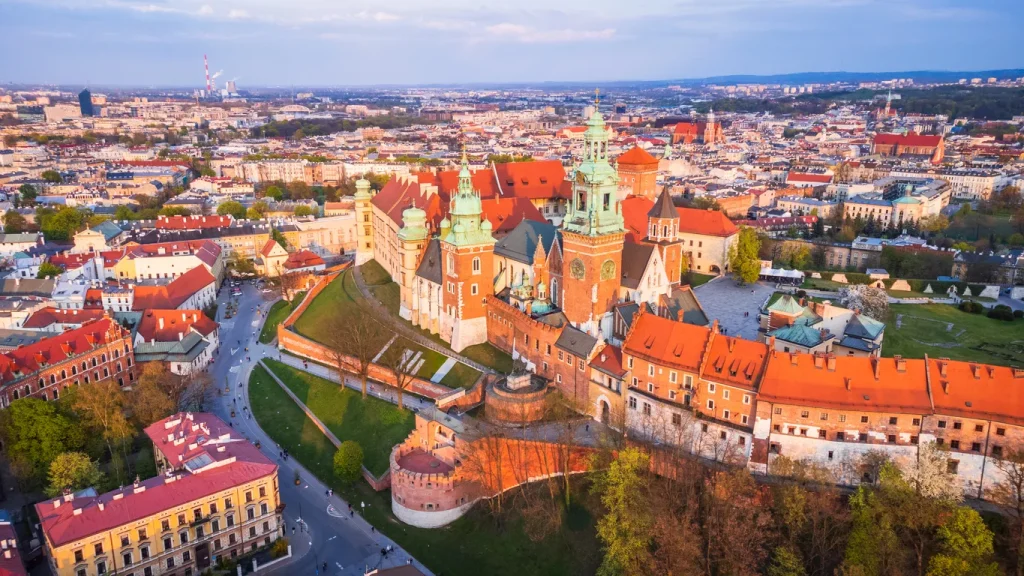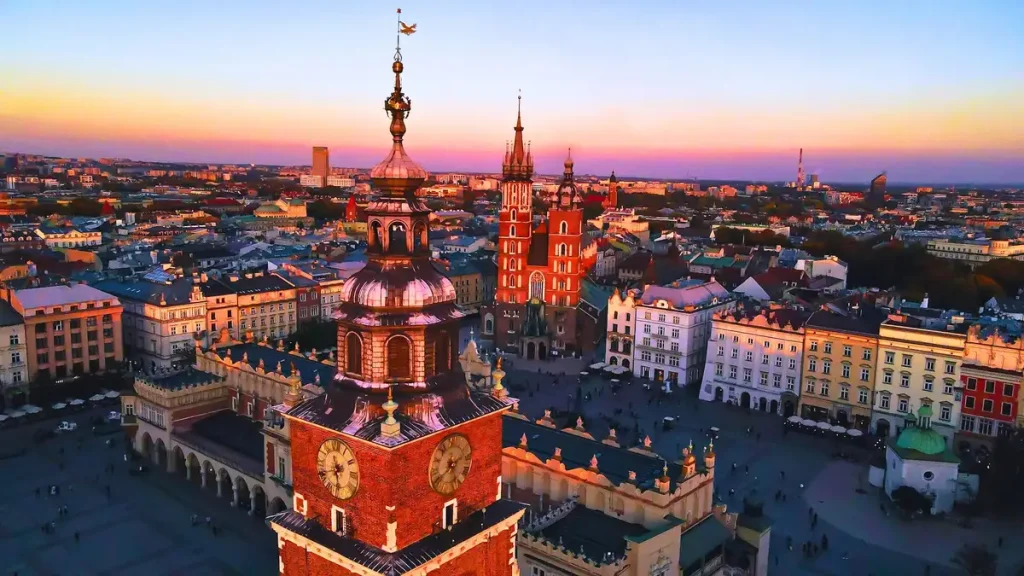
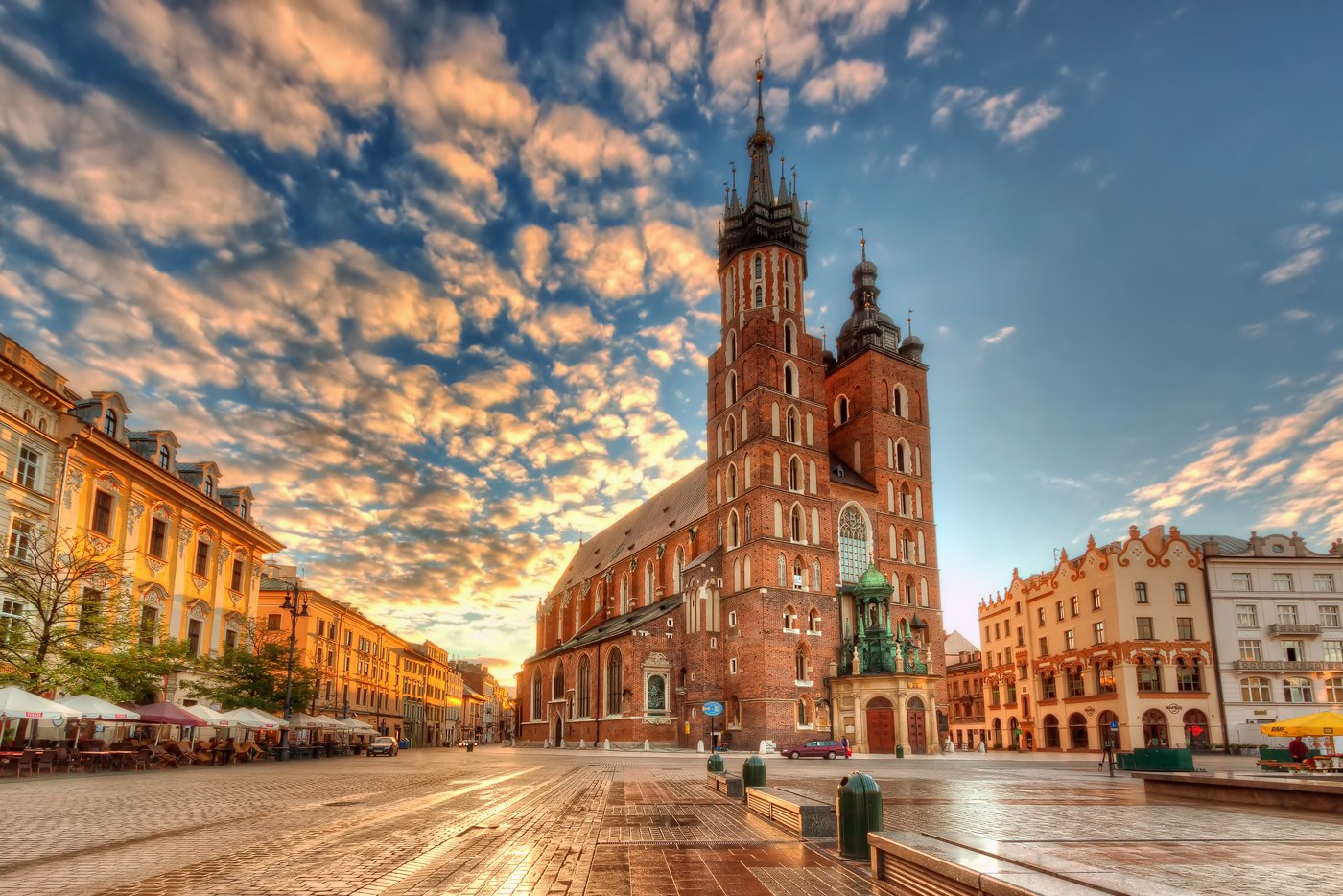
 Many tourists consider Krakow the most beautiful city in Poland. They come here to visit the impressive and horrific monuments of World War II, explore the sights, and admire the stunning architecture. Music and film festivals, street theater days, and other cultural events are also held here.
Krakow Districts
Krakow is divided into 18 districts, officially designated with Roman numerals, but in practice they are often referred to by their historical names. Most of the attractions are concentrated in the Old Town (Stare Miasto) district. This district is also where tourists usually stay, as they can easily reach any point in the city center on foot.
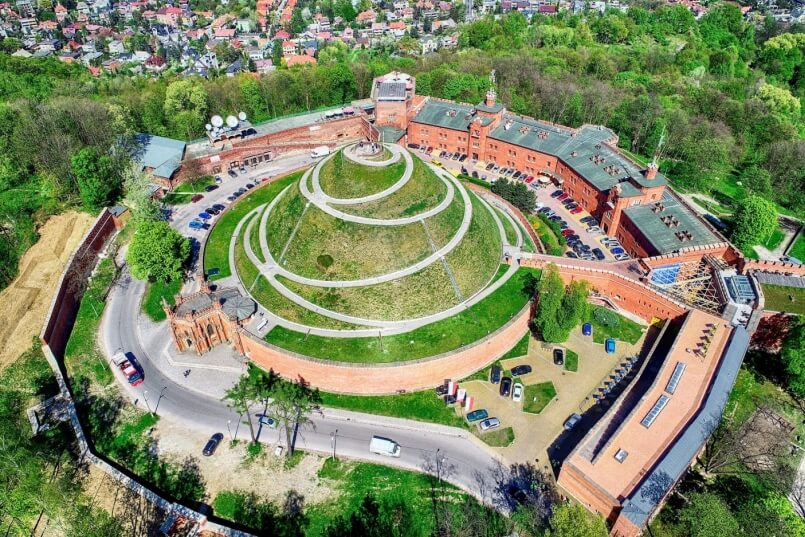
The surrounding districts are predominantly new buildings, with occasional religious monuments and parks. The Zwierzyniec district (VII) offers numerous green spaces. Podgórze boasts unusual architecture, such as the Villa Julia, Podskale, and St. Benedict’s Church, as well as the Plaszow concentration camp. In Wzgórze Krzesławice, visitors can explore the ancient forts. Nowa Huta is home to several palaces, including the Kichmajer or Wodzicki palaces, the Popiel estate, and examples of Stalinist architecture.
Krakow Attractions
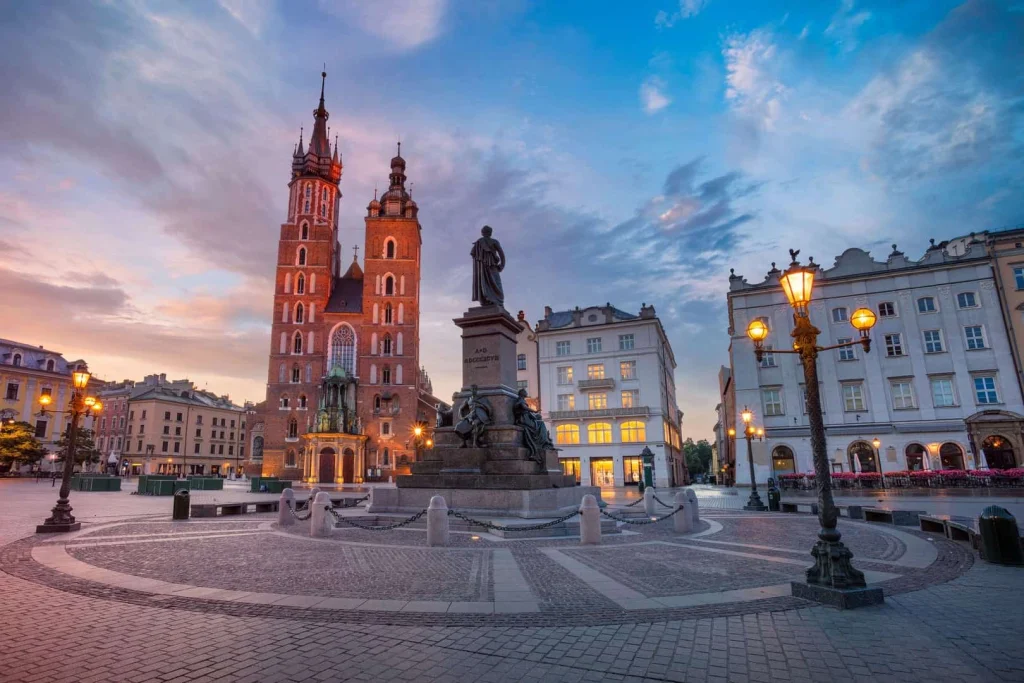
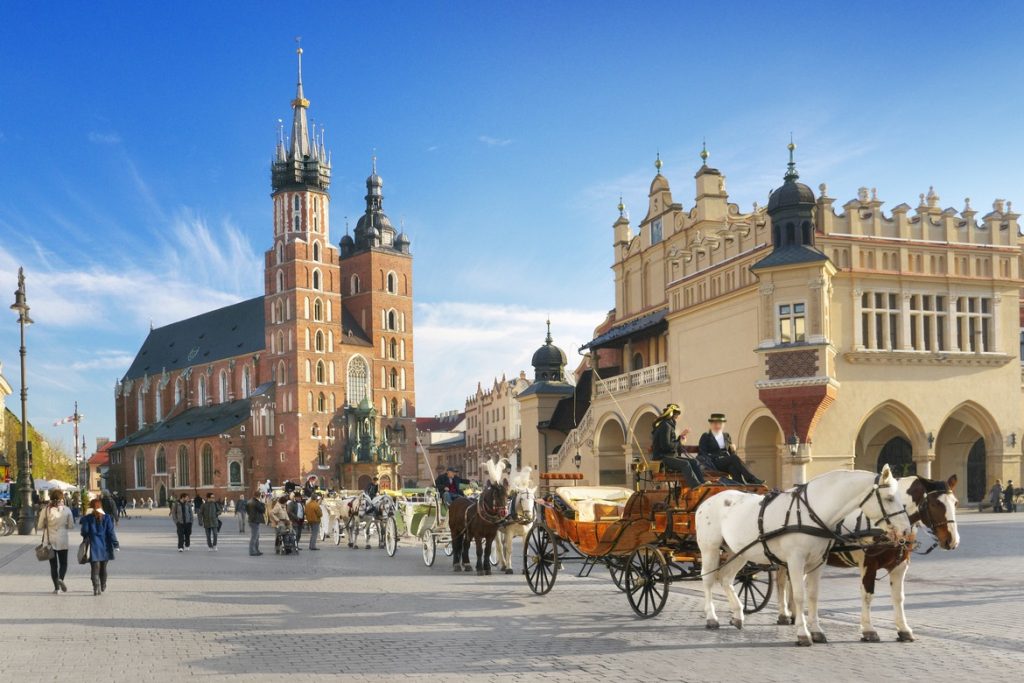
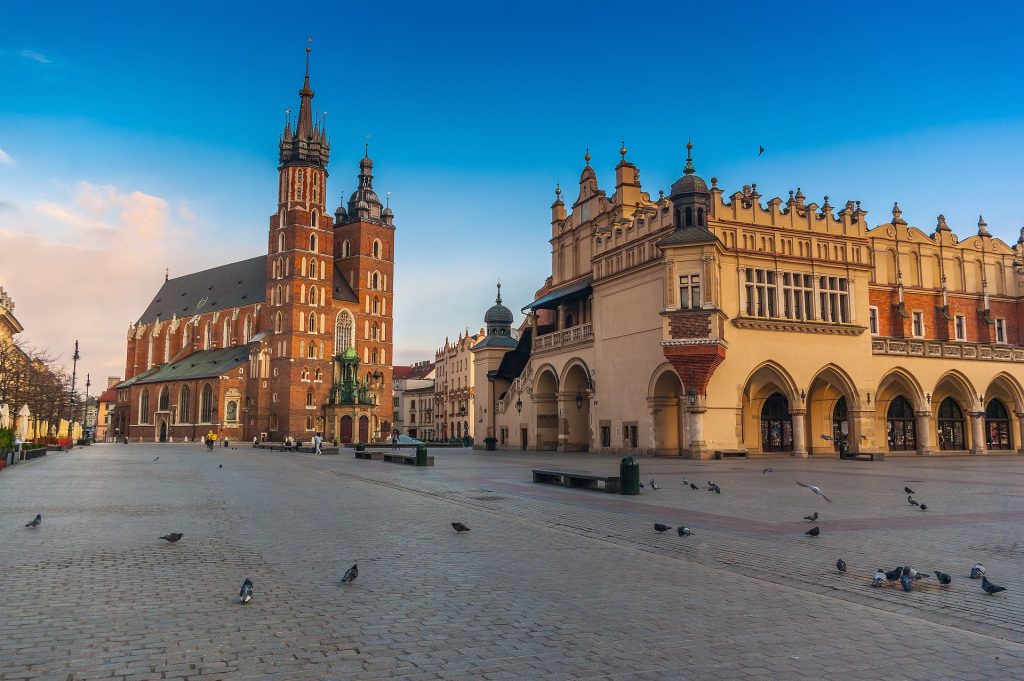
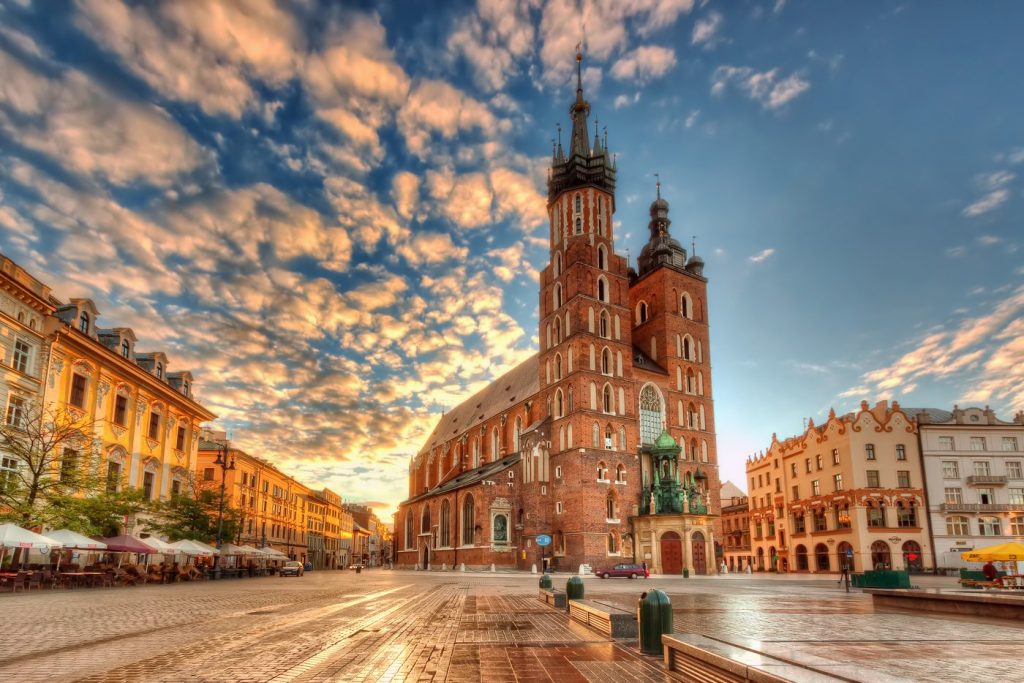
The entire center of Krakow is a UNESCO World Heritage Site. The Market Square is a large space filled with medieval architecture. Be sure to see the Bishops’ Palace and walk the “Royal Route,” which leads past the city’s main landmarks.
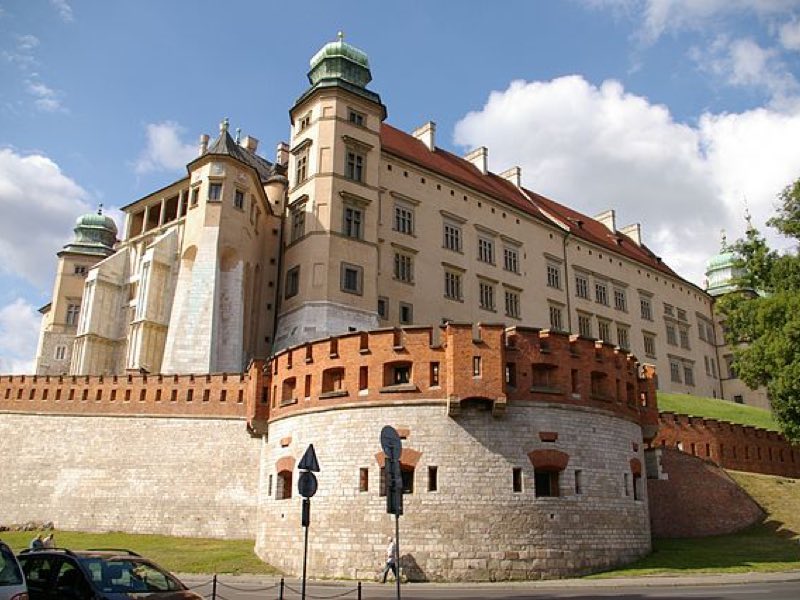
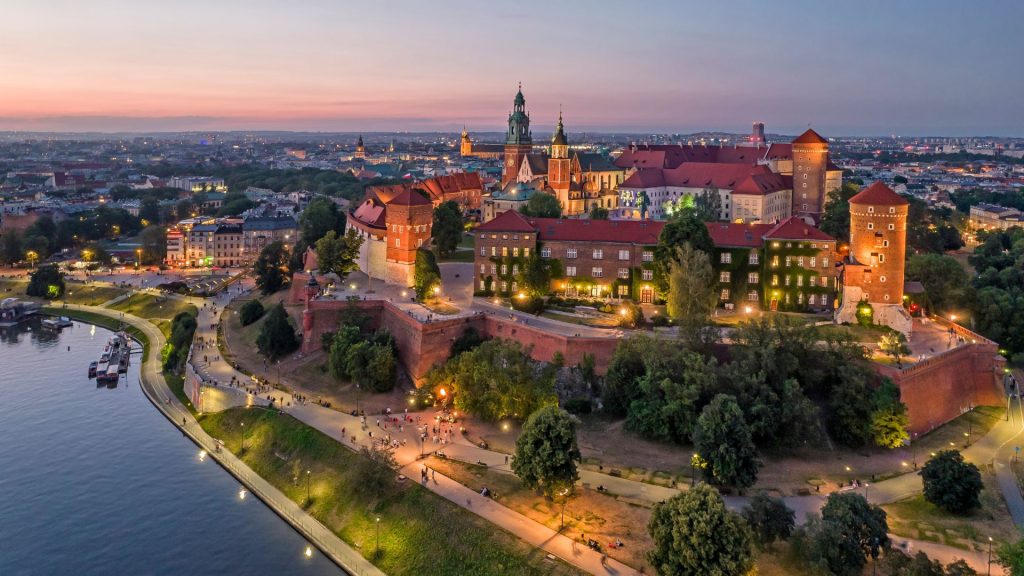
The Royal Castle, or Wawel Castle, is another famous landmark. This architectural complex includes several outbuildings, the Cathedral of St. Stanislaus and St. Wenceslas, and chapels. The castle is home to the Sigismund Bell, which, according to legend, can grant one of two wishes: money or love. You just have to choose one.
The Czartoryski Museum houses Leonardo da Vinci’s “Lady with an Ermine.” During World War II, the city suffered tragic events. It was home to the Jewish settlement of Kazimierz, which later became part of Krakow. A large number of residents were herded into the Krakow ghetto, and many were sent to Auschwitz. Oskar Schindler, who managed to save nearly 1,200 people, operated in Krakow. His factory is now a museum, and Kazimierz was the setting for the film “Schindler’s List.”