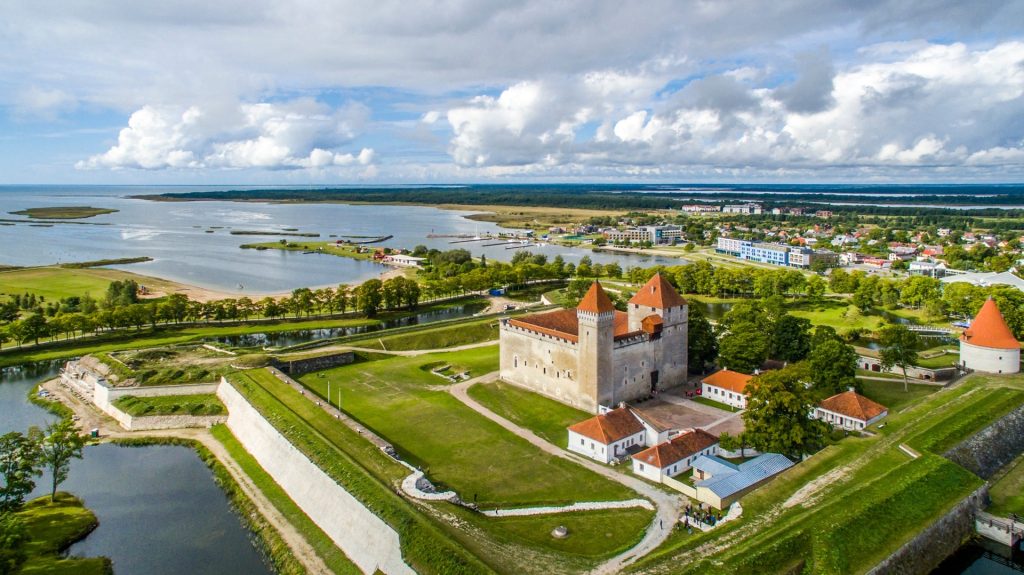
 Kuressaare is located on the southern part of Estonia’s largest island, Saaremaa, on the shores of the Gulf of Riga. The first mention of the town dates back to 1381, when a clergy castle stood on the site of today’s town.
Kuressaare Attractions
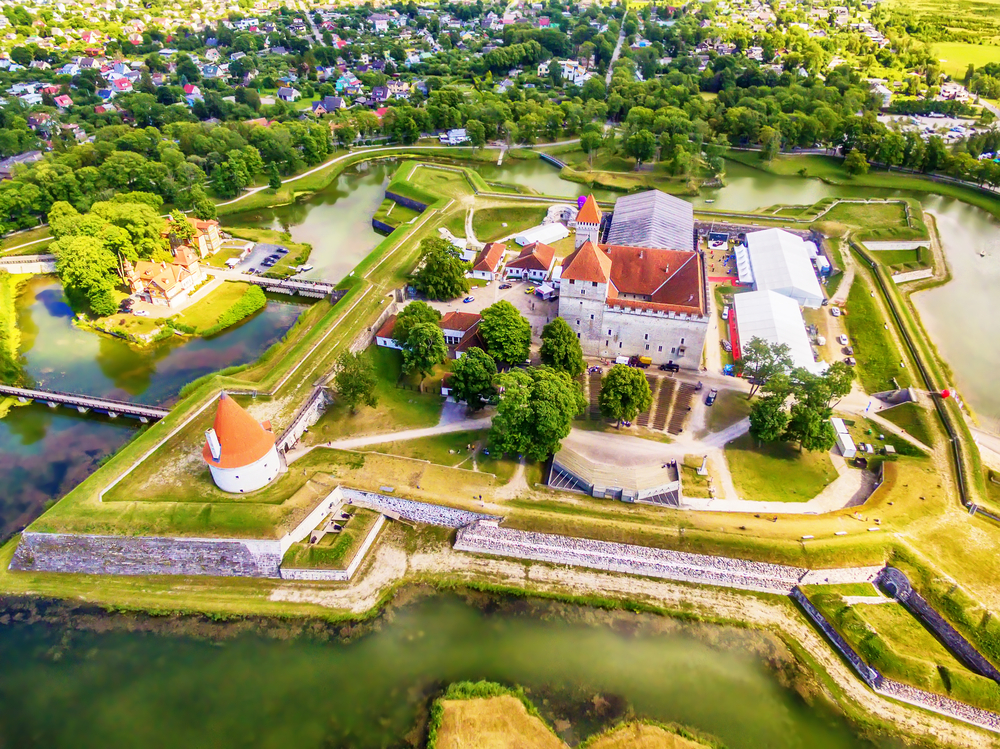
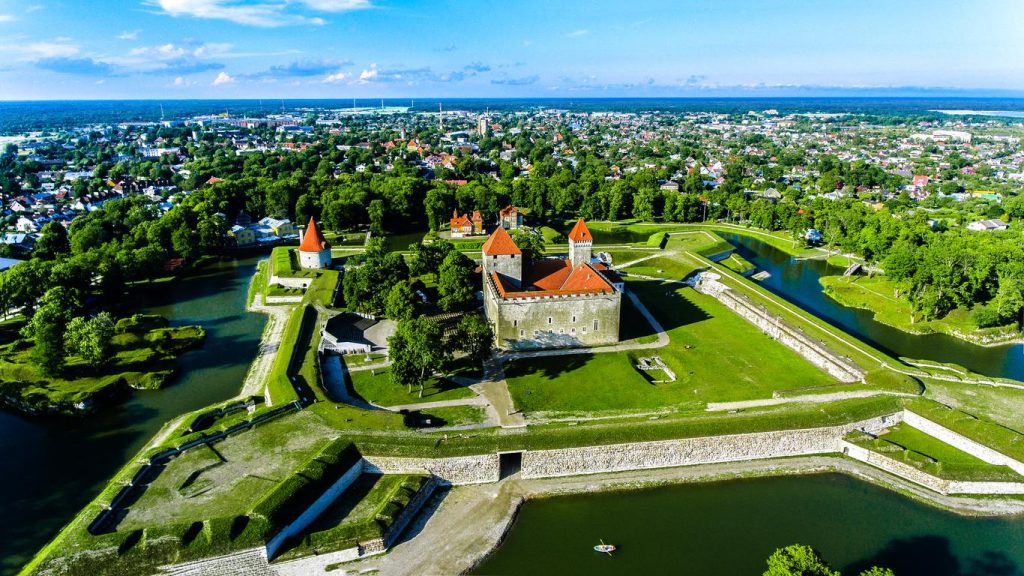
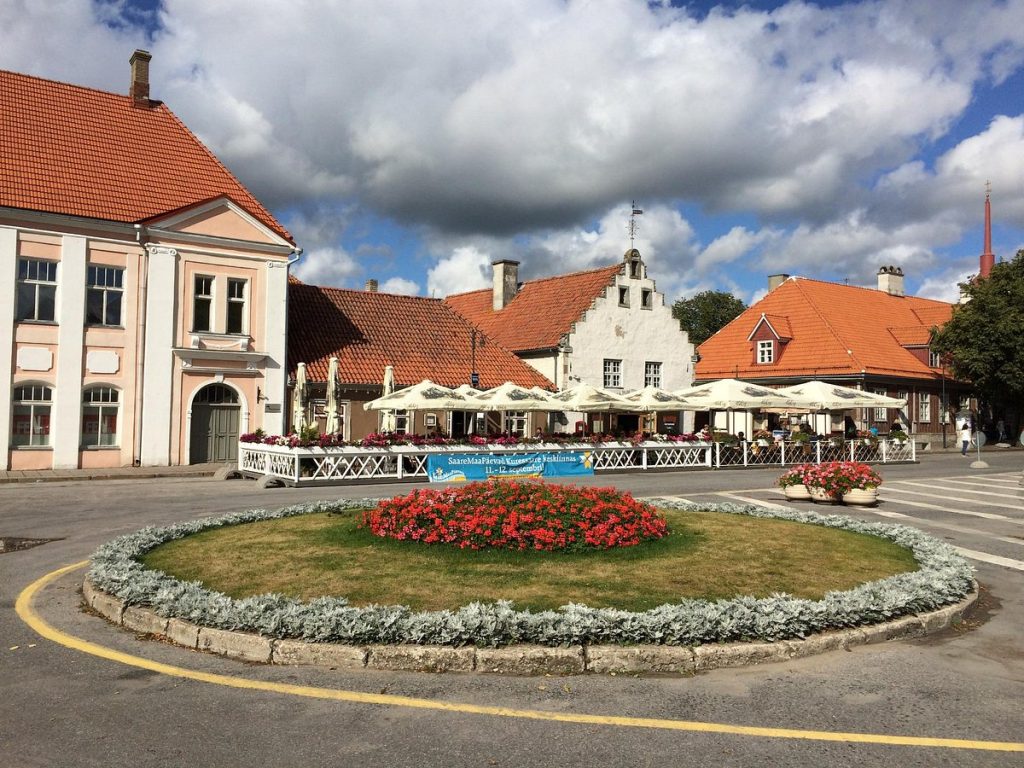
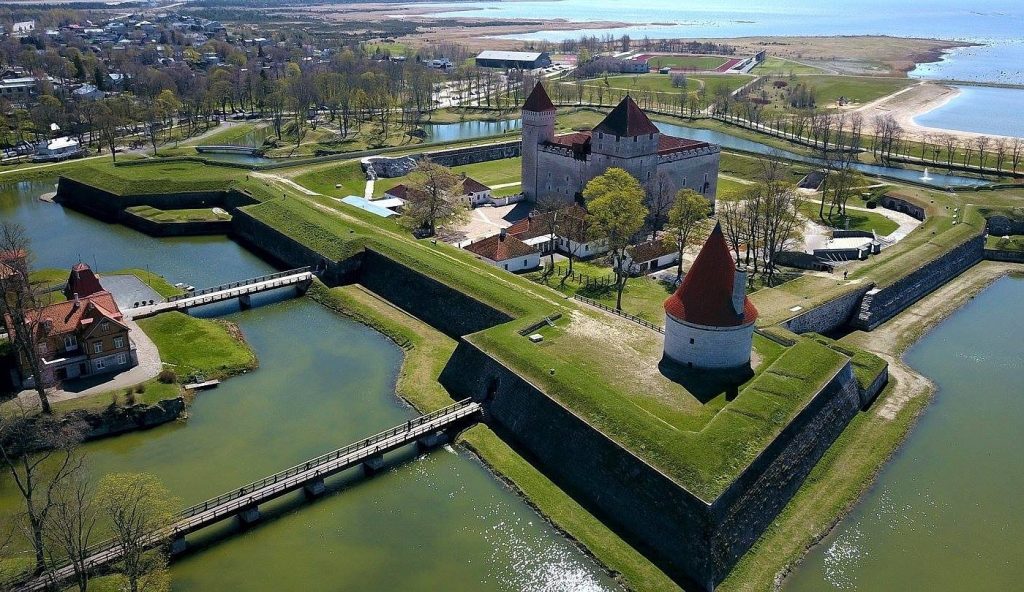
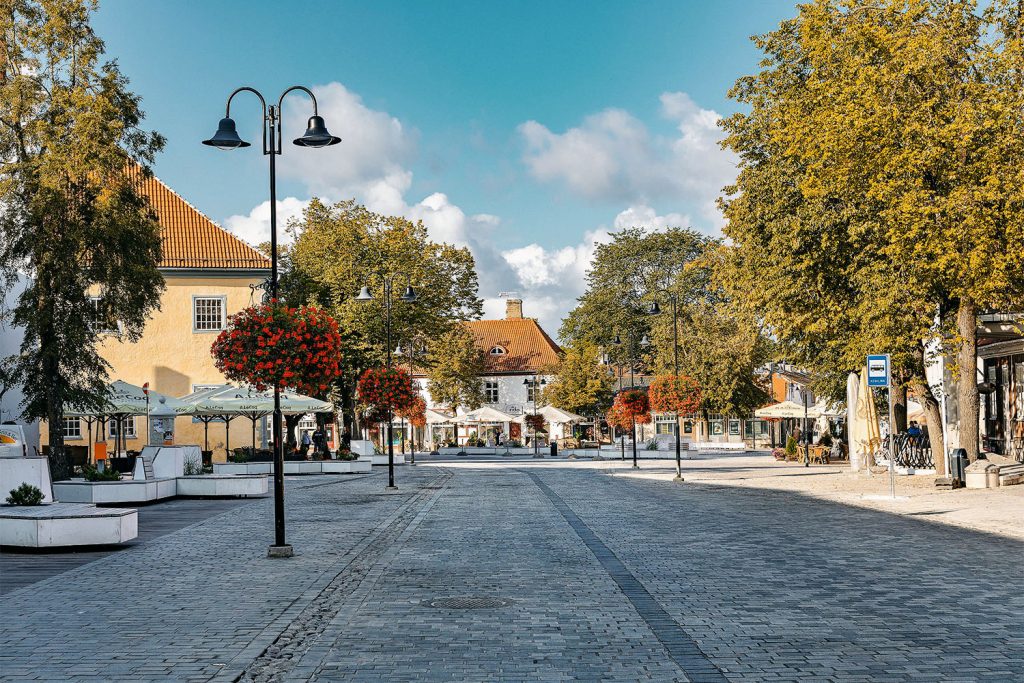
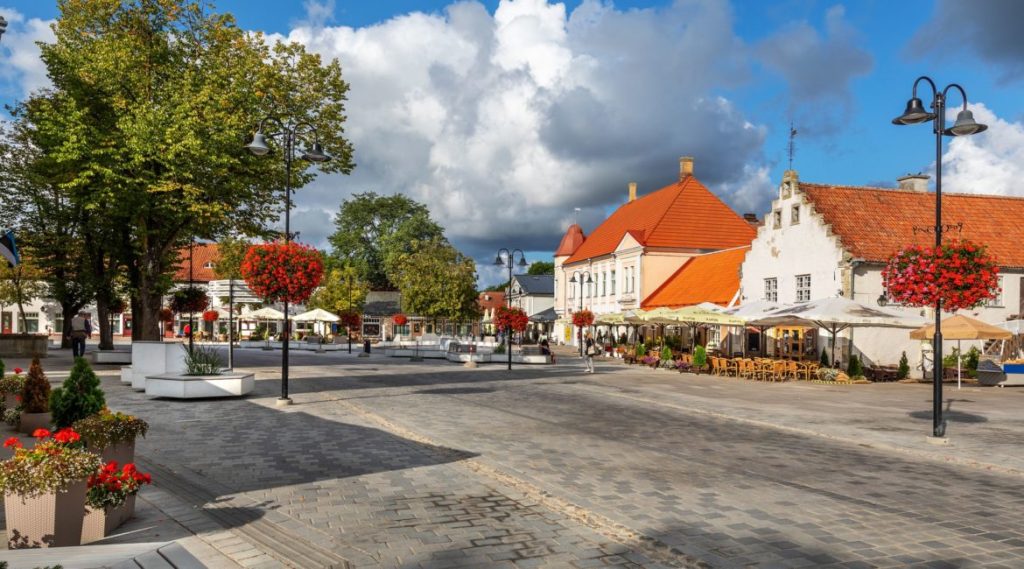
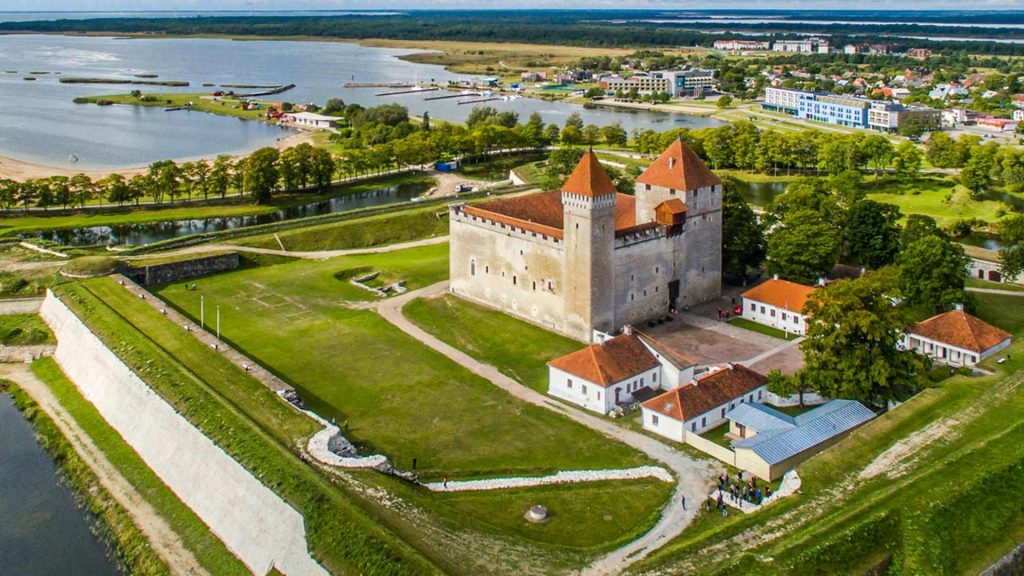
The Old Town boasts two remarkable structures: the Town Hall, built in 1670, and the Bishop’s Castle, considered the only fully preserved castle-fortress in the Baltics. Near the Town Hall stands the tower of the former fire station, built in 1911, which is now used as a restaurant.
The first castle on Kuressaare Island was built in the second half of the 13th century but has not survived to this day. Construction of a new castle began in the 1330s, which became the residence of the Bishop of Saaremaa in the mid-14th century, replacing Haapsalu.
Today, the castle houses the Saaremaa Museum’s collection, and the café located in one of the towers offers magnificent views of the city. In the summer, the park surrounding the castle hosts various events, such as concerts and festivals, as well as craft workshops.
The Johannes Aaviku House Museum is a branch of the Saaremaa Museum. It is dedicated to the life and work of Johannes Aaviku, an Estonian linguist and local cultural figure, and his brother, Joosep Aaviku.
Another landmark of the city is the Church of St. Lawrence, built in the Classical style in the 17th century. It is home to the city’s only organ. Particularly noteworthy in the church’s interior are the pulpit and altar, crafted from dolomite, as well as the baptismal stone, which dates back to the Middle Ages.