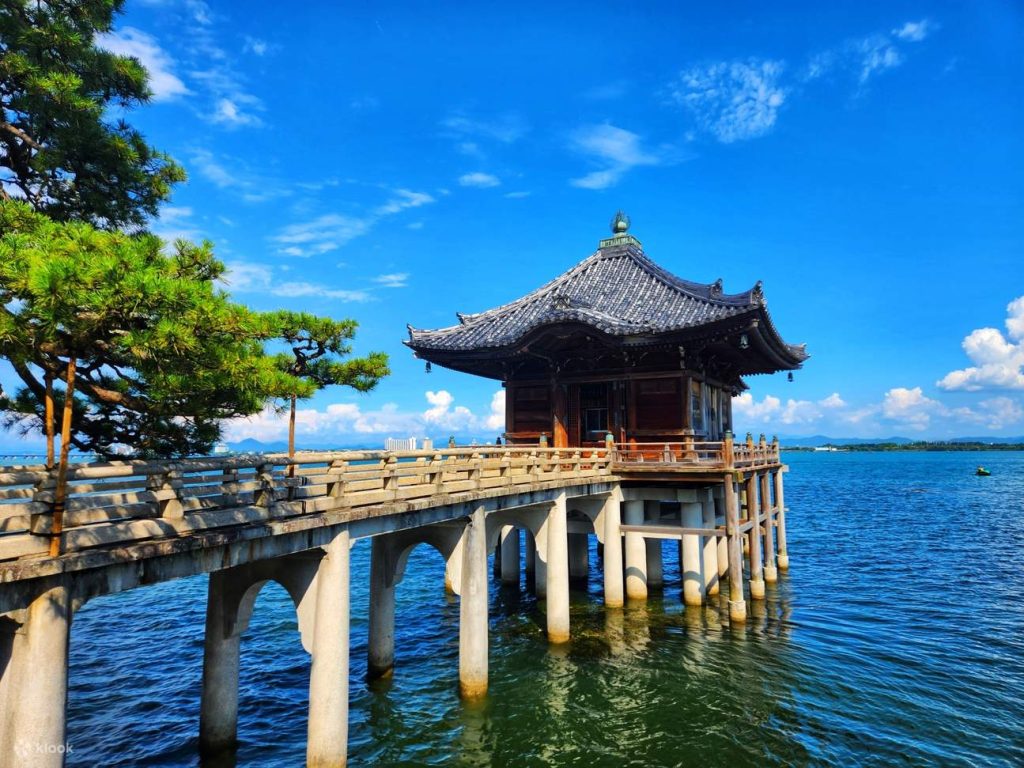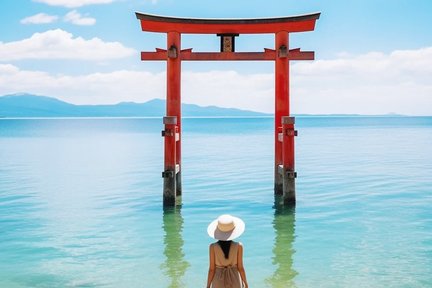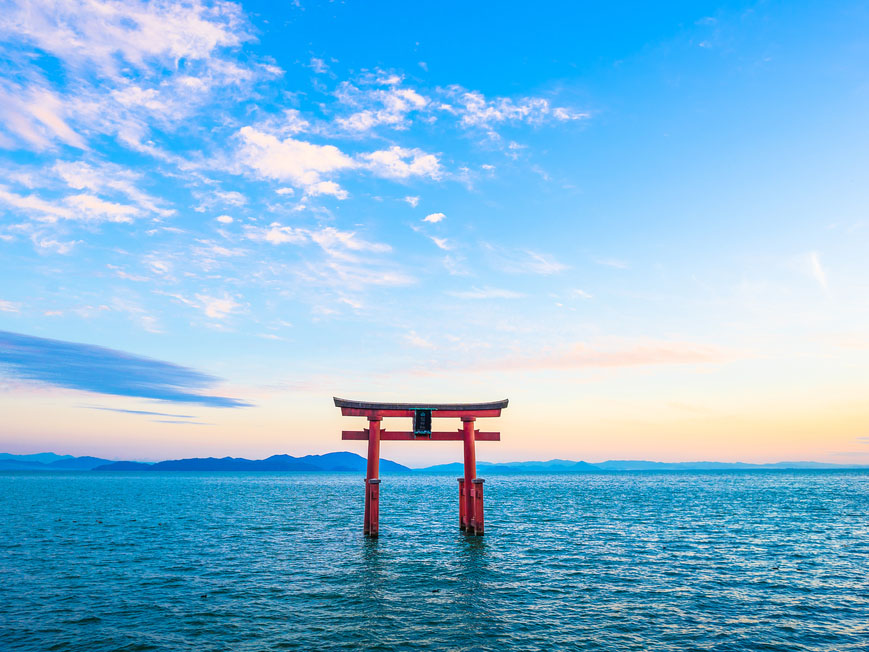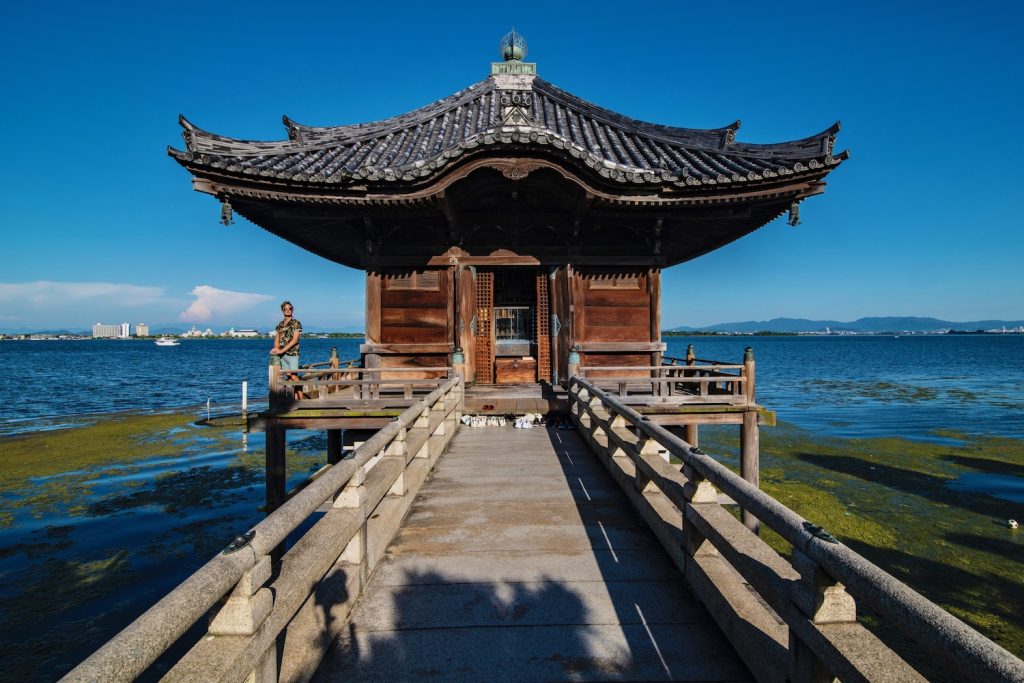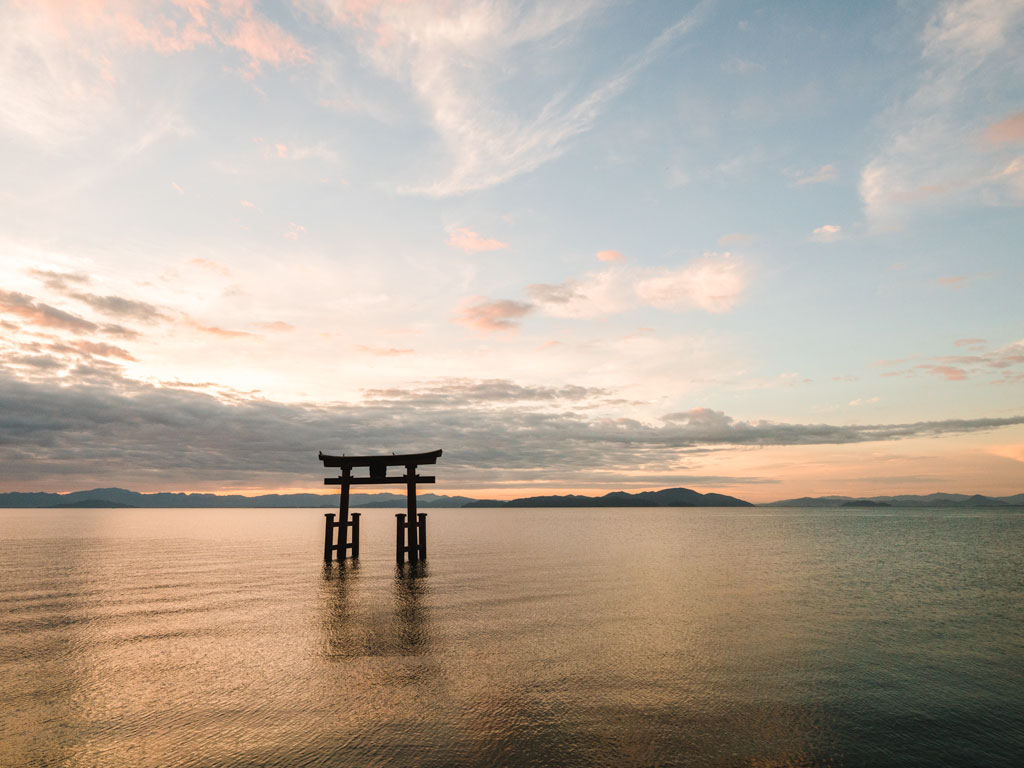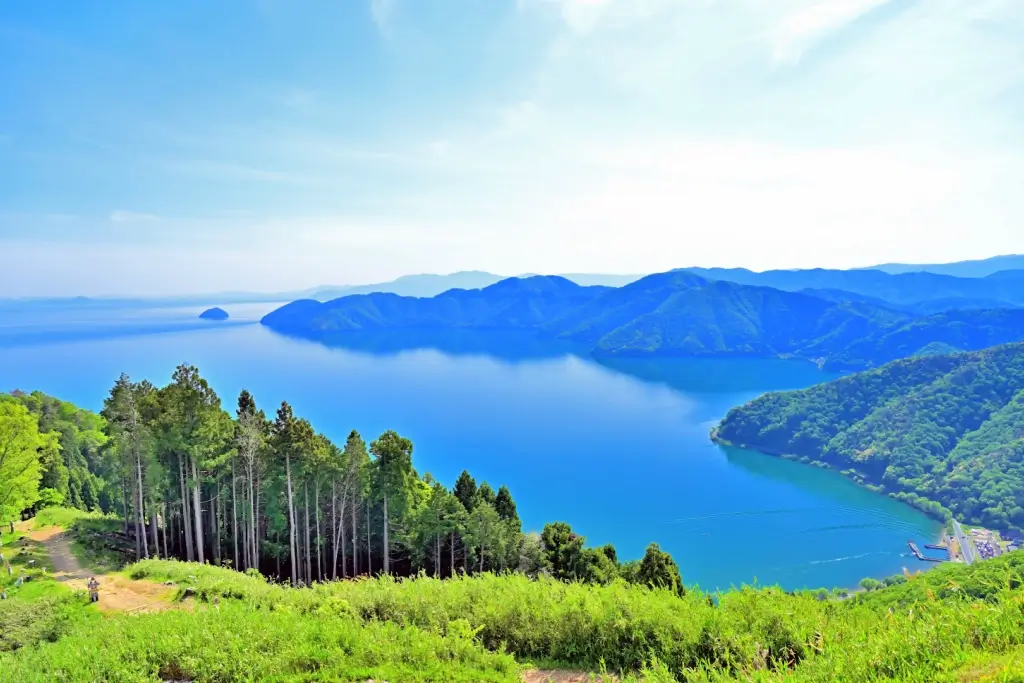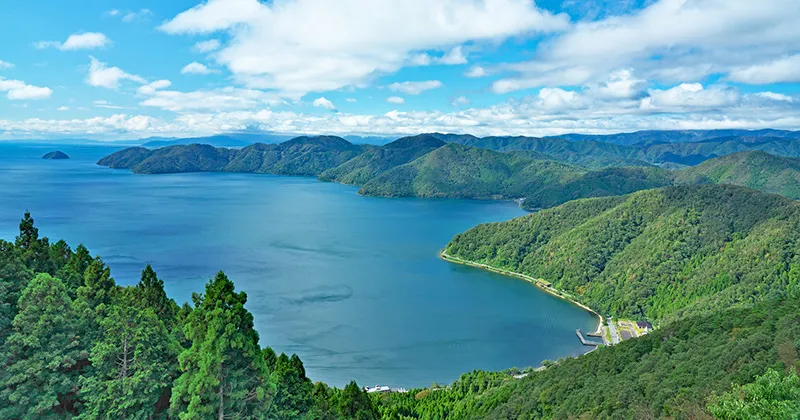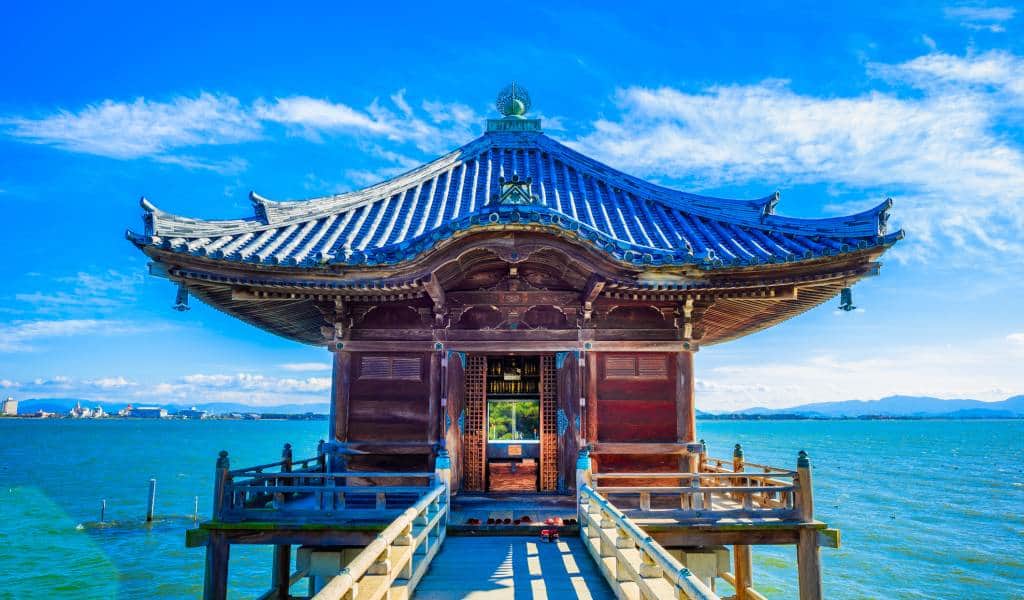
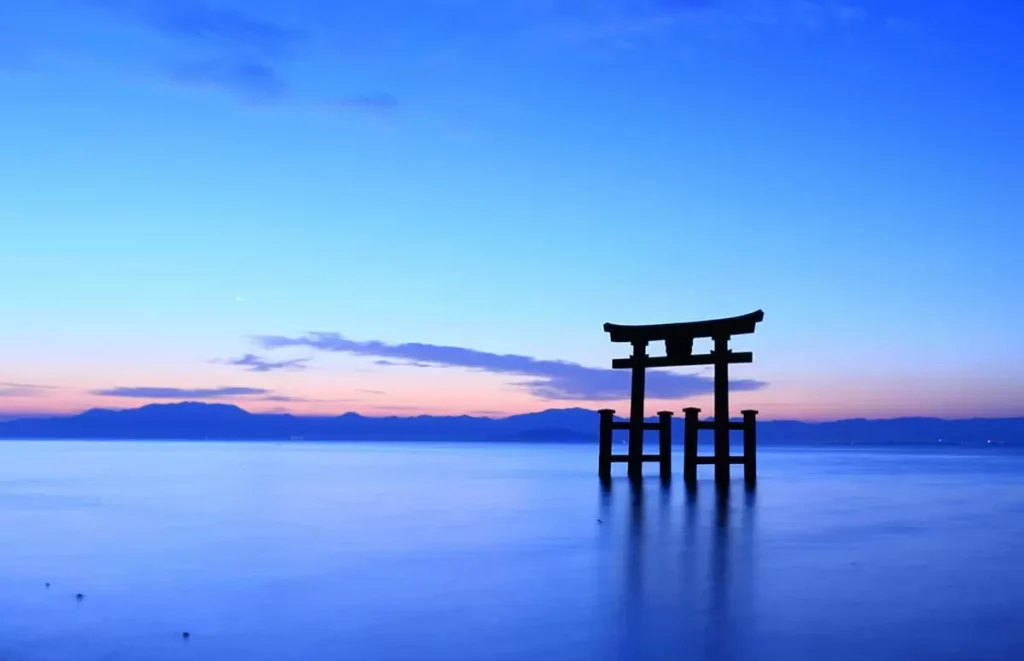
 Biwa is a lake in Japan located on Honshu Island, the largest island in the Japanese archipelago. The lake is located in the central part of the island, in Shiga Province. Its shape resembles a giant biwa (a pear-shaped Japanese acoustic musical instrument). It is likely from this instrument that the lake received its name.
Biwa has an area of 670 square kilometers and is fed by rivers flowing down from the surrounding mountains. In spring, melting snow and autumn typhoons can raise the water level to over three meters, greatly increasing the lake’s surface area. In summer, the island receives little rainfall, and the water level recedes, thereby reducing its surface area. Regular replenishment of the lake is crucial, as the cities of Kyoto and Otsu rely on it for their water supply, for which they have constructed a special canal.
Three other cities are located around Biwa: Hikone, Nagahama, and Sakamoto. Despite its relatively high population density, developed infrastructure, and popularity among both Japanese and tourists, its shores, particularly in the west and north, still retain wilderness areas overgrown with pristine vegetation. In these parts of Biwa, the reed-covered marshes are designated as Wetlands of International Importance under the UNESCO Ramsar Convention. Birdwatching and a rich wildlife of approximately 1,100 species are possible here.
The lake’s protected status mimics civilization in a surprisingly harmonious way: fireworks displays are held here, and the paddle steamer Belle Louisville, along with other excursion boats and ferries, navigate the lake. Hiking trails wind through the nearby Hira-san Mountains, and boat and bicycle rentals are available. Interesting Facts
Honshu was formerly known as Nippon, from which the country’s name, “Japan,” is derived.
The shores of Lake Biwa are abundantly soaked with the blood of samurai who lost their lives in countless bloody battles: after victory, prisoners were beheaded, and the losers committed mass seppuku.
Biwa is a major source of freshwater pearls.