Lapland is a harsh yet magical land, stretching across both sides of the Arctic Circle. Winter temperatures can drop to -50°C, yet this doesn’t stop thousands of tourists from coming here to celebrate Christmas and New Year’s in the true birthplace of Santa Claus.
Entertainment and Attractions
With its varied terrain, well-developed infrastructure, and numerous cultural attractions, Lapland has become a versatile winter resort offering something for everyone. It will appeal to both sightseeing enthusiasts and active holiday enthusiasts, as well as families with children. Lapland’s main attractions remain alpine skiing and family vacations. Sports enthusiasts are drawn to the well-equipped slopes, while young travelers especially enjoy the Santa Claus Village and the many holiday activities.
However, those who prefer sightseeing will also find plenty to enjoy. Those interested in learning more about Sámi culture should visit the town of Inari, home to a cultural center with craft exhibitions and other exhibits. This trip can be complemented with a tour of the unique Gold Museum, located in the village of Tankavaara, near an old mine dating back to the Lapland Gold Rush of the late 19th and early 20th centuries. Here, anyone can experience the life of a gold miner and try to find gold nuggets.
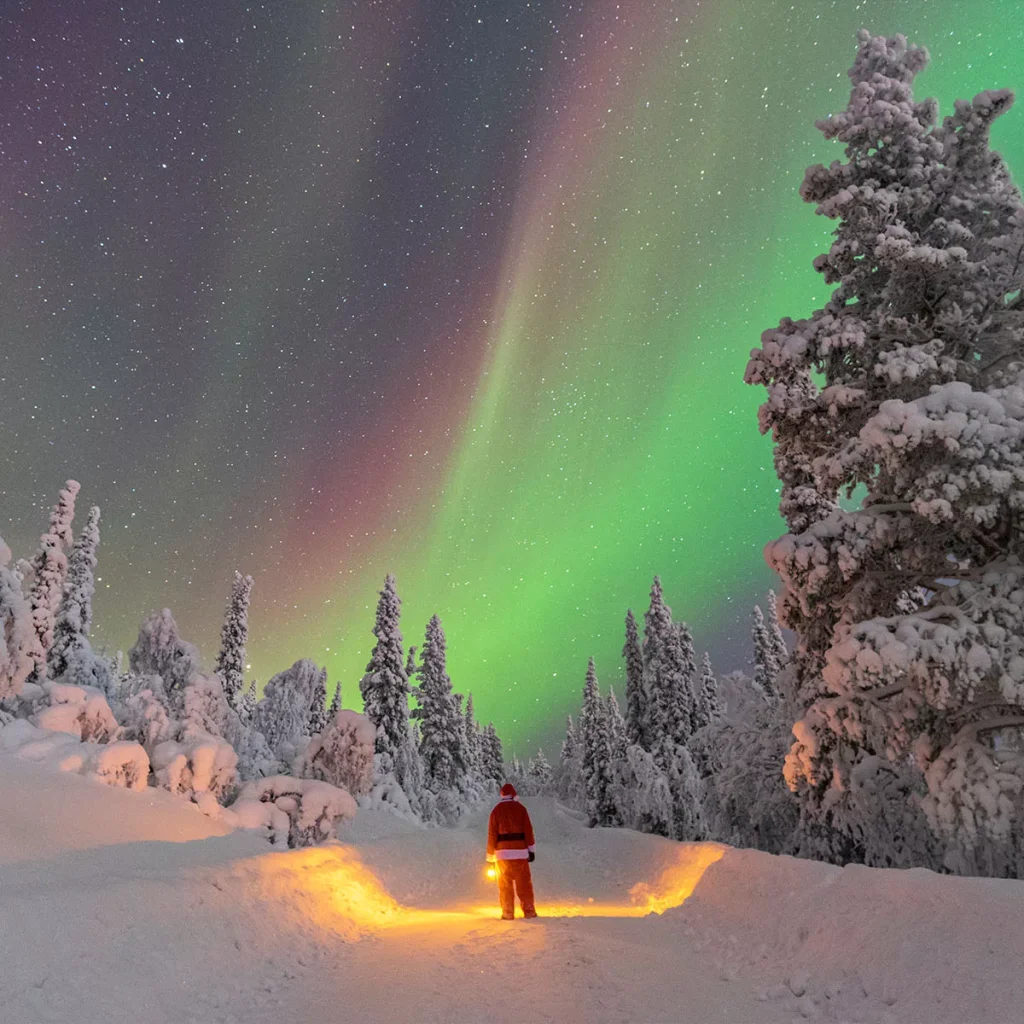
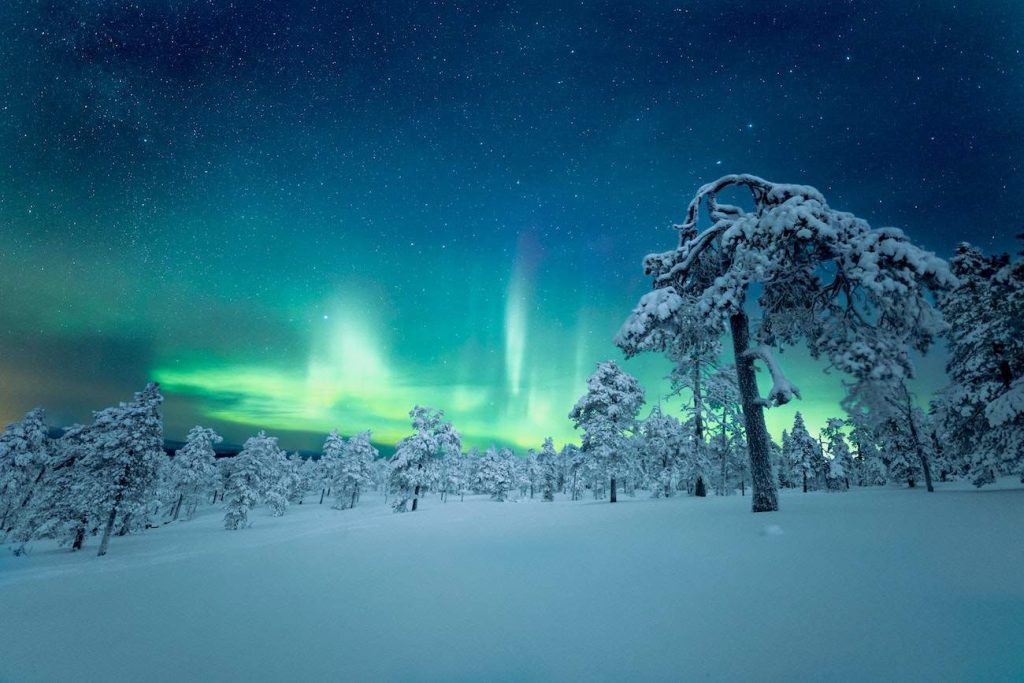
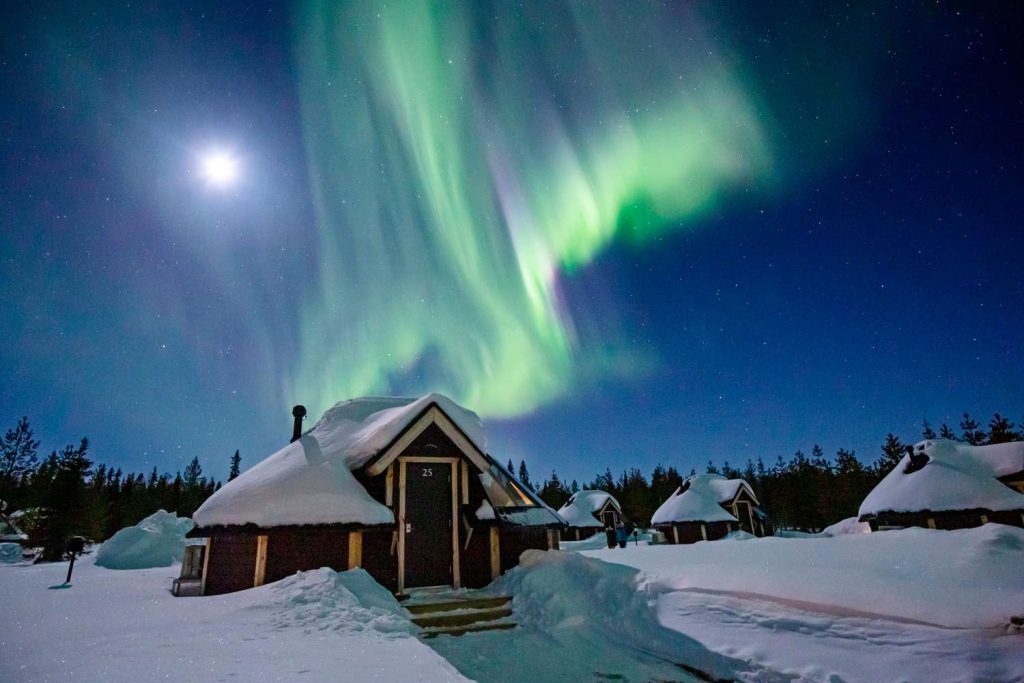
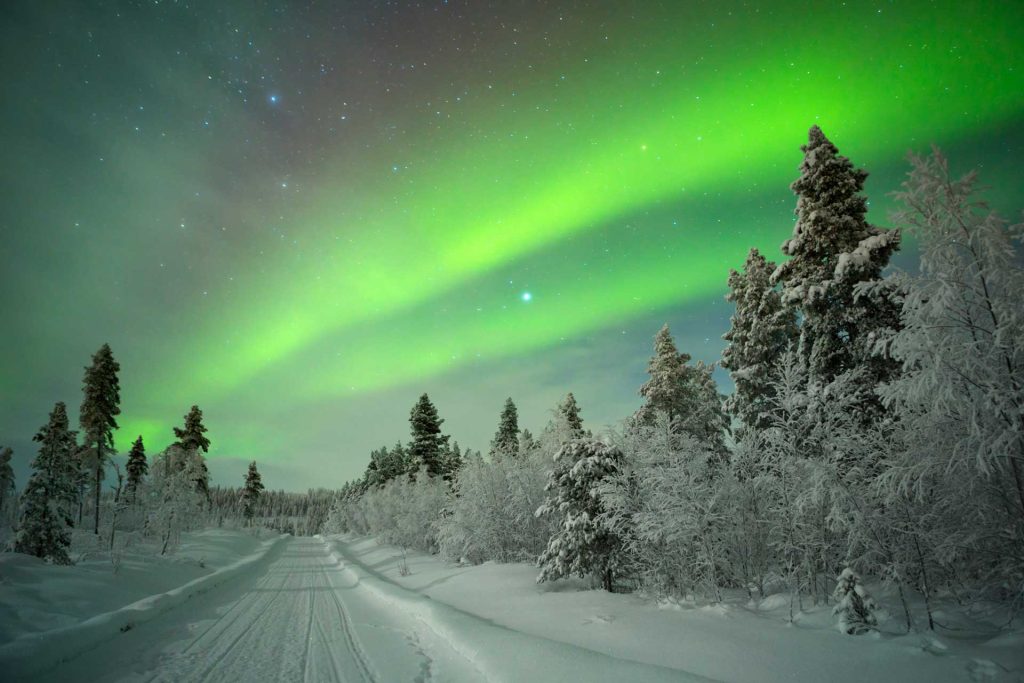
To enjoy the Northern Lights, it’s best to plan a trip from September to March. Clear, frosty nights offer the best viewing conditions.
The main information and museum center of Lapland is located in Rovaniemi, in the Arktikum complex. It houses a wealth of exhibits, documents, and photographs dedicated to the history of Lapland and its indigenous people. Two permanent exhibitions—”The Changing Arctic” and “Northern Industries”—tell us about life in the region. Lapland is also famous for its seven national parks. These areas, opened in 1956, have preserved their natural beauty in its pristine state. Pallas-Yllästunturi and Pyhä-Luosto Parks were established on the foundations of older nature reserves dating back to the early 20th century. Most of the parks are located above the Arctic Circle.