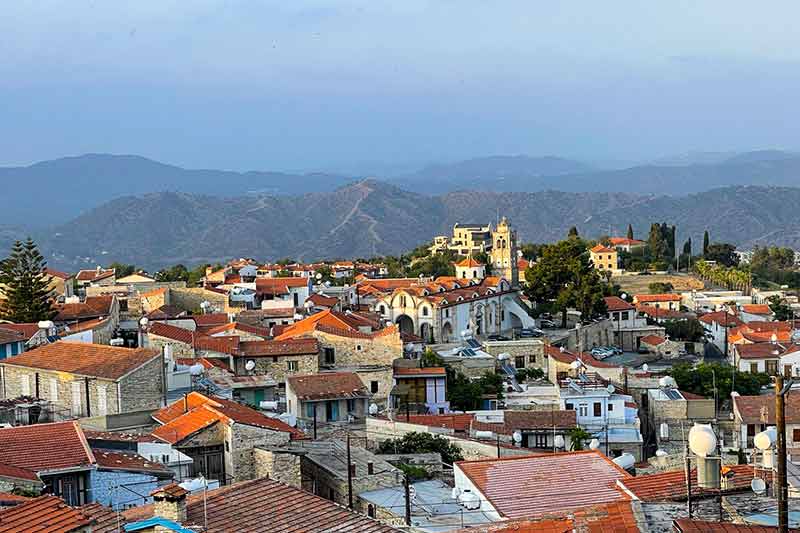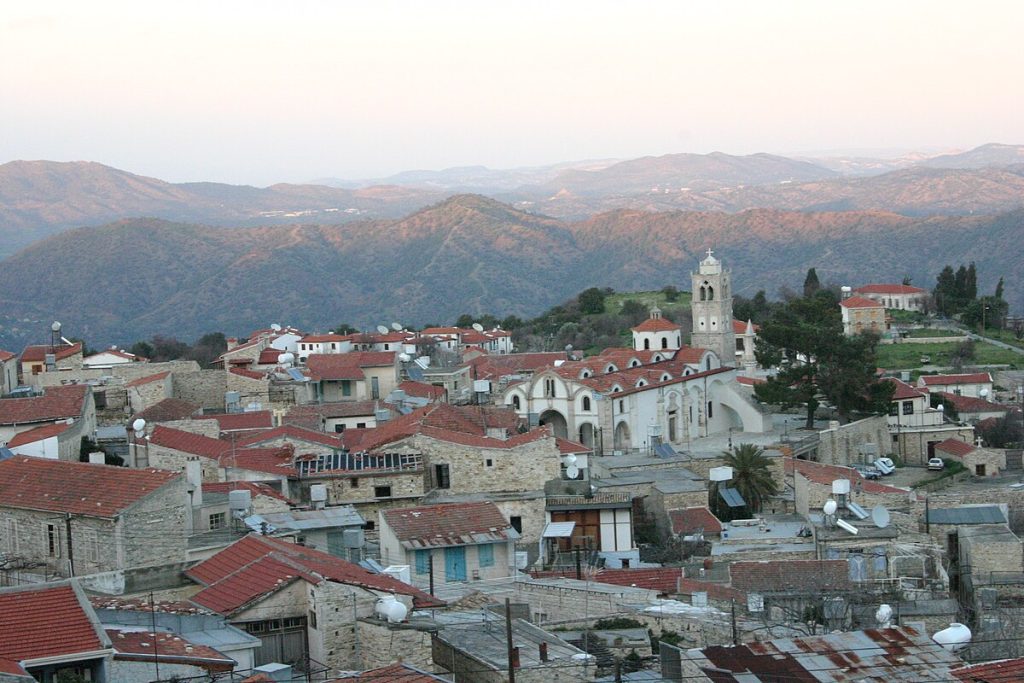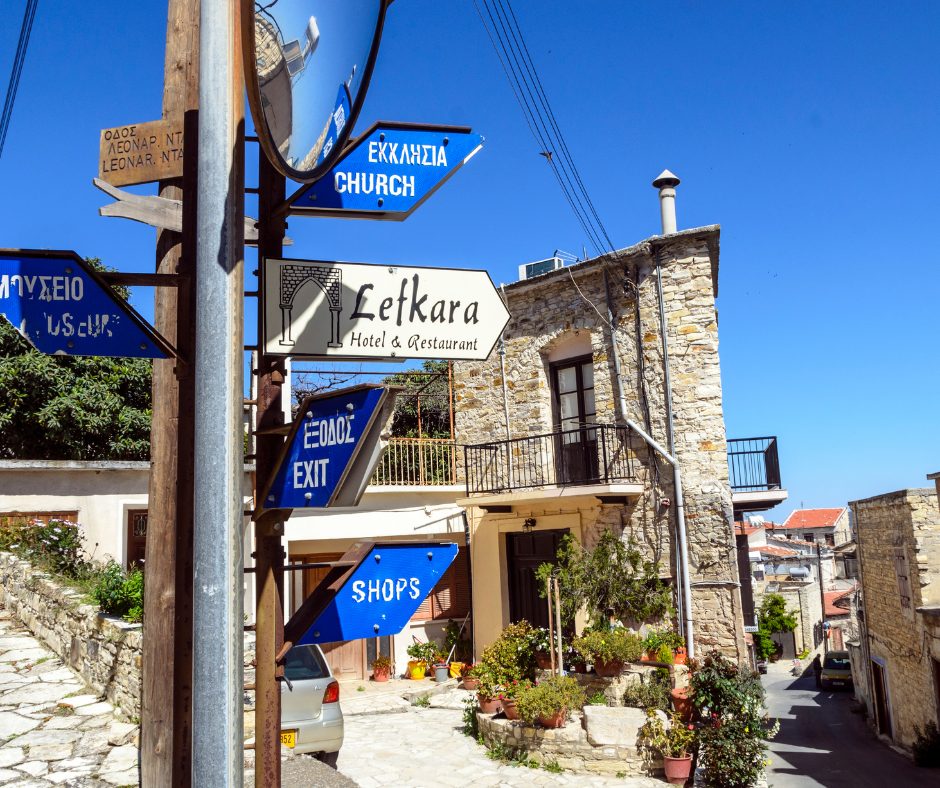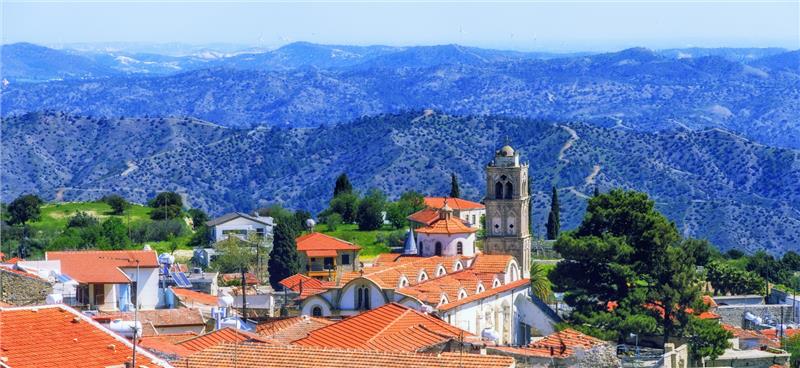
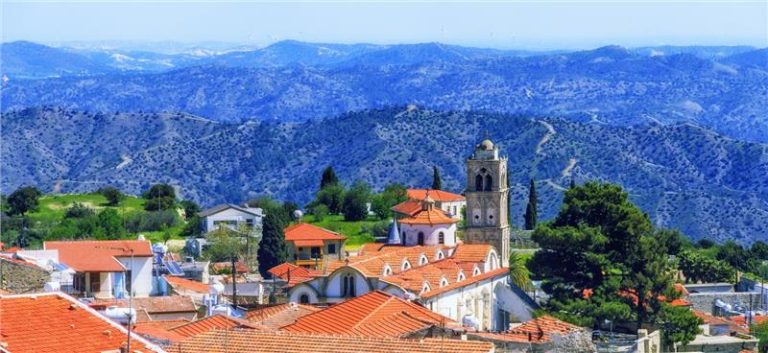
 The village of Lefkara is located near Larnaca in the foothills of the Troodos Mountains.
What is Lefkara famous for?
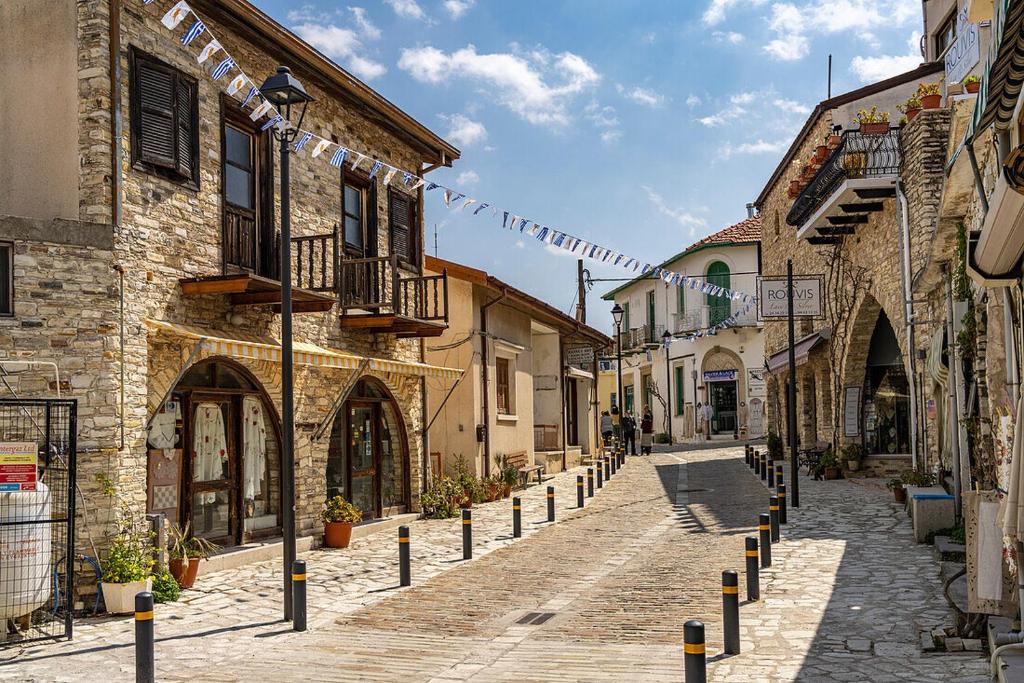
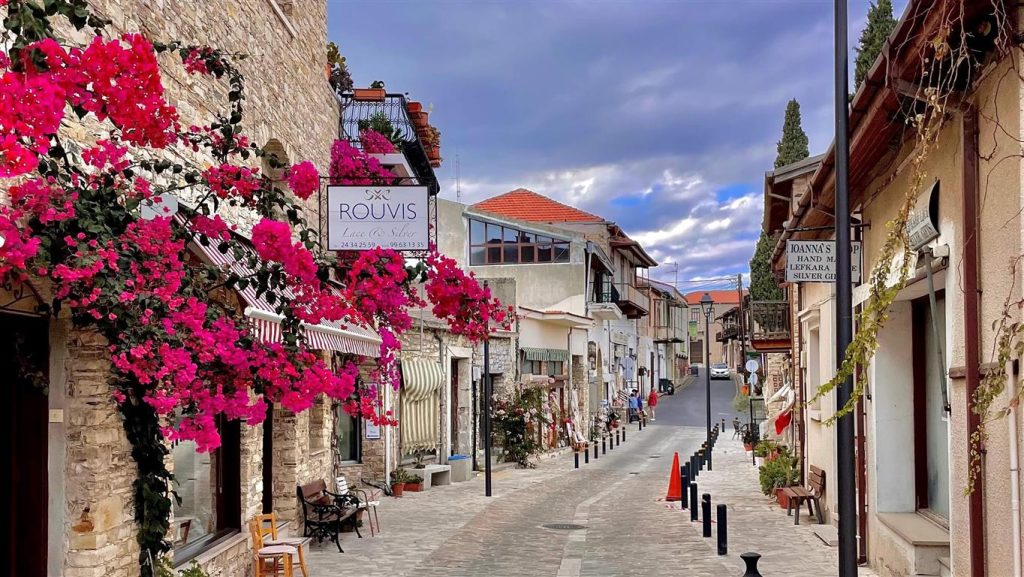
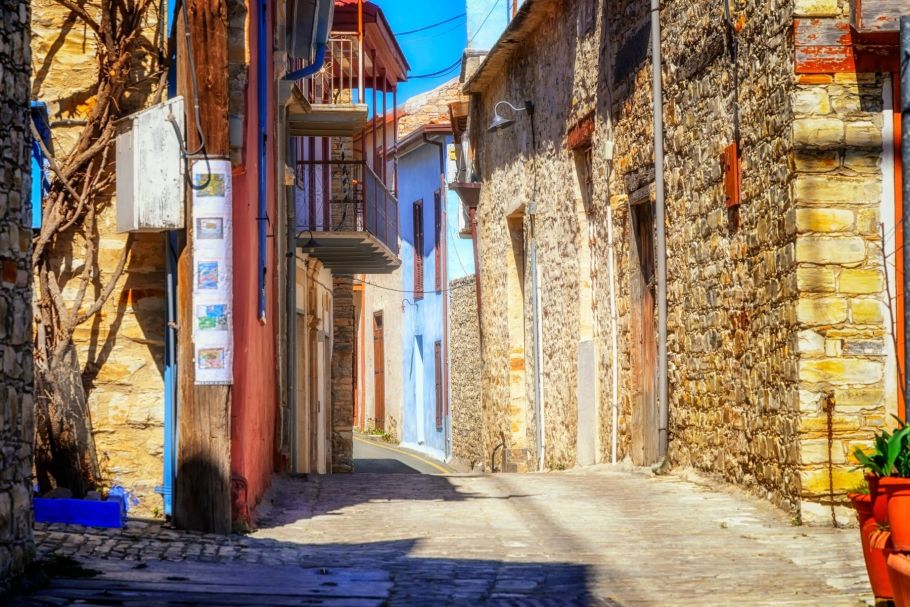
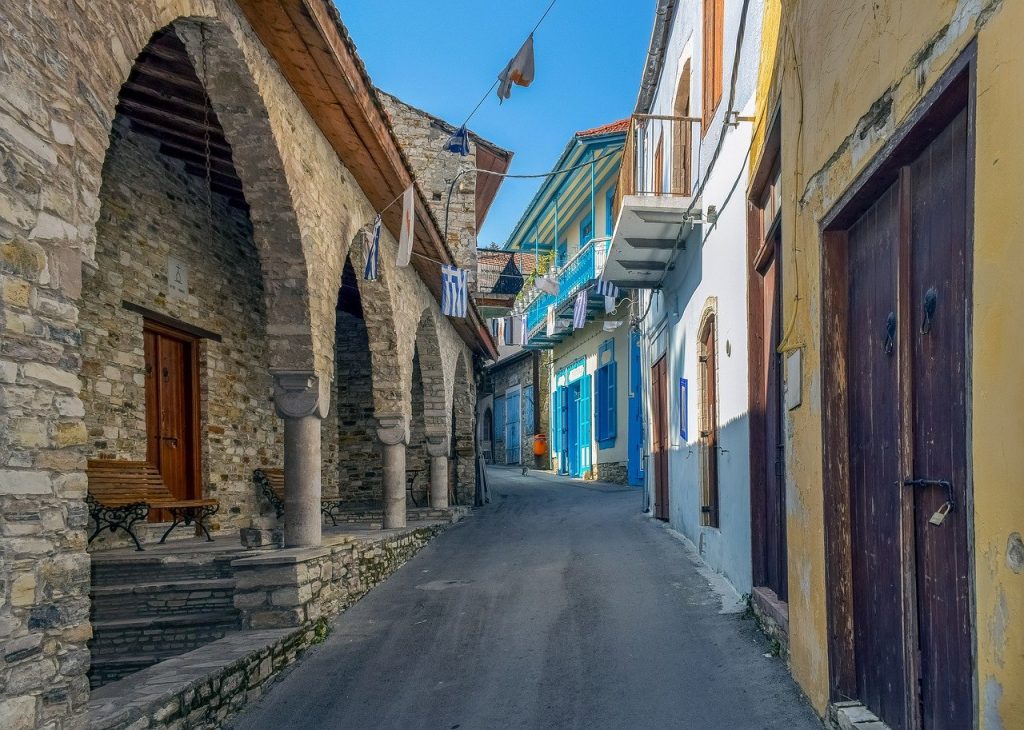
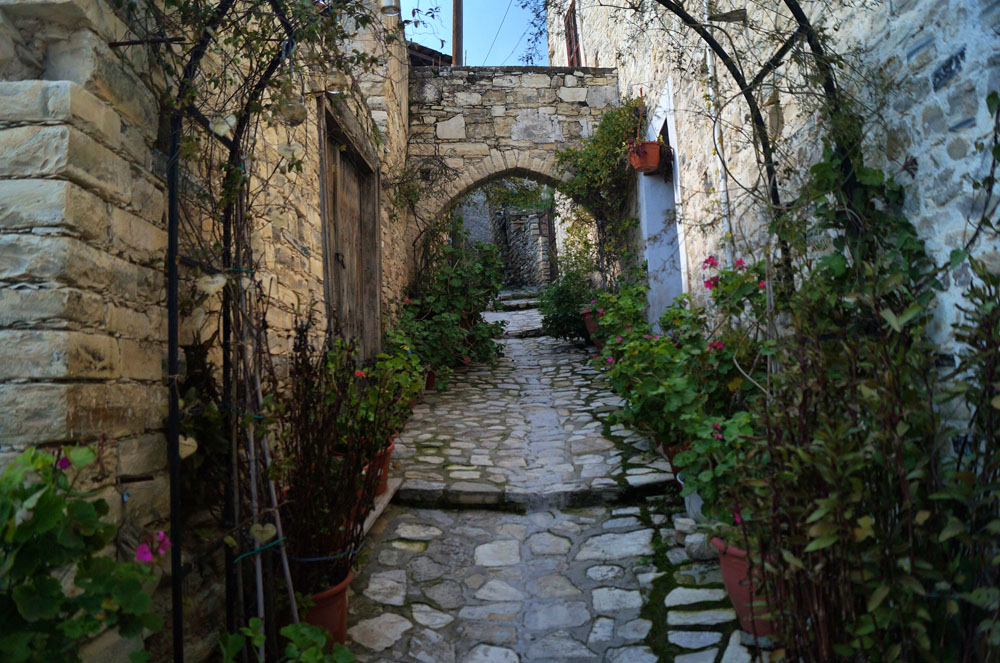
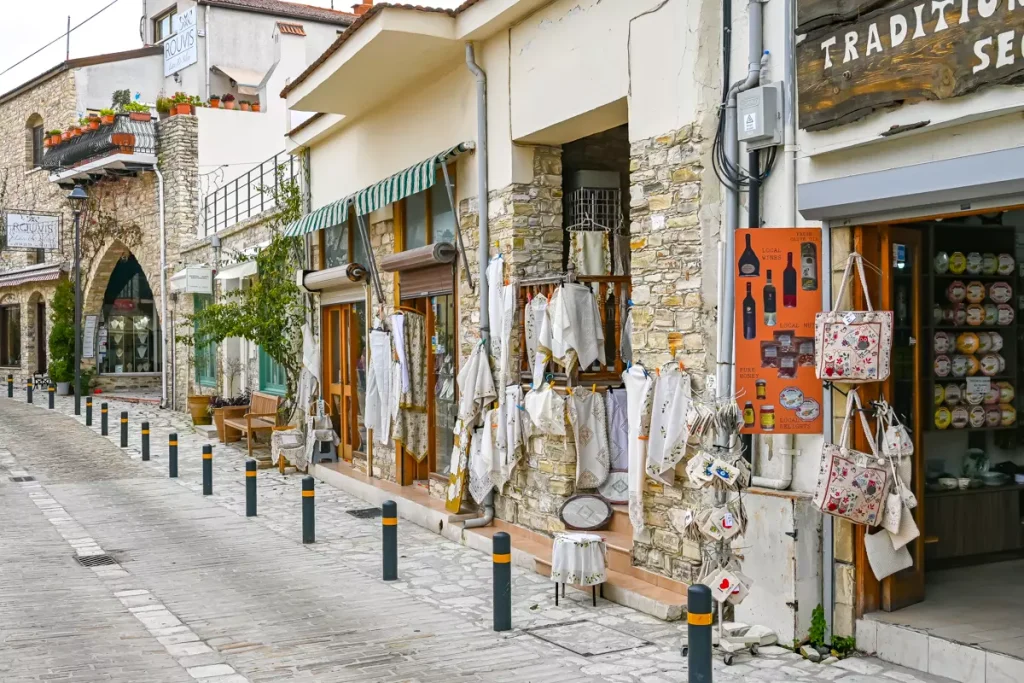
Lefkara is known for its lefkaritiko handicrafts and silversmithing. Besides lace and silversmithing, the village boasts narrow stone streets, cozy taverns, viewpoints, ancient churches, and beautiful Cypriot architecture.
The village is divided into Upper Lefkara (Pano Lefkara) and Lower Lefkara (Kato Lefkara), with Upper Lefkara being the most beautiful.
Lefkara Attractions
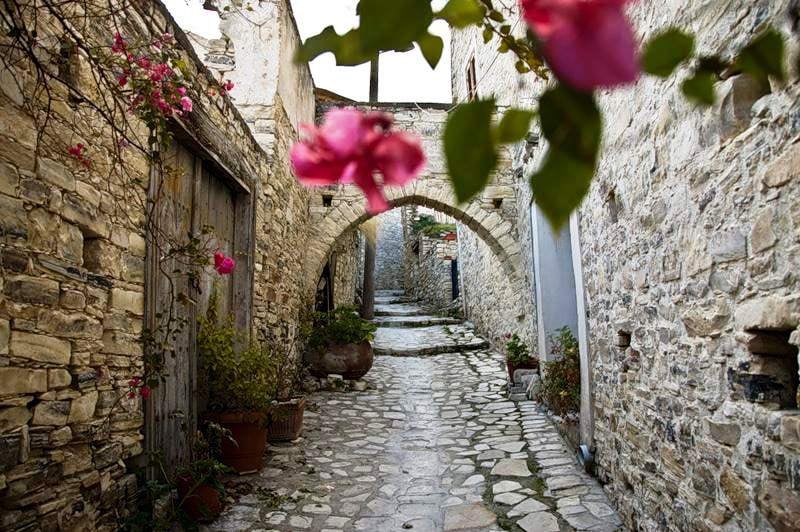
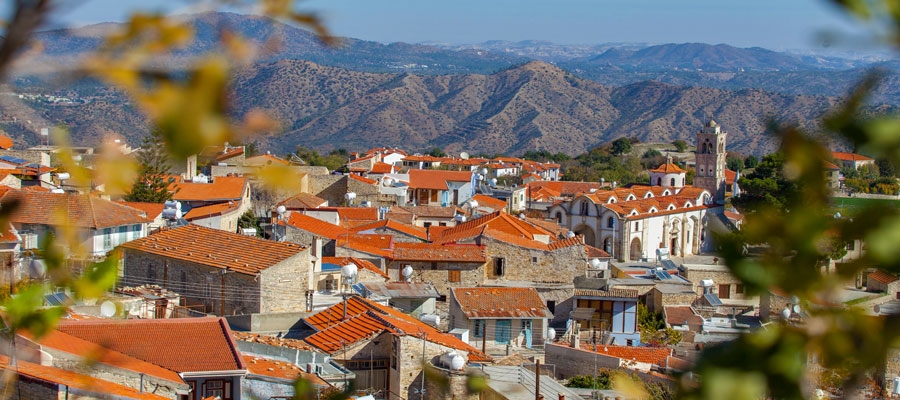
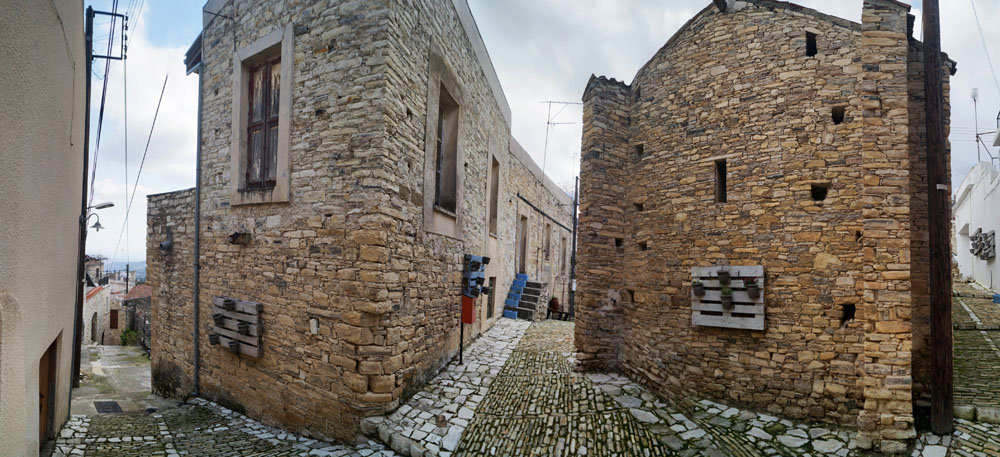
The stone alleys are the main attraction of Lefkara. The houses are built of white limestone, with horizontal layers of limestone alternating with stone, and the walls are harmoniously complemented by terracotta roofs. The Church of the Holy Cross is a church in the center of Lefkara, offering a beautiful view of the valley.
The art of “lefkaritiko”—the fame of local lace has spread far beyond Cyprus. “Lefkaritiko” lace products include napkins, tablecloths, and the like. A good quality handmade lace item can cost 60-120 euros.
Pigi—natural springs with year-round water; in such places, houses are built around the spring.
Kourvellos—a 40-meter-high cone-shaped rock, somewhat reminiscent of Greek meteors.
Timiou Stavrou School—built in 1920 with donations from the Church of the Holy Cross. The cost of the school at the time was 4,000 British pounds.
Blossoming almond trees of Lefkara—from January to mid-February, the almond trees bloom, an unforgettable sight.
Dipotamoussa and Lefkara dams—4 km away. North of Lefkara, you’ll find the Lefkara Dam, and 3 km to the south, you’ll see the Dipotamoussa Dam. The Lefkara Dam is one of the largest dams in Cyprus.
The landscape around the Lefkara Dam is reminiscent of Switzerland or the Norwegian fjords.
The Old Aqueduct, or rather its ruins, is located one kilometer from the village of Upper Lefkara.