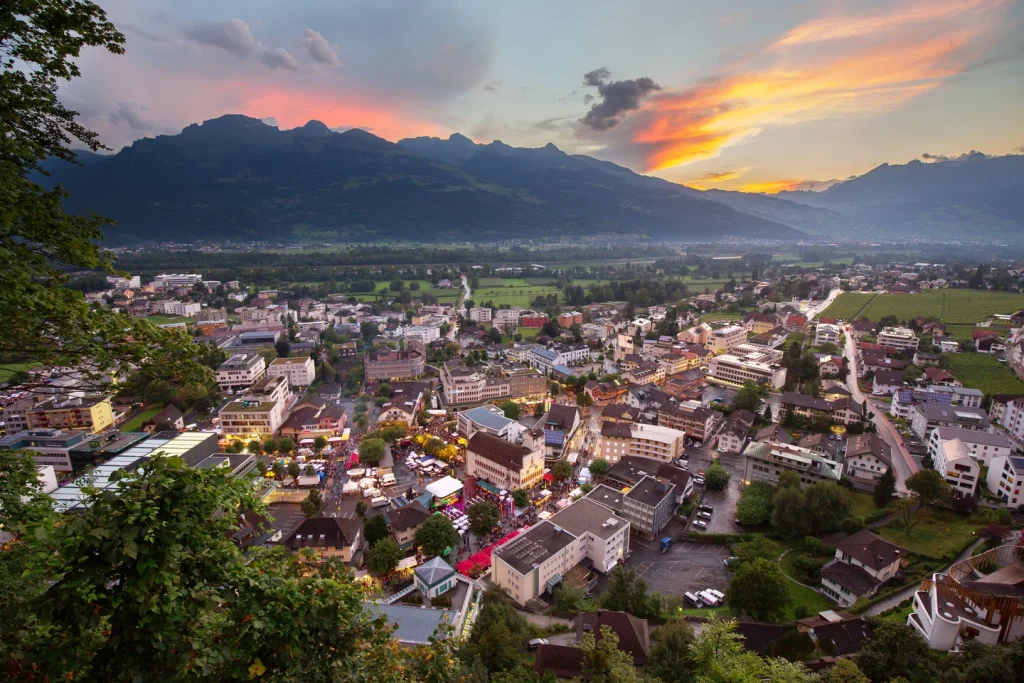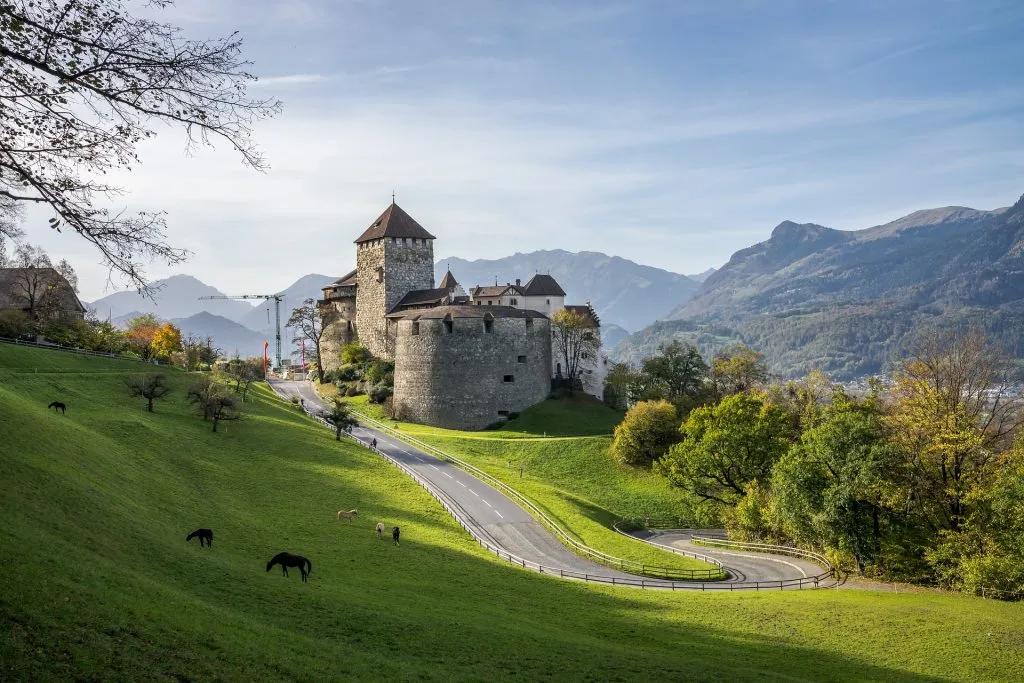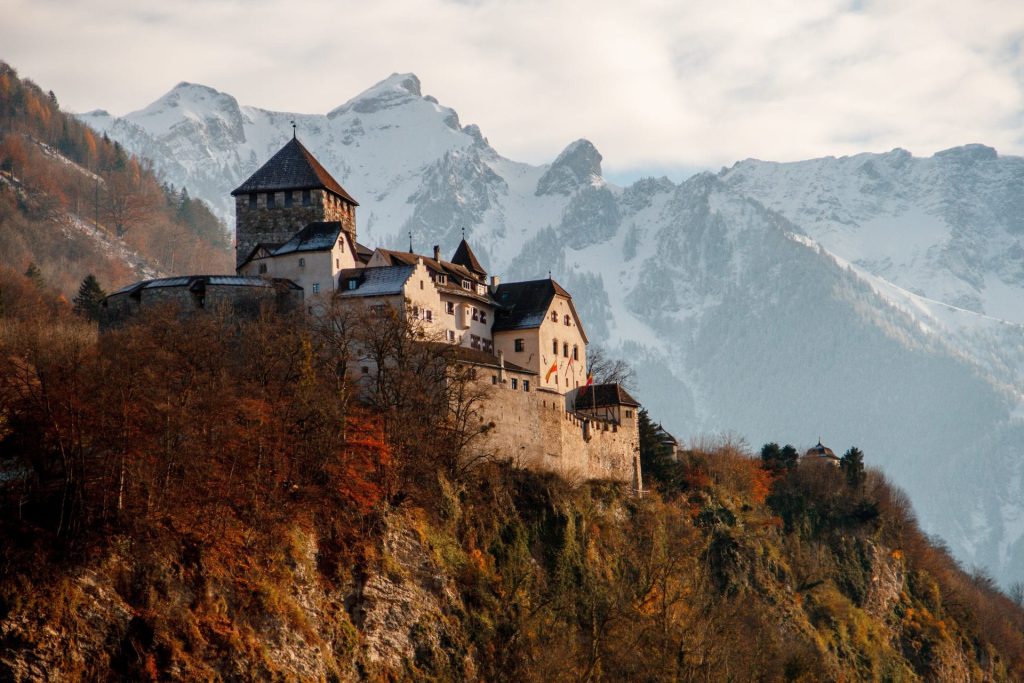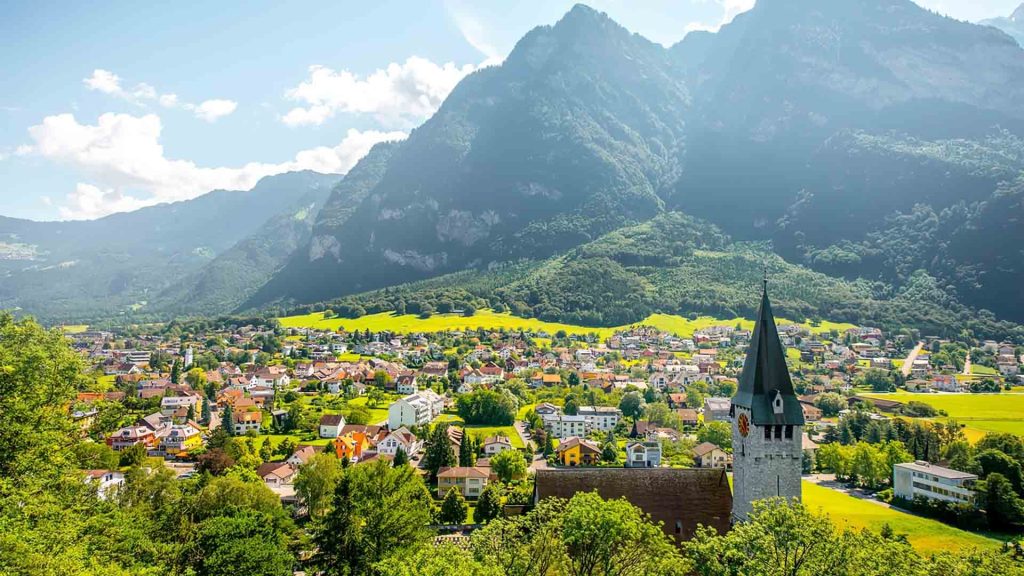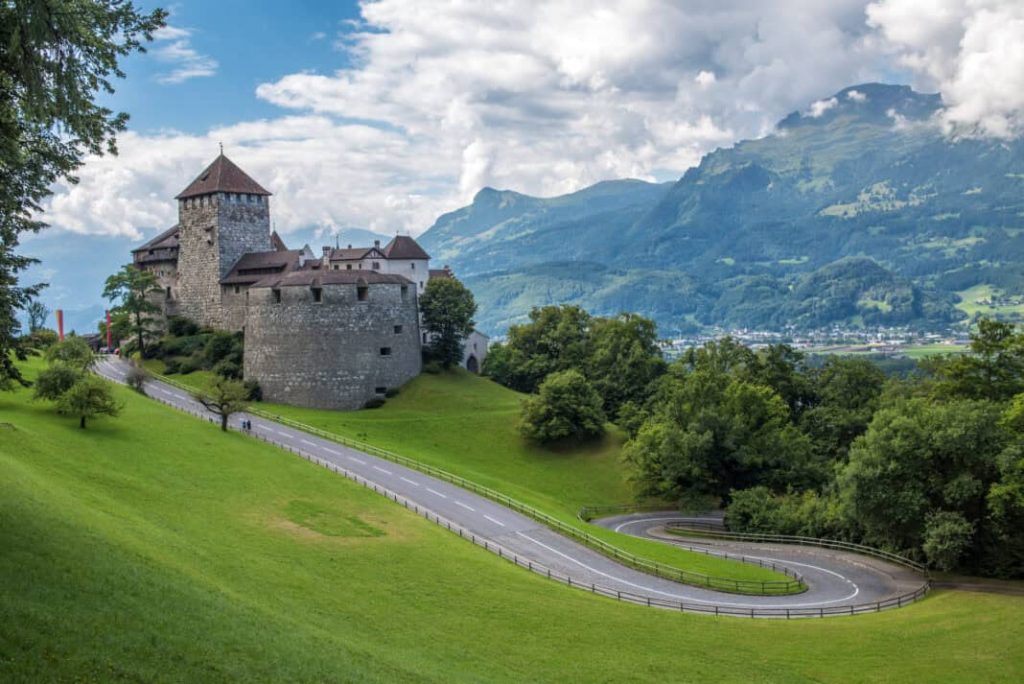
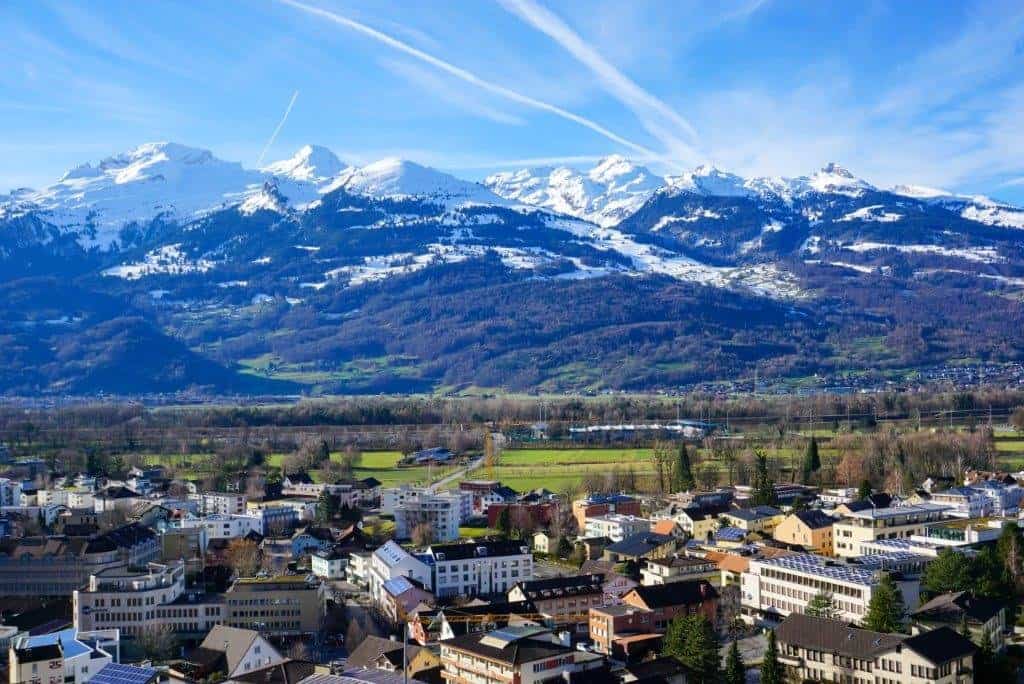
Liechtenstein, an incredibly small state nestled between Switzerland and Austria, is a true fairytale. Firstly, it still has a monarchy, and the principality itself is named after the ruling dynasty—an honorary title bestowed only on the rulers of the Hashemite Kingdom of Jordan and Saudi Arabia. Secondly, the local architecture seems straight out of a romantic medieval fairytale: castles, chapels, and other historical landmarks are everywhere.
Entertainment and Attractions
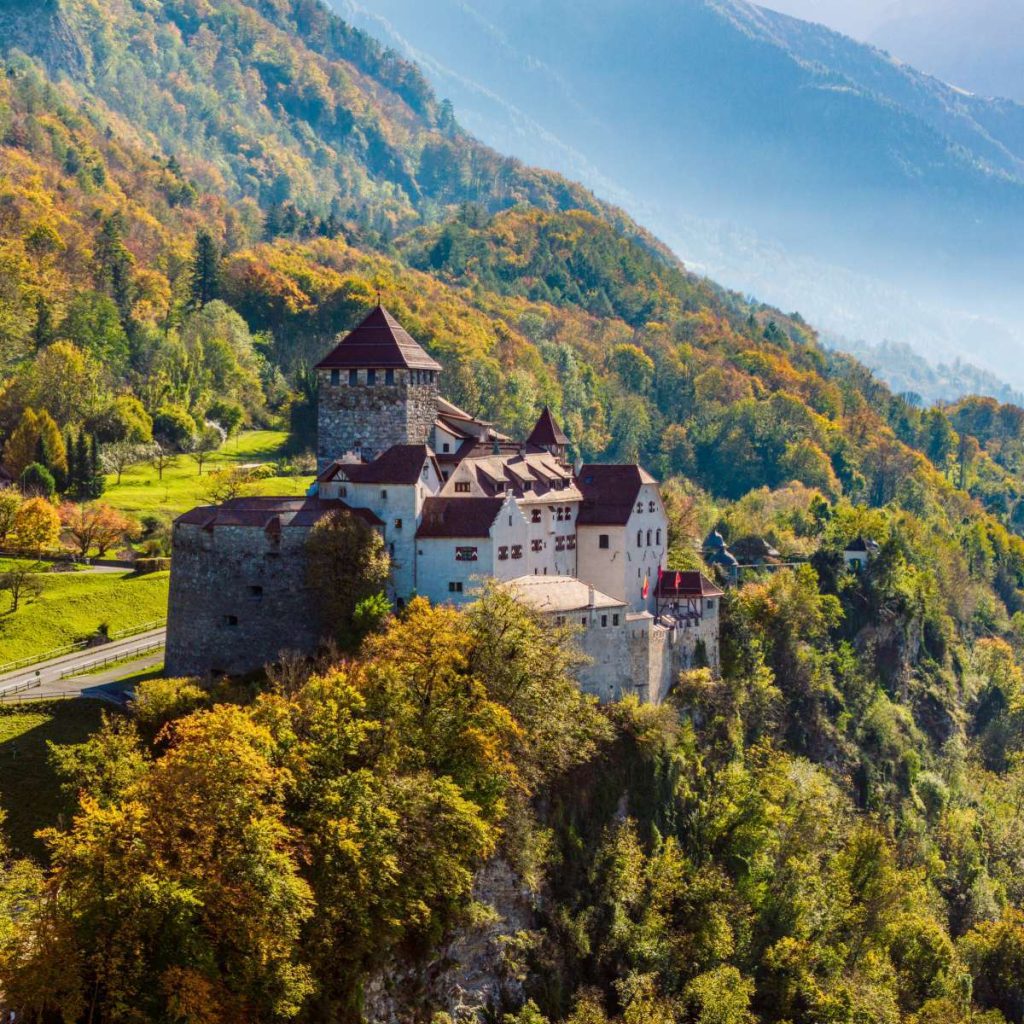
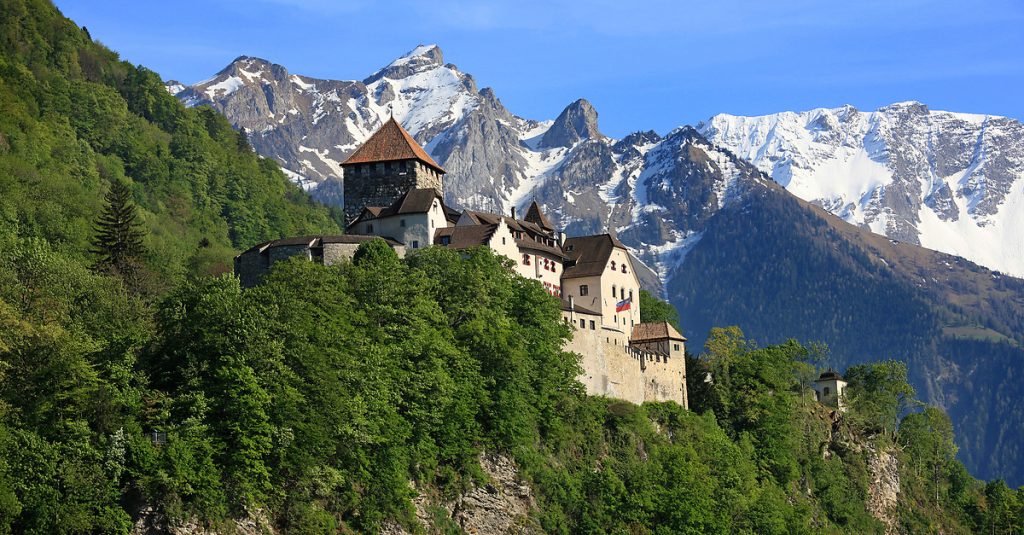
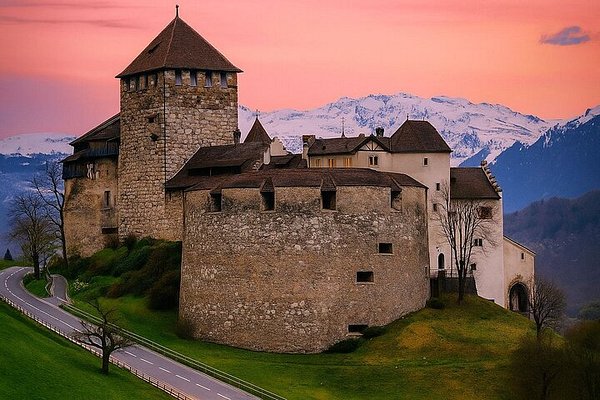
There are attractions around every corner: medieval streets are lined with churches, museums, and beautiful houses, while castles and mountains rise above it all. The most famous architectural landmark is the majestic Vaduz Castle, built between the 12th and 14th centuries and still the residence of the princely dynasty. The castle’s interior is only accessible during certain hours: tour groups can visit the best of its 130 rooms and the prince’s sumptuous art gallery. However, you can stroll outside at any time, enjoying the stunning alpine scenery.
Another ancient fortress is Gutenberg, surrounded by meadows and vineyard terraces. It survived numerous wars and fires, but was restored in the early 20th century by the sculptor Reinberger and later by the royal family. Only the lower courtyard and church ruins are open to visitors, but cultural events are occasionally held here in the ceremonial halls of the castle.
Also noteworthy in the capital is the Cathedral, with its austere façade and bell tower, topped by a bright red and blue clock, as well as a graceful Gothic spire.
The Three Sisters mountain, which separates Liechtenstein from Austria, is Triesen’s signature landmark. Its highest peak reaches 2,053 meters, and Gothic ruins can be seen on its summits. Its steep slopes are ideal for trekking, hiking, and rock climbing.
In Schellenberg, you can see the ruins of a knight’s fortress, the wooden Biedermann House, the Church of Our Lady Immaculate, and the Chapel of St. George. In Schaan, the bell tower of the Church of St. Lawrence, built in 1100, and St. Peter’s Church, one of the oldest in Europe, dating back to the 5th-6th centuries, still stand.