Lima’s history began in 1535, when Spanish conquistador Francisco Pizarro founded the city as an outpost for the conquest of Peru. Just five years later, Lima became the capital of the Spanish colonial government and earned the title of “beautiful, delightful, loyal city of kings.” Over the following centuries, the city survived the reigns of 40 viceroys and in 1821 was declared the capital of independent Peru.
Lima continues to attract attention today, despite some drawbacks: constant smog, dense population, heavy traffic, and long travel times. However, the “City of Kings” finds ways to impress even the most seasoned travelers.
Entertainment and Attractions
Lima is a true jewel box, and a lifetime of travel would not be enough to explore all its treasures.
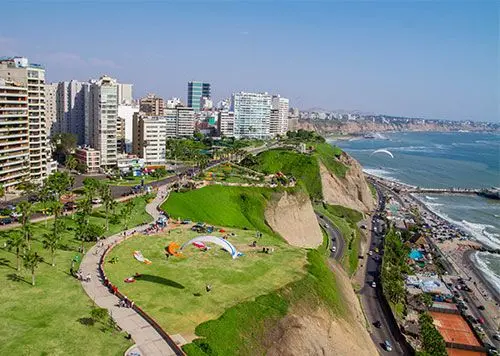
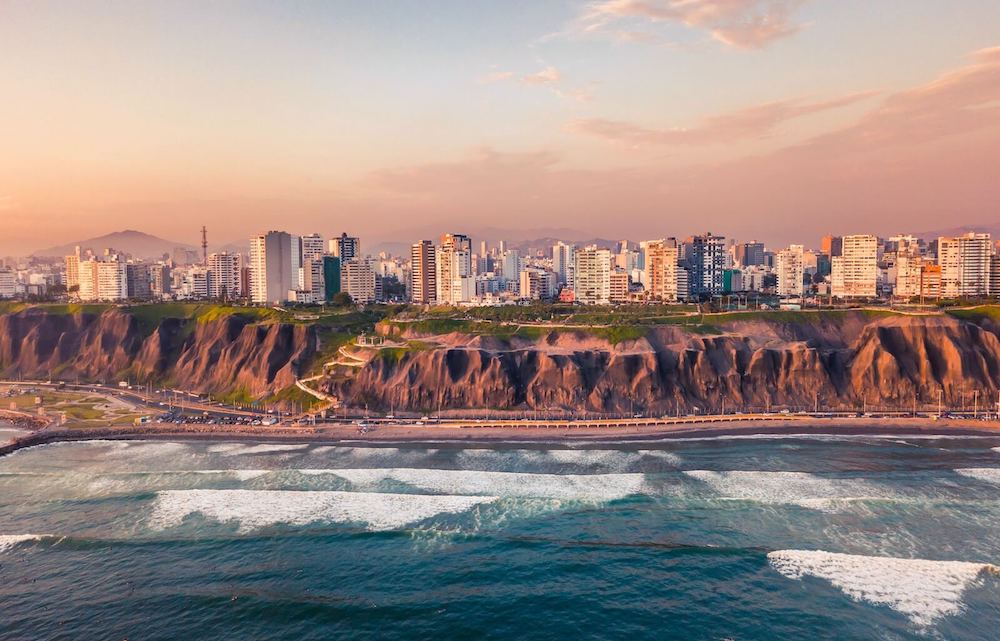
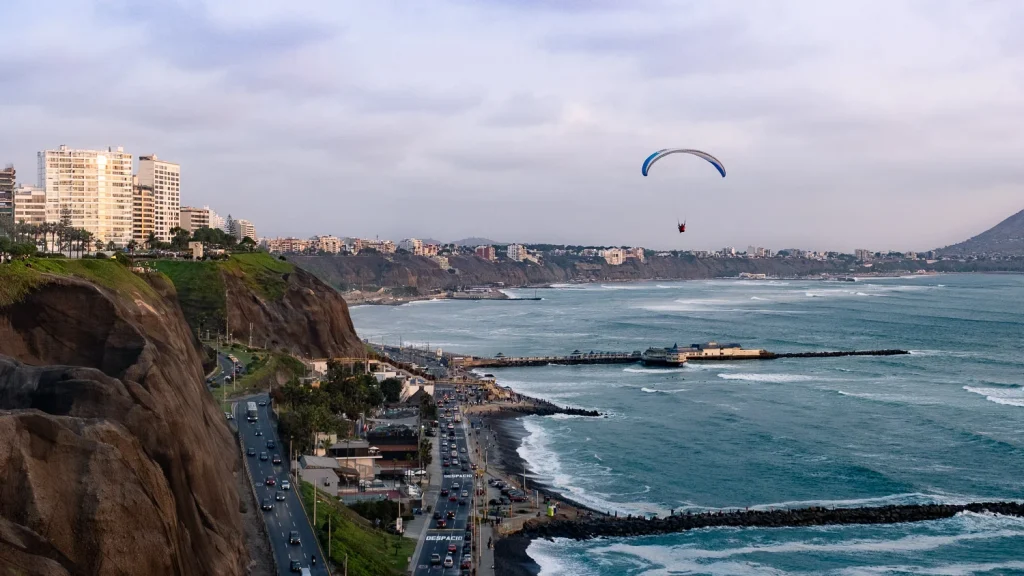
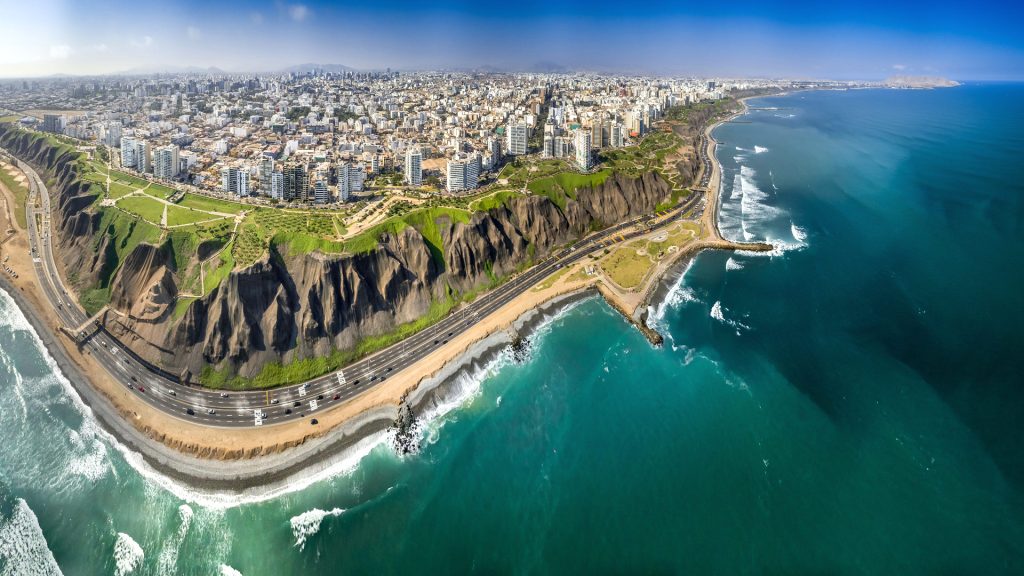
Therefore, travelers first seek to see the most iconic sites—the city’s famous historic center, the heritage of the indigenous and Limanese cultures, and the Pacific Ocean. The latter is a good place to start: the Miraflores district is especially beautiful at sunset and sunrise.
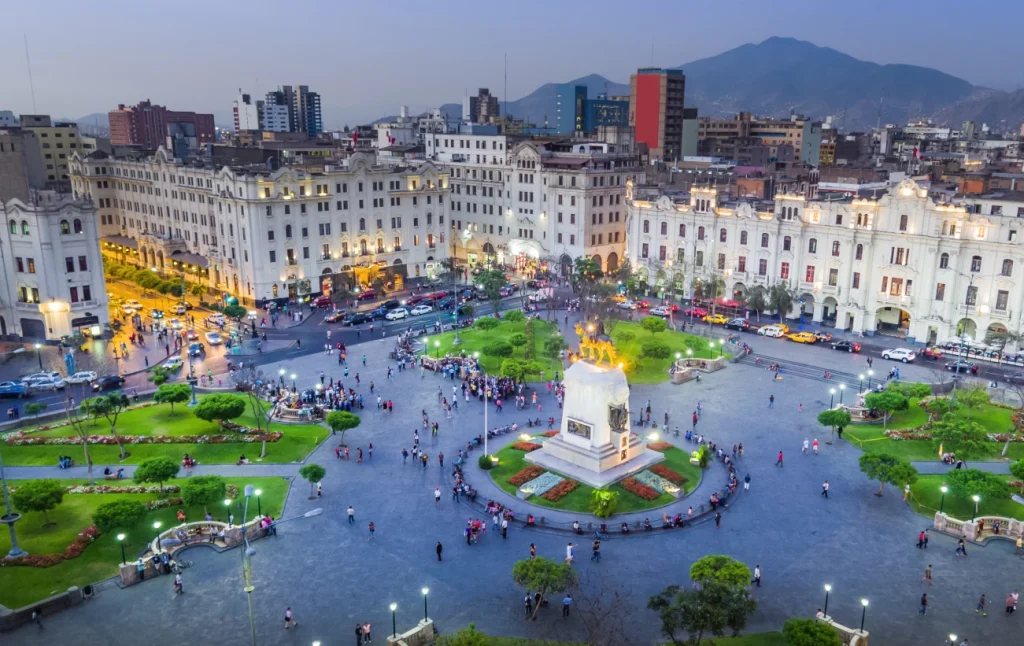
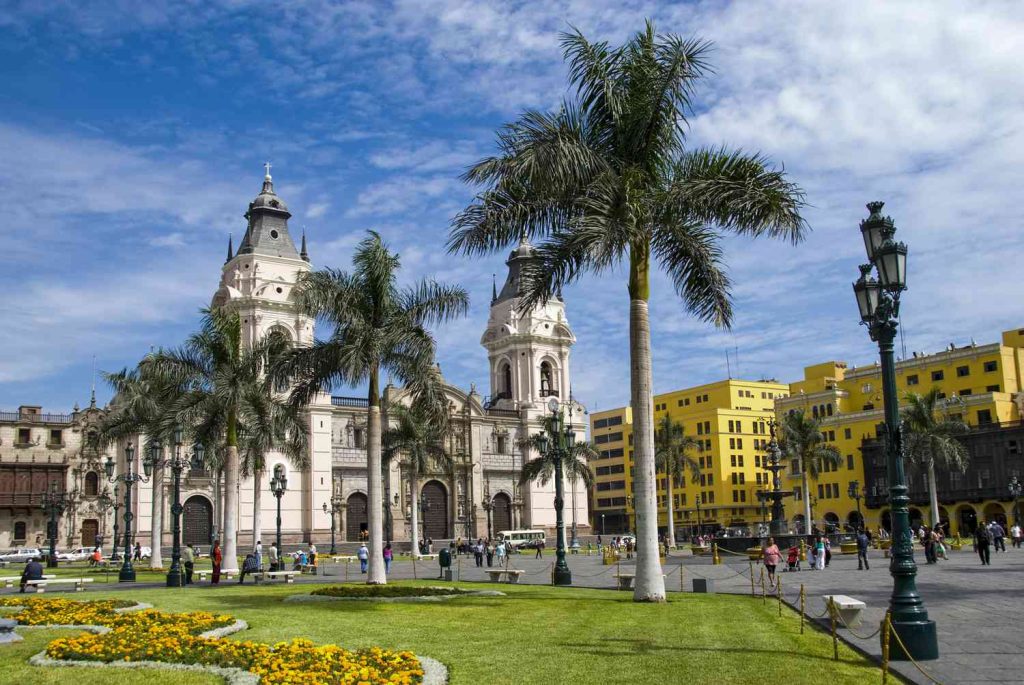
The main UNESCO World Heritage sites are concentrated around the central Plaza Mayor de Lima. Here you can see the carved Archbishop’s Palace, the House of Aliaga, Lima’s oldest house, still owned by the same family, the Government Palace with its changing of the guard ceremony, and the Torre Talle Palace, built in the 18th century.
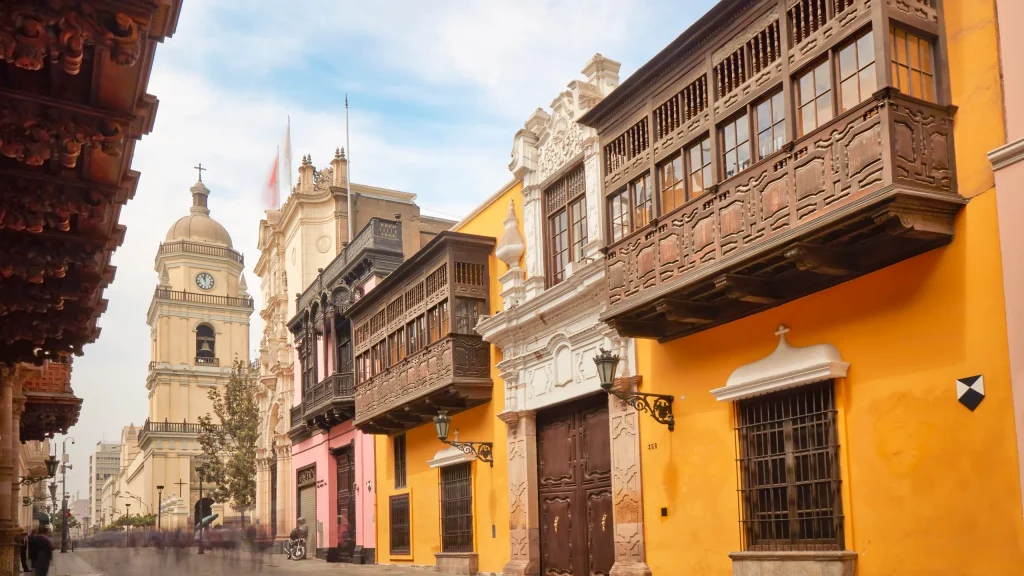
Many buildings in the historic center are adorned with beautiful balconies, earning Lima the nickname “The City of Balconies.” The capital’s religious heritage is also concentrated around the Plaza Mayor. Highlights include the Cathedral, which houses the ashes of the city’s founder, Francisco Pizarro, and the Monastery of San Francisco with its intricate catacombs. The city itself preserves monuments of ancient civilizations, the most important of which is the unusual 500 CE pyramid of Huaca Pucllana in the Miraflores region. Forty kilometers from Lima stands the majestic temple of Pachacamac.