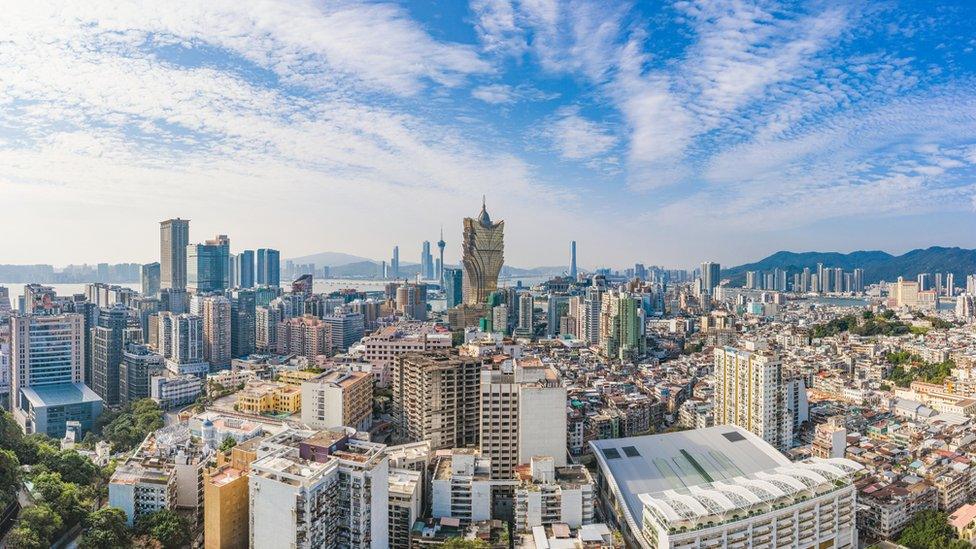
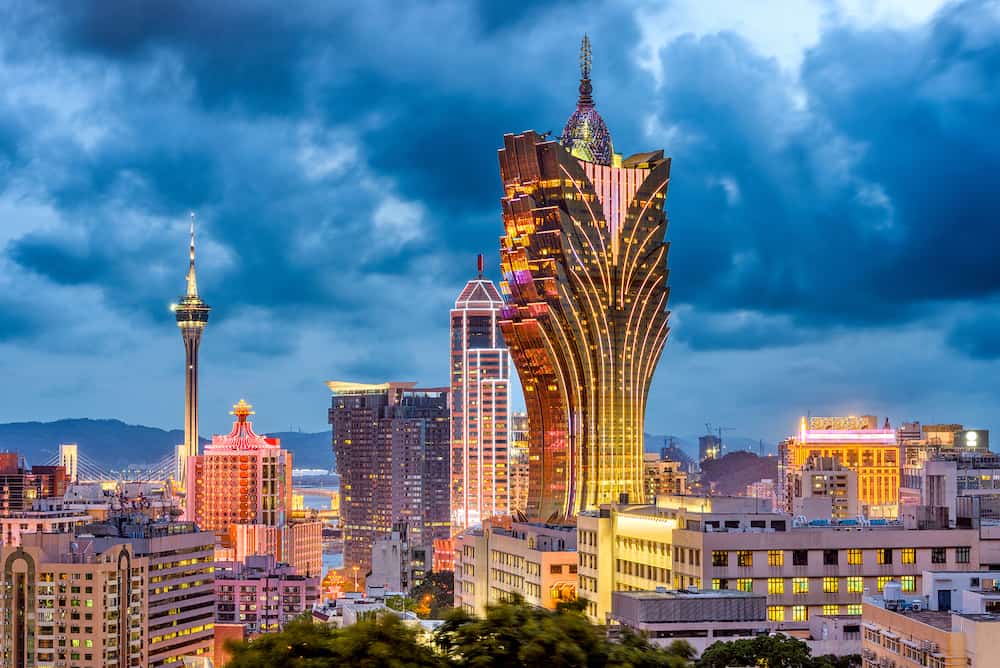
Macau, also known as Macau, is located on the shores of the South China Sea, in the Pearl River Delta, just 60 kilometers southwest of Hong Kong. For nearly 450 years, it was under Portuguese rule, which left a deep imprint on its architecture, culture, and way of life.
On December 20, 1999, Macau came under Chinese sovereignty, and to commemorate this event, the “Blooming Lotus” monument was erected in Lotus Square, opposite Fisherman’s Wharf amusement park.
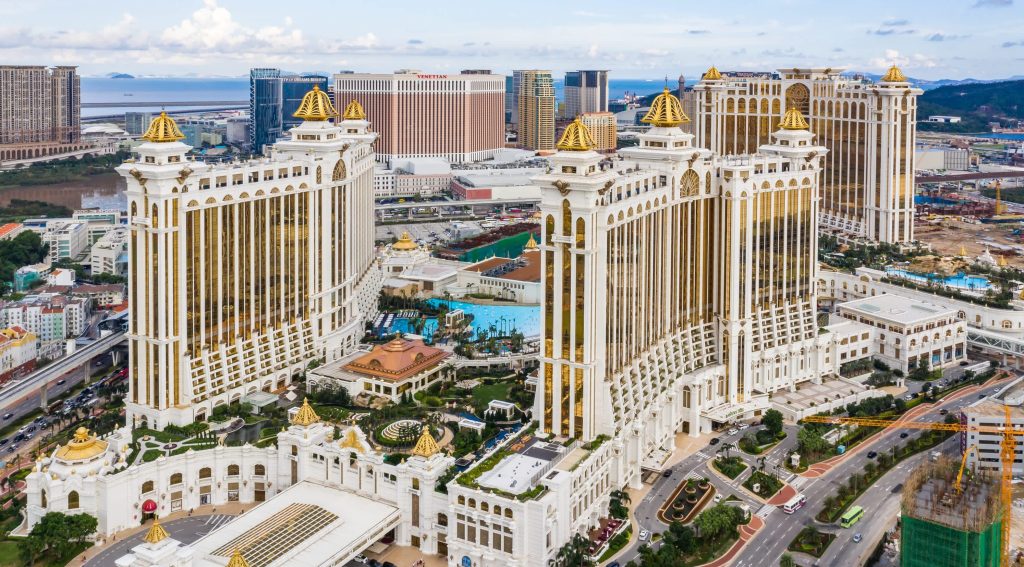
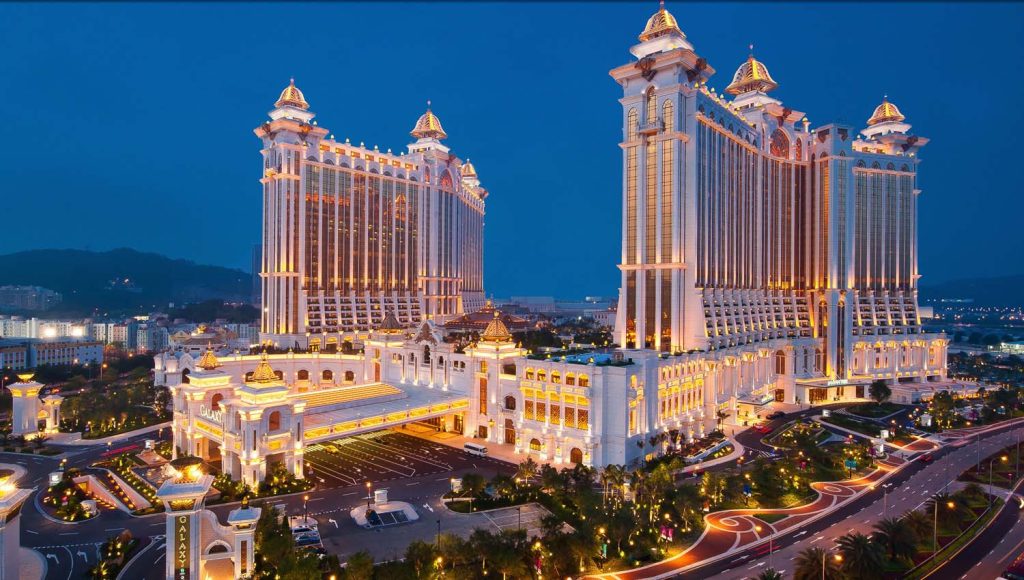
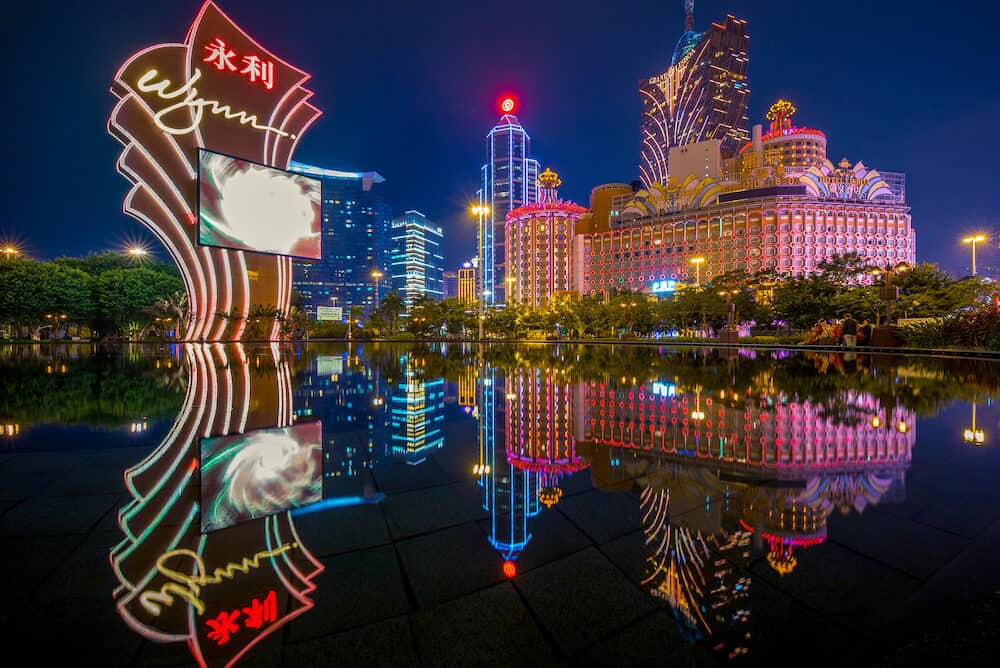
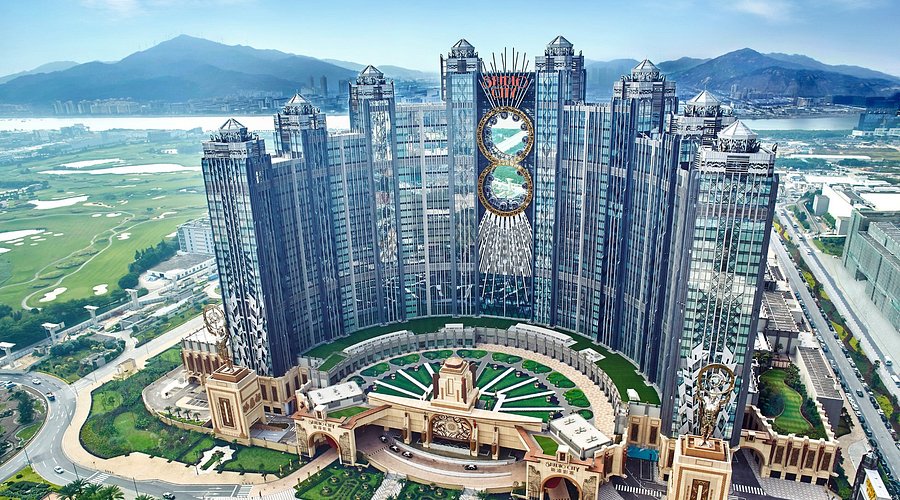
Today, Macau is one of the most densely populated cities in the world and the largest gambling center on the planet. It is home to the world’s largest casino, the Venezia Casino. Strolling through the Old Town, it’s easy to forget you’re in Asia, not Europe—it’s filled with temples, fortresses, and other elements of European architecture.
Entertainment and Attractions
In Macau, the subtle fusion of European and Asian cultures is palpable everywhere. This city, once a Portuguese colony, offers a unique blend of historical landmarks and modern entertainment, bringing together two cultural spheres in one place.
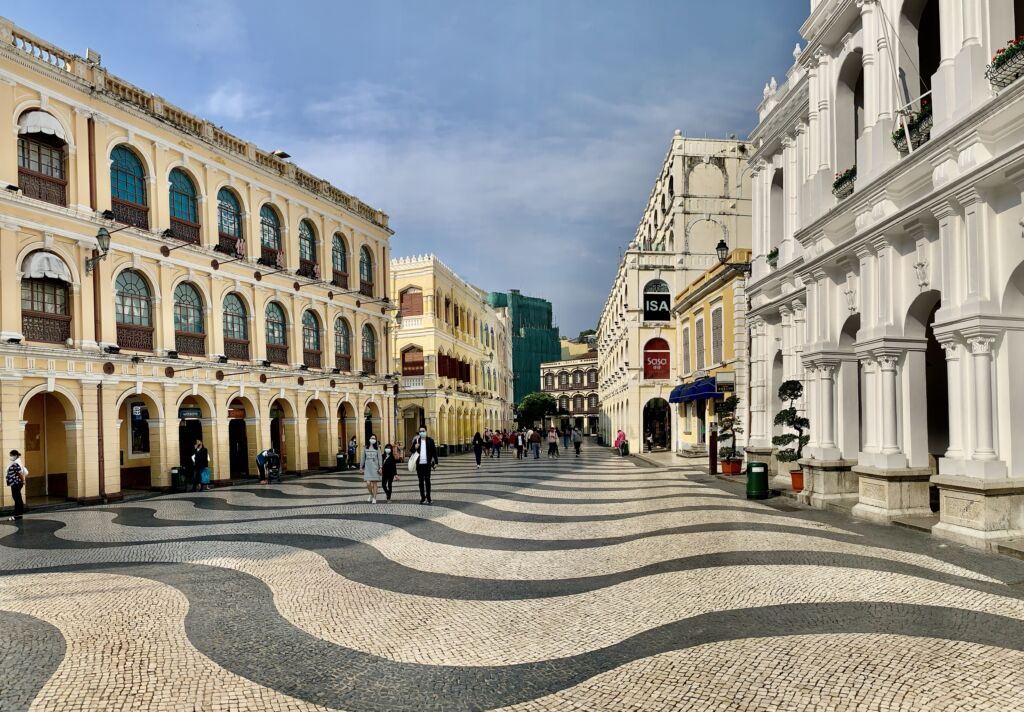
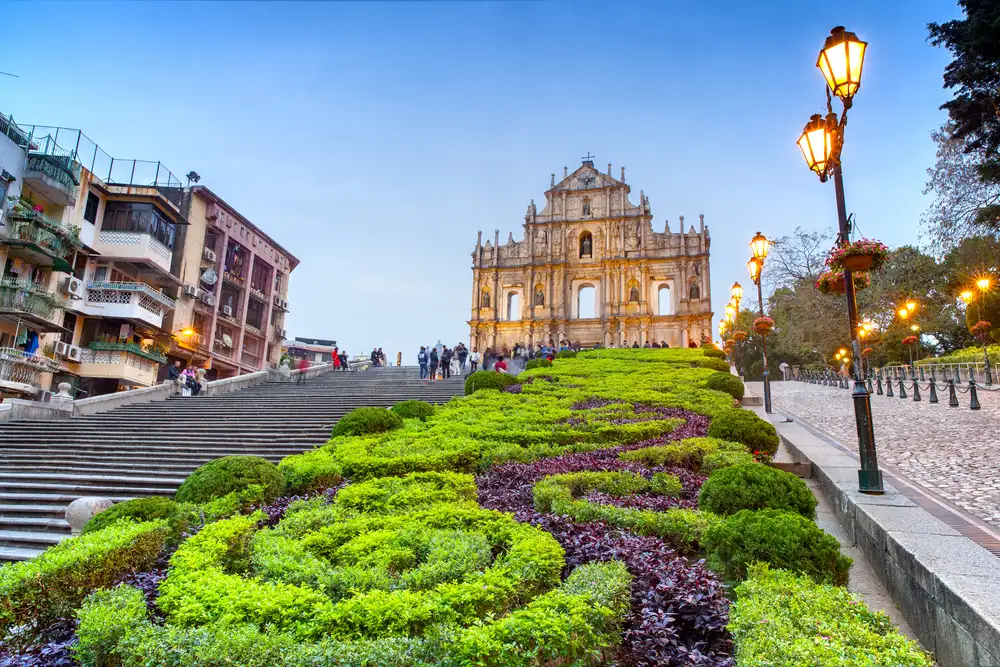
The Historic Center of Macau is a UNESCO World Heritage Site. The majestic ruins of St. Paul’s Church, a blend of European and Chinese elements, are its hallmark. Meanwhile, the city’s main square, Senado, is decorated with stone mosaics and surrounded by buildings in European architectural styles.
Traditional Chinese temples, such as Kuan Tai Temple and Na Cha Temple, blend with European architectural masterpieces, including St. Dominic’s Church. The mountain forts of Macau and Fort Gui impress with their architecture and murals.
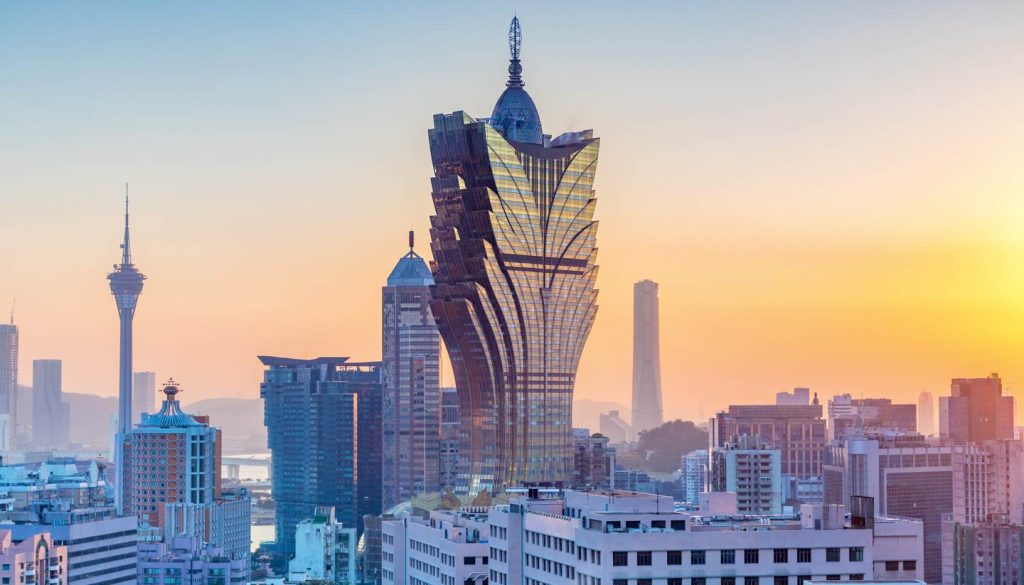
The A-Ma Temple, dedicated to Taoist and Buddhist goddesses, is a magnificent example of architecture. The city is also famous for its skyscrapers, luxury hotels, and casinos, making it the “Las Vegas of the East.”
Beyond entertainment, you can also enjoy historical landmarks and dine at affordable fine dining restaurants.