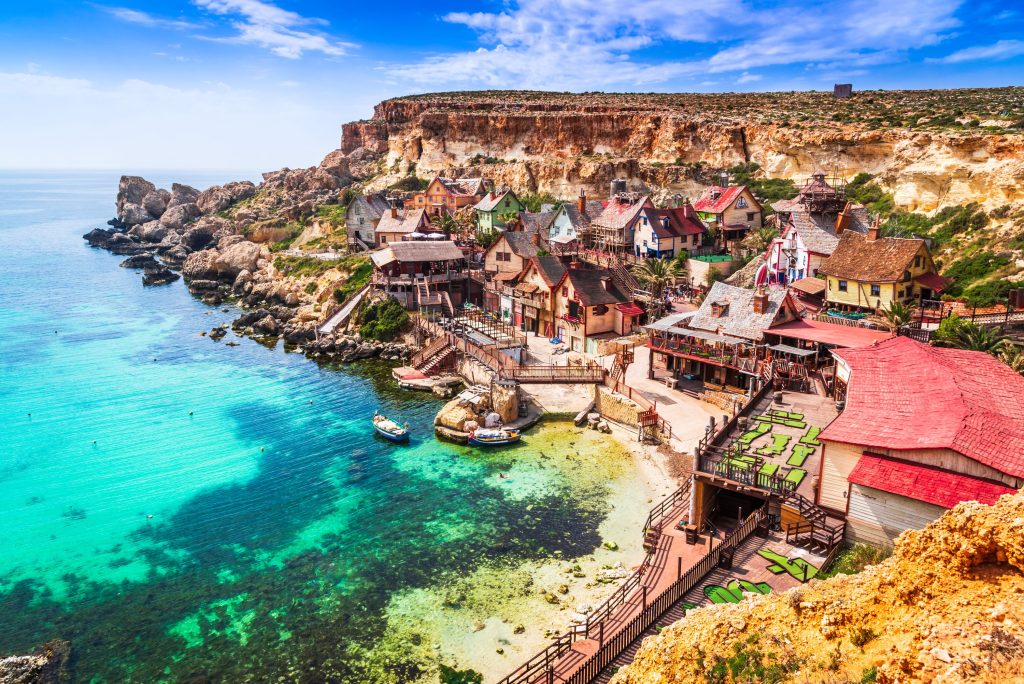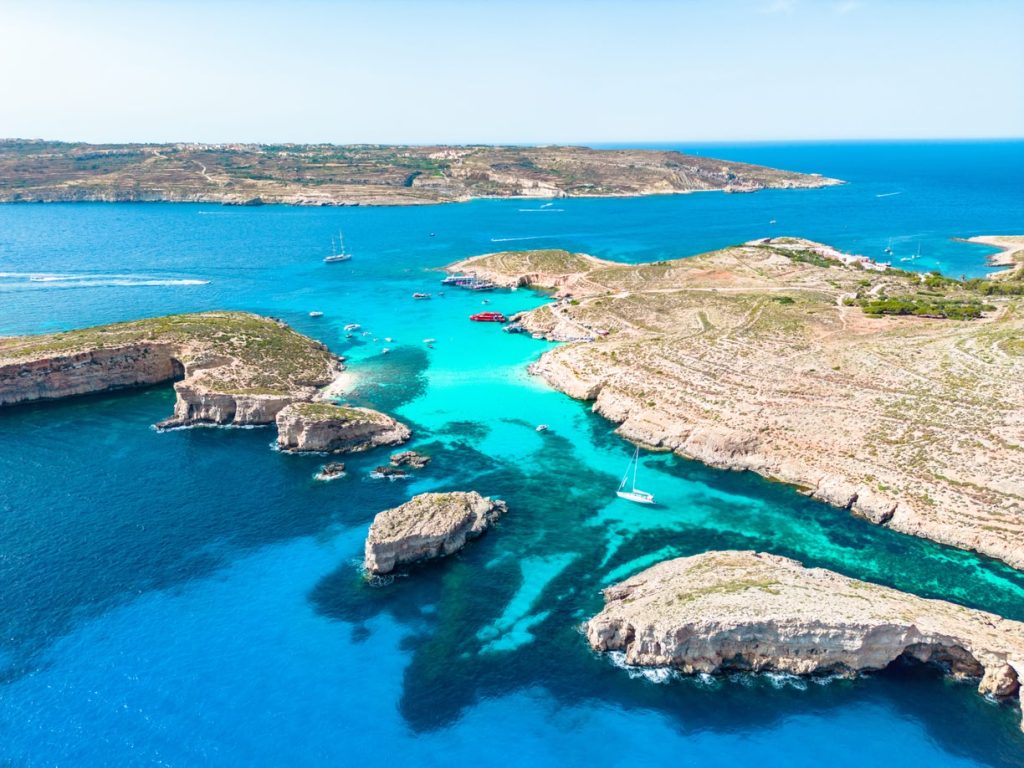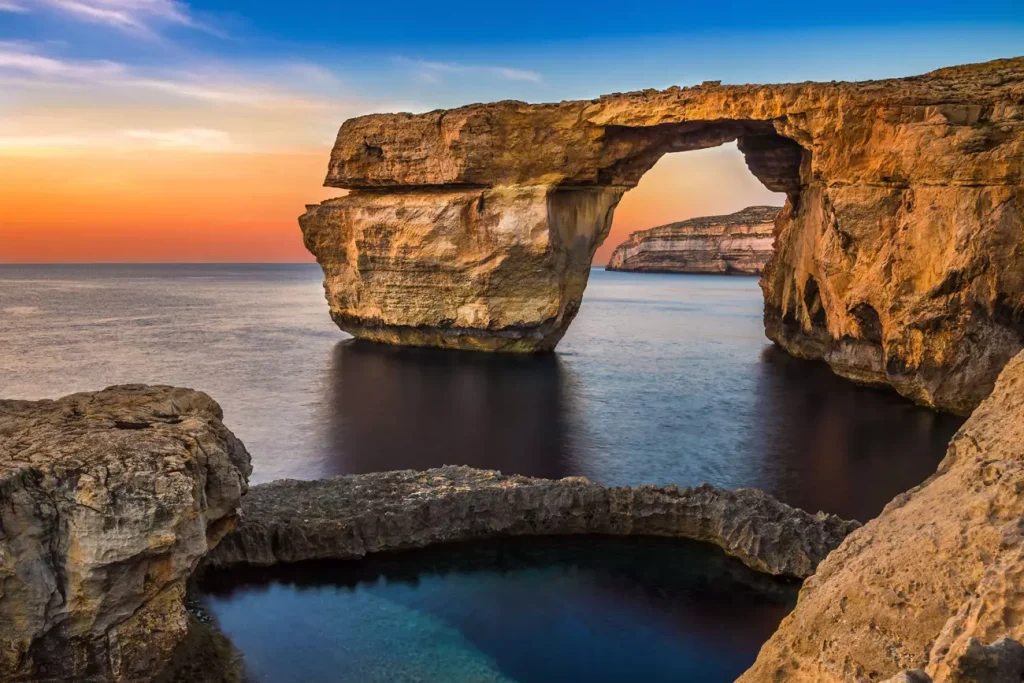
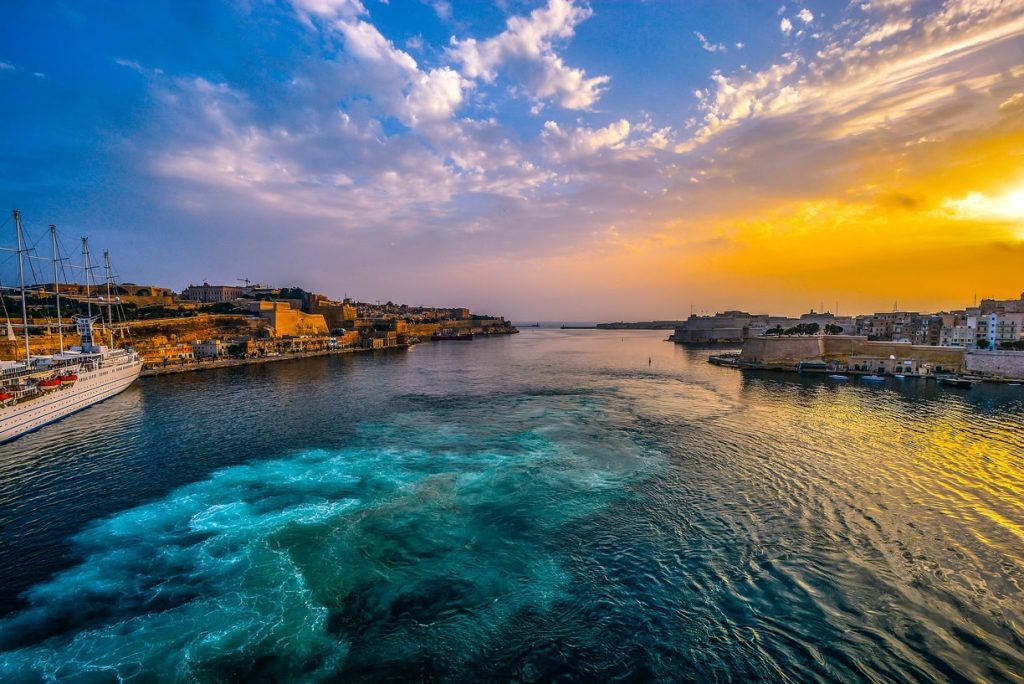
Each historical era has left its mark on Malta. A trip here offers the opportunity to uncover the secrets of ancient streets, savor international culinary delights, and relax on sandy and rocky beaches hidden in picturesque Mediterranean bays. And, of course, simply enjoy the magnificent natural surroundings: it’s no coincidence that the Maltese landscapes were chosen as the filming location for the famous series “Game of Thrones.”
Malta’s Attractions and Entertainment
Malta is a veritable treasure trove of history: its attractions rival those of major European countries. Over the centuries, various civilizations, from the Phoenicians and Carthaginians to the Romans and Spaniards, have left their mark on this land, filling it with temples, palaces, and fortresses that have transformed Malta into a unique multicultural mosaic.
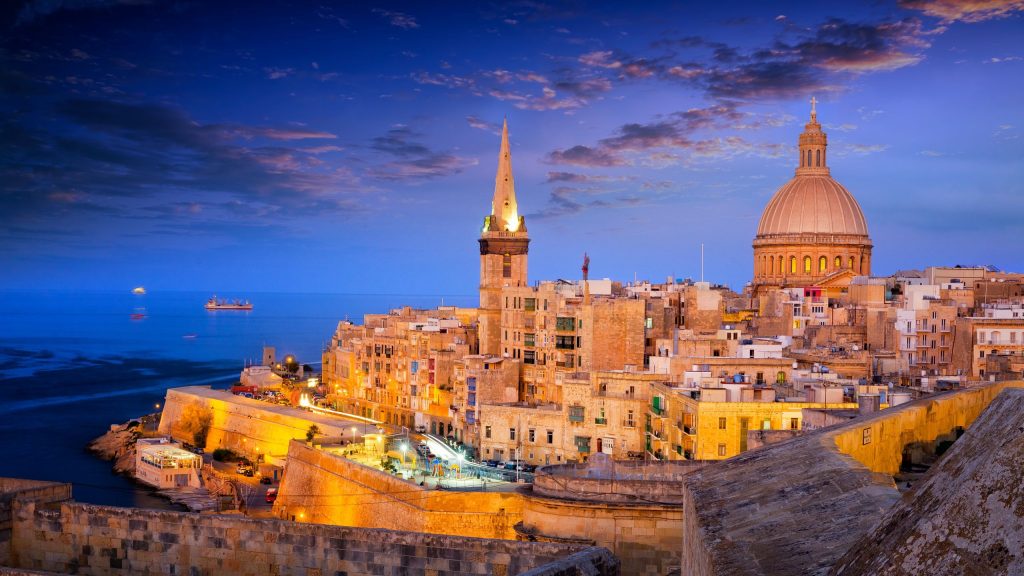
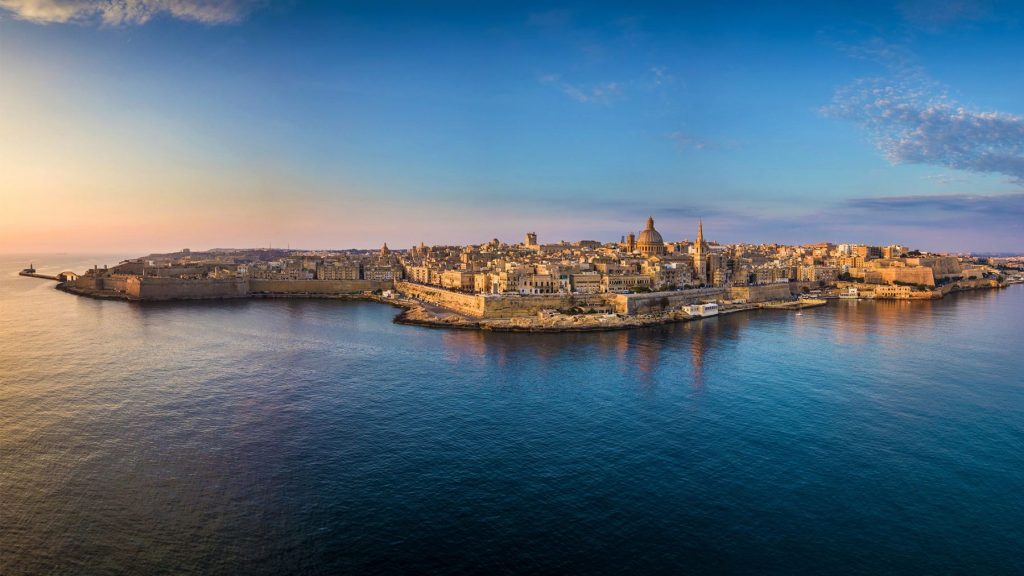
Malta’s most famous architectural masterpieces are located in its capital, Valletta. The 16th-century Grand Master’s Palace is impressive—a majestic building with a white façade adorned with columns and sculptures, as well as a sumptuous interior. Meanwhile, the Cathedral of St. John, with its 13 chapels and Baroque interiors, is a magnificent work of religious architecture. Other notable religious buildings include the Church of Our Lady of Victory and the Church of St. Catherine of Alexandria.
One of the most impressive, yet terrifying, places to visit in Malta is the Torture Museum in Mdina, where the exhibits are strikingly realistic.
Malta is also famous for its ancient megalithic temples, such as those on the island of Gozo, dating back to 3600 BC. Catacombs and dolmens can be found elsewhere on the island.
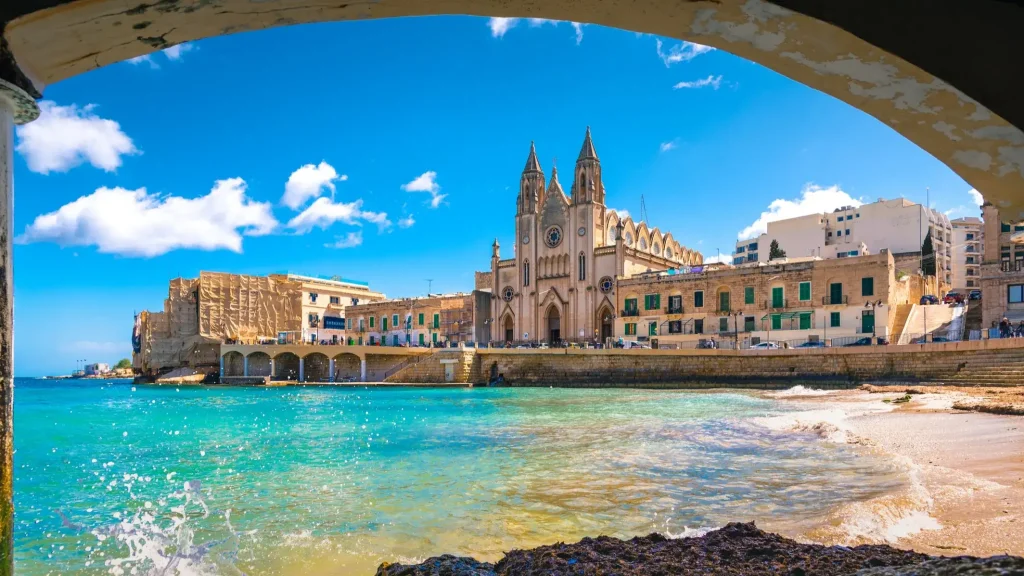
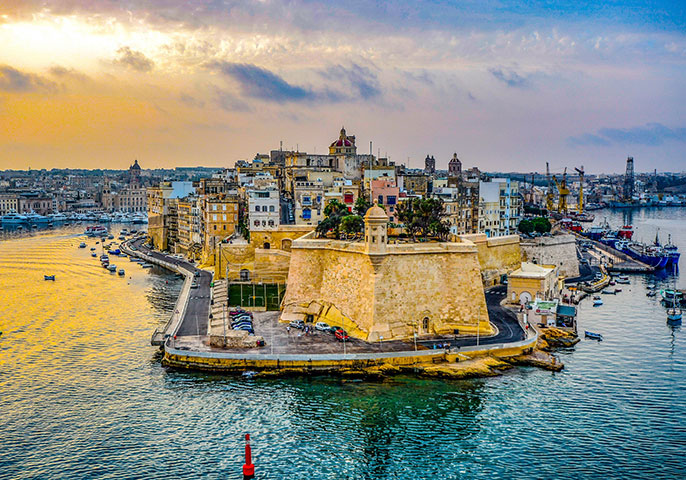
The town of Sliema boasts ornate villas, while St. Julian’s boasts palaces converted into entertainment venues. Fort Sant’Angelo in Birgu, built by the ancient Romans, is striking in its power.
One of Malta’s most famous natural attractions is the Ghar Dalam Cave, with its unique stone vaults and archaeological museum, where animal remains and human footprints dating back over seven thousand years have been found.