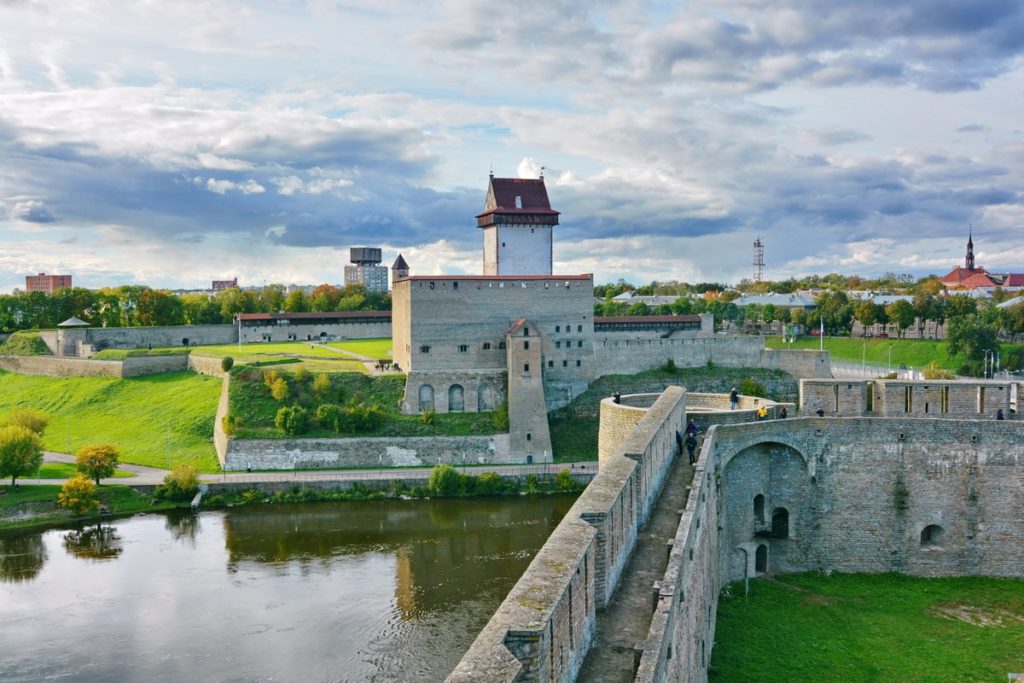
Located in eastern Estonia, Narva is not only the easternmost point of Estonia but also of the entire European Union.
Narva is the third-largest city in Estonia, with a rich history dating back to the Stone Age. The first fortress was built here in 1172.
Narva Attractions
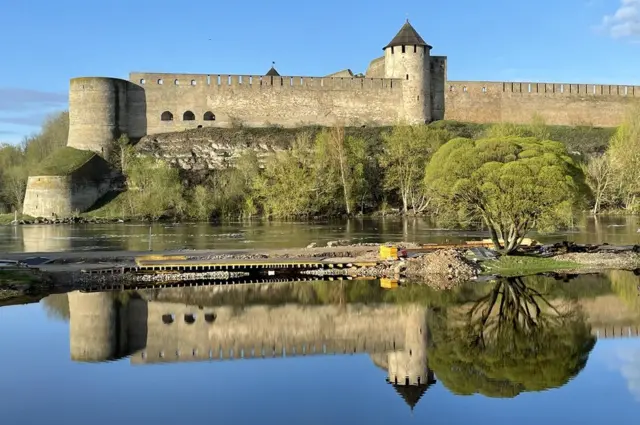
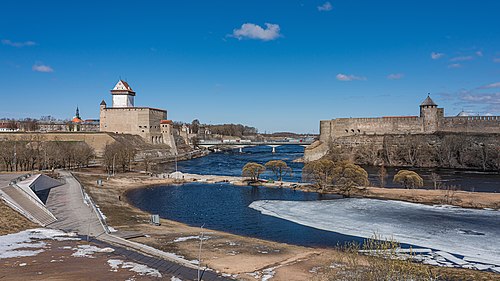
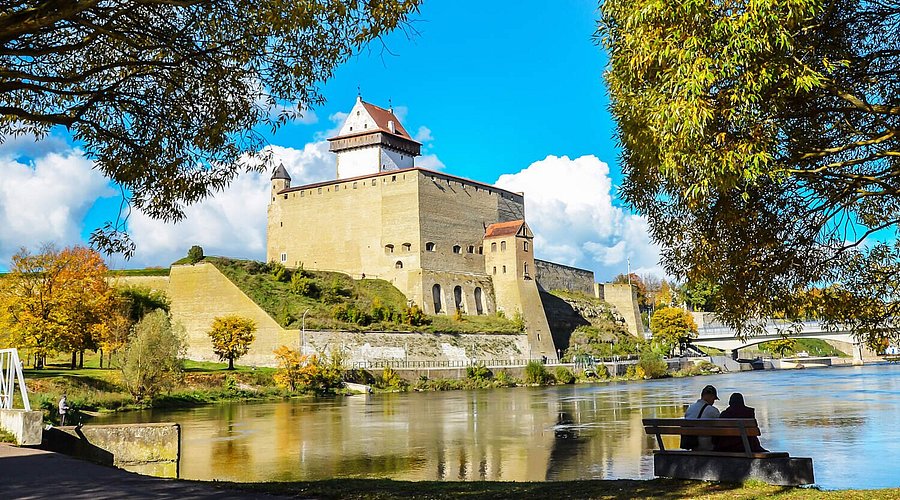
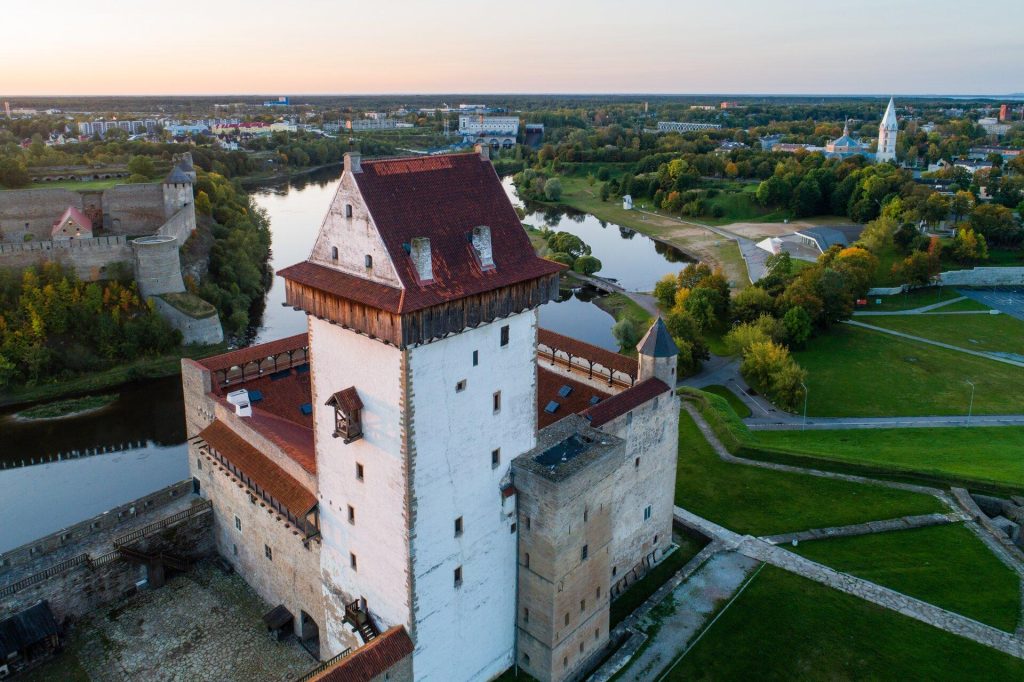
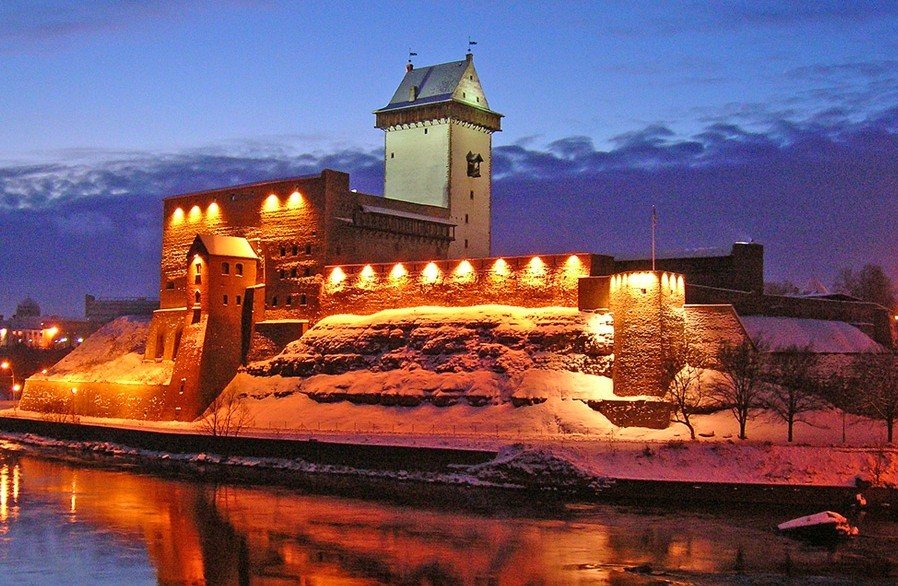
The German castle on the banks of the Narva River now houses the city museum, where visitors can recreate souvenirs using 17th-century technology and tools. Meanwhile, Narva Fortress is one of the city’s main attractions, built by the Danes in the 8th century and the best example of surviving defensive fortifications in Estonia. The fortress houses a museum and craft workshops.
Also worth visiting in Narva are the Town Hall, Alexander’s Cathedral, the unique Cathedral of the Resurrection of Christ (the only building in the city to survive the bombings of World War II), and the 17th-century Narva Bastions. Seven bastions were built: Honor, Gloria, Victoria, Fama, Triumph, Fortuna, and Spes, where local residents hid from air raids during World War II.
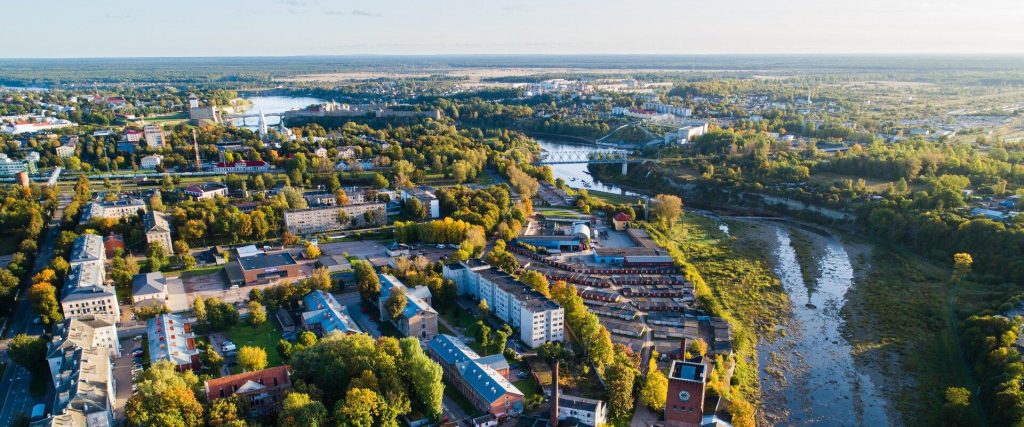
The island is home to the Krenholm district and the Krenholm Manufactory. In the 19th century, the famous manufactory was built on the banks of a waterfall; by 1913, it employed over 10,000 people. A hospital, barracks for workers, directors’ houses, and Krenholm Park were built around the manufactory. One of the remarkable buildings that makes up the Krenholm complex is the old Narva Hospital, built in the Art Nouveau style.
A must-see is the Narva Art Gallery, housed in a former 18th-century armory. In addition to the permanent exhibition, it hosts exhibitions of contemporary artists from Estonia and Western Europe. On the last Sunday of May, it also hosts a traditional art festival.