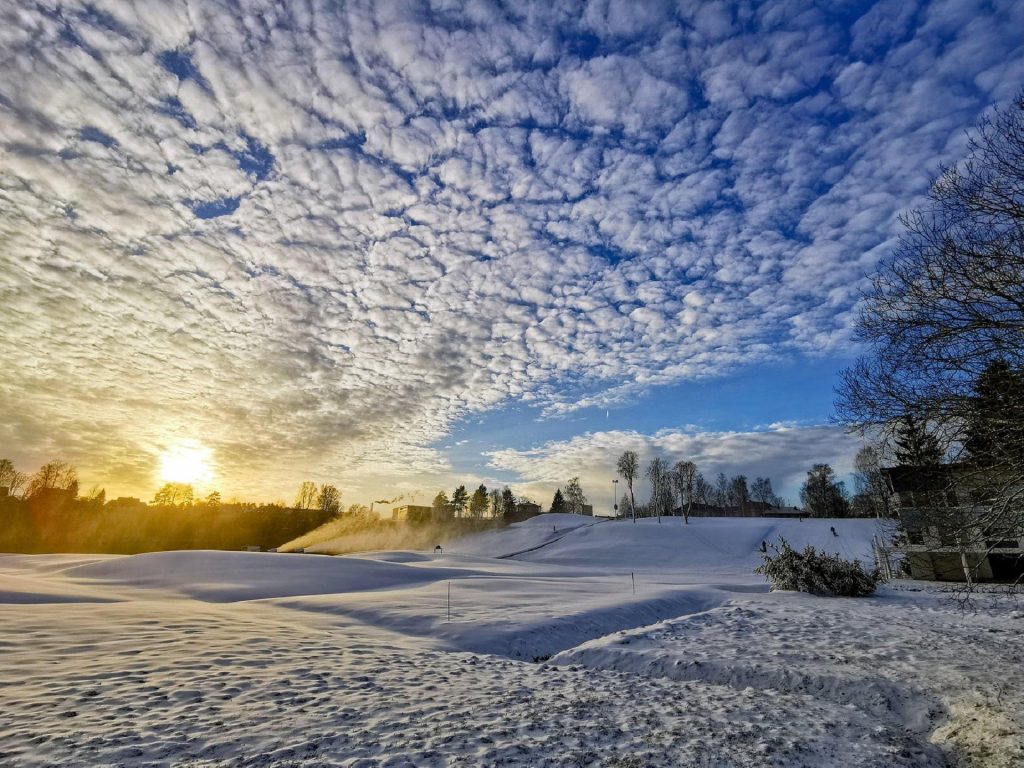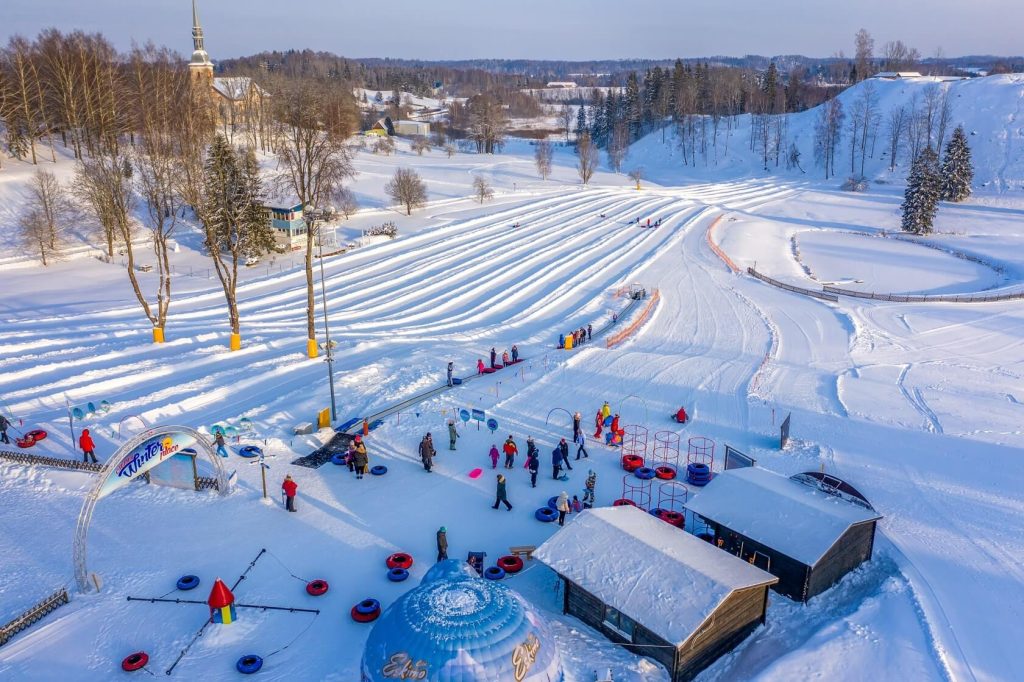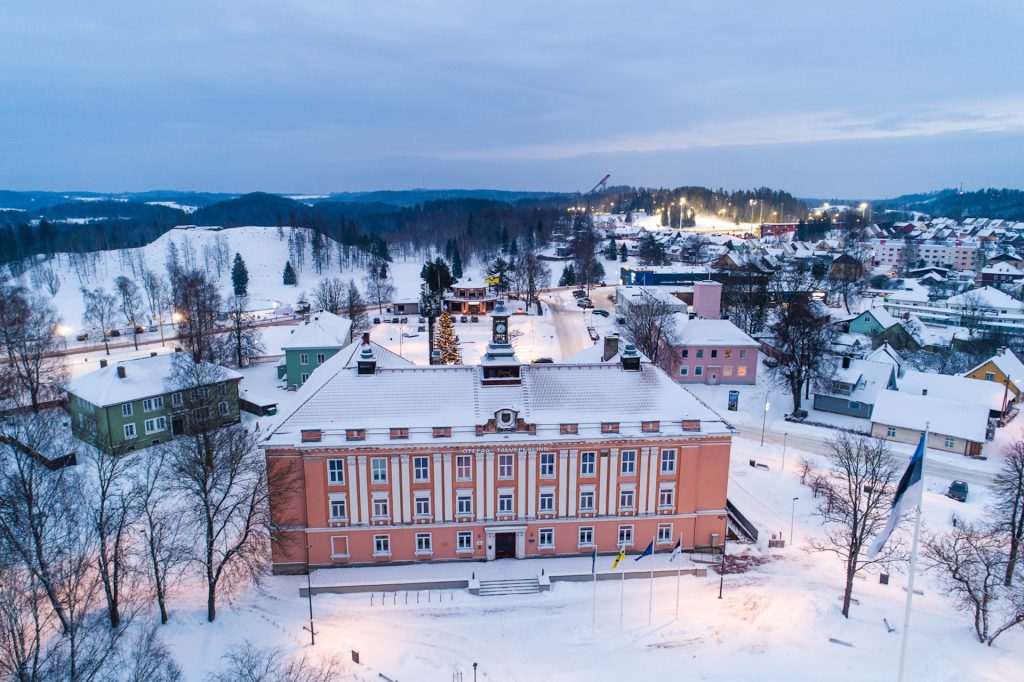
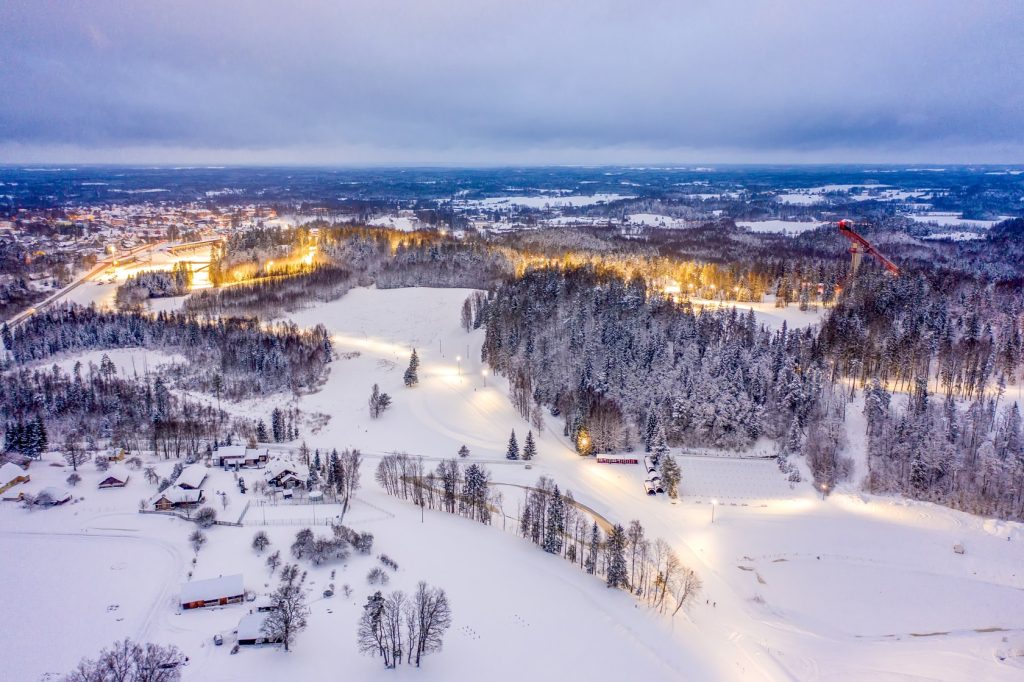
Located in the hills of southern Estonia, the town of Otepää was named for its bear-like shape, which is reflected in the town’s coat of arms. This area is known not only as a spa resort but also as a winter sports center.
Entertainment and Attractions in Otepää
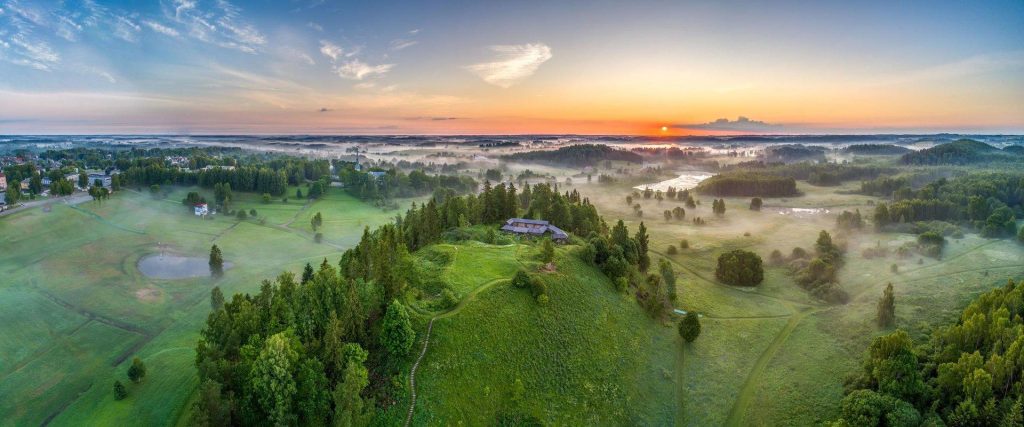
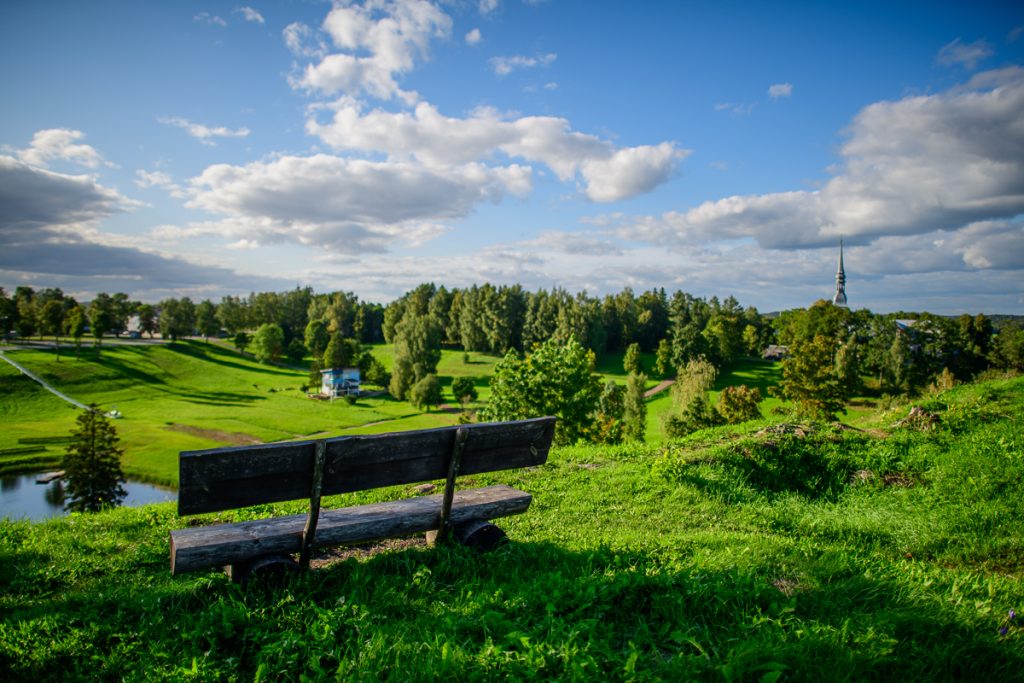
The town is also famous for its castle, the ruins of which are located on Linnamägi Hill on the eastern outskirts of the town. This is the first brick building in Estonia, built in the 13th century. It was built by the German knight Hermann on the site of an ancient fort, believed to have existed here 2,000 years ago.
Otepää is also the birthplace of the Estonian national flag. On June 4, 1984, the blue, black, and white flag of the Estonian Student Society was consecrated in St. Mary’s Lutheran Church. This flag subsequently became the Estonian national flag and, since 1991, has been the national flag of Estonia.
The city is also home to interesting museums, such as the Literary Museum and the Gustav Wulf-Õis Manor House, founded in 1960 on the shores of Lake Nüpli, as well as the Horse-Drawn Carriage Museum, located 8 km outside the city.
Otepää Nature and Parks
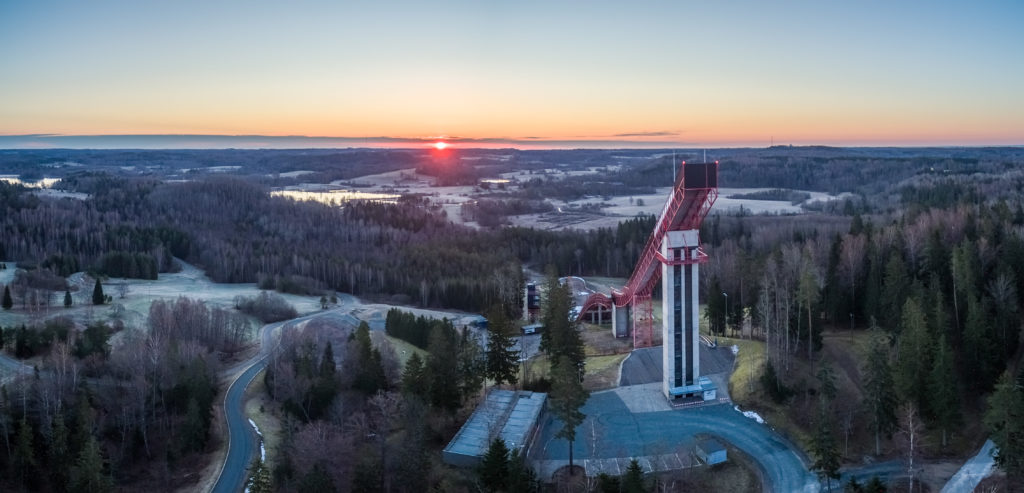
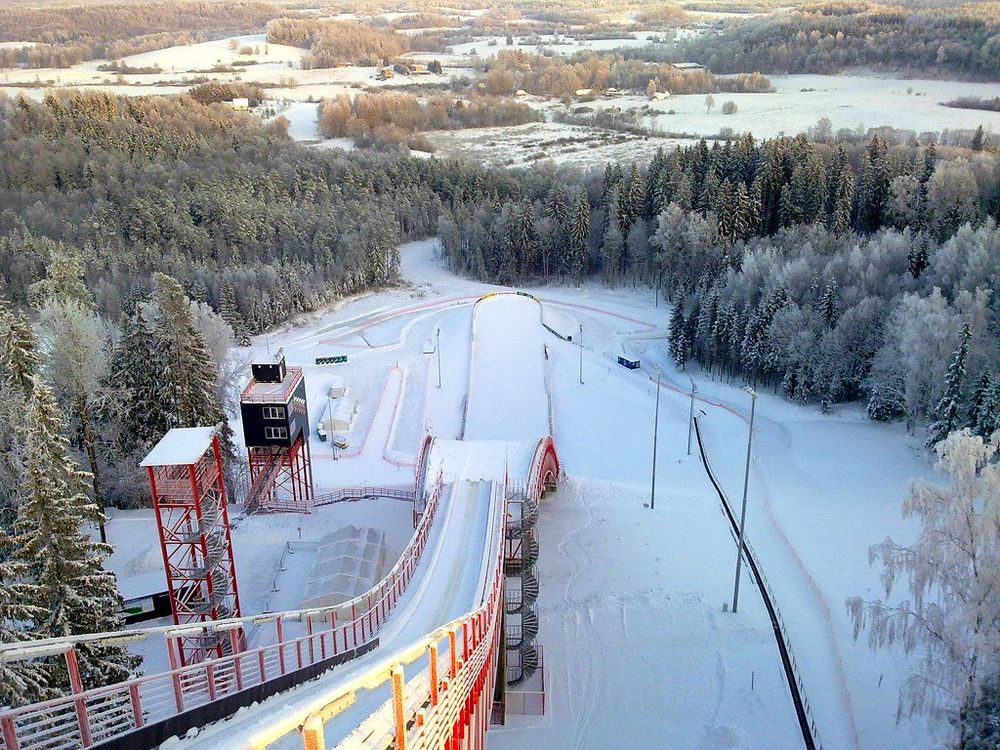
For active recreation enthusiasts, an adventure park has been built in Otepää, including hiking trails, a climbing wall, a catapult, and an observation platform that is part of the Tehvandi ski jump.
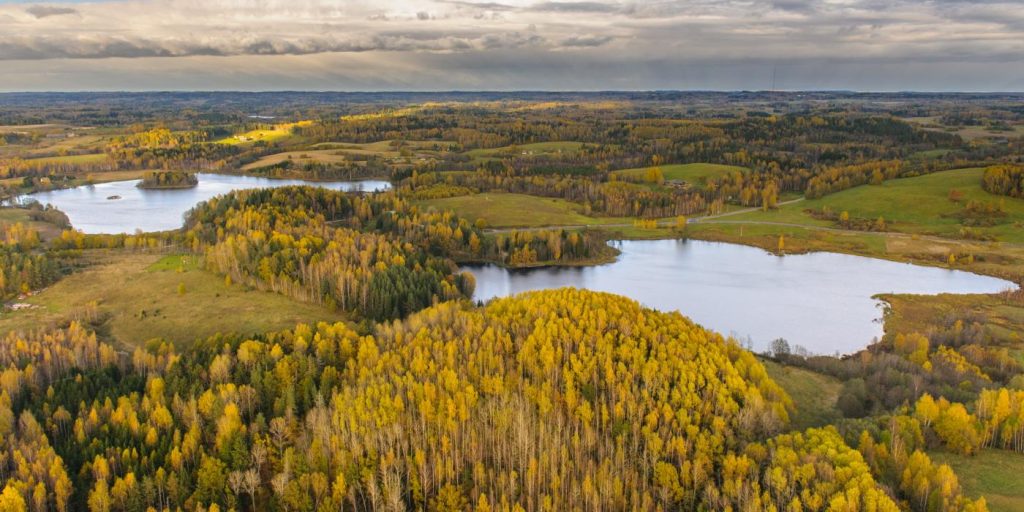
One of the main natural attractions is Otepää Nature Park, the second largest nature reserve in Estonia, covering an area of 224.3 square kilometers. The park’s landscape ranges from copses, backwaters, and fields to small bogs, providing a rich diversity of flora and fauna.
Otepää is also home to the year-round Tehvandi training centre, founded in 1978 and equipped with a ski stadium, certified cross-country ski trails, biathlon ranges, a ski jump, a roller-ski track and running tracks.