The name Paraguay translates as “from the great river” in the Guarani language. Much about this South American country is associated with water. The Paraguay River divides the country into two regions: the arid Chaco plains in the west and the fertile lands in the east. The full-flowing Paraná River supplies fresh water, and tourists come to see one of its main attractions – the massive Itaipu Dam.
Entertainment and Attractions
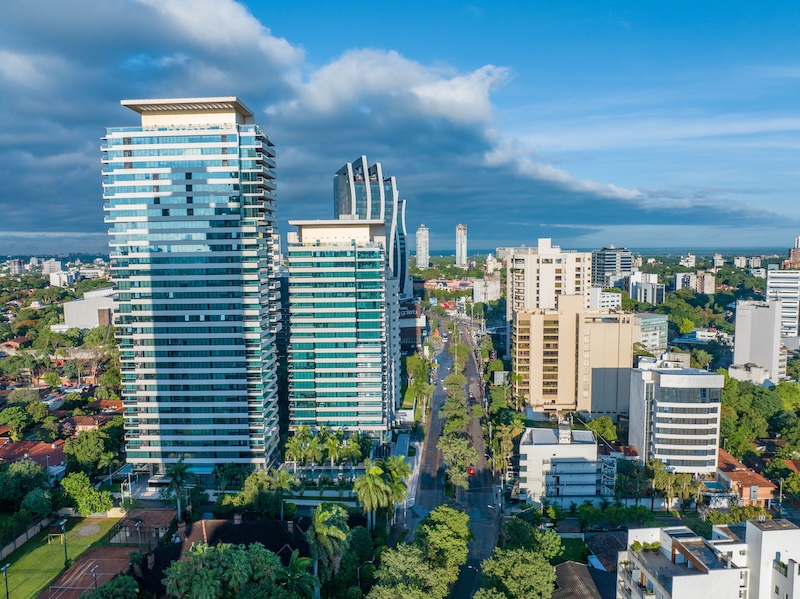
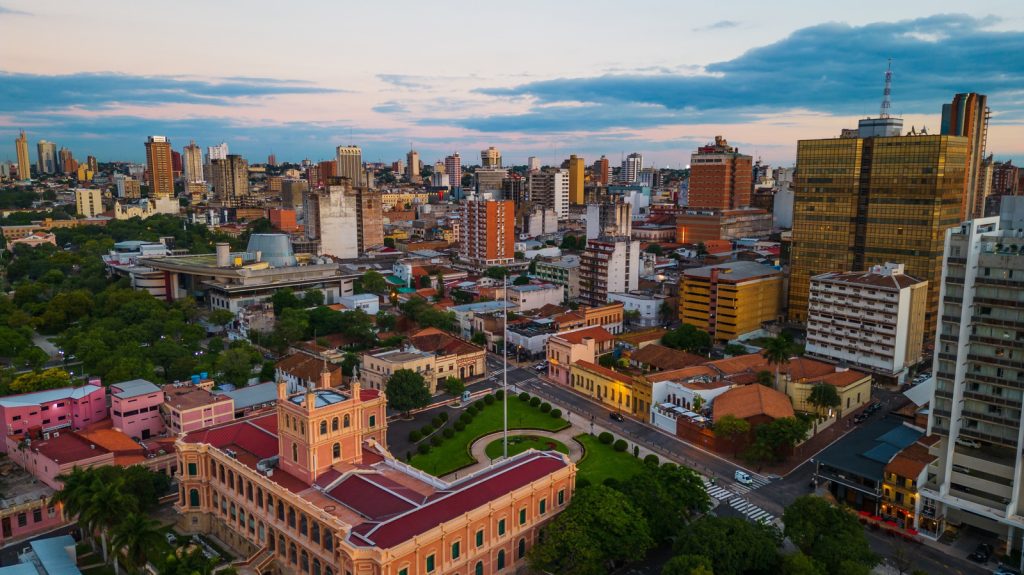
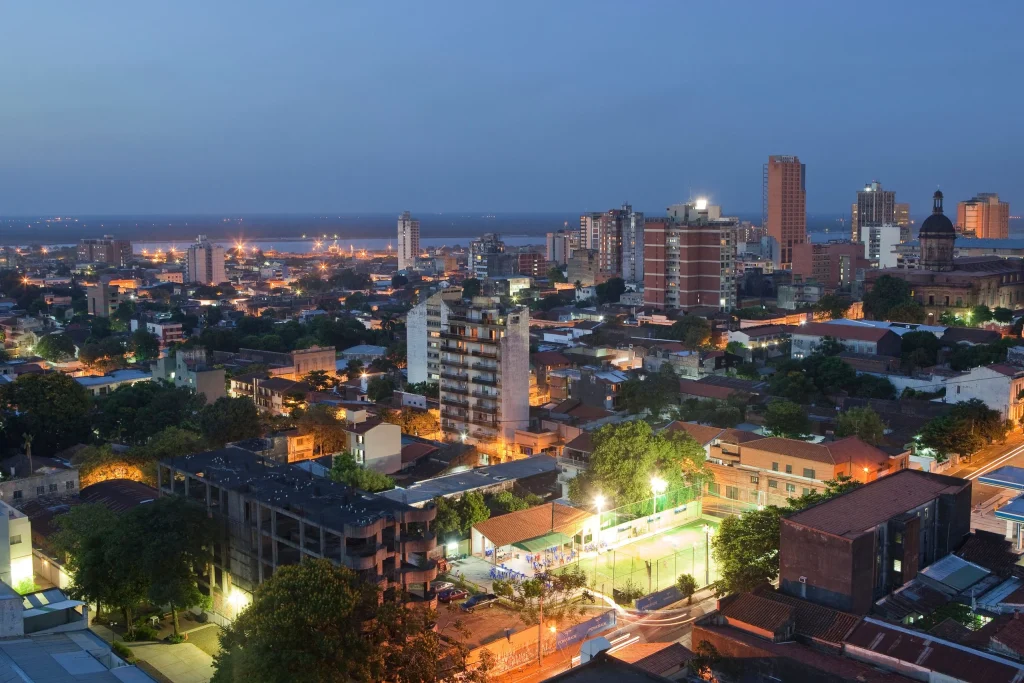
A trip to Paraguay usually begins in the capital, picturesque Asunción, which will soon celebrate its 500th anniversary. The city has a distinctive Spanish appearance: wide streets radiating diagonally from spacious plazas, an abundance of parks and fountains.
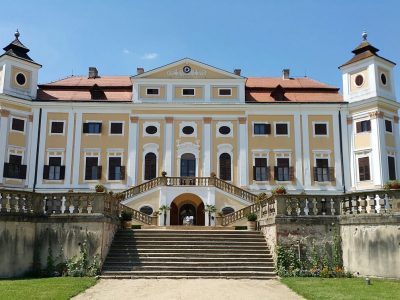
Asunción’s historic center boasts colonial buildings with stucco decorations and decorative latticework, most of which are surrounded by manicured gardens. Among the main attractions are Manzana de la Riviera, a neighborhood between the bends of the Paraguay River, and a complex of 18th- and 19th-century buildings: the Presidential Palace, the House of Culture, and the Municipal Library. The Casa de la Independencia, the capital’s oldest building from the late 18th century, now houses the Museum of Colonial History.
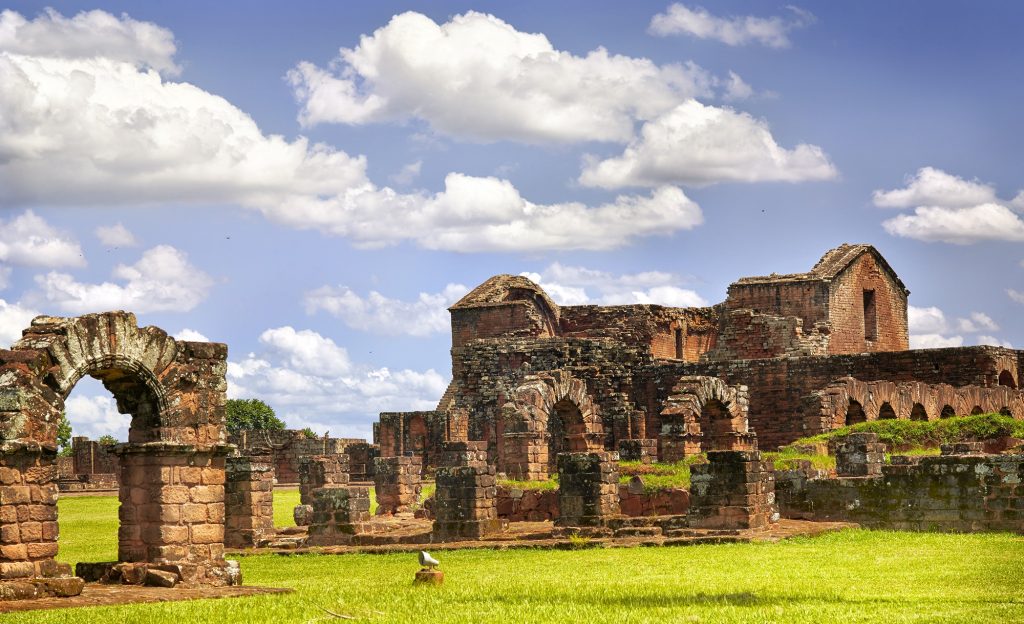
Within 100 kilometers of Asunción are interesting towns and villages. Luque, the center of the music industry, produces traditional stringed instruments. The town of Jaguarin is famous for its Franciscan missions, San Lorenzo attracts visitors with its ancient church with carved interiors, and Paraguaré boasts 18th-century colonial buildings. In Areguá, you can enjoy the shores of Lake Iparacay and buy local ceramics, in Itauguá, you can sample “nanduti” lace, and in Piribebue, you can visit the Church of the Virgin of the Miracles and taste chacha. The city of Trinidad, a missionary center, is known for its Jesuit missions and historic churches from the 18th and 19th centuries.
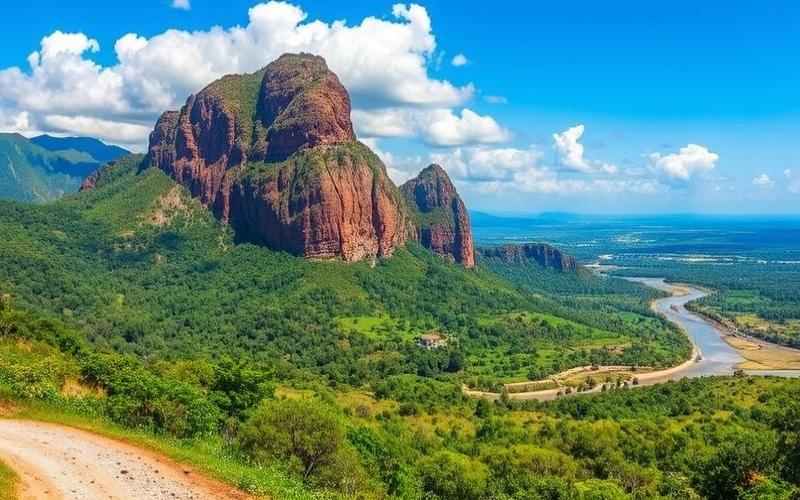
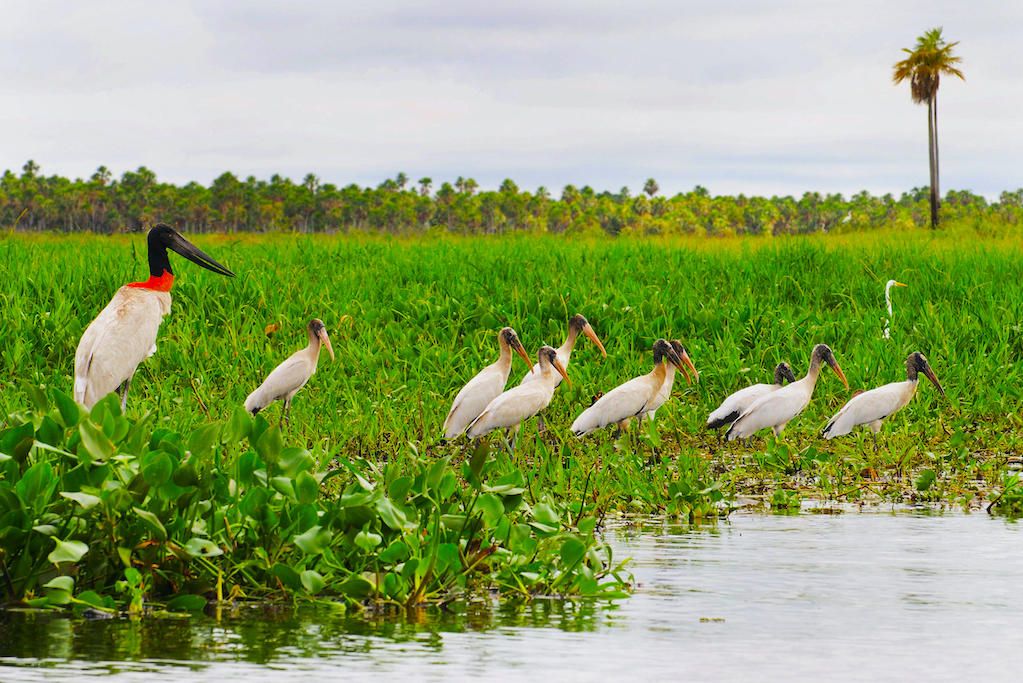
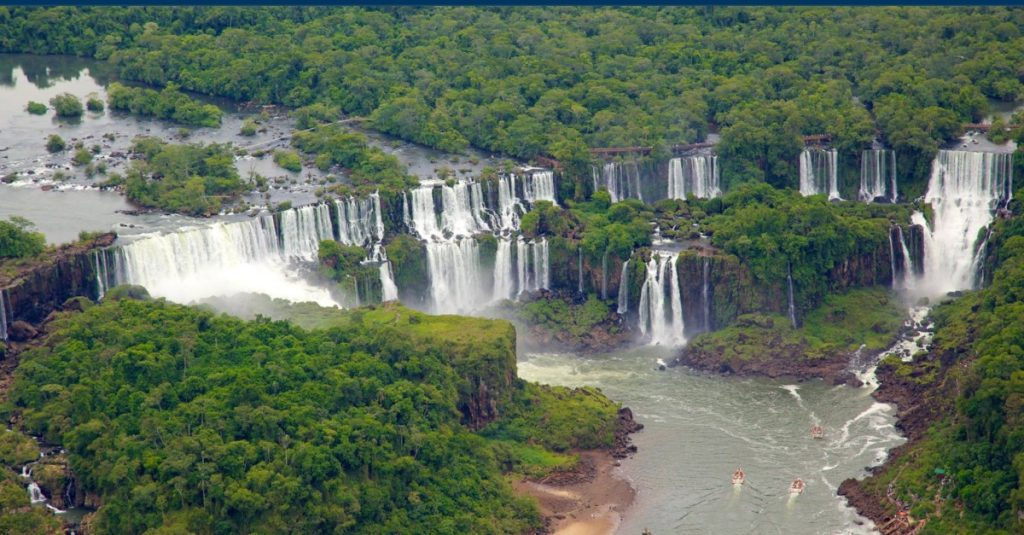
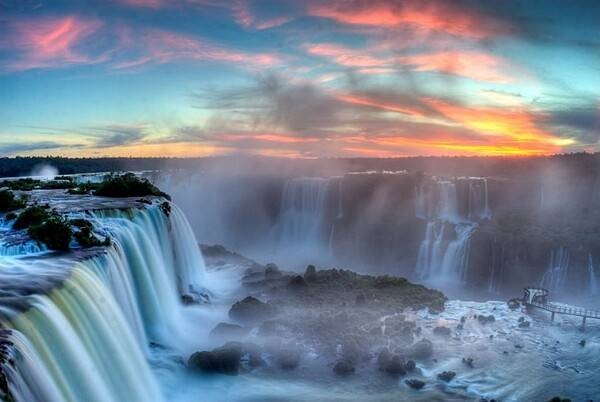
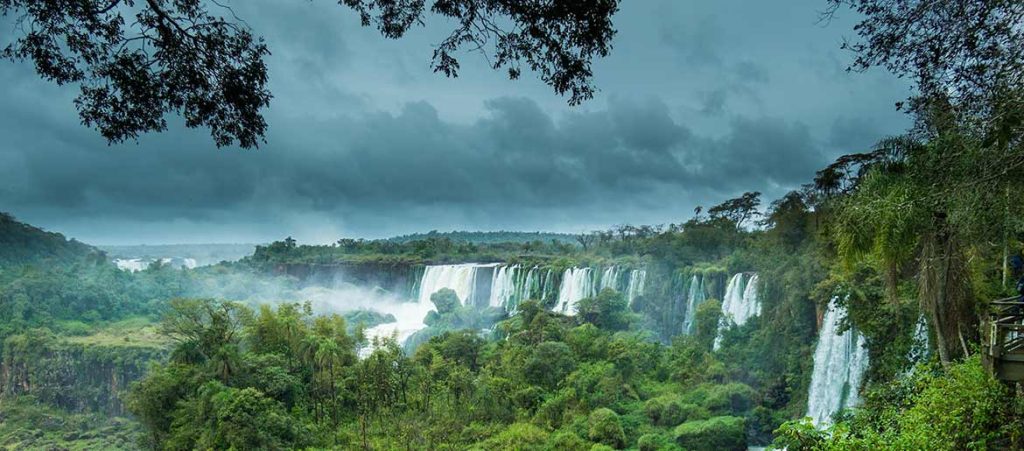
Eastern Paraguay is a tropical paradise with rivers, reservoirs, waterfalls, and lush vegetation. The most complete glimpse of South American nature can be found in the Ibique and Cerro Coro National Parks. The Fortín Toledo Nature Reserve is known for its dry forest ecosystem and rare animal species. The region’s man-made landmarks include the world’s largest dam, the 200-meter-high Itaipu Dam, and the 65-kilometer-long Yacyreta Dam.