Those who come to Pisa just to take a selfie with the Leaning Tower in the background are missing the point. There are at least four other things you should try: the local baccellato cheese, cacuccio fish soup, picci pasta, and delicious bruschetta with white or black truffles. If you try all of these and accompany them with a glass of Chianti, you’ll understand that in Pisa, the most important thing is to enjoy life, not just rush from one attraction to the next.
Entertainment and Attractions
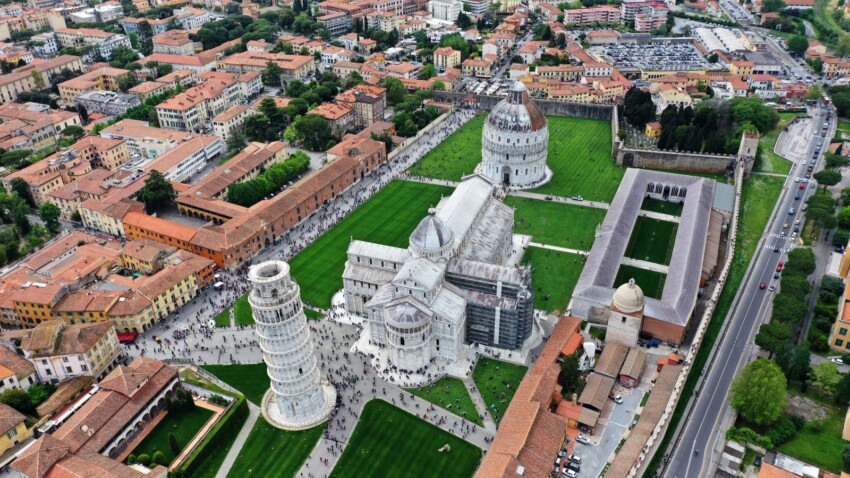
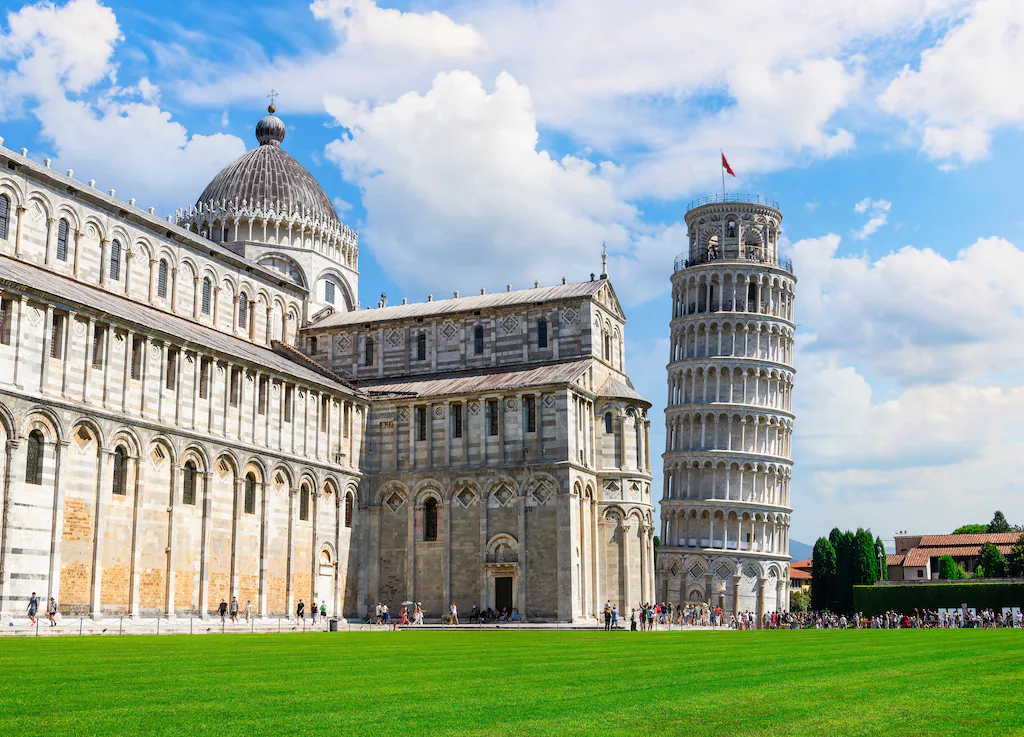
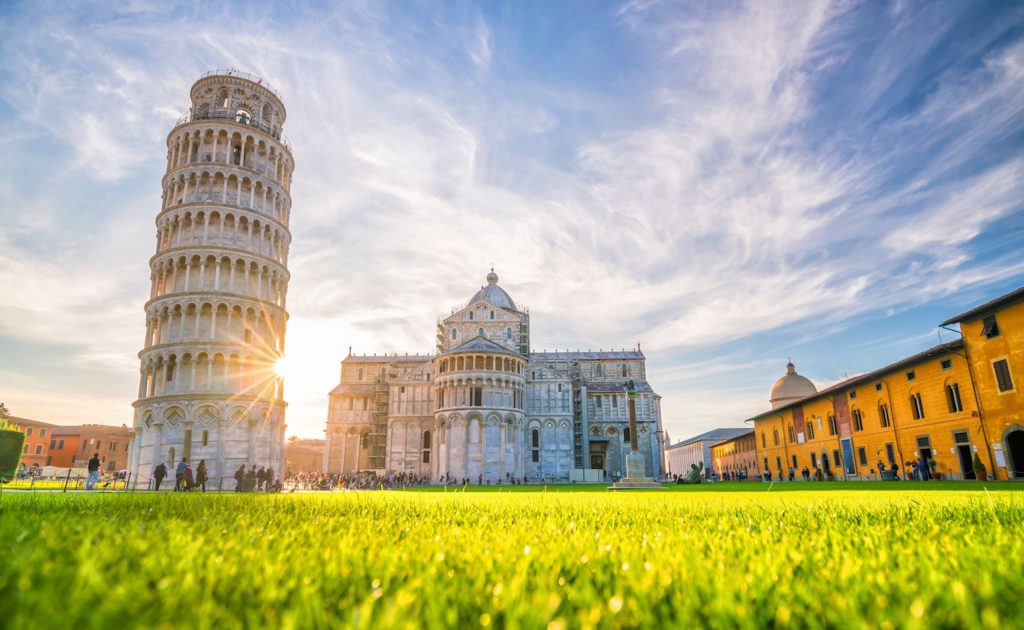
Pisa’s attractions extend far beyond the famous Leaning Tower. However, for many tourists, it’s the very first stop to explore the city. The area of the Field of Miracles, home to the city’s main symbol, offers several other interesting historical and architectural structures.
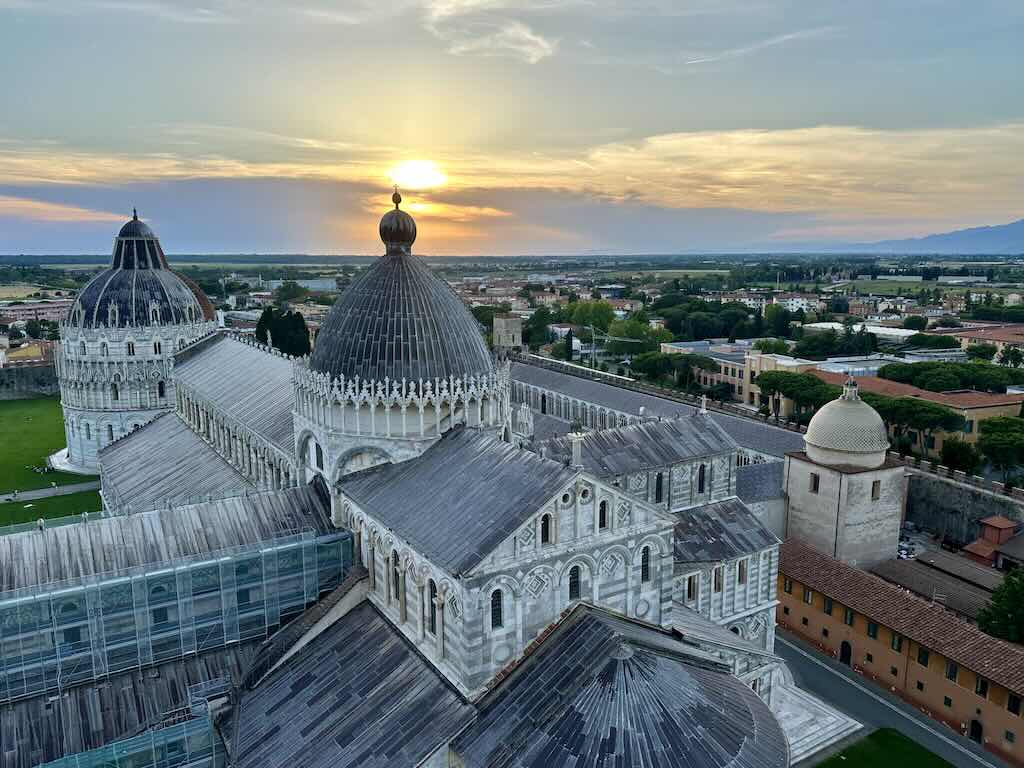
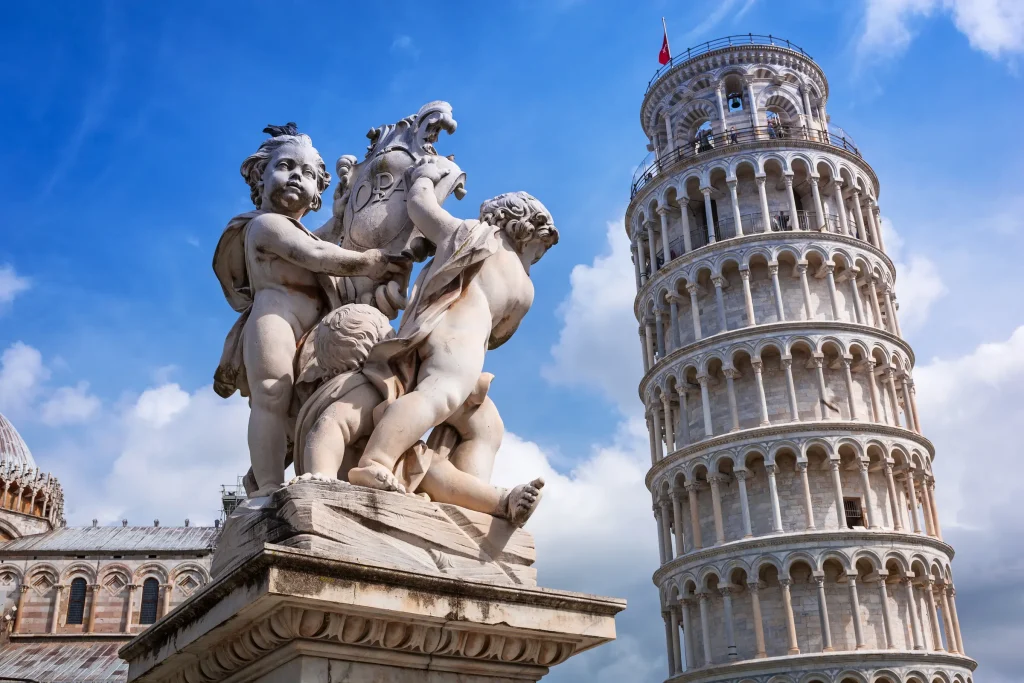
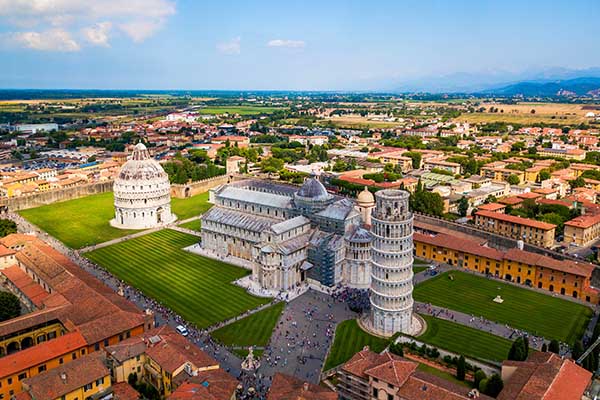
In the center of Piazza del Duomo stands the medieval Duomo, adorned with a majestic bell tower—the Leaning Tower of Pisa. After 5:00 PM, admission to the Piazza dei Miracoli, where the tower is located, is free.
Other remarkable architectural monuments of the Field of Miracles include the Campo Santo cemetery and the Pisa Baptistery, the largest in Italy. In the latter, you can notice a small sculpture of Hercules, which inspired Michelangelo to create the statue of David.
Pisa almost rivaled Byzantium for the title of “Second Rome.” In the 10th and 11th centuries, trade flourished, and gold regularly flowed into the city’s treasury. Instead of hiding it in coffers, the Pisans built palaces and temples. Although Pisa did not become the “Second Rome,” its architectural masterpieces have survived.
Aficionados of Italian architecture should visit the local palazzi, two of which are located in Piazza dei Cavalieri, Piazza dei Cavalieri, Pisa’s second most important square. The Palazzo dell’Orologio currently houses the library of the Scuola Normale Superiore, and the Palazzo della Carovana is a school.
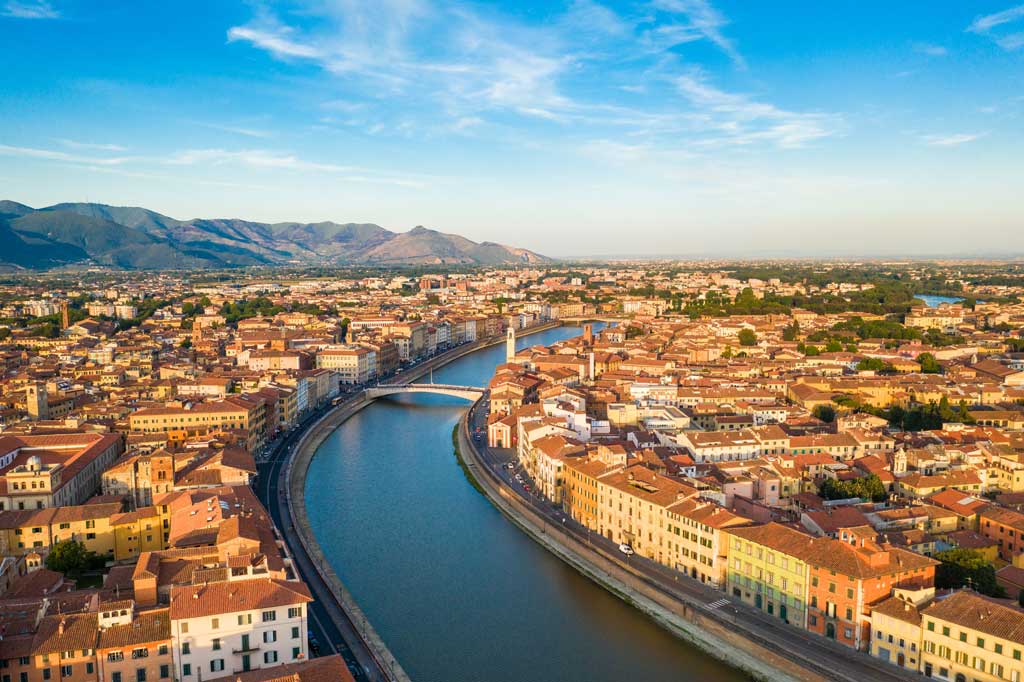
Aficionados of Gothic architecture should visit the small church on the left bank of the Arno River. Santa Maria della Spina is one of the most striking examples of this style in Europe, with its façade adorned with numerous sculptures and openwork details.