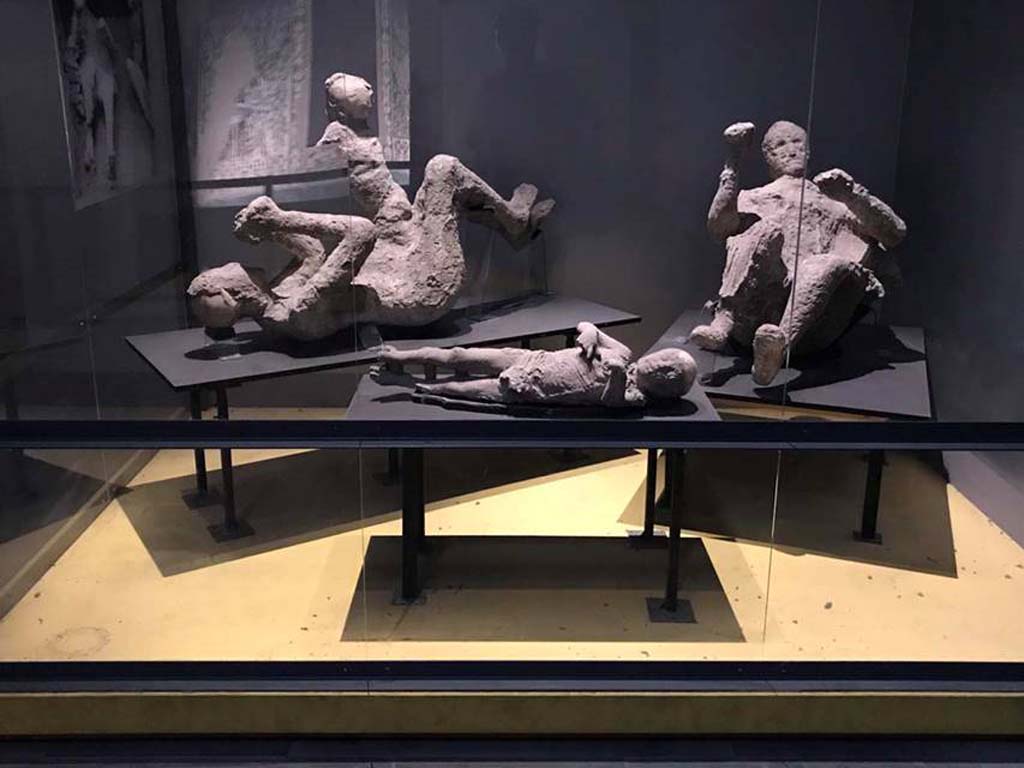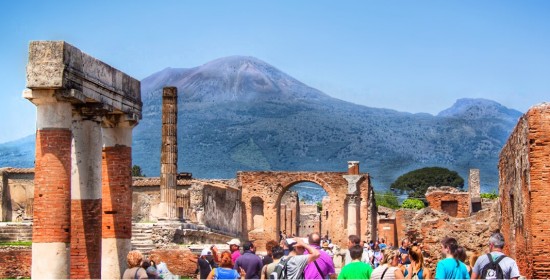
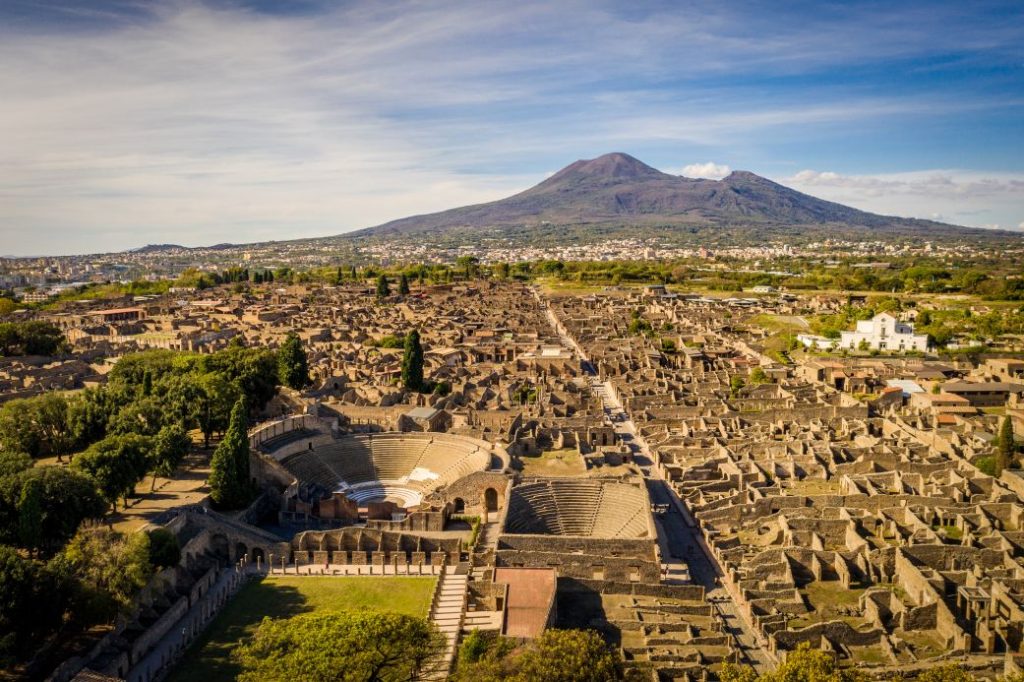
Pompeii, an ancient Roman city, was buried in ash in 79 AD by the eruption of Mount Vesuvius. Today, it is a popular Italian tourist attraction, converted into an open-air museum and a UNESCO World Heritage Site. The archaeological site of Pompeii is located near Naples and is part of the Campania region.
The earthquake that preceded the eruption of Vesuvius in 62 AD caused severe damage to the city, destroying most of its buildings to varying degrees.
Attractions in Pompeii
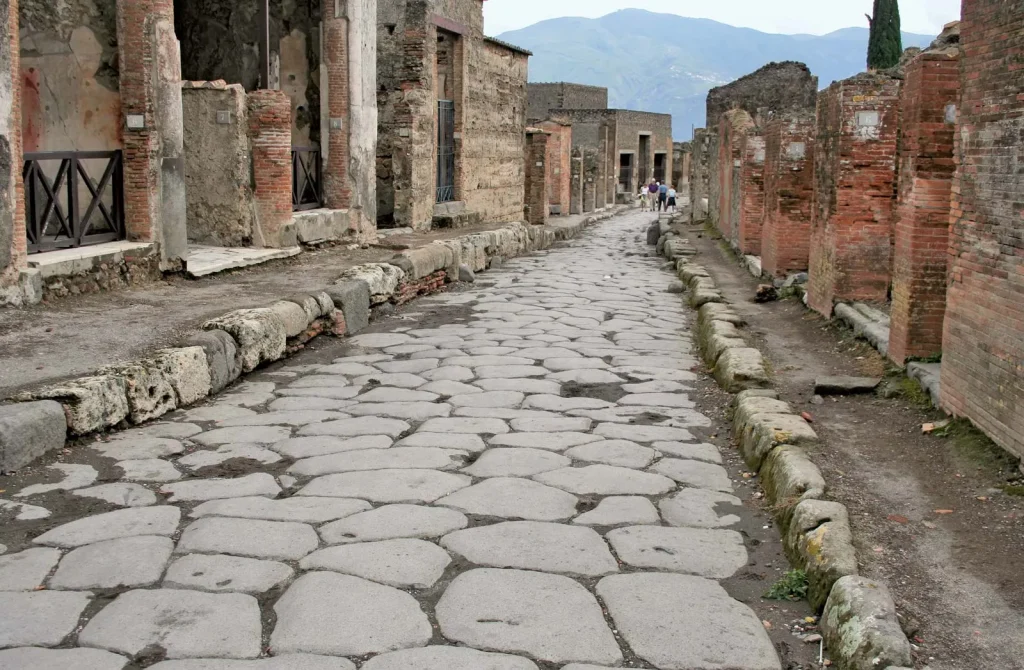
The archaeological site of Pompeii contains a variety of structures of historical and architectural interest. These include an amphitheater, a large palaestra, a forum, a temple of Apollo, as well as various residential buildings, baths, a lupanarium, and other buildings. The Pompeii Amphitheater, built in the 80s BC, measured 135 by 104 meters and could accommodate up to 20,000 spectators at a time. It is the oldest known amphitheater in the world. The Great Palaestra was a space measuring 130 by 140 meters and was intended for gymnastics and athletic competitions.
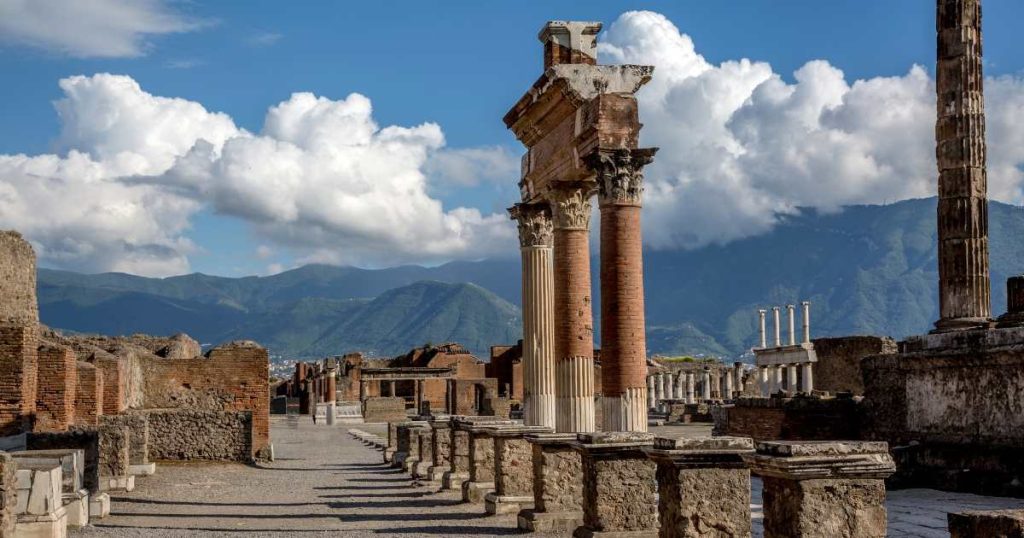
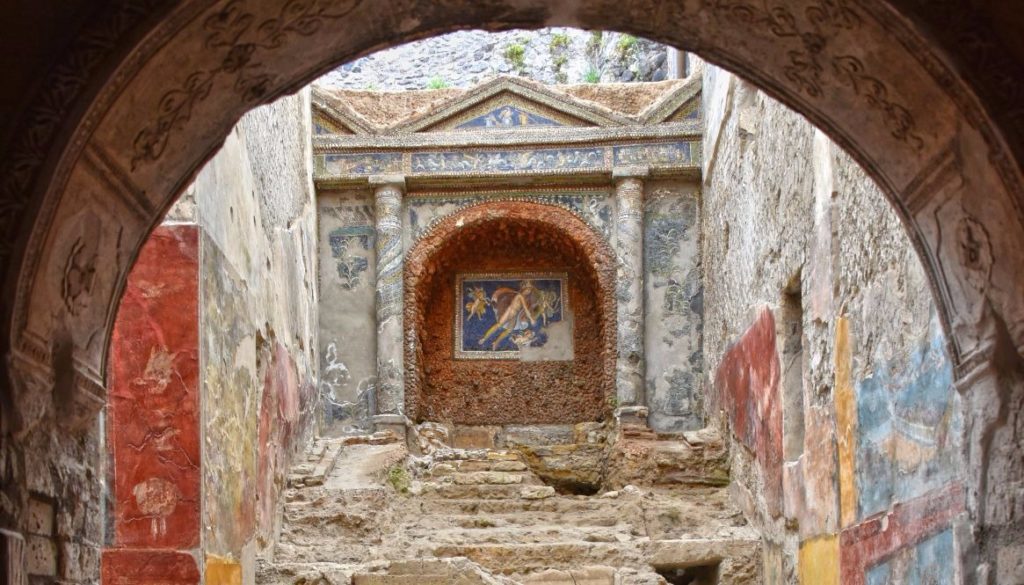
The Forum of Pompeii was the heart of the city’s public life and occupied a vast area, sufficient to accommodate the entire population of Pompeii. The Temple of Apollo is believed to be the oldest temple in Pompeii, built around 575-550 BC. It was surrounded by 28 Corinthian columns, two of which remain today. Pompeii’s residential buildings, such as the House of the Tragic Poet, the House of the Faun, the House of the Vettii, and the House of the Surgeon, are characterized by unique interior details, such as mosaic floors and frescoes depicting Greek mythology. Various thermal baths, as well as bakeries, wool workshops, and other artisan workshops, have also been discovered within the complex.