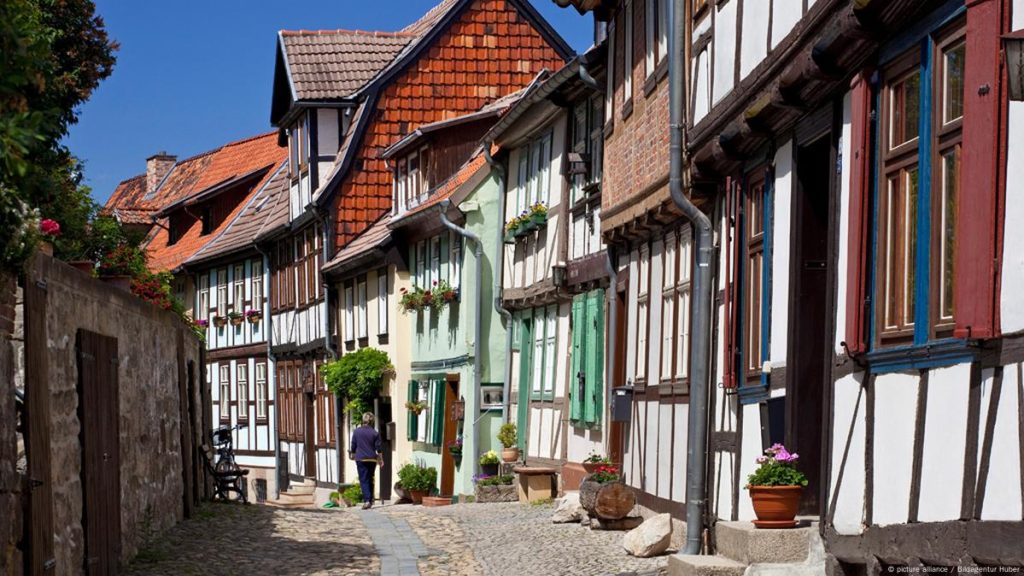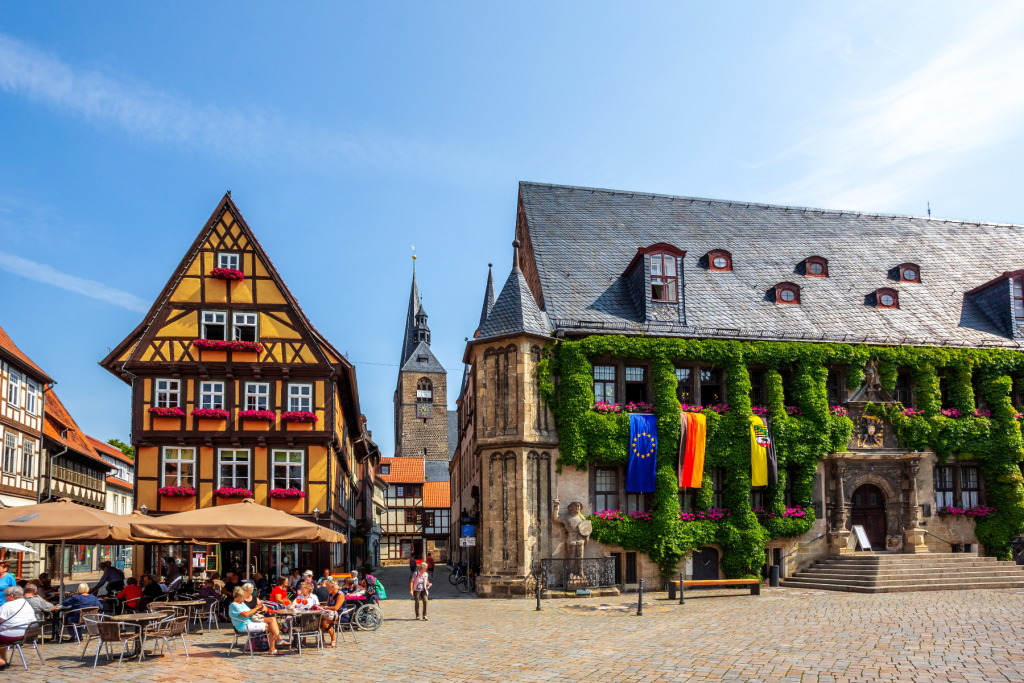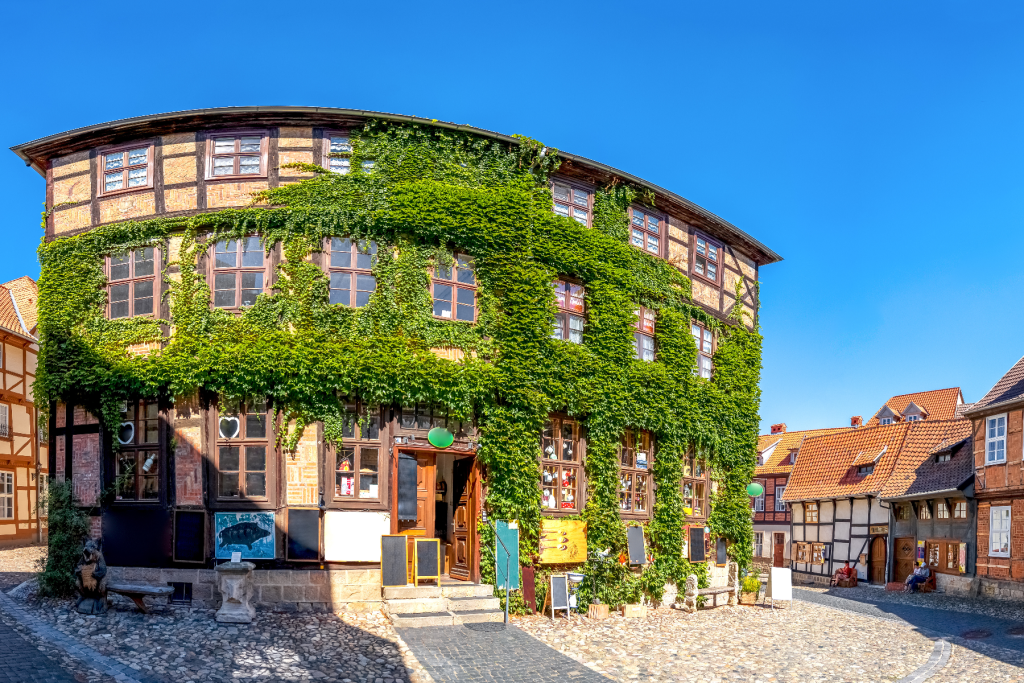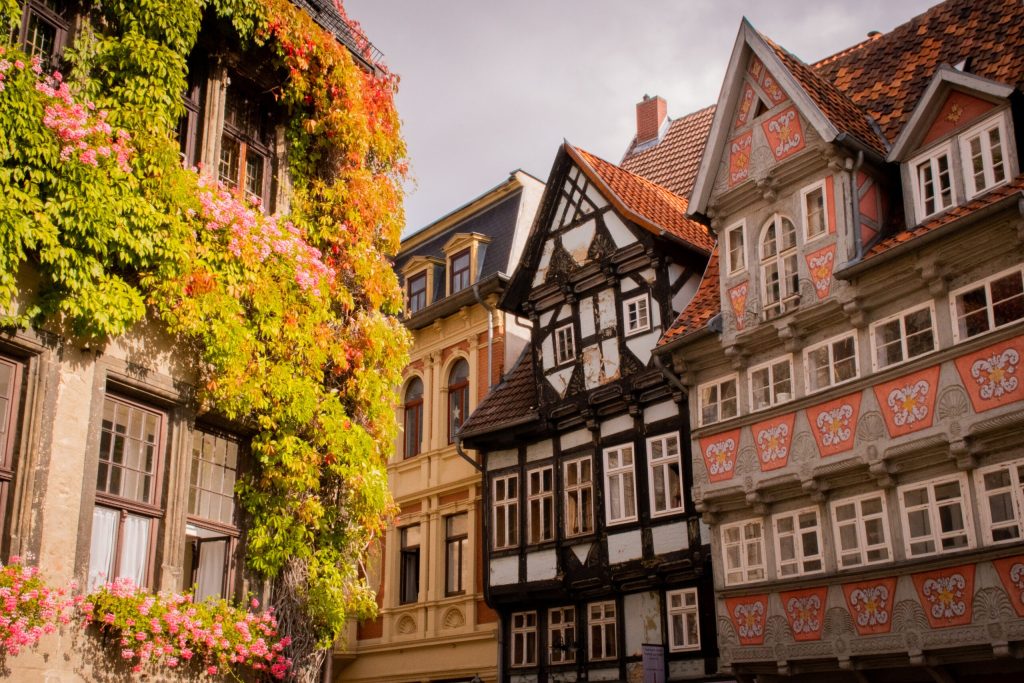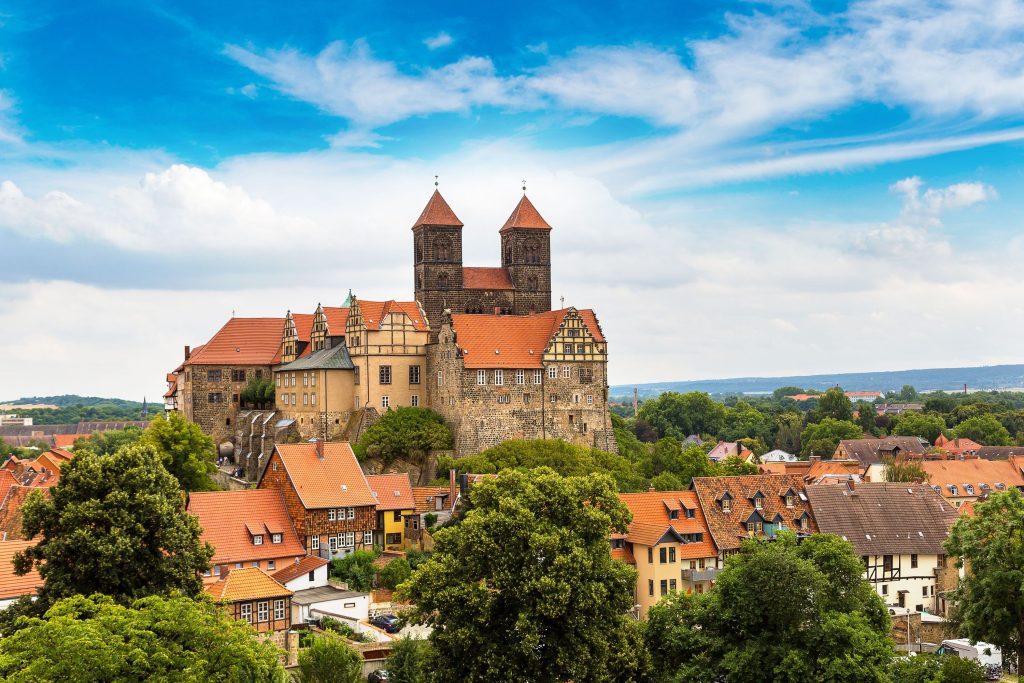
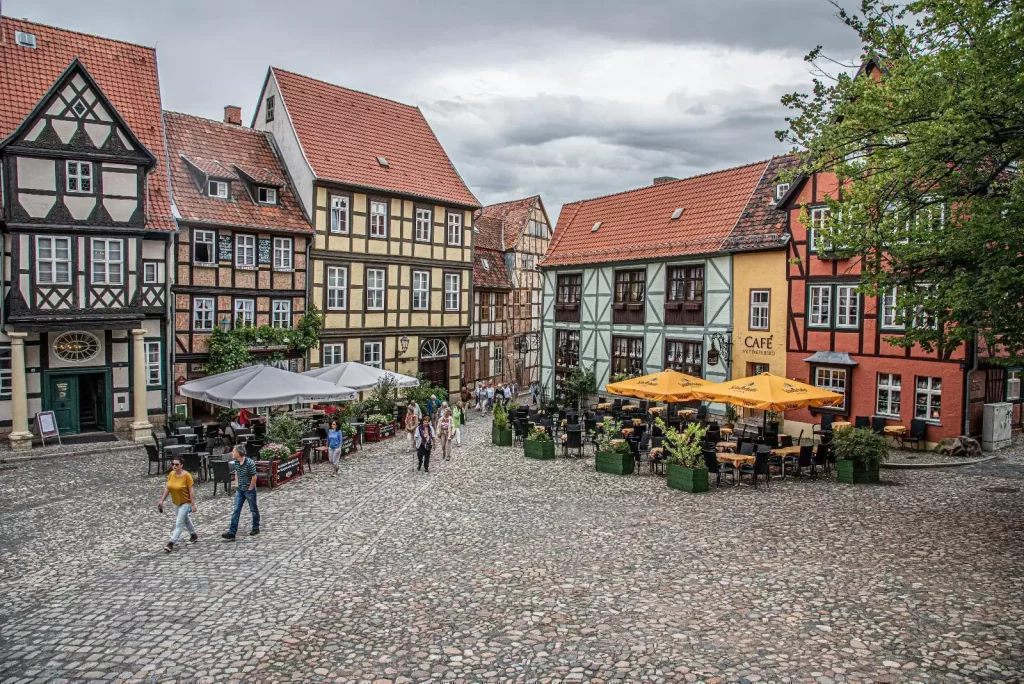
 Quedlinburg is one of the most picturesque places in Germany. It is located on a fertile plain at the northern foot of the Harz Mountains.
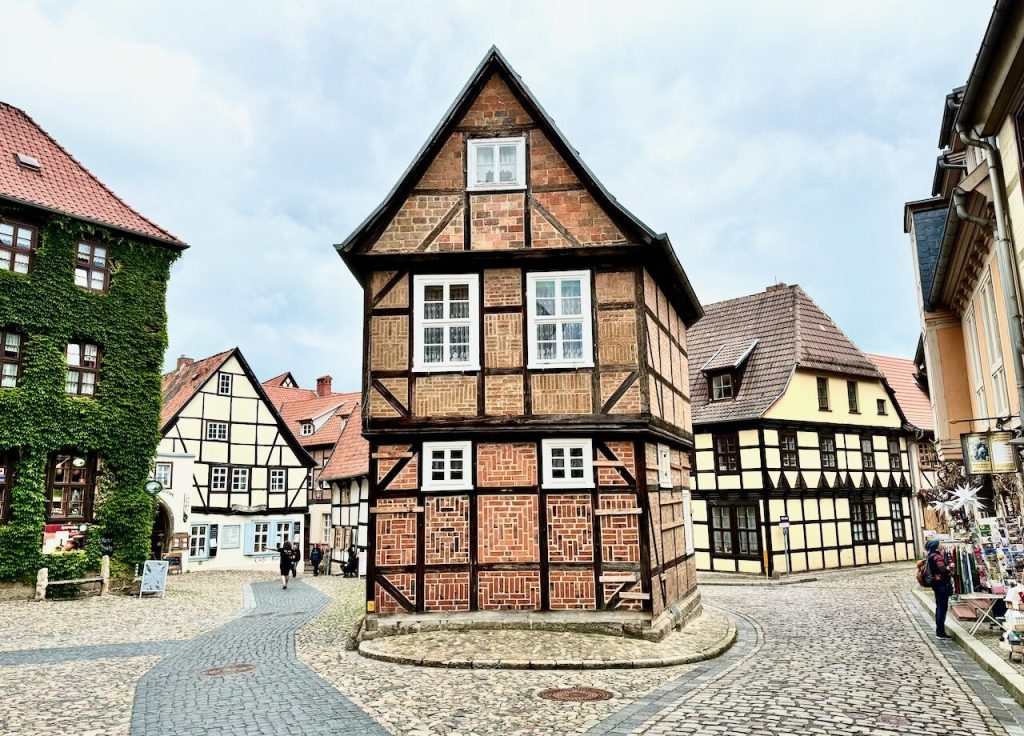
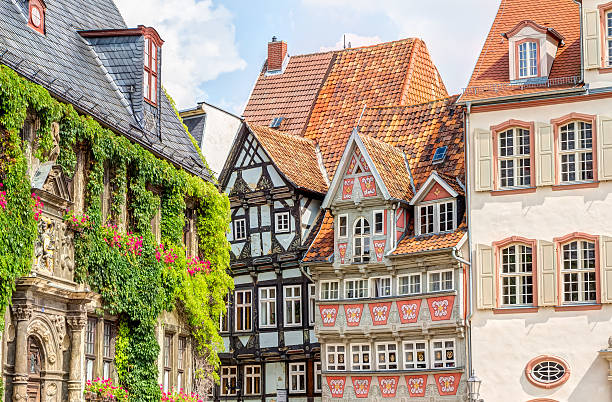
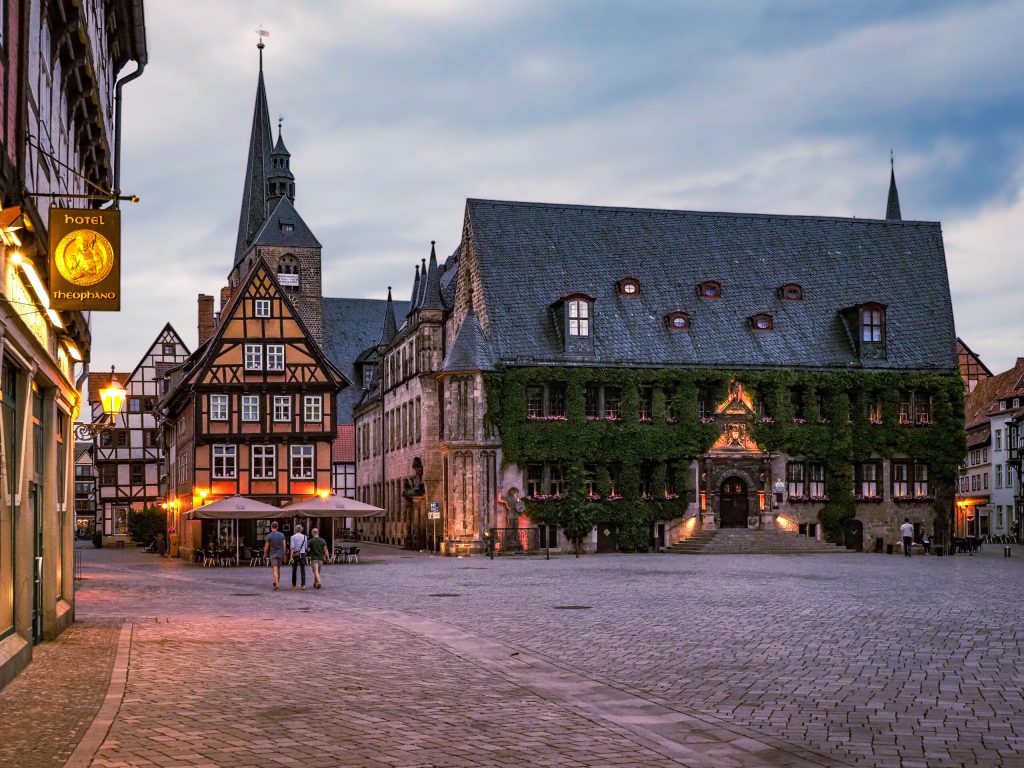
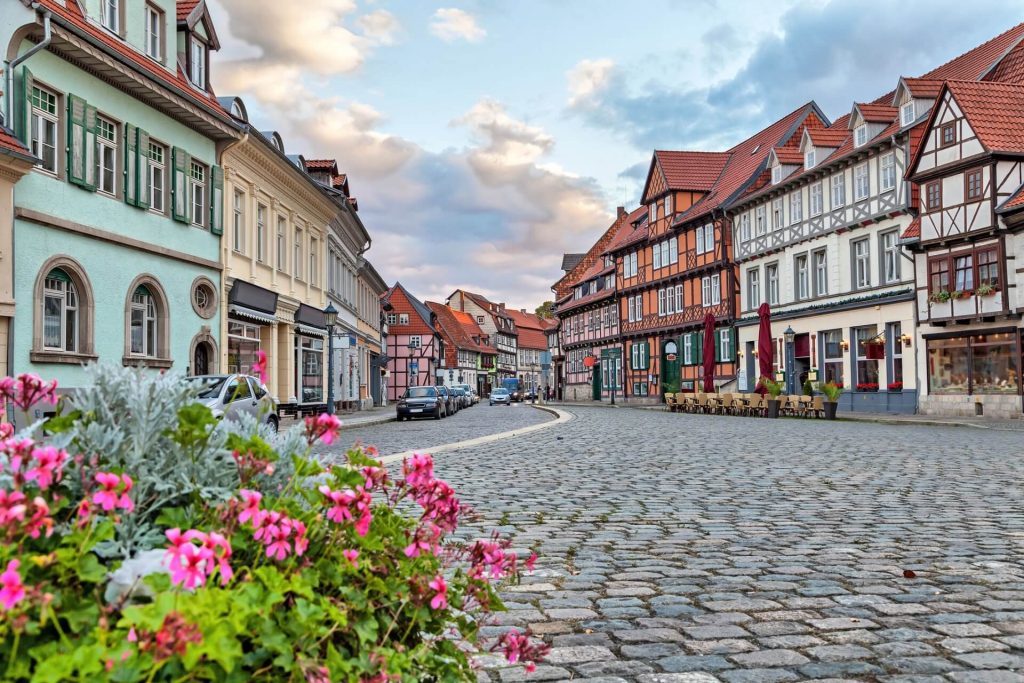
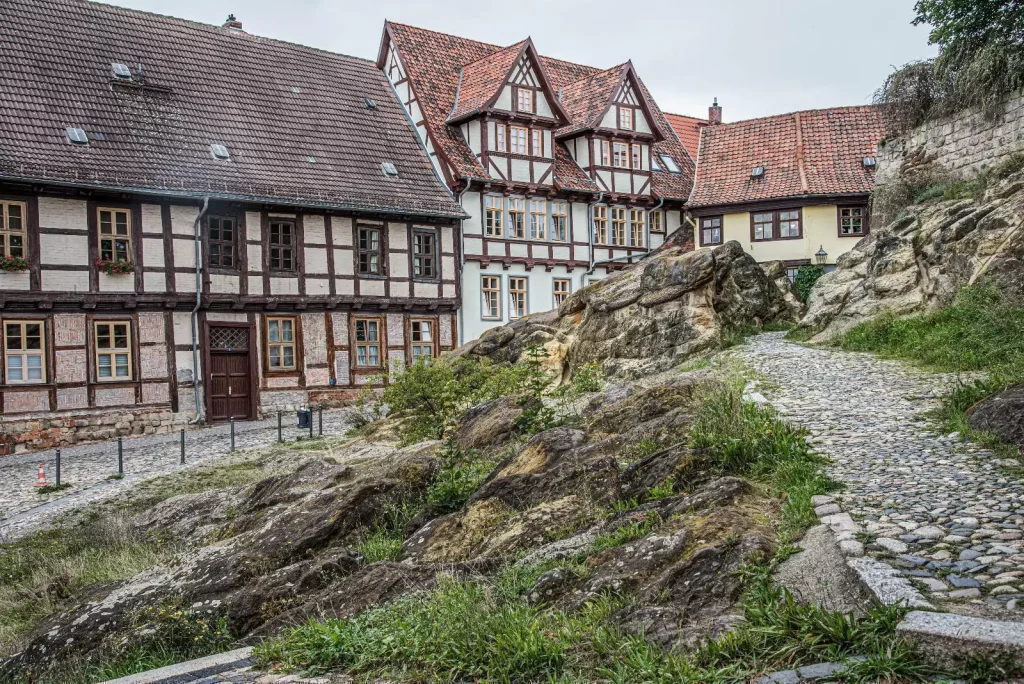
Among its many attractions, the Old Town stands out, where tourists can see half-timbered houses built over six centuries ago. At the end of the 20th century, Quedlinburg was added to the UNESCO World Heritage List, and since then, conservation efforts have been underway to preserve all its landmarks.
What to see in Quedlinburg?
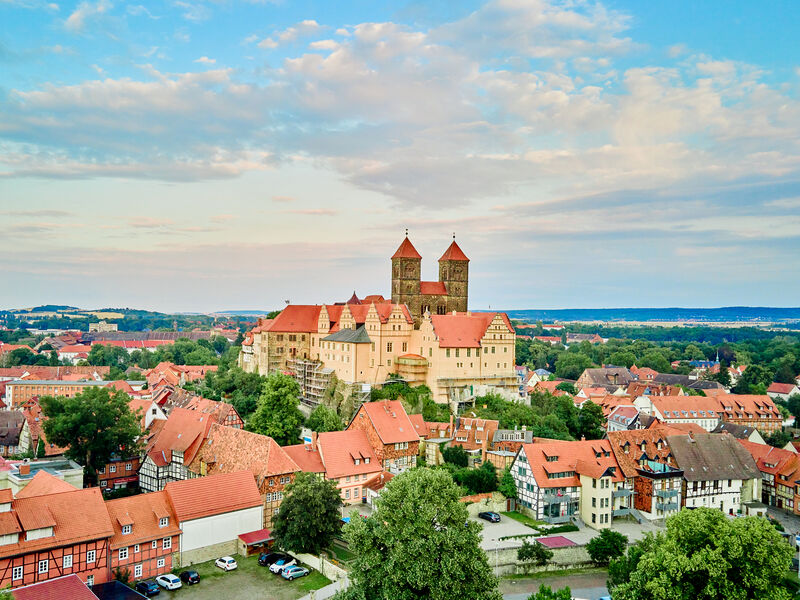
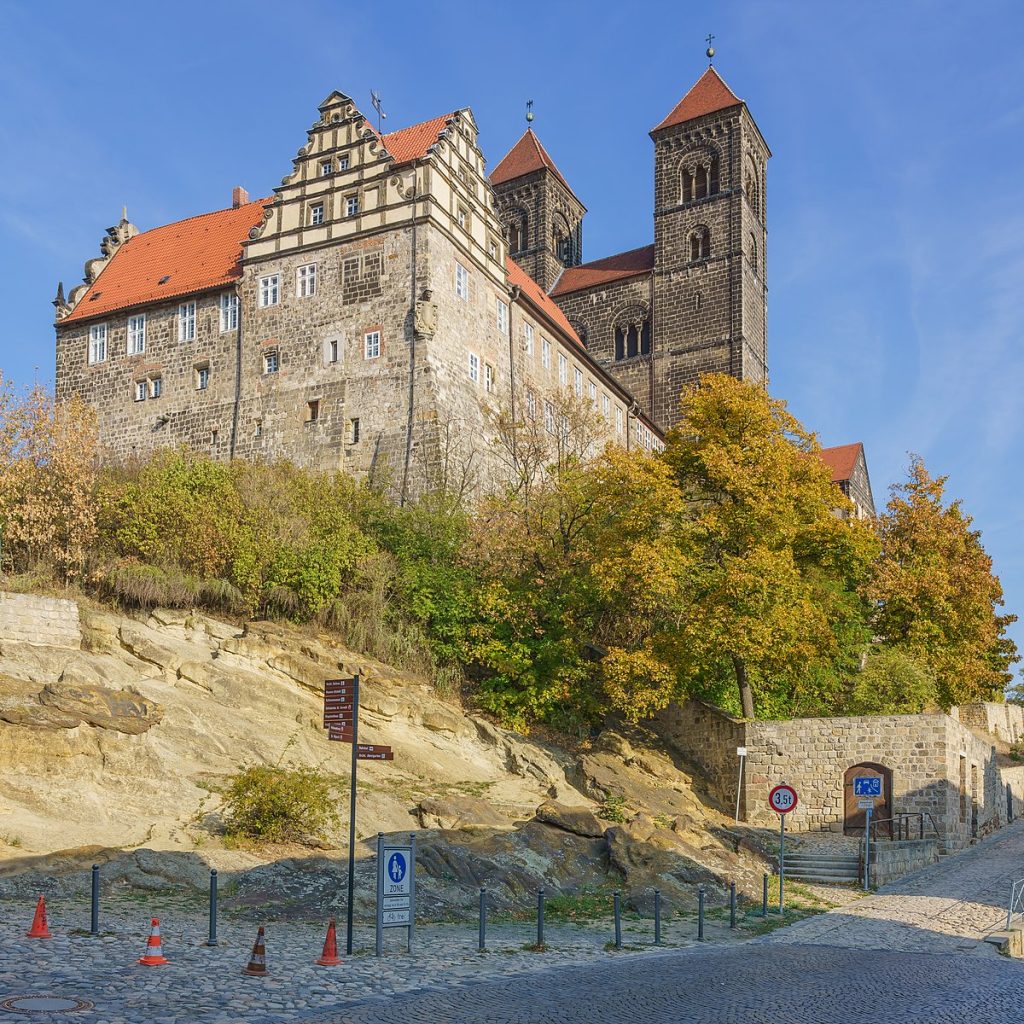
Collegiate Church of St. Servatius
This church was built in the 13th century and is considered one of the most significant churches of its time. Its treasury contains a large number of relics and early copies of the Bible. The crypt of Heinrich, his widow Matilda, and some of the monastery’s inhabitants is located on the grounds of the Church of St. Servatius.
Castle Museum
The castle museum is located on a 25-meter plateau overlooking Quedlinburg. During the reign of Henry the Fowler, the castle was expanded with a residence and a church. The castle now houses a museum displaying a special collection of artifacts from the Ottonian period.
Fortified Abbey
This picturesque abbey, with its stunning views, is perfect for exploring on foot. Be sure to climb to the observation deck to admire the beauty of the city from above.
Half-Timbered Architecture Museum
The museum displays half-timbered houses, which were constructed in the 14th century using tall, perpendicular beams. One of them houses a museum displaying exhibits demonstrating construction equipment and the style of construction.
Lyonel Feininger Gallery
The Lyonel Feininger Gallery displays works by this Bauhaus-style artist. Lyonel Feininger was born in New York City in the 19th century. After moving to Germany, he was persecuted by the Nazis, from whom he was forced to flee to the United States.