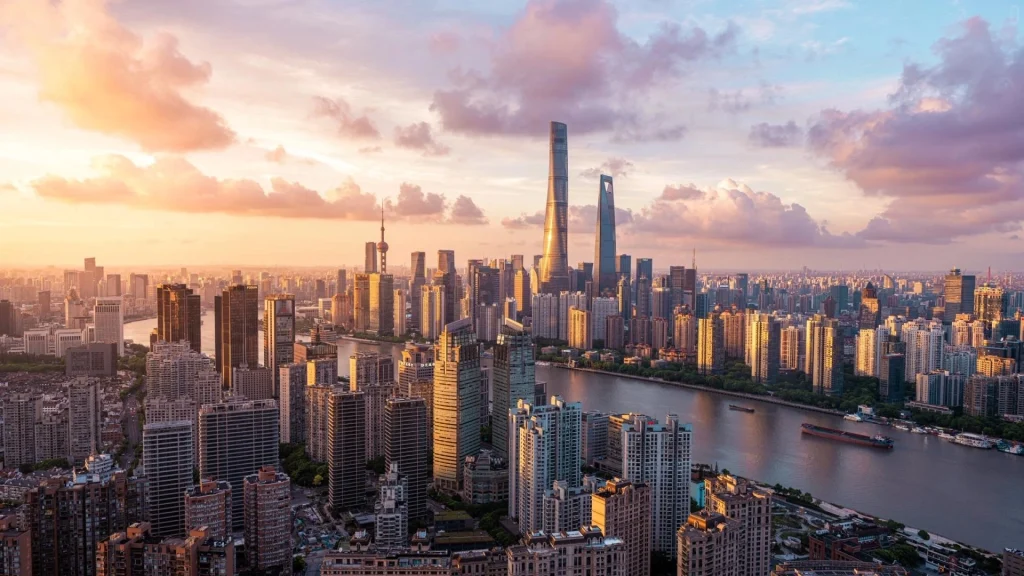
Shanghai once began as a simple fishing village, but today it is often called the most Europeanized city in China. It is also called the Paris of the East, as the number of Western boutiques here is almost comparable to what can be found in the French capital.
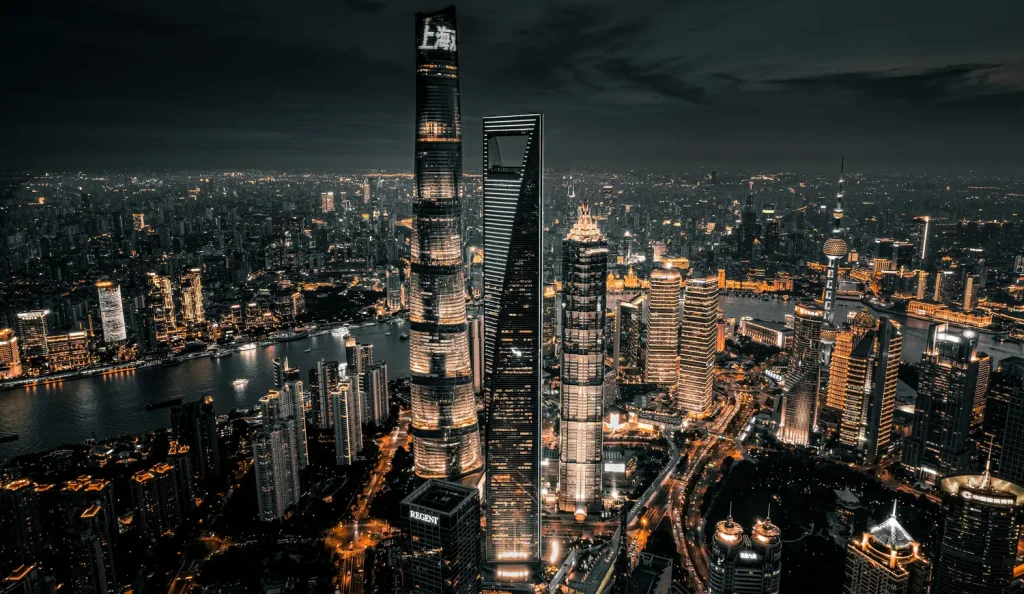
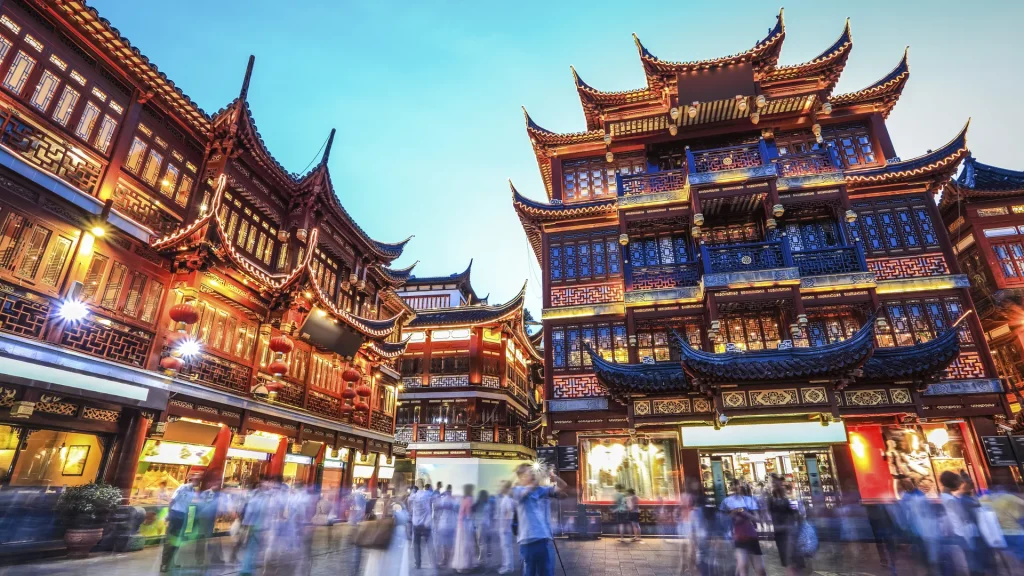
Modern Shanghai is characterized by skyscrapers, financial centers, Western restaurants, and businessmen in suits. But to understand the true essence of the city, it is enough to look into its neighboring neighborhoods. Shanghainese people do not forget their roots and traditions. They prefer Chinese cuisine, are proud of their architecture, and are always ready to surprise tourists with something authentic. This could be an ancient Chinese pagoda, a silk market occupying almost two city blocks, or even grasshopper skewers.
Shanghai Attractions and Entertainment
Shanghai is famous for its “Venice” district – the ancient city of Qibao, which, other than its name, has little in common with the West. The English, American, and French Quarters are also located here, the latter always bustling with tourists.
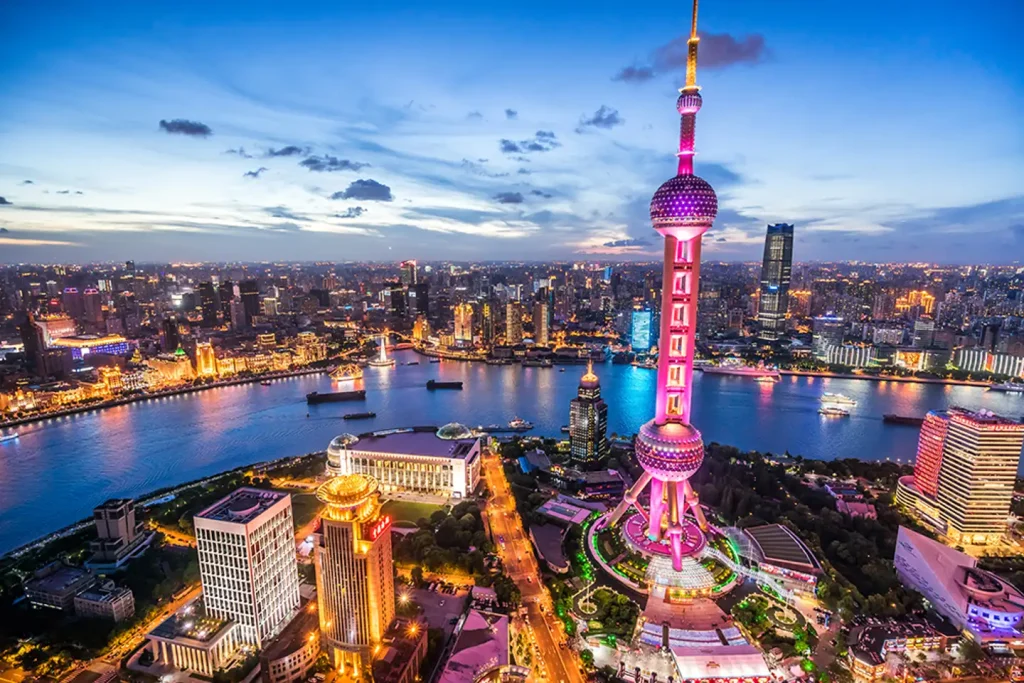
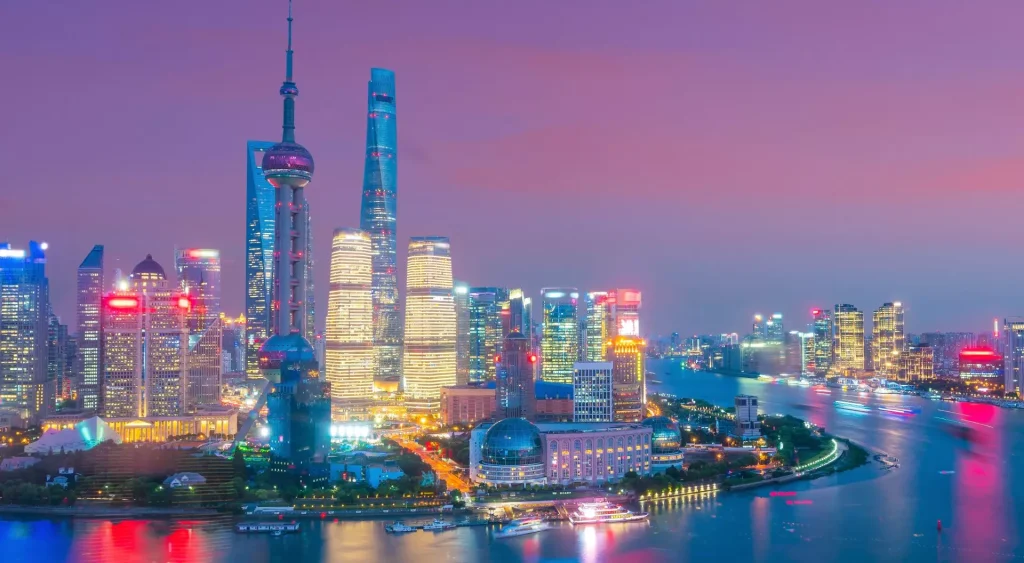
One of the most popular attractions for visitors to Shanghai is the Bund, also known as the Bund. A riverboat trip along the Huangpu River to its confluence with the Yangtze is a great way to get to know the city better. This three-hour tour will allow you to see majestic bridges, piers, terminals, and thousands of colorful boats.
The Bund is known as a showcase for architecture from around the world—dozens of historic buildings, built with the participation of people from various countries, line the shore. Here you can see Gothic castles, Renaissance palaces, and Baroque buildings.
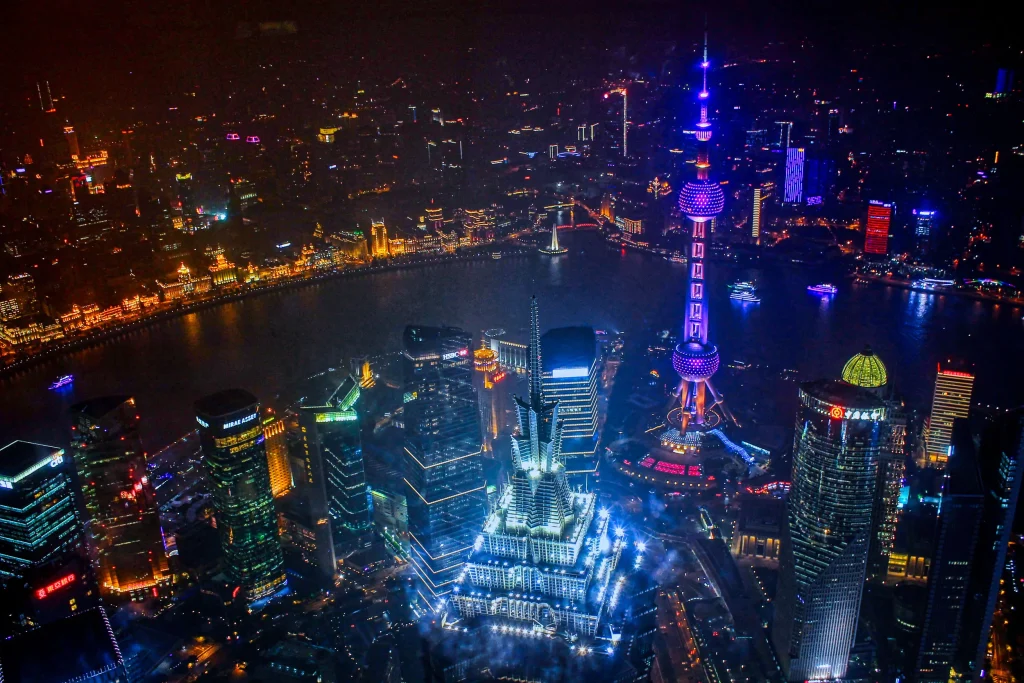
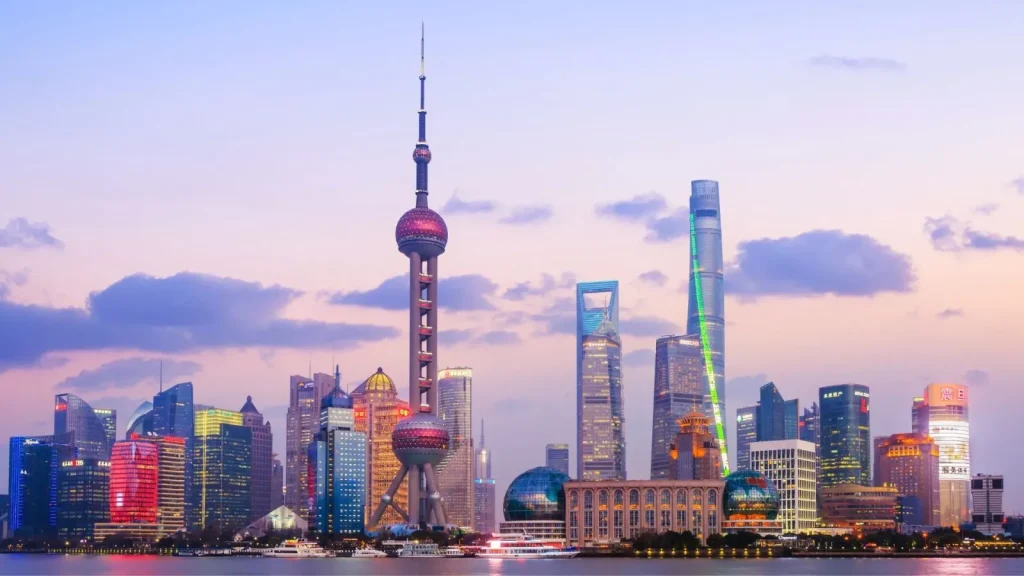
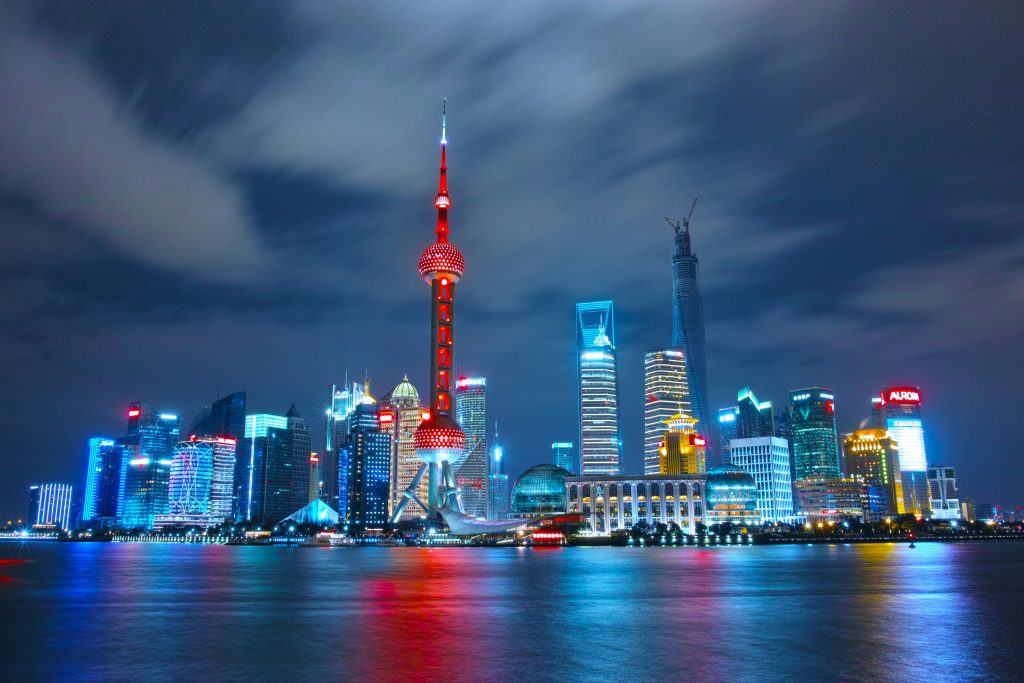
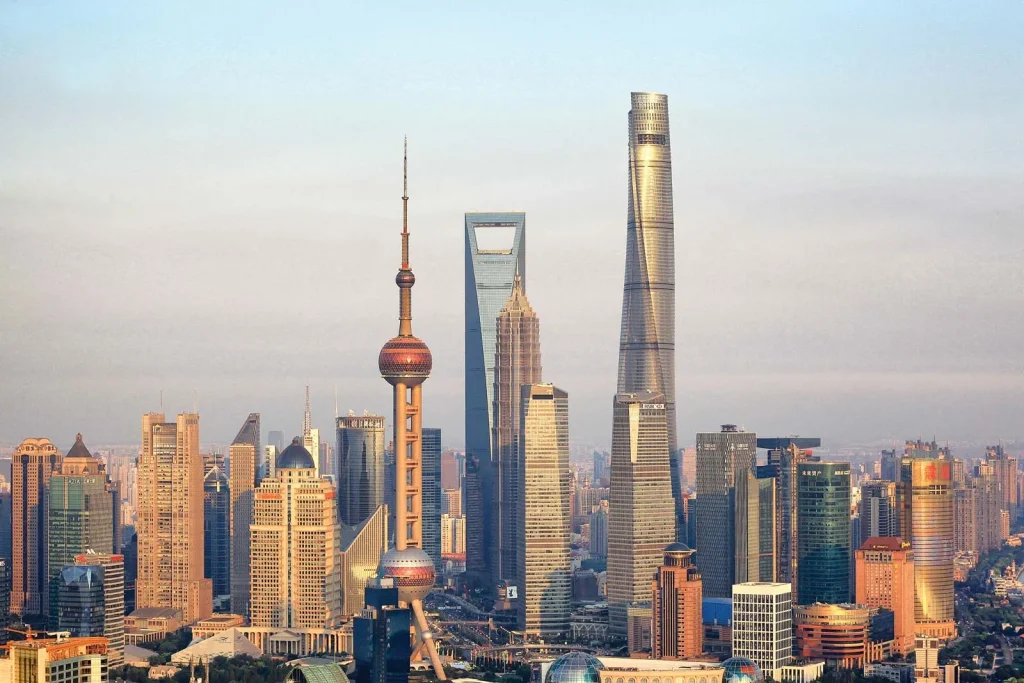
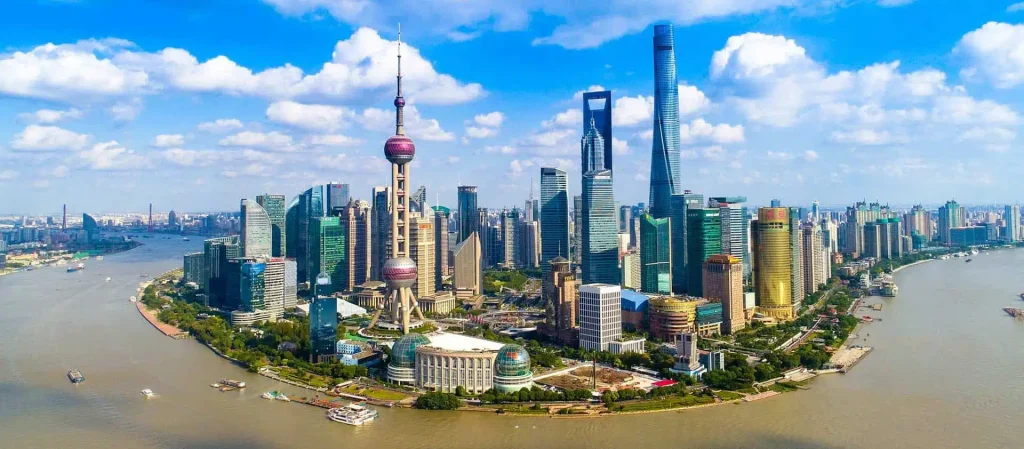
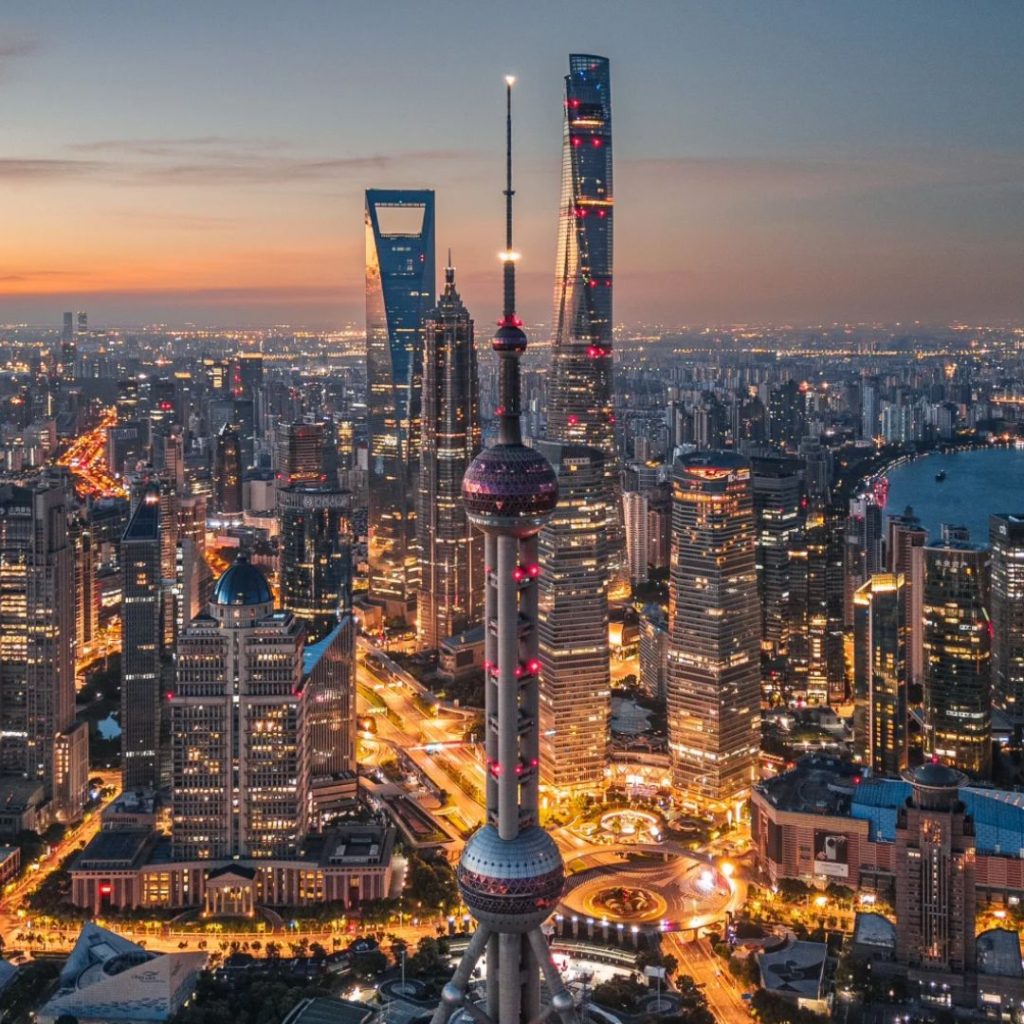
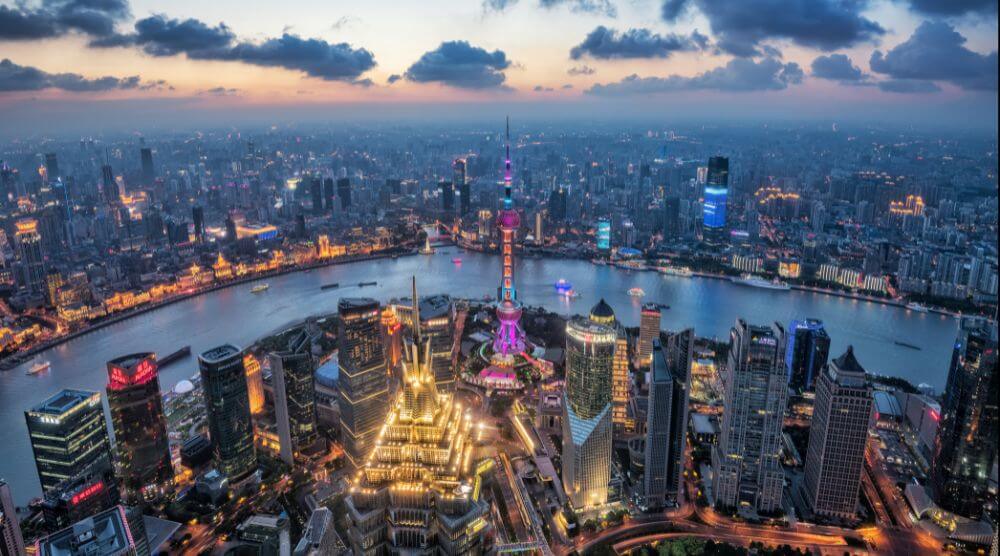
Opposite the Bund is the local “Manhattan”—the tourist district of Pudong. It can be reached through an underwater tunnel, the main attraction of which is the Oriental Pearl TV Tower, one of the tallest in the world. Its observation deck offers magnificent views, and on the ground floor is a fascinating museum, “The History of Shanghai in Dolls.”
The city’s main shopping street, Nanjing Street, leads to Renmin Square, the largest square in the city. Here are the Shanghai Grand Theatre, the city’s main museum, and the government building. In the evening, a large musical fountain comes to life on the square.
One of the most outstanding architectural ensembles in Shanghai is Yu Yuan’s “Garden of Joy,” built in the 16th century. Here you’ll find several historical monuments with poetic names, such as the Pavilion of the Merry Fishermen, the Pavilion of Gentle Warmth, and the Nine-Curved Bridge.