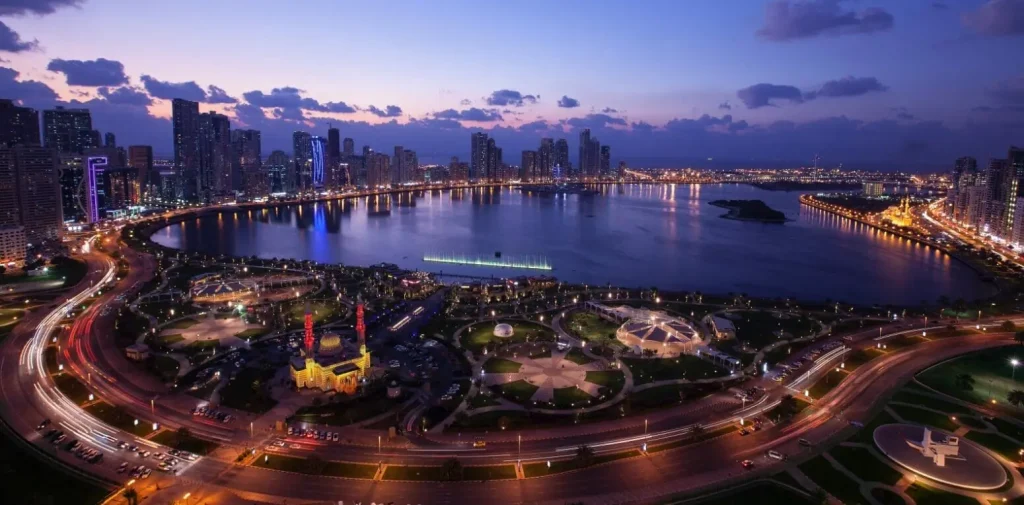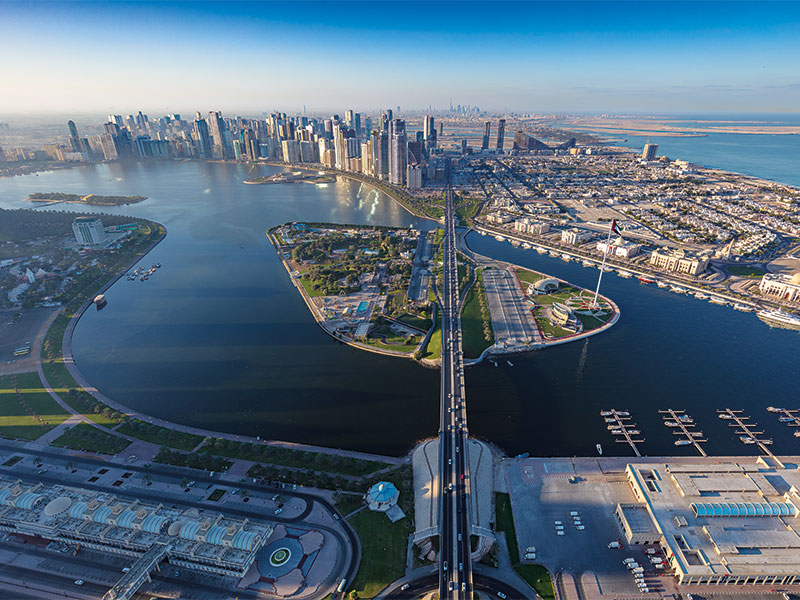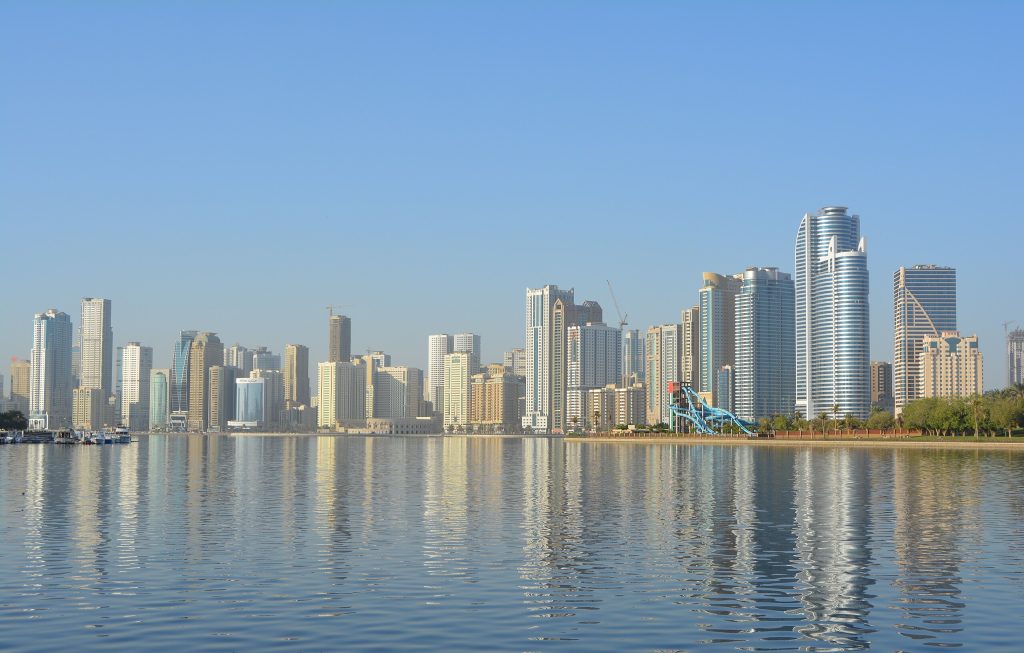
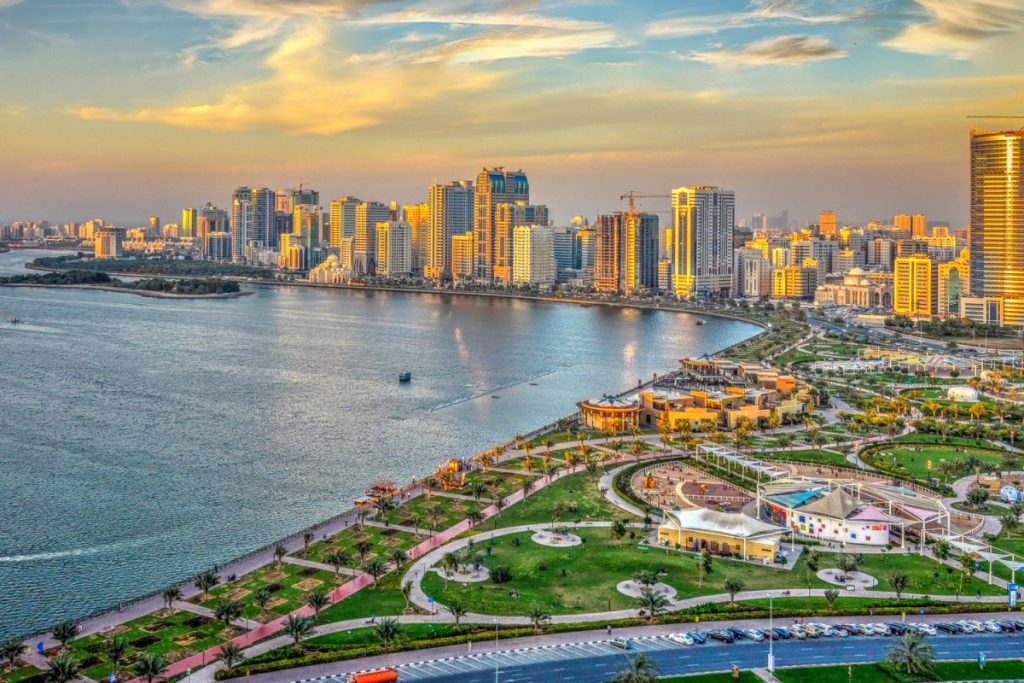
Sharjah holds the title of the country’s cultural capital thanks to its many unique museums, galleries, and theaters, which would embellish any European city. Contemporary architecture harmoniously coexists with a traditional oriental souk, where you can spend hours wandering from one stall to another in search of souvenirs or gold jewelry.
Entertainment and Attractions
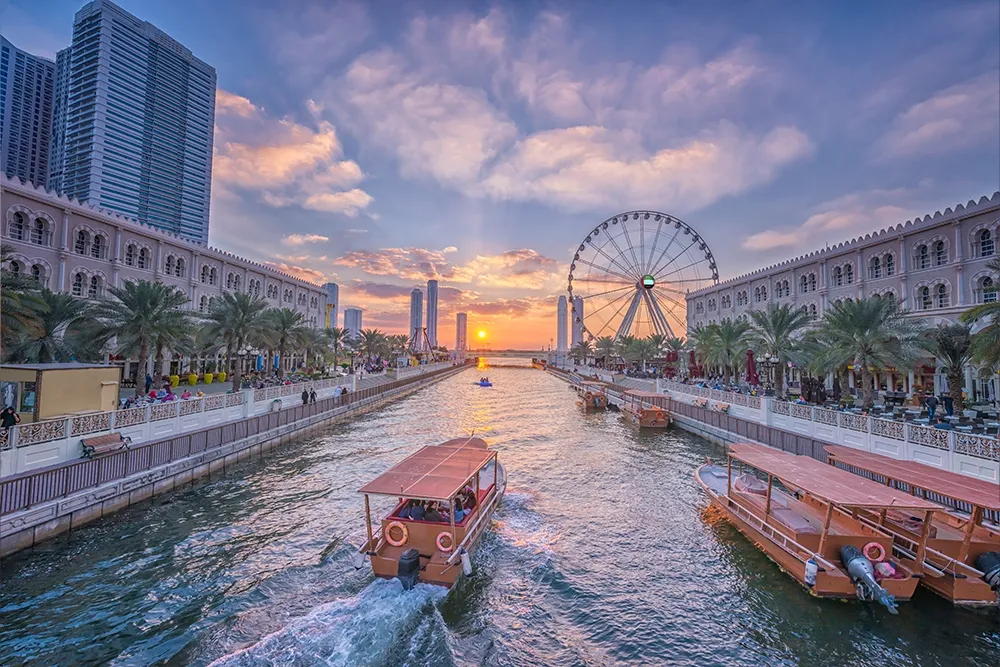
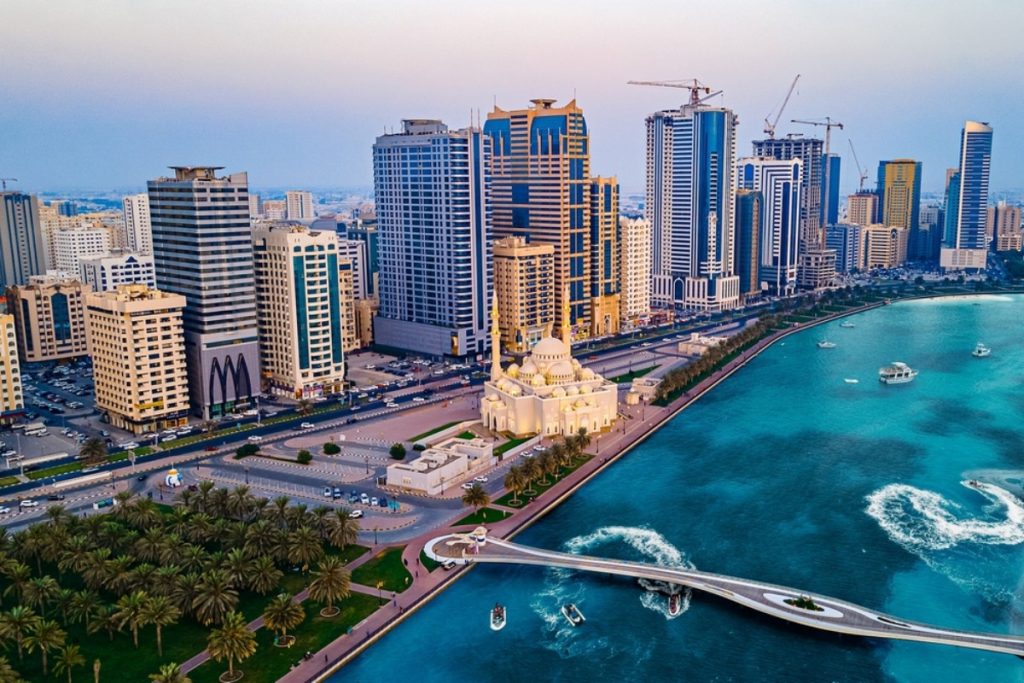
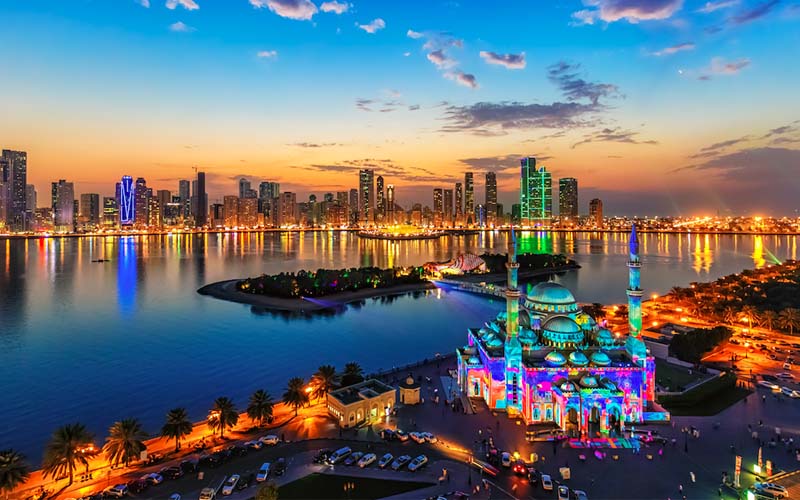
The Al Qasba pedestrian area is a favorite spot for evening strolls for both couples and families with children. Sharjah’s main landmarks are located around the canal, and the best view of them can be enjoyed from atop the Eye of the Emirates Ferris wheel, 60 meters above sea level. From above, you can admire the 100-meter dancing fountain in the neighboring Al Majas Park, which puts on shows from 7:30 PM until midnight.
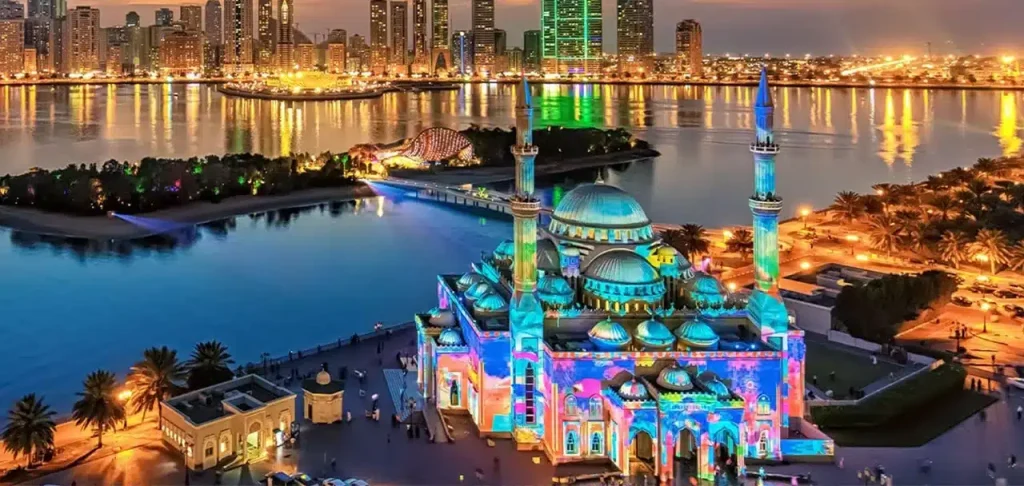
A major landmark of Sharjah is the King Faisal Mosque, which was donated to the emirate by the Saudi monarch, who announced a competition for the best building design. A Turkish architect won the competition for a traditional mosque with two minarets, reminiscent of the side of an airliner. Nearby is another religious landmark—a 7-meter-tall monument to the Quran. Sharjah has earned this respect thanks to its strict laws.
Historical sites are compactly located in the Old City, in the Merijeh district, known as Sharjah’s “museum treasury.” Among the new buildings, the watchtowers of Al-Hish Fort, once home to the sheikh and his family, stand out. It now houses an exhibition complex divided into thematic sections: the first floor tells the story of the city’s history, while the second floor explores the lives of the nobility. A tour of the Sharjah National Heritage Museum will help you gain a deeper understanding of Emirati culture. Many travelers compare a walk here to a journey back to a time before oil production began in the UAE.
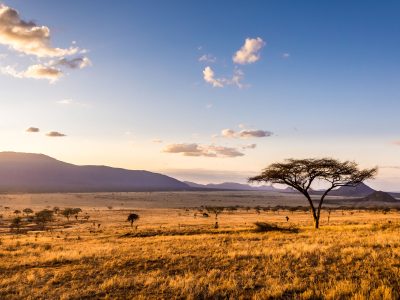
A unique attraction is the Sharjah Desert Park, located 28 km from the city. This wildlife sanctuary was created to protect endangered species. Its one-square-kilometer site houses the Botany and Natural History Museums, the Arabian Peninsula Wildlife Center, and a farm where you can feed the animals.