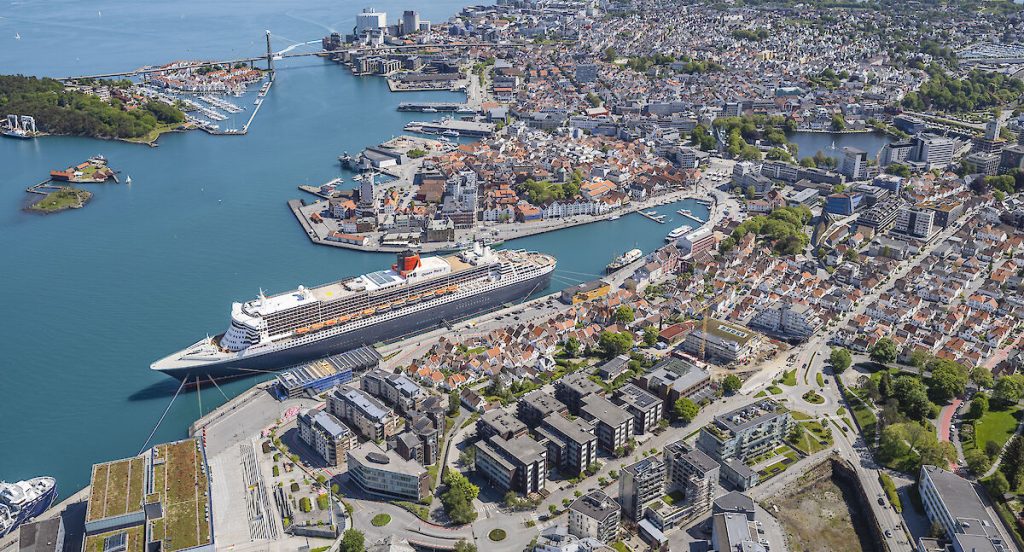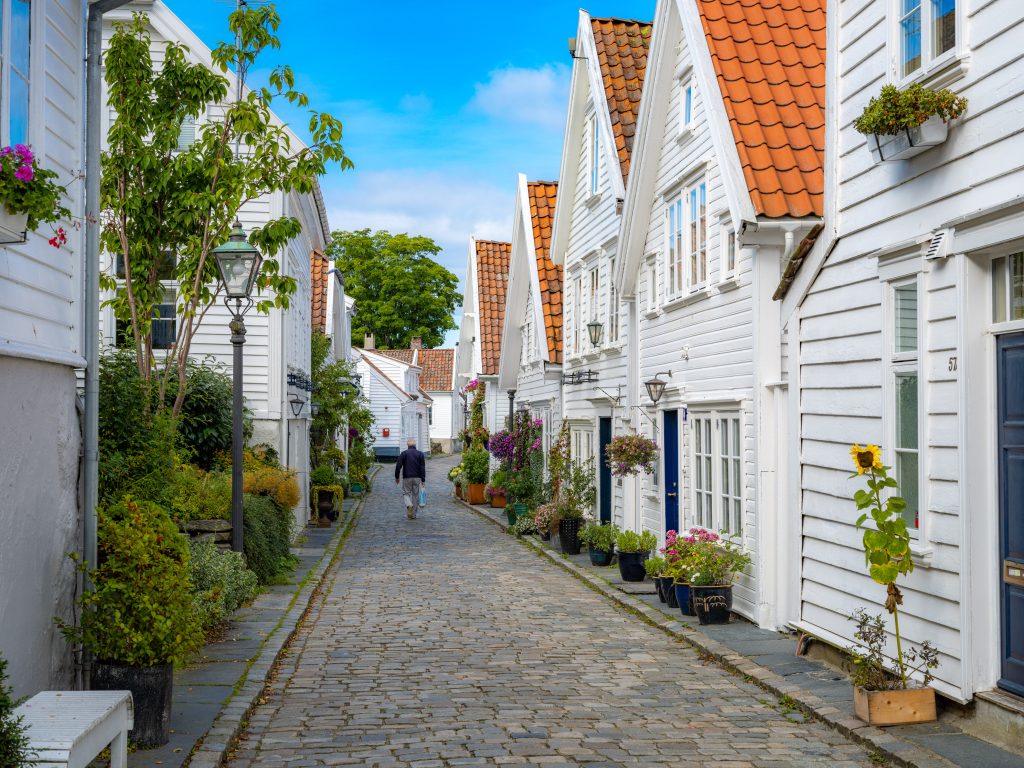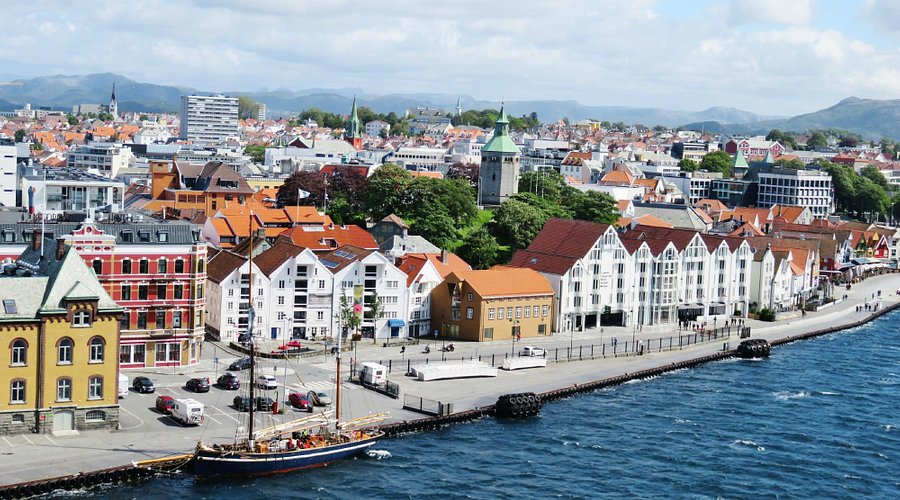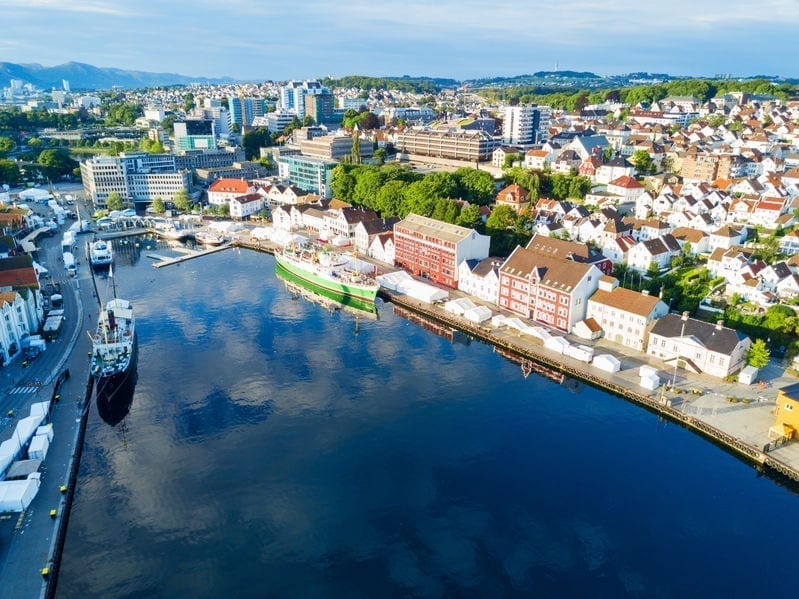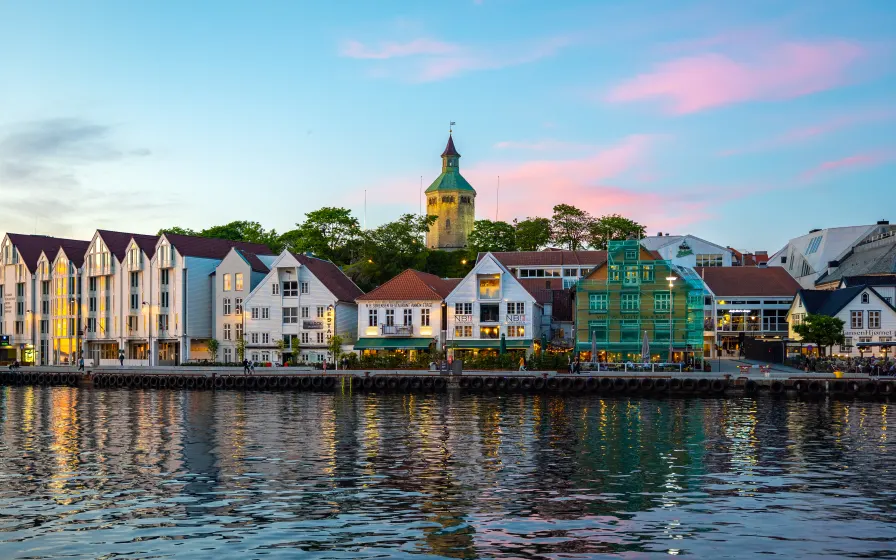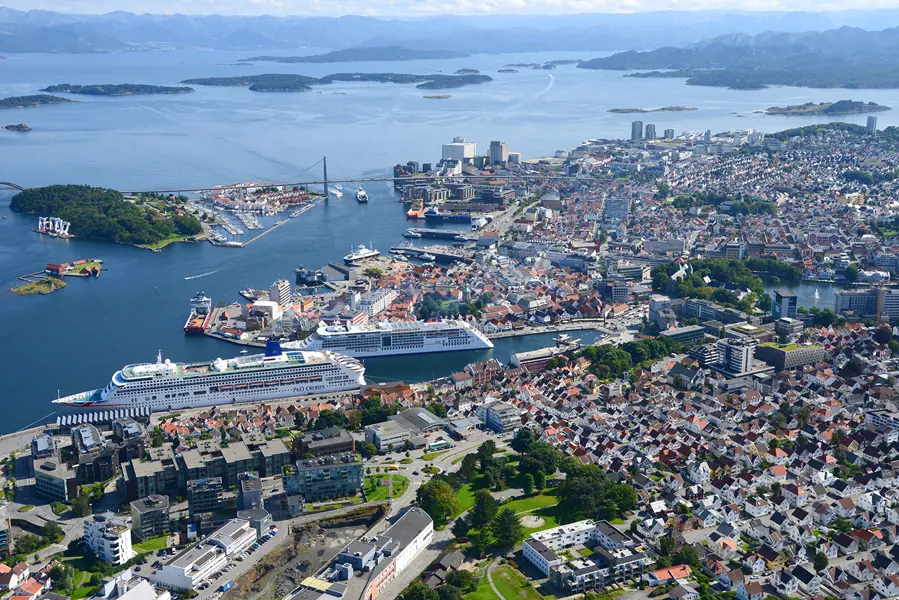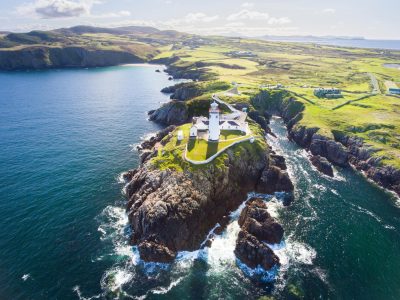
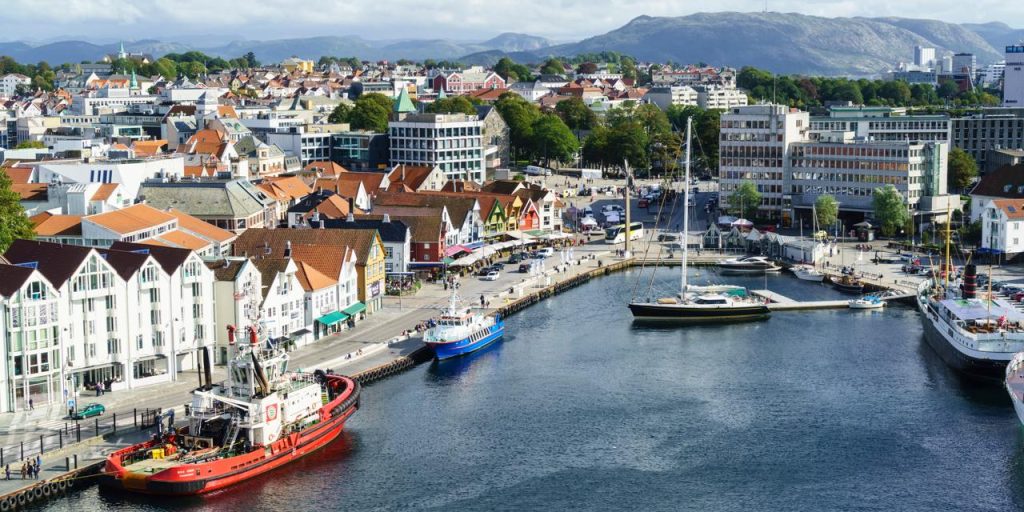
The Stavanger region includes the counties and cities of Randaberg, Stavanger, Sandnes, Sulla, Gjesdal, Klepp, Time, and Ho. Stavanger itself is a major university city with numerous educational and research institutions. In 2008, it was named the European Capital of Culture.
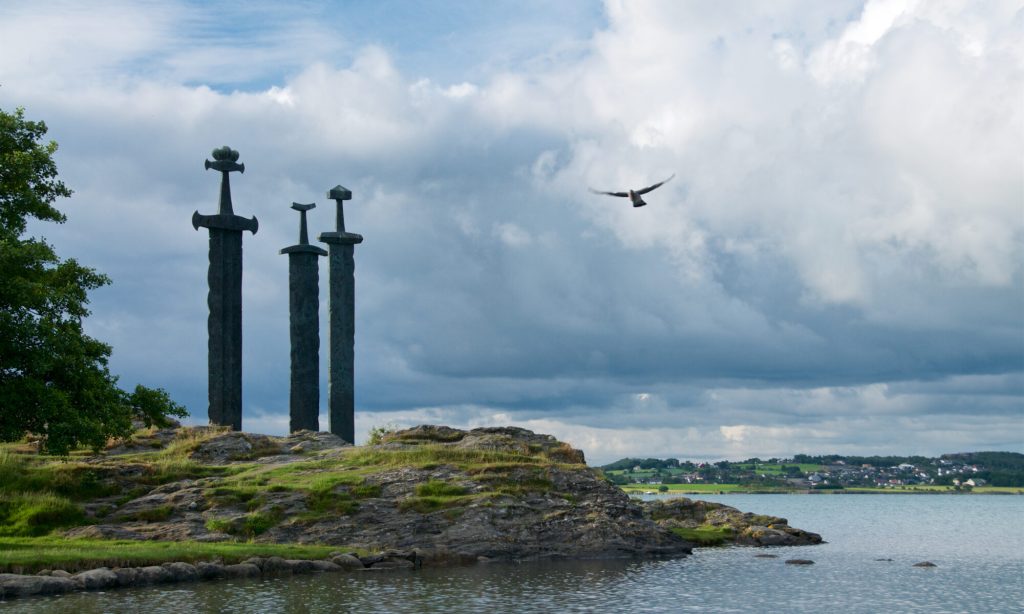
The region is also rich in historical finds, many of which date back to the Viking Age. This includes the famous Battle of Hafrsfjord in 872. Numerous historical sites related to this period can be found in Sulla and Stavanger.
Stavanger Attractions and Activities
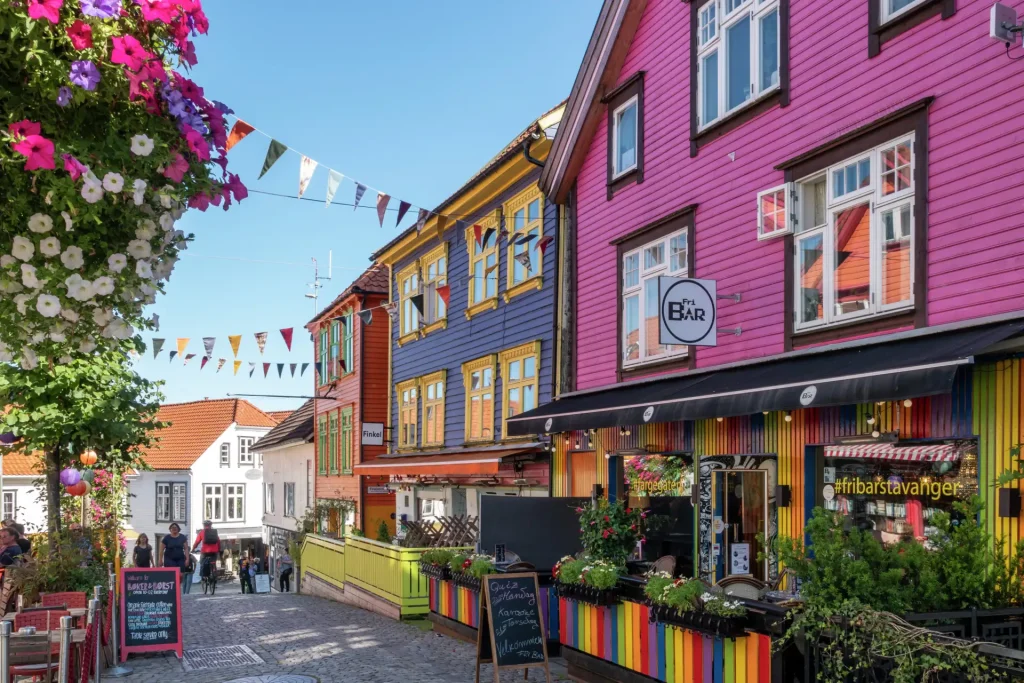
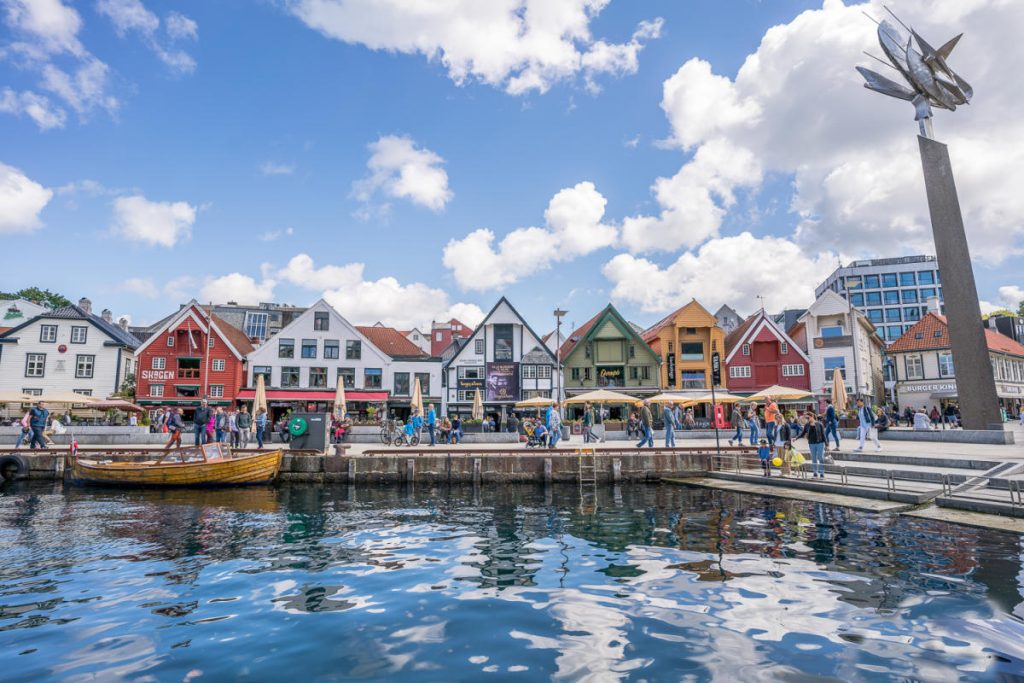
Stavanger’s city center is compact, and most attractions can be explored on foot. Among these, Antony Gormley’s Broken Column sculpture project—23 cast-iron figures scattered throughout the city—is particularly noteworthy. Also worth seeing is the “Swords in the Rock” monument in Hafrsfjord, which symbolizes the Viking battle led by Harald Fairhair in 872.
Stavanger is rich in museums: the Norwegian Petroleum Museum, the Norwegian Canning Museum, the Rogaland Art Museum, and the Norwegian Children’s Museum. In the surrounding area, be sure to visit the Jærmuseet Science Center, with branches in Sandnes and Nälbø, which was named Norway’s Best Museum in 2009. Sandnes also boasts the Science Factory with a planetarium.
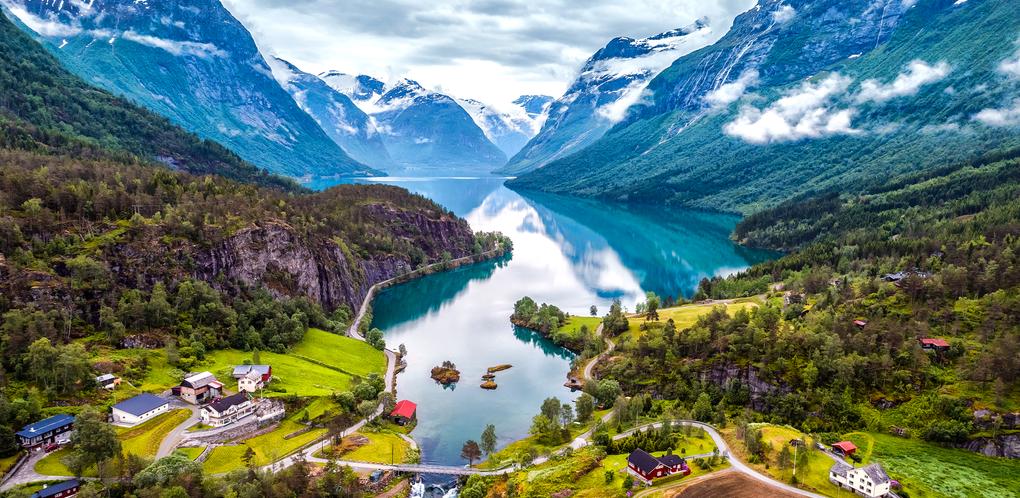
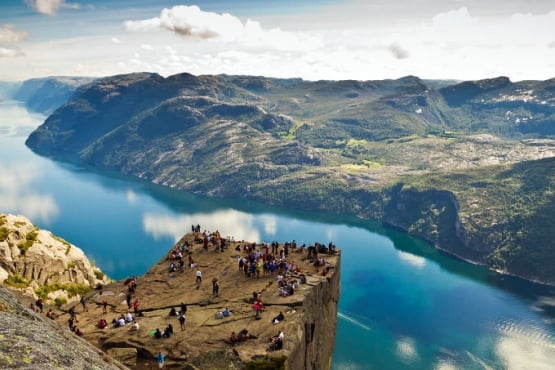
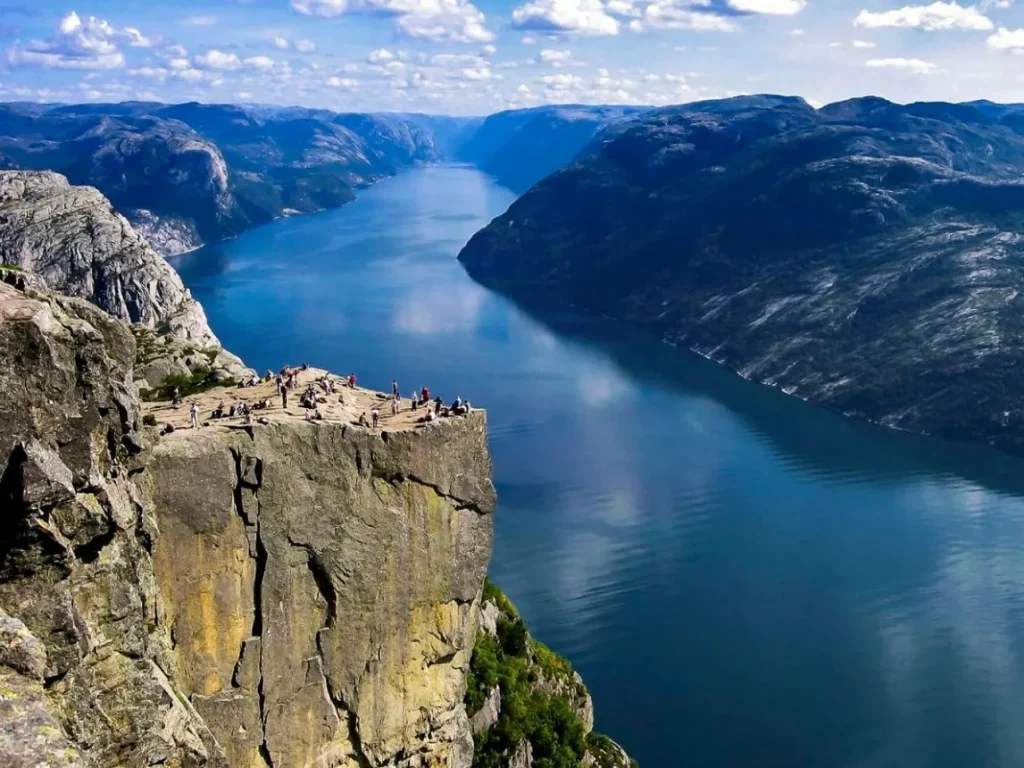
Fritz Rød’s sculpture park “Song of Life” in Bryn contains ten different sculptures. Don’t miss the picturesque Lysefjord with its majestic Preikestolen cliff. You can get there by boat from Stavanger Harbor. Natural attractions in the region include the 92-meter-high Monafossen waterfall in Gjæsdal and the Gloppedalsura scree near Byrkedalstune, with its house-sized boulders.
Stavanger is an ideal destination for hiking. Popular routes run through the mountains and around Sandnes and the Lysefjord. Fishing, surfing, and kiteboarding are also available on the beaches of Sula and Jæren, while extreme sports enthusiasts can try fjord rafting or a helicopter flight over the Lysefjord.