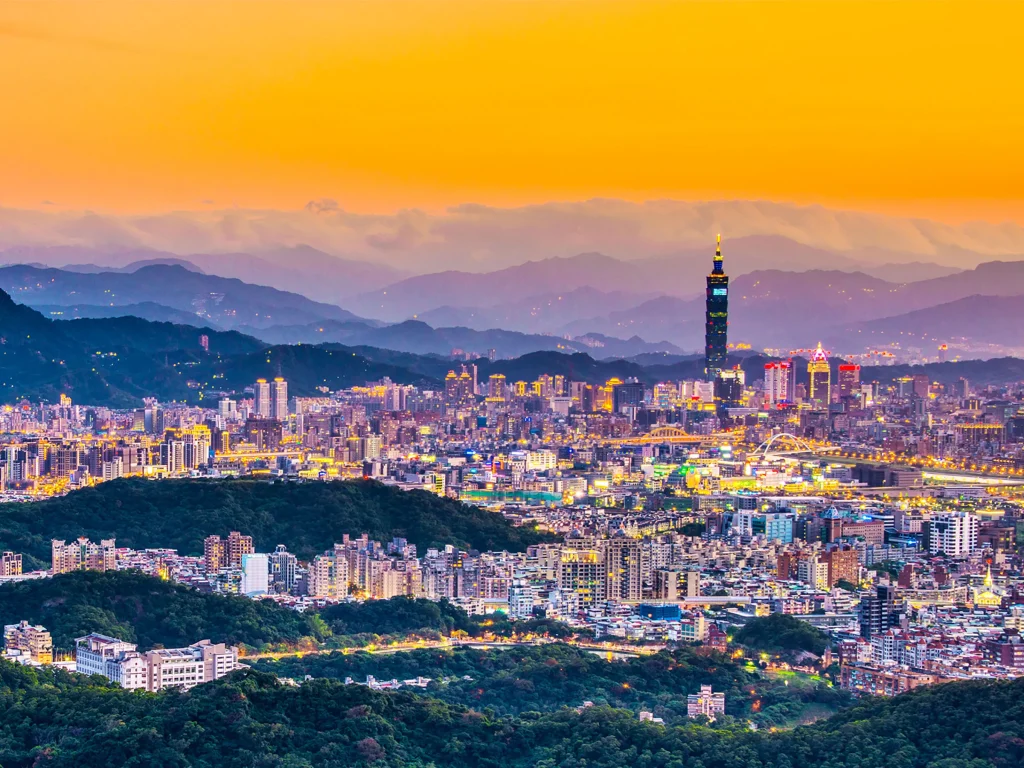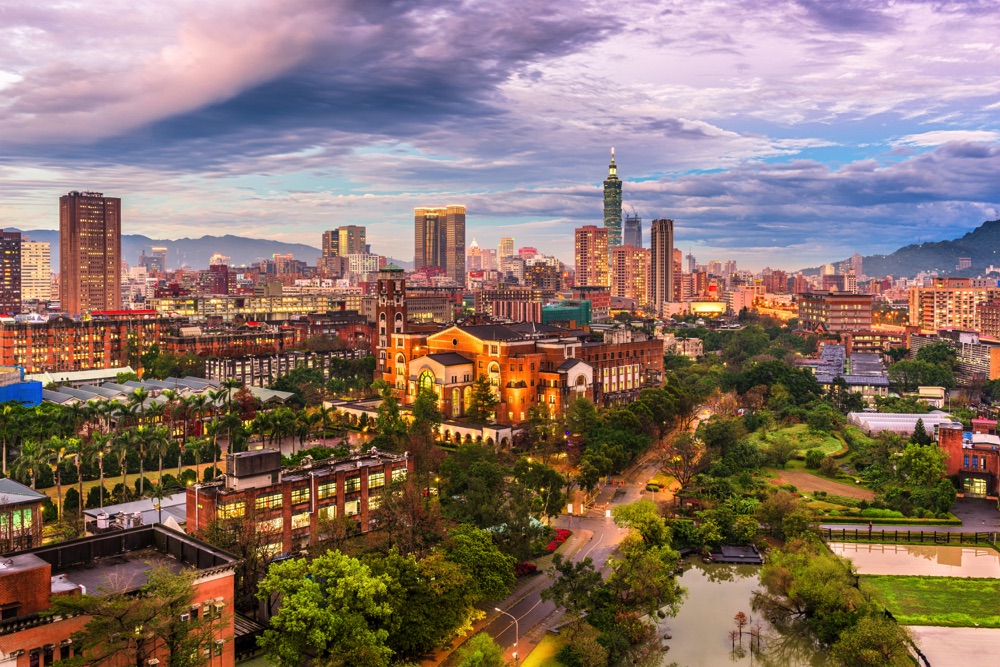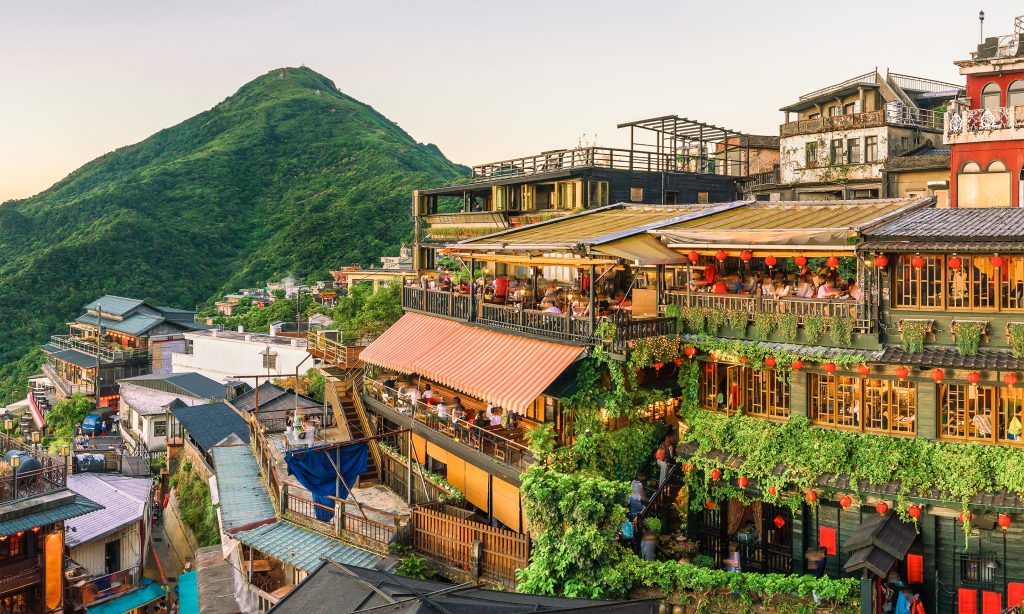
Taipei, a city with an uncertain status and a fascinating history, is definitely worth a visit. For the Chinese communists, it is the capital of Taiwan as part of the People’s Republic of China, while independent Taiwanese consider it the capital of their republic. Regardless of this, Taipei impresses any tourist.
Taipei Attractions and Entertainment
Unfortunately, little remains in Taipei from the ancient Qing Dynasty: only the northern city gate. The eastern and southern gates also remain, but their appearance was significantly altered during the Kuomintang era. Tourists visiting Taipei should understand that they are not seeing an ancient city, but a modern, rapidly developing one.
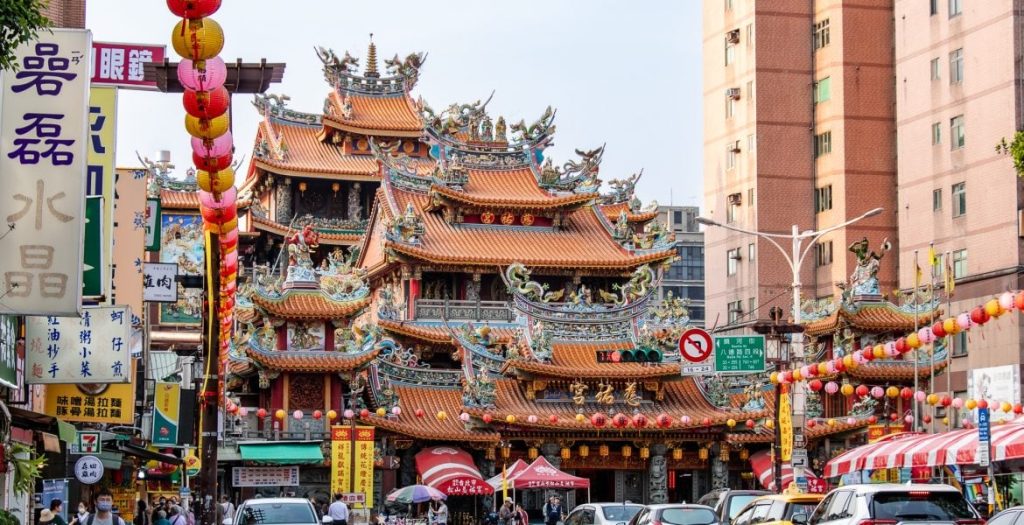
Taipei is famous for its night markets, the most popular of which is the Shilin Market.
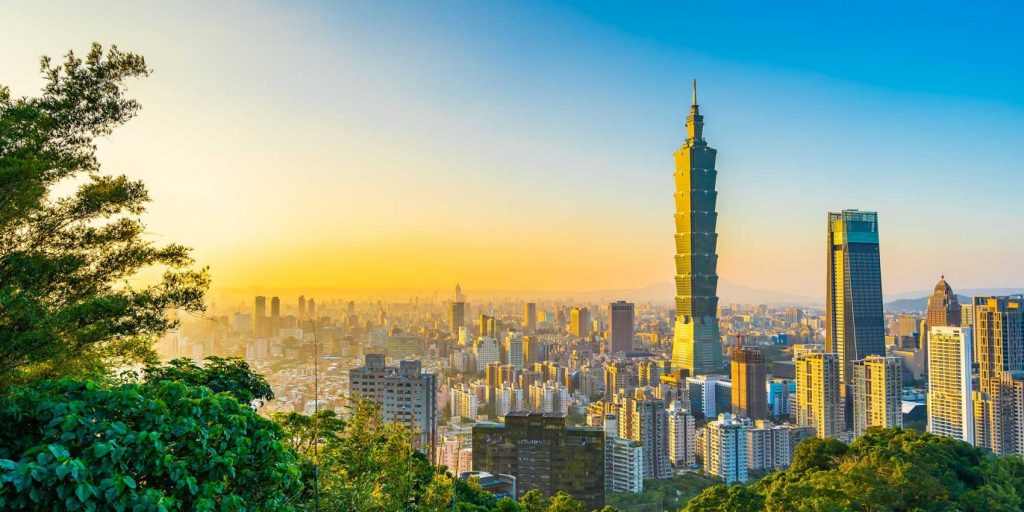
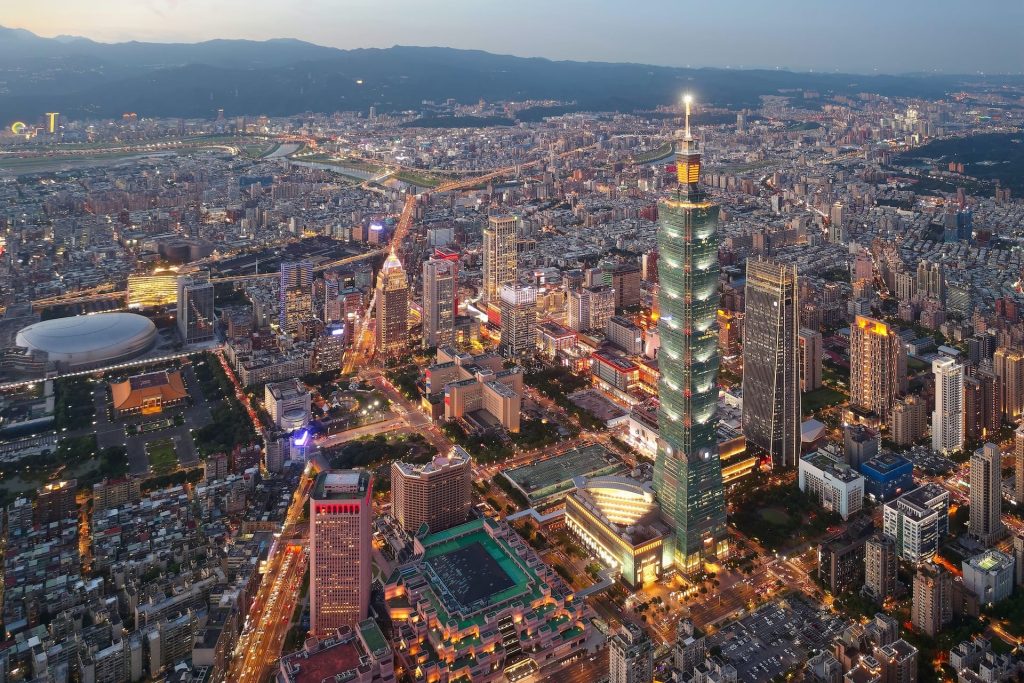
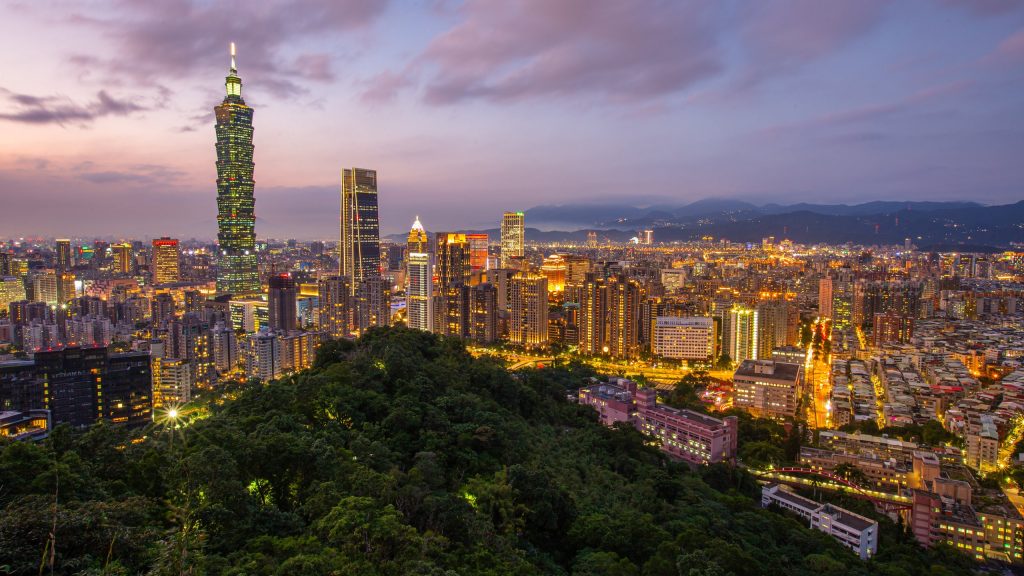
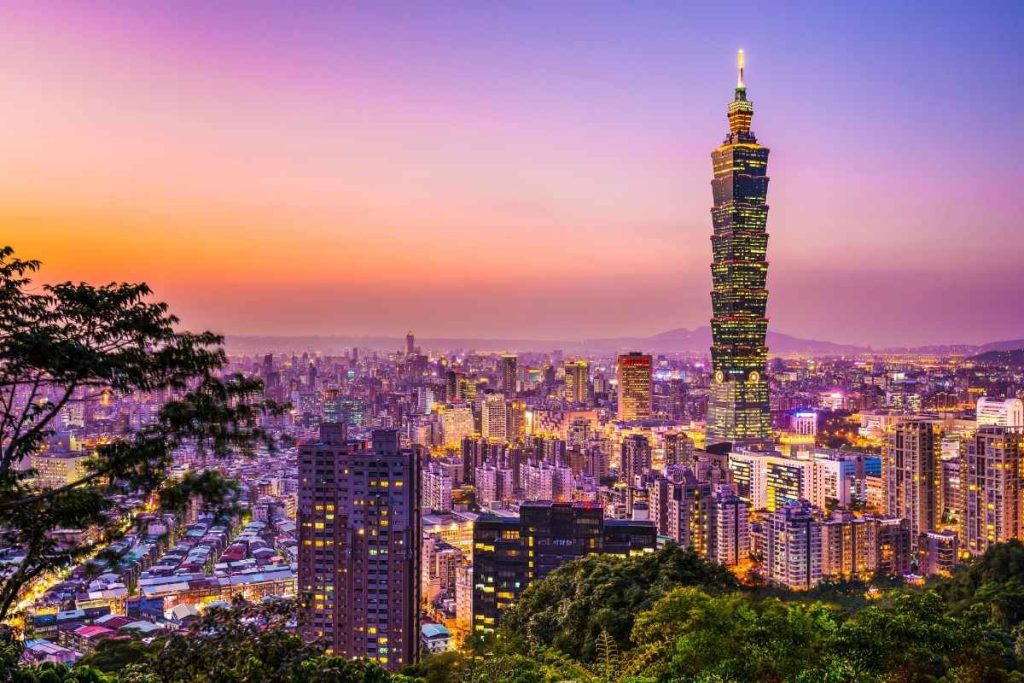
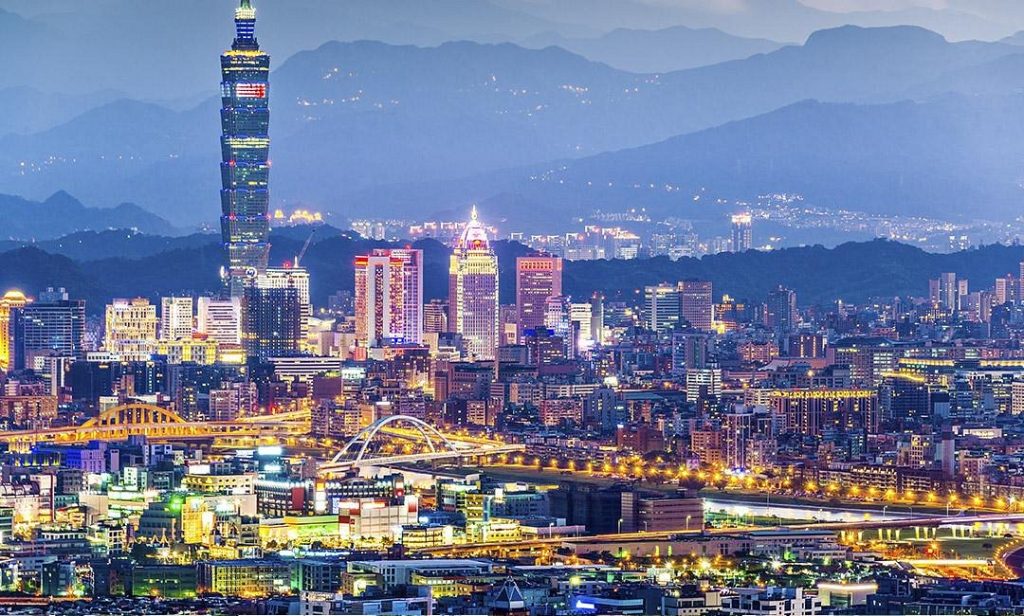
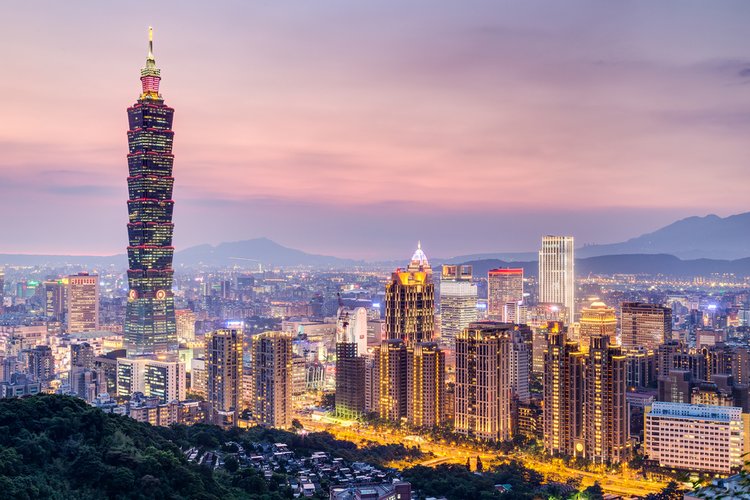
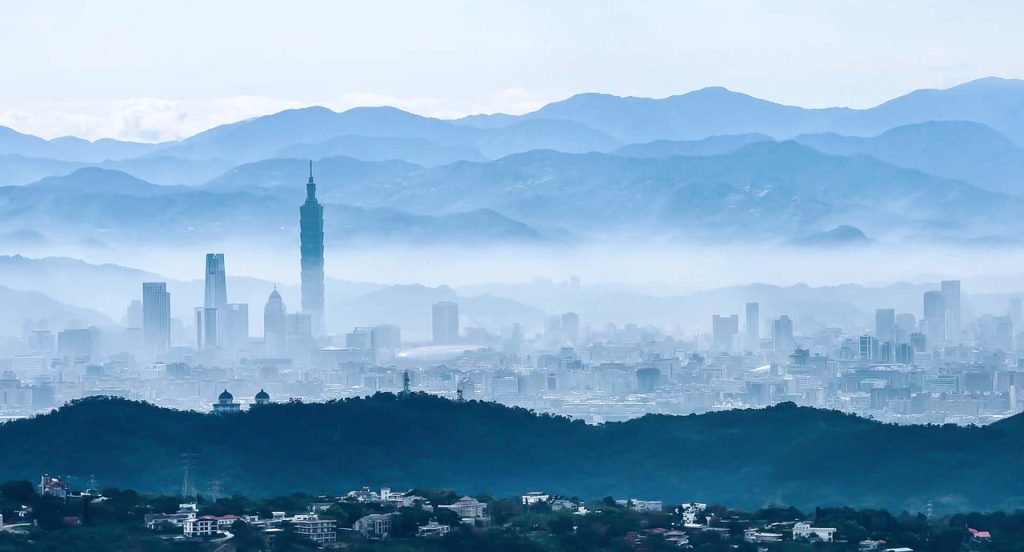
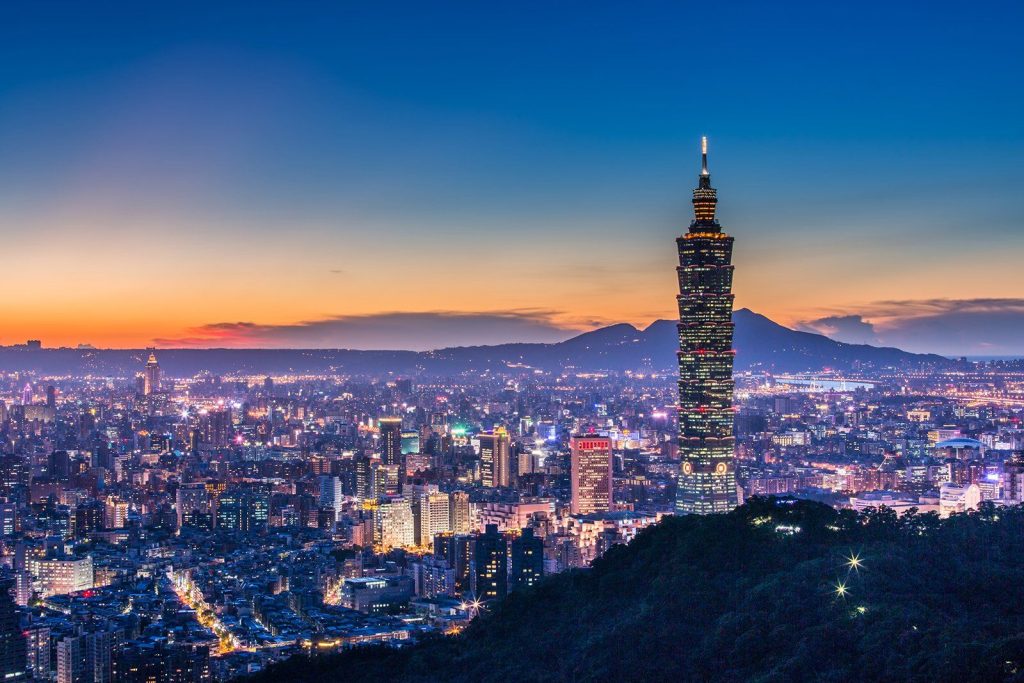
One of the city’s first landmarks is the Taipei 101 skyscraper, with its enormous number of floors. Its height, including its small spire, exceeds half a kilometer. Completed in 2003, this skyscraper is now the sixth-tallest in the world. Its elevators set an absolute speed record: reaching the top of Taipei 101 at 60 km/h. Therefore, the climb to the observation deck on the 89th floor takes only 40 seconds.
The ground floors of the skyscraper are occupied by shopping centers, and the upper floors are occupied by offices. Given Taipei 101’s location in a high-seismic zone, measures were taken during its construction to ensure incredible strength, including the installation of a giant 660-ton pendulum at approximately the 80th floor. Thanks to these measures, Taipei 101 is considered one of the most durable buildings in world history.
Taipei’s second main landmark is the Chiang Kai-shek Memorial, the former president, which was built in the traditional style with a triangular pagoda-style roof. Located in Liberty Square, it is surrounded by a theater and concert hall. The National Palace Museum, sometimes referred to as the Palace Museum, is a massive museum, ranking seventh in the world in terms of visitor numbers. It opened in 1925 in Beijing, but after the Chinese Civil War, a significant portion of its collection was moved to Taiwan. It houses an outstanding collection of historical and cultural artifacts spanning China’s long history, beginning with the sixth millennium BCE. The museum’s collection contains nearly 700,000 items, ranging from the Neolithic period to the period of the overthrow of China’s last imperial dynasty, the Qing.