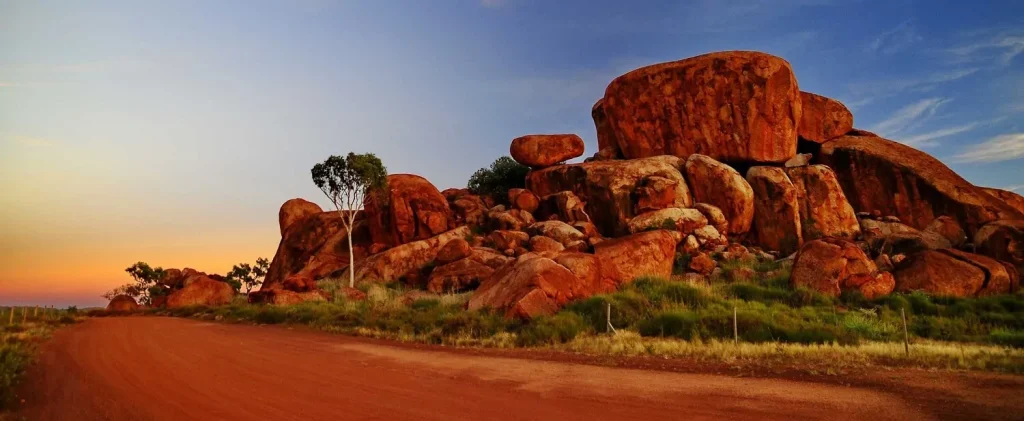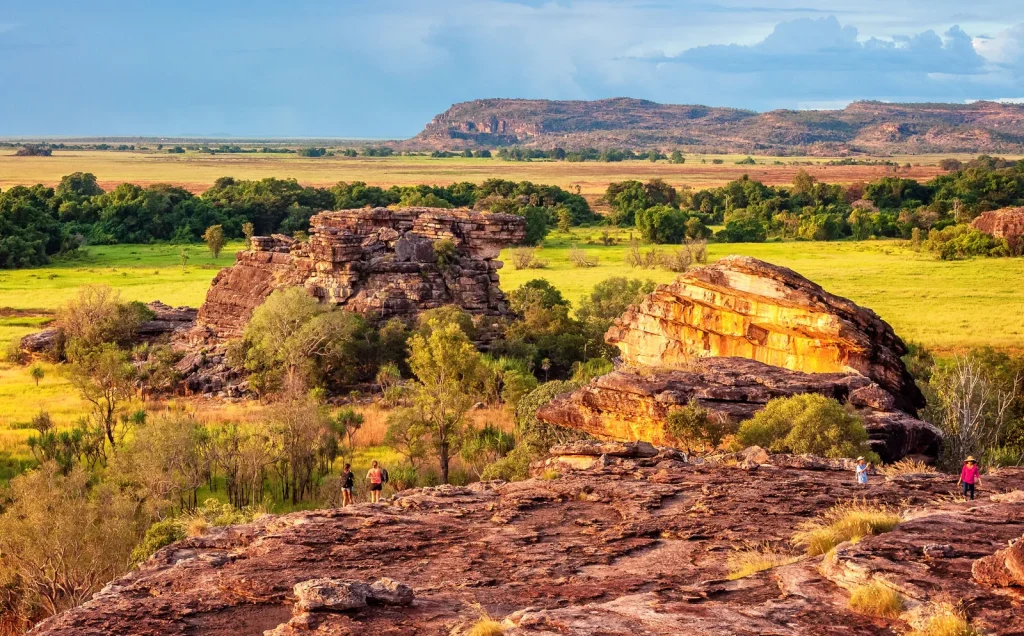
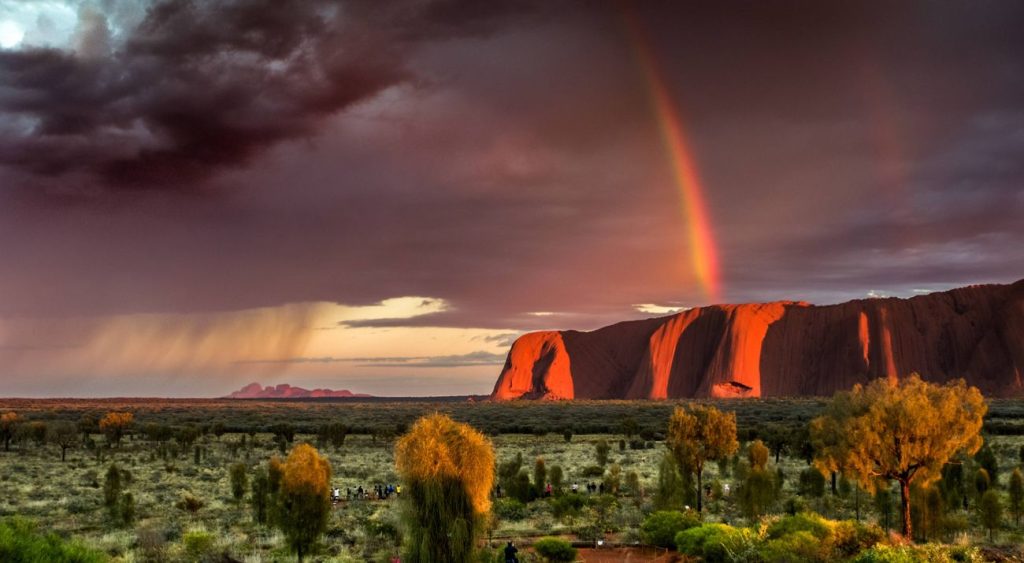
The Northern Territory is a federal territory of Australia located in the very center of the continent. Hundreds of rare plant and animal species can be found here, including, of course, crocodiles. More than 52 national parks and reserves make this region an ideal destination for wildlife enthusiasts.
Activities and Attractions in the Northern Territory
Top End
Australia’s tropical region, known as the Northern Territory, is the northernmost part of the country. This region is home to the Northern Territory’s capital, Darwin. Time moves more slowly in Darwin, and the weather is warm year-round. Its population of approximately 100,000 people includes more than 50 ethnic groups, including the Larrakia Aboriginal people, the true lords of these lands. This diversity creates a vibrant blend of traditions and cultures.
Victoria River
The Northern Territory is home to the longest river, the Victoria, surrounded by stunning natural beauty. This region is also home to the second-largest national park, Gregory National Park. Travelers visiting this park will enjoy majestic mountain ranges, beautiful gorges, century-old baobab trees, impressive limestone cliffs, and thickets of eucalyptus trees.
Barkly Tableland
This vast area is considered one of the most sparsely populated in the world. Despite its size, only about 5,900 people live here. Most of the population is concentrated in Tennant Creek, a small village famous for its gold rush history in the 1930s.
Red Centre
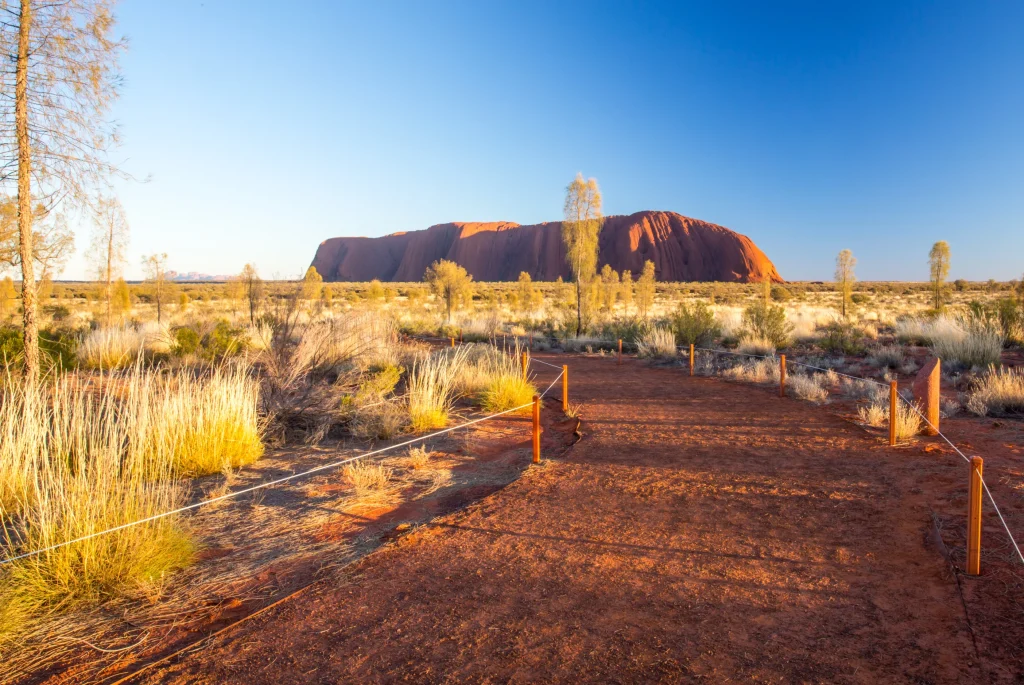
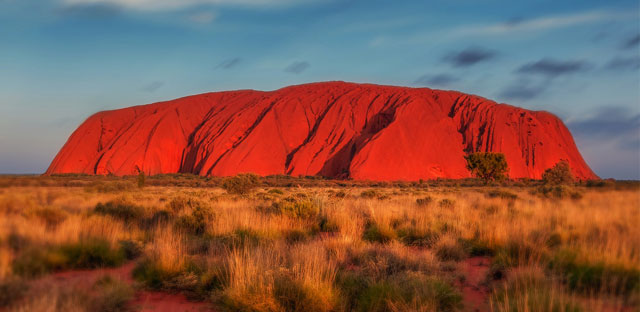
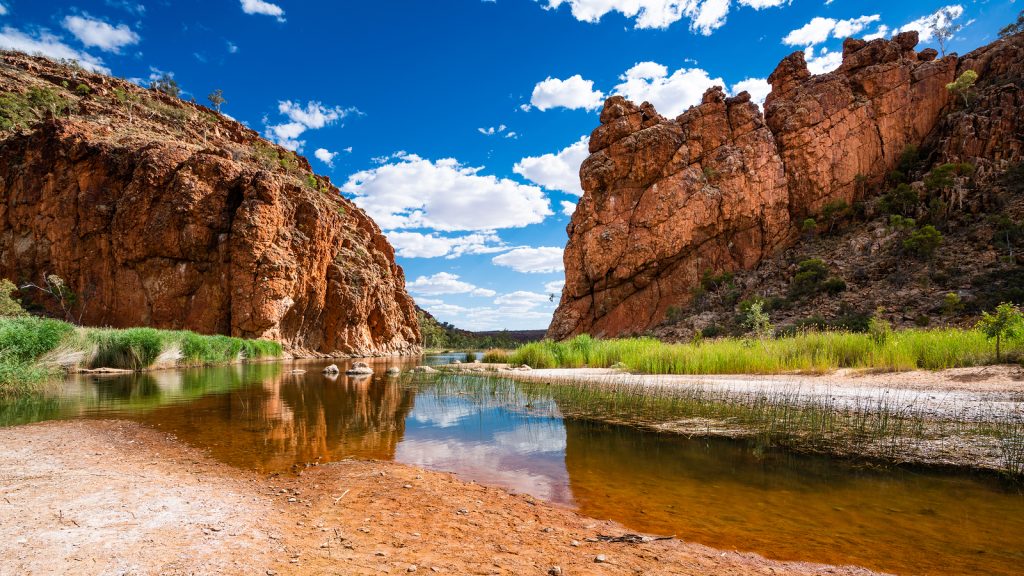
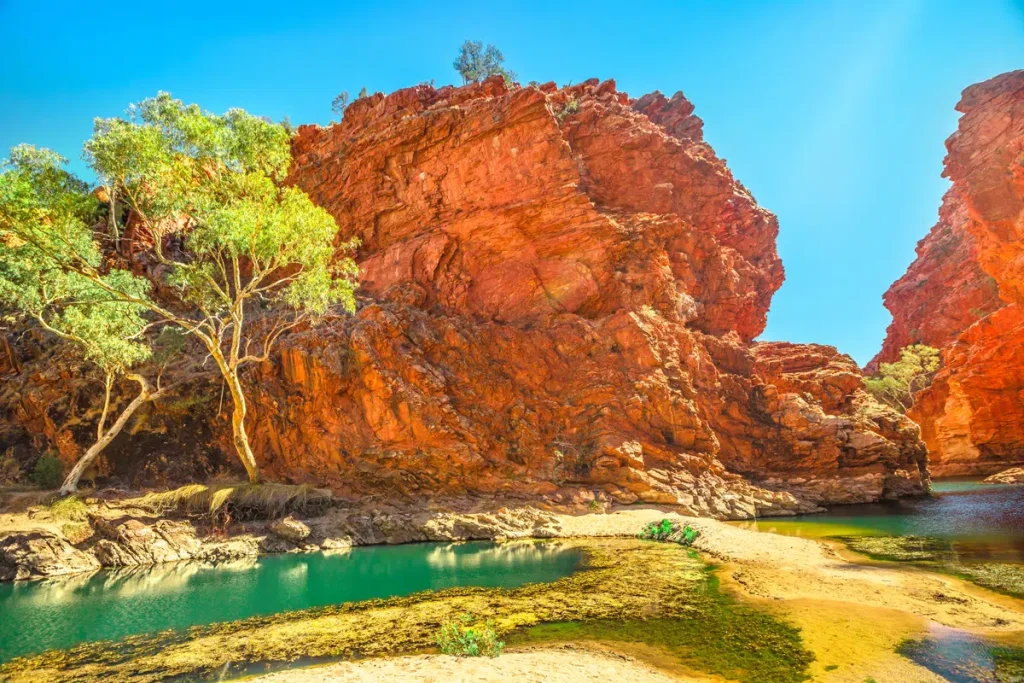
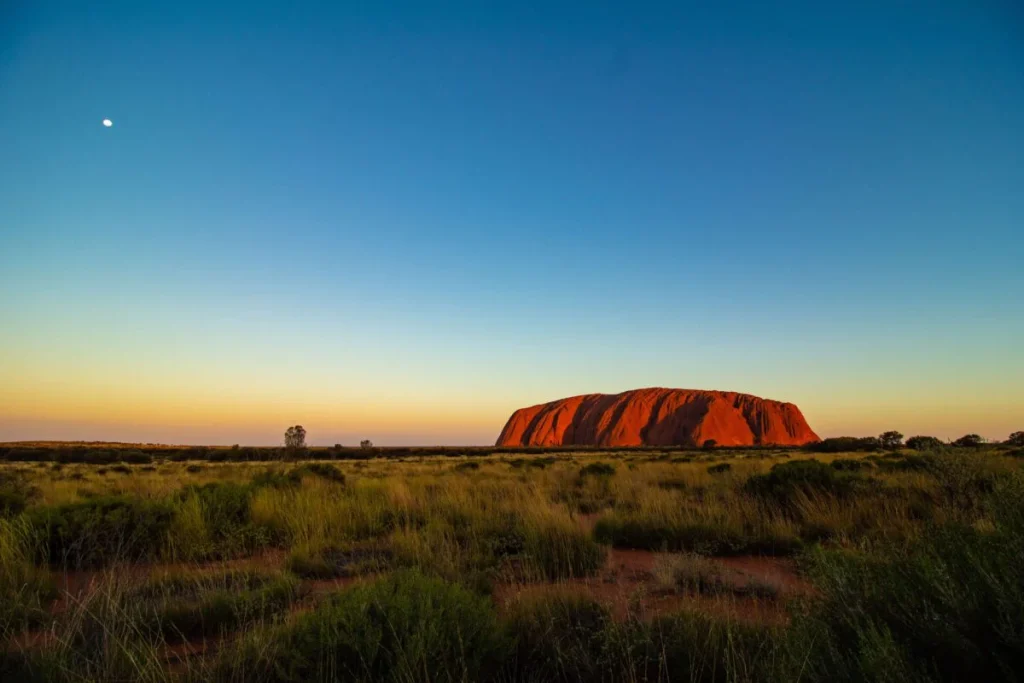
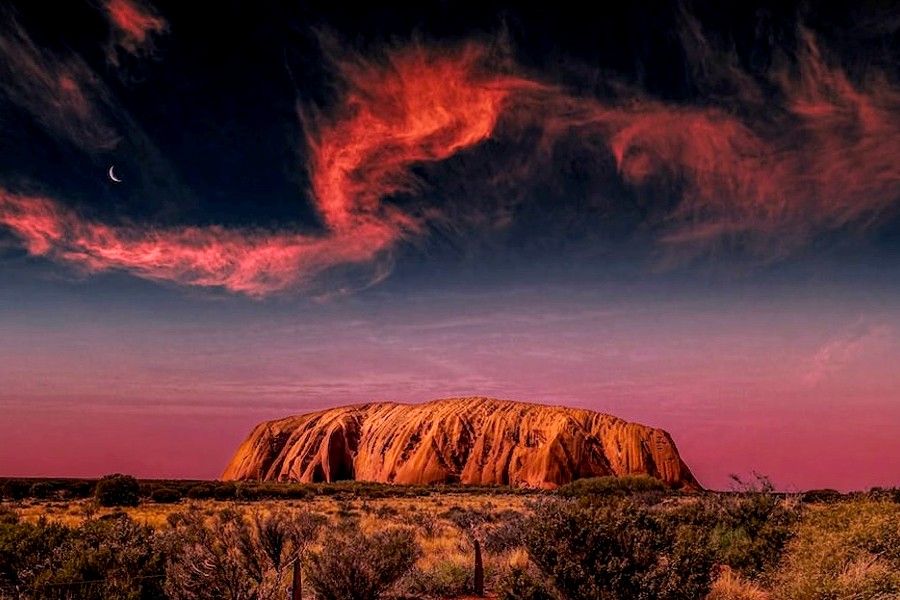
“Red Centre” is the collective name for the southern desert region of the Northern Territory. It is home to such famous places as Alice Springs, considered the heart of Australia, and Uluru-Kata Tjuta National Park, home to the famous mesa.
Arnhem Land
This unique nature reserve covers over 90,000 square kilometers in the Northern Territory. Situated in a remote area on the north coast, it is surrounded by Kakadu National Park on one side and the Arafura Sea and the Gulf of Carpentaria on the other. These lands belong to the Yolngu, the indigenous people who have inhabited this region for tens of thousands of years.