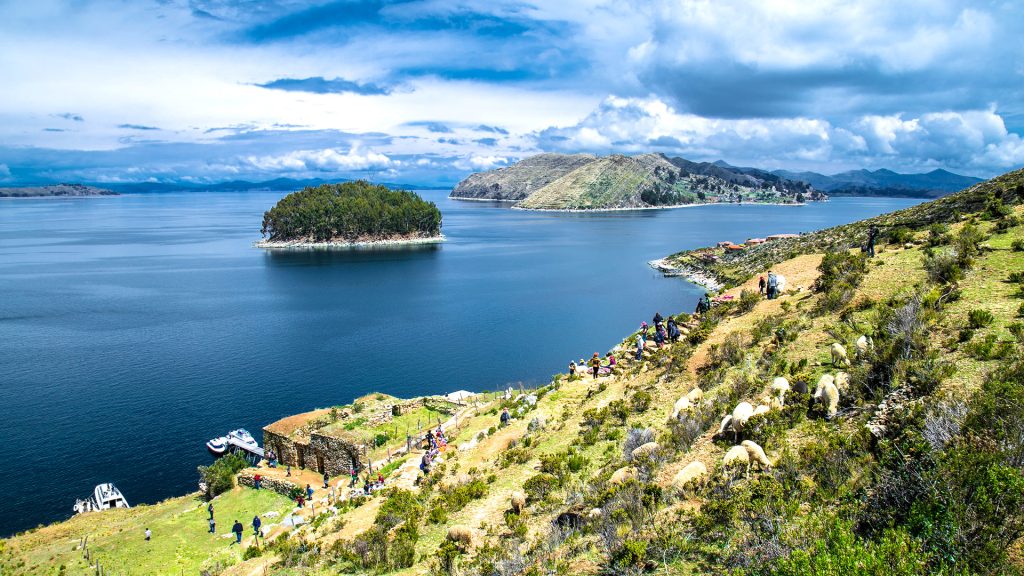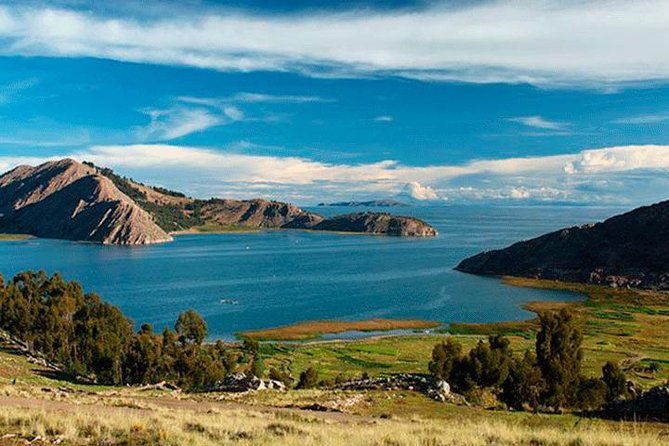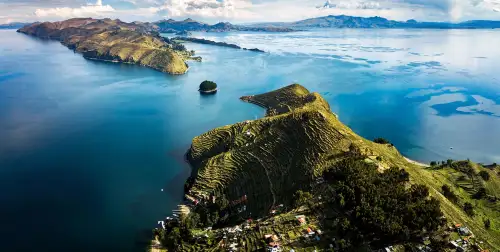
Every schoolchild knows the name of Lake Titicaca, the largest high-altitude lake on the border of Bolivia and Peru. However, that’s where most people’s knowledge ends, and Lake Titicaca is truly unique. It’s not just a lake, but a section of an ancient ocean elevated to a dizzying height. Hence its unique oceanic fauna: diverse species of marine invertebrates, fish, and even sharks live here. Ruins of ancient settlements have been preserved on the islands of Lake Titicaca and in the surrounding area. The region’s capital is Puno.
Titicaca Attractions
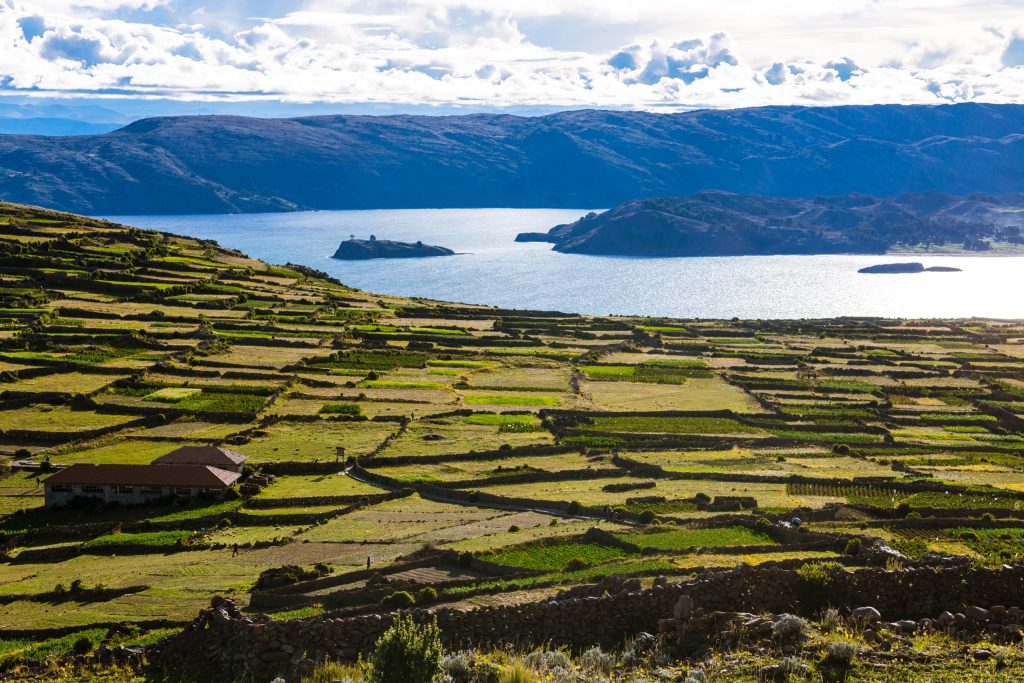
Particularly noteworthy are the Sillustani funerary towers, where the remains of local Inca-era leaders are buried; Taquile Island with its Textile Museum; Amantani Island with the temples of Pachamama and Pachatata at an altitude of 4,200 meters; and the high-altitude village of Chuquito with the Church of Santo Domingo. Puno is the folkloric capital of Peru and the main port on the southwestern shore of Lake Titicaca. Just 20 km south of Puno lies the ancient port city of Tiahuanaco, rising 30 meters above the lake. Here, visitors are well-placed to see the 15-meter-tall Akapana pyramid, the Kalasasaya stone, and the Gate of the Sun, constructed of enormous stone blocks.
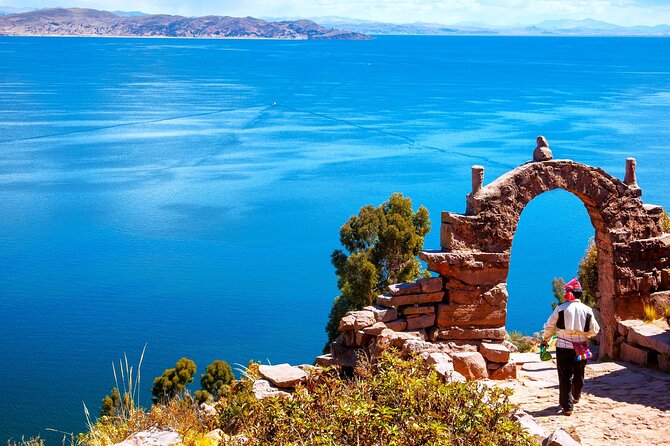
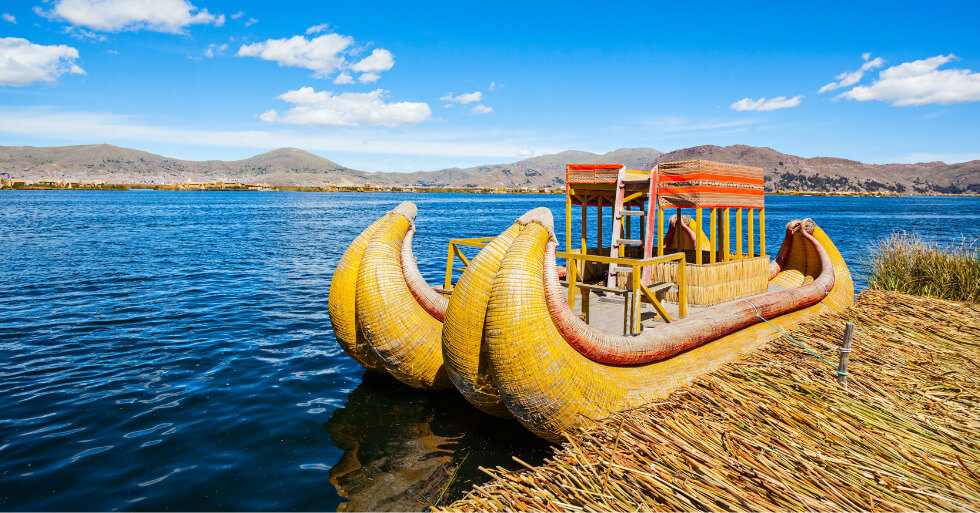
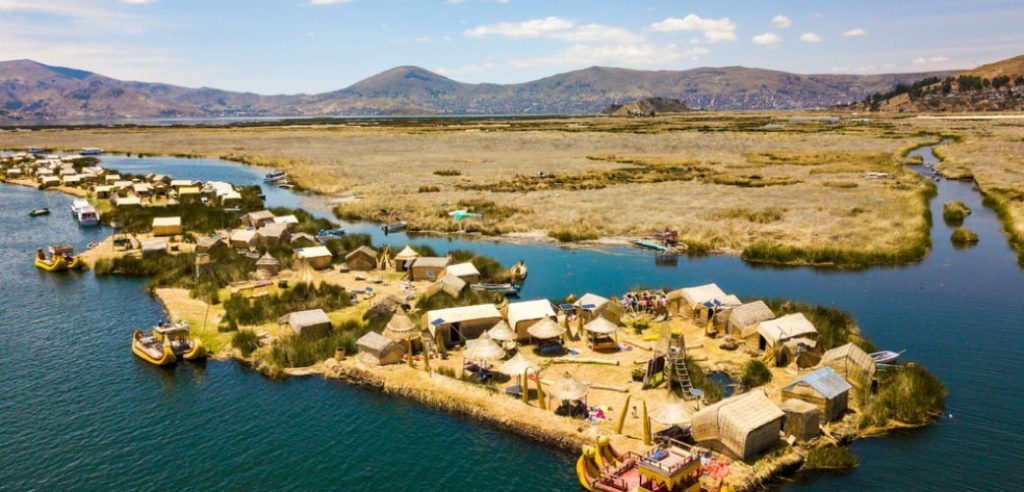
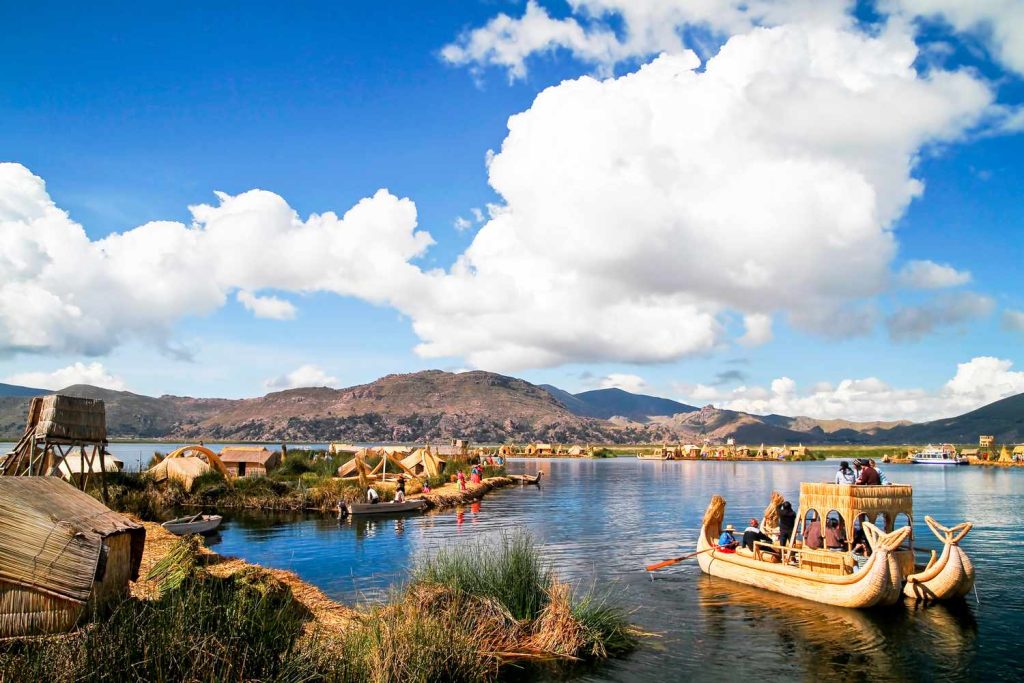
From the top of Taquile Island, a breathtaking panorama of the lake and surrounding area opens up. The floating Uros Islands are an open-air museum where tourists are greeted by locals, shown around traditional reed houses, offered reed pith samples, taken on reed boat rides, and sold reed souvenirs. Chuquito, a small town 18 km from Puno, is also worth a visit. It is home to the Inca Uyo fertility temple, with 13 phallic stones protruding from the ground.