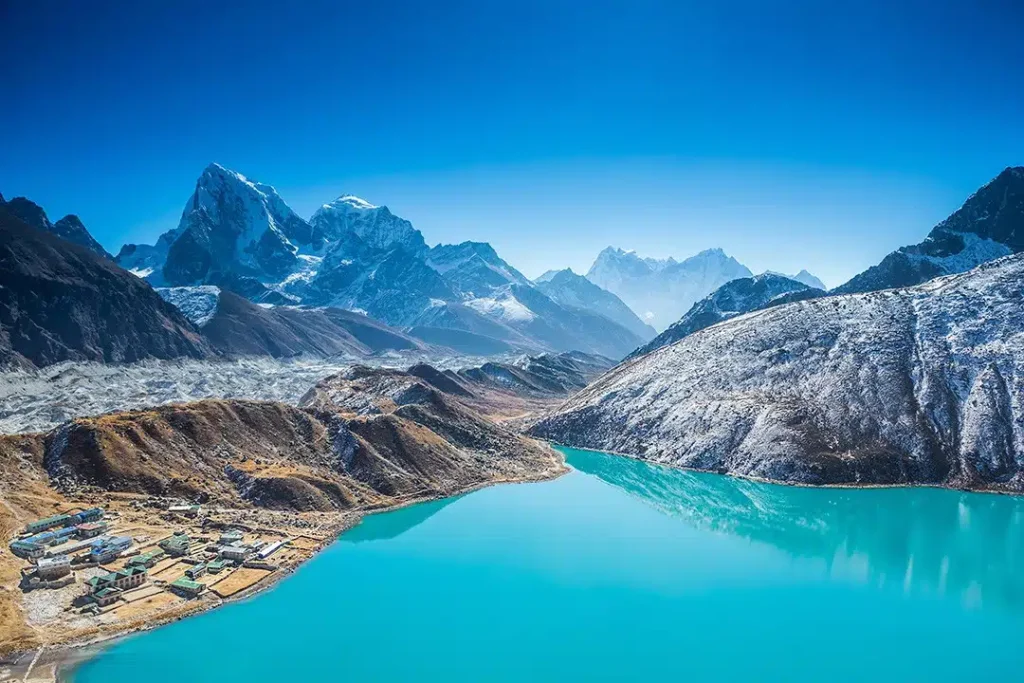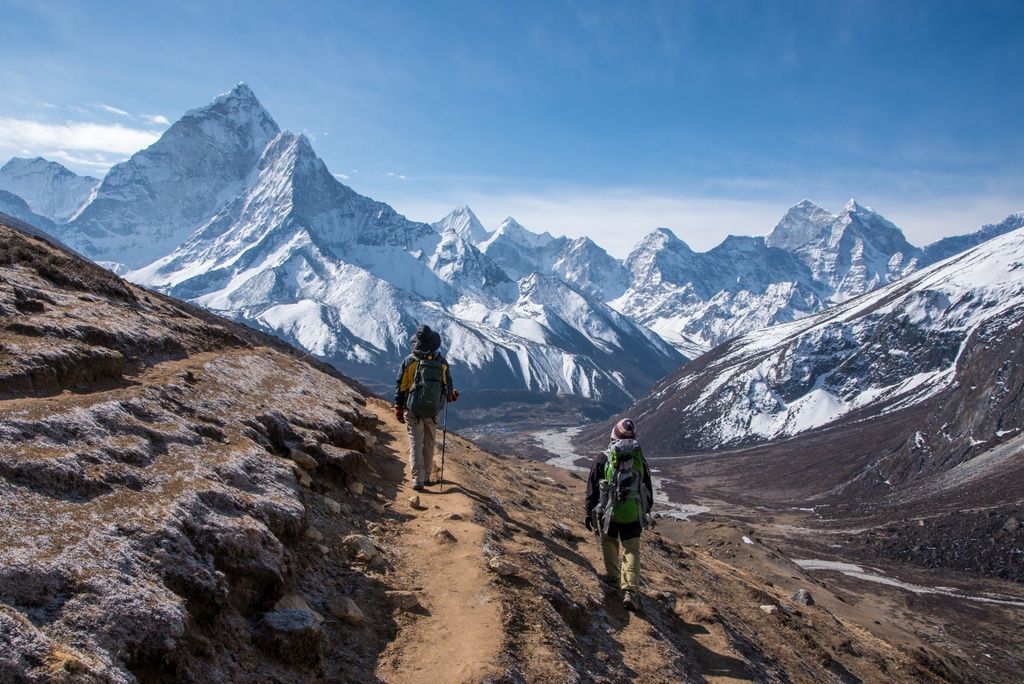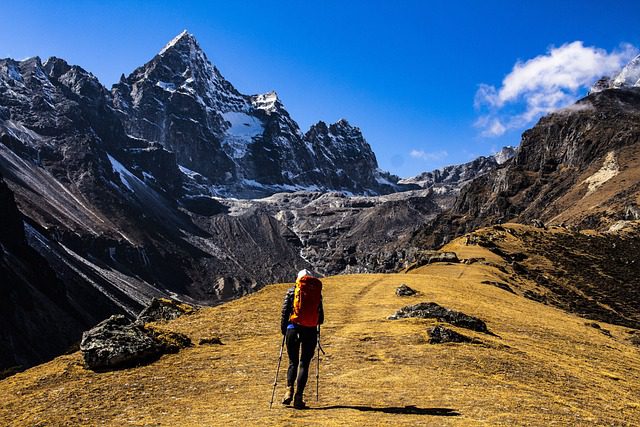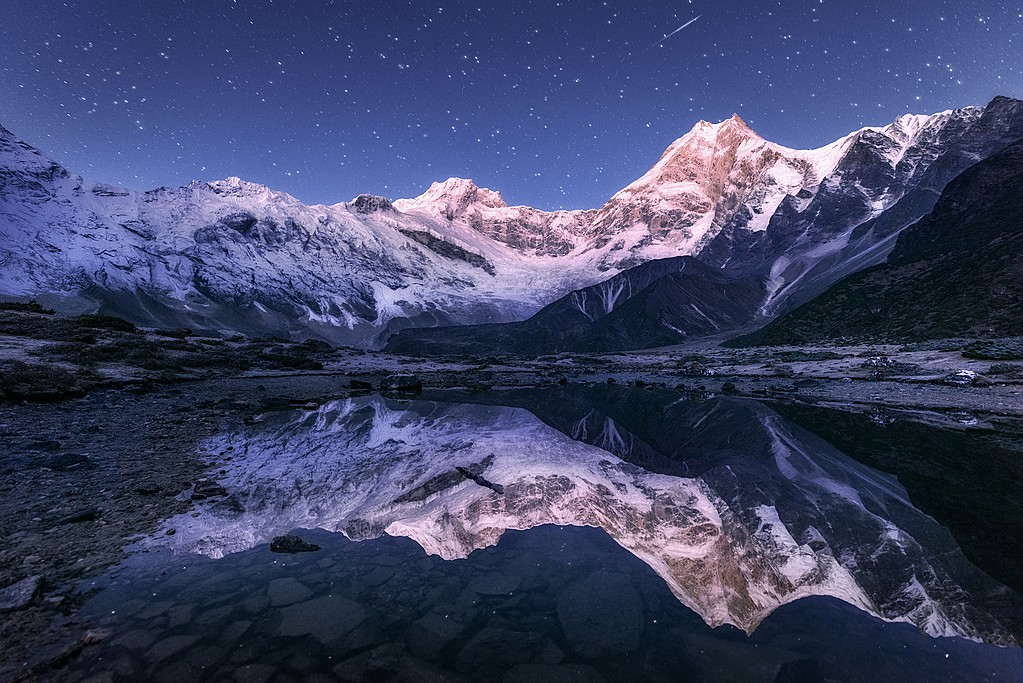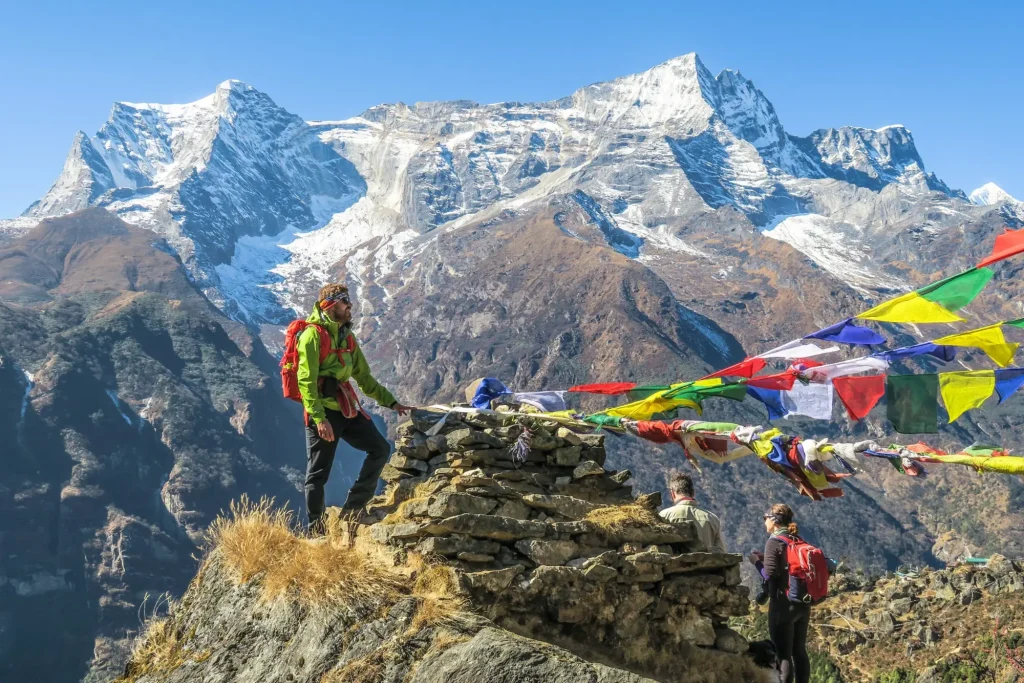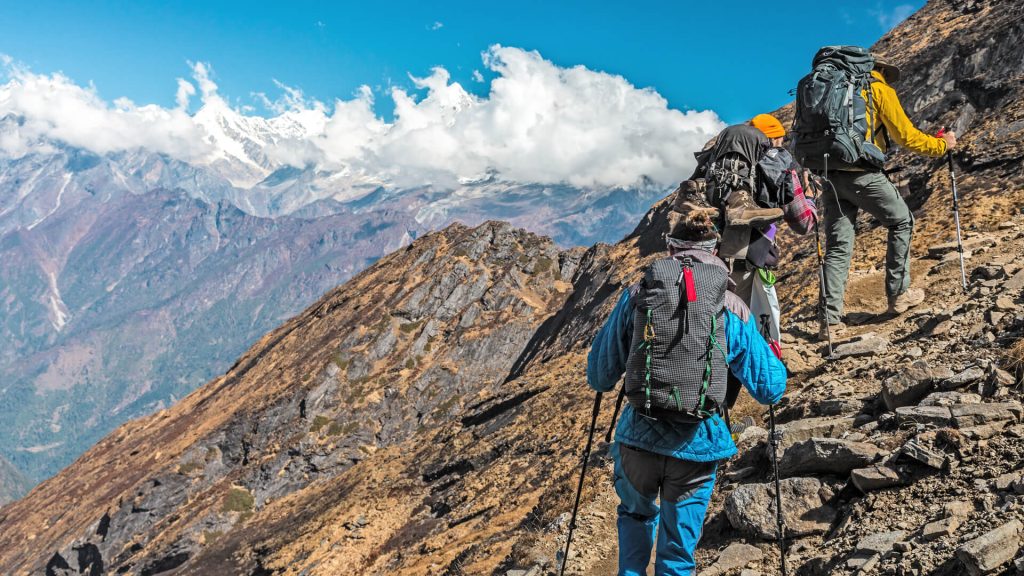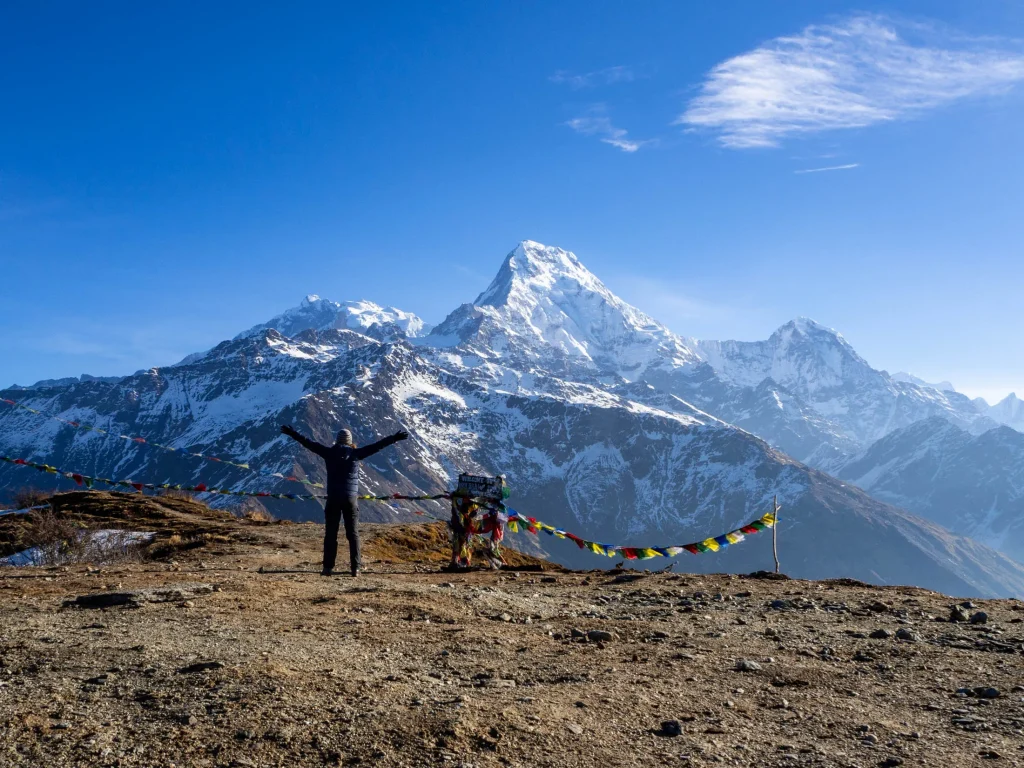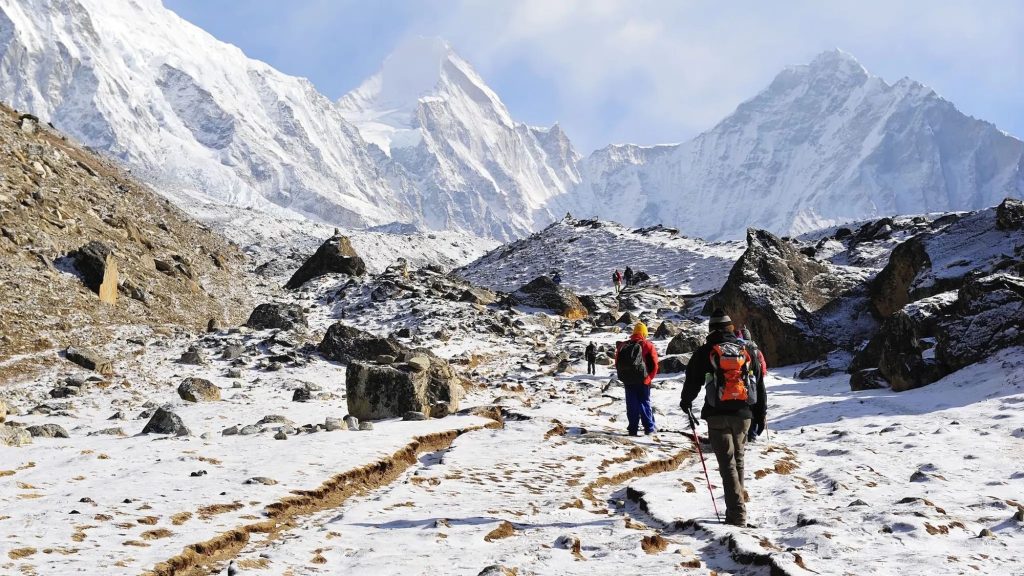
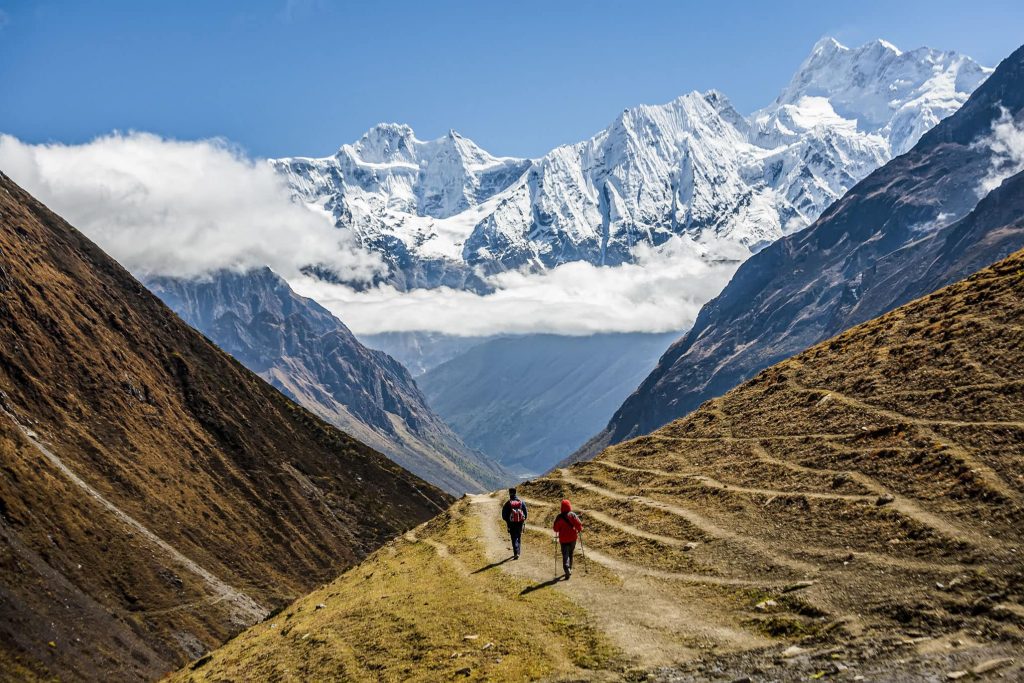
Trekking is a modern form of active recreation, the main goal of which is to climb a mountain peak. Trekking is well-developed in Nepal due to the abundance of hiking trails, natural attractions, and scenic landscapes.
Trekking in Nepal
To appreciate the diversity of trekking in Nepal, it’s enough to mention just a few popular routes. In the Everest region, treks such as the Three Passes Trek, the Everest Base Camp Trek, the Gokyo Trek, and the Shivalaya to Lukla Trek are available.
Some other well-known routes include:
- In the Annapurna region: the Annapurna Circuit, the Annapurna Base Camp Trek, the Annapurna Panorama, and the Ghandruk Circuit.
- In the Langtang and Helambu Valley region: the Gosainkund Trek, the Langtang Valley Trek, the Ganja La Trek, and the Helambu Circuit.
- Eastern Nepal offers treks to the north face of Kanchenjunga, Makalu Base Camp, the south face of Kanchenjunga, and the trek from Lukla to Tumlingtar.
- Western Nepal is known for treks from Beni to Dolpo, to Lake Phoksumdo via Do Tarap, to
- Lake Rara, the Jumla-Danube road, the Kangmara La trek, and the Phoksumdo Lake trail.
There are also treks through restricted areas, such as the Manaslu Peak Circuit, the Limi Valley Trek, Shey Gompa to Jomson, Lake Phoksumdo to Shey Gompa (Inner Dolpo), the Mustang Kingdom Trek, and the Nar-Pu Trek.
If you’re short on time, the best options are the routes in the Langtang and Helambu regions, located near Kathmandu. Western Nepal, the most remote region from Kathmandu, is suitable for lovers of ancient culture and Buddhism. Eastern Nepal, from Makalu to Kanchenjunga on the Indian border, is a wilderness region and offers challenging treks. The classic route to Everest Base Camp is popular but crowded. You can add variety to it by trekking part of the way through the Gokyo Valley and Cho La Pass.
Additional Trekking Services
Trekking in Nepal requires two permits. The first is a TIMS permit, issued at the Tourism Nepal Bureau on Exhibition Road. It’s easy to find: it’s located on the eastern side of Ratna Park, next to the Kathmandu bus station. The second permit is required for visiting Sagarmatha National Park. Both permits cost approximately 4,500 NPR.
At the beginning of the trek, when you’re full of energy, hiring porters may not be an option, but by the middle of the trek, the benefits of their assistance become clear. Porter services cost between $15 and $30 per day, which doesn’t seem like a significant amount. However, it’s important to choose your guides and porters carefully to avoid problems due to their slowness or inexperience.