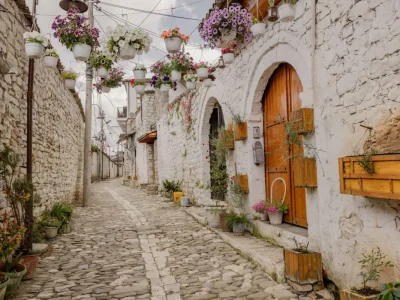
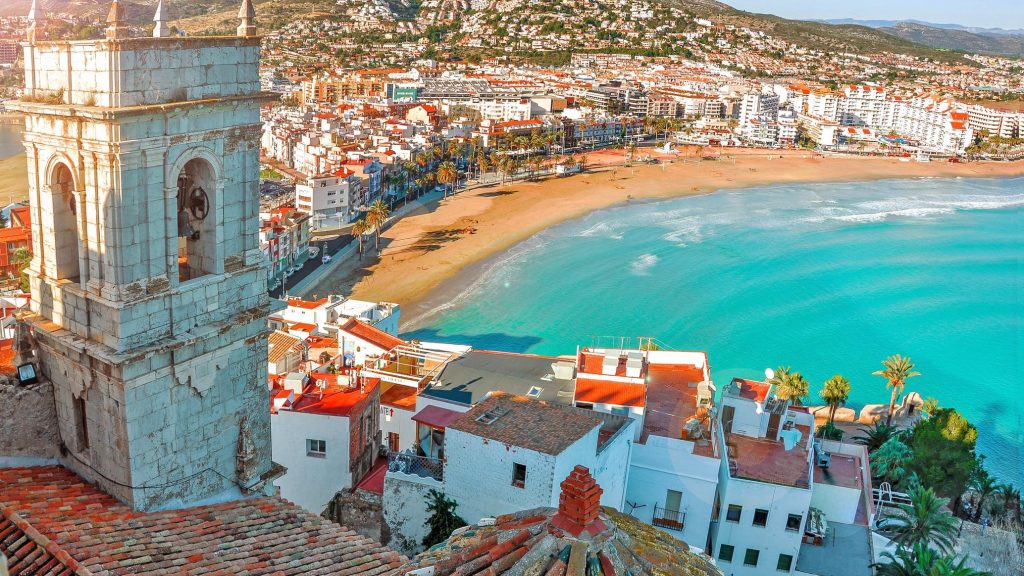
 Valencia is the third-most populous city in Spain and the capital of the province of the same name, renowned for its beautiful beaches. Here, architectural monuments from past centuries peacefully coexist with futuristic modern buildings.
Valencia Attractions
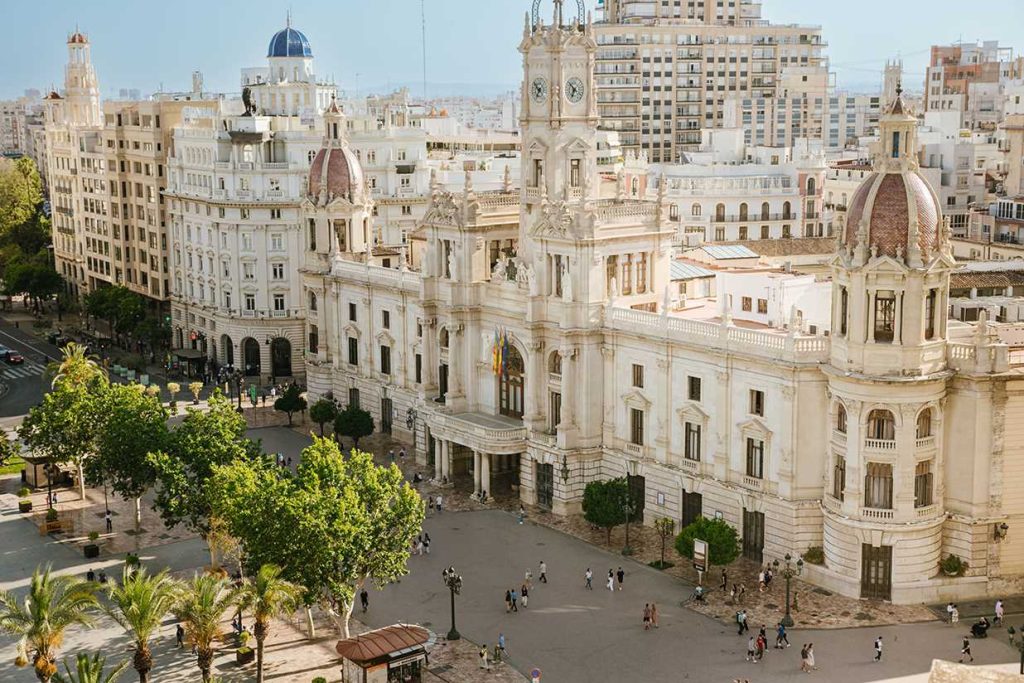
Plaza del Ayuntamiento
The Plaza del Ayuntamiento features numerous restaurants offering tourists Valencian paella, abundant flower beds, a large city fountain, and the City Hall building.
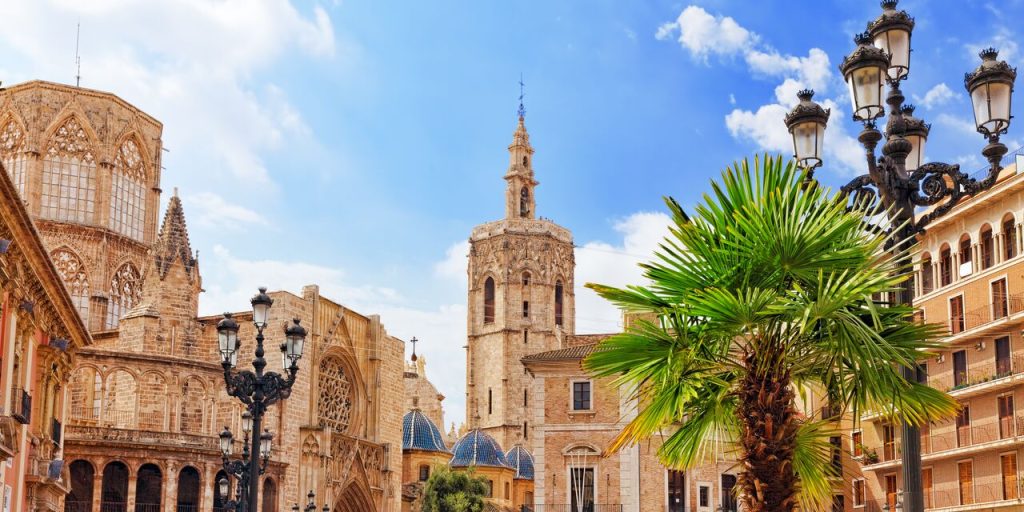
Cathedral
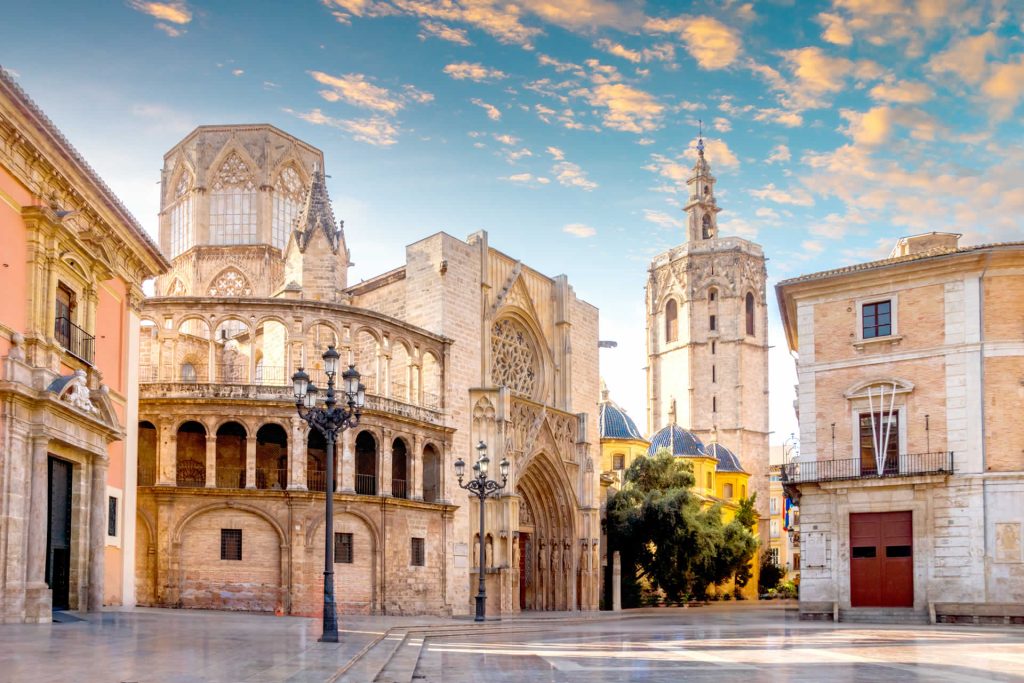
The Cathedral of Our Lady is the main Christian church in Valencia, with an entrance fee for tourists. Visitors to the cathedral are most attracted by the discovery of the legendary Christian relic – the Holy Grail – during construction. The relic has been officially recognized as authentic by the Vatican and is one of the attributes of the Instruments of the Passion.
Church of Santa Catalina
The Church of Santa Catalina is located next to the Cathedral, in Plaza Lope de Vega. The church was built during the reign of King James I on the ruins of a Muslim mosque.
Church of San Nicolás and the Temple of Corpus Christi
The Church of San Nicolás features unique wall and ceiling paintings depicting episodes from the lives of saints. The entrance to the church grounds is down a small alley and is easily missed.
National Ceramic Museum
The National Ceramic Museum houses 5,000 exhibits, most of which belonged to Manuel González Martí himself. Here you can learn about the history of ceramics in Spain and see examples of porcelain tableware belonging to the Spanish kings.
Royal Gardens
The Royal Gardens were created by order of King Philip II of Spain in 1560. They feature a large collection of plants from around the world. Numerous sculptures, artificial ponds, and fountains decorate the gardens.
Central Market
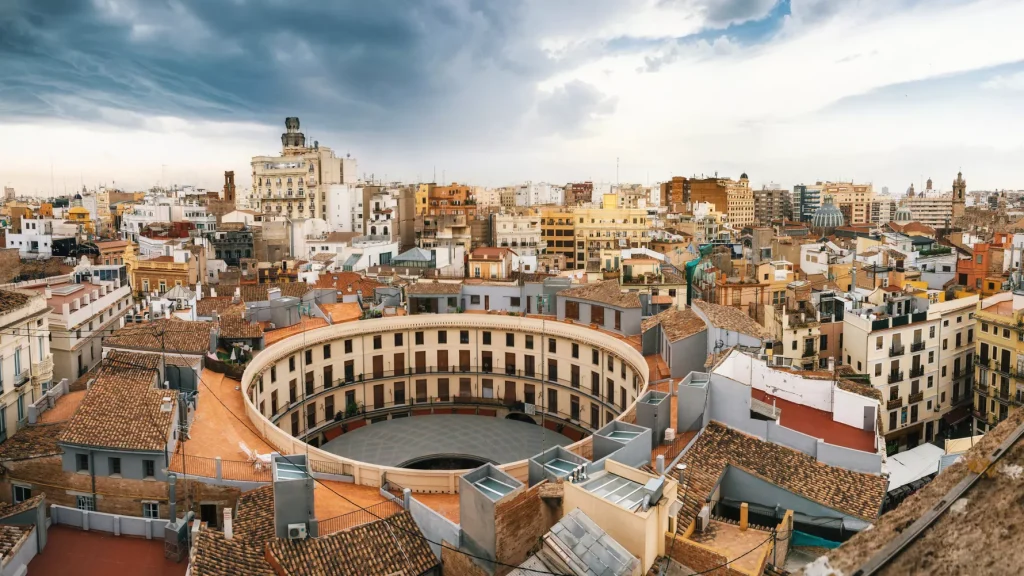
At the Plaza del Mercado, be sure to try the aromatic ham and fresh oysters. The exterior of the building housing the shopping arcades is also worth a visit. The sheer size of its dome, which stands 30 meters high, speaks volumes about the scale of the project.
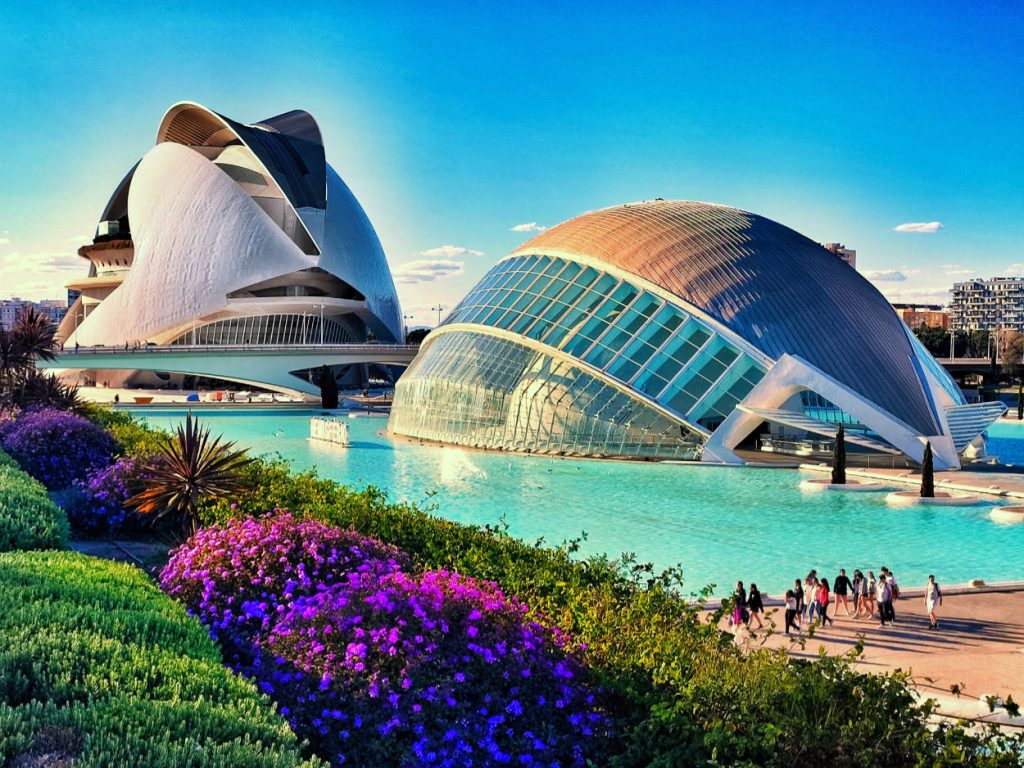
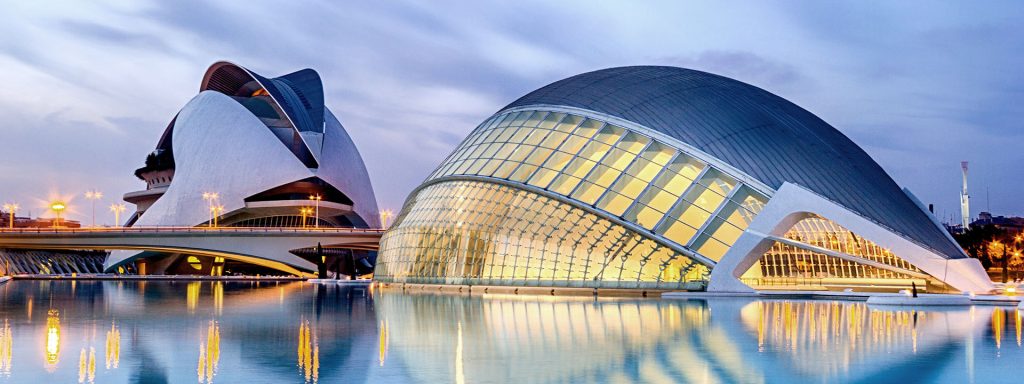
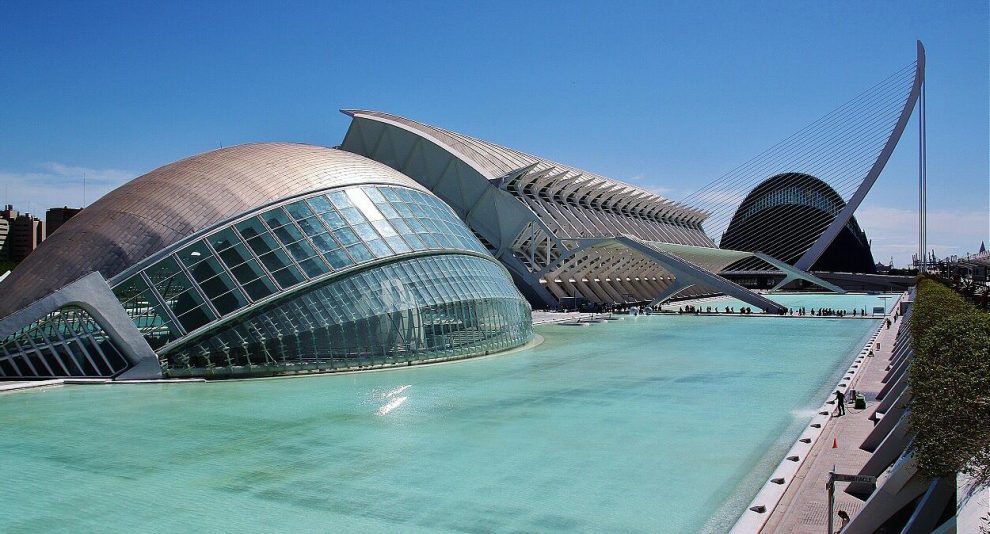
City of Arts and Sciences
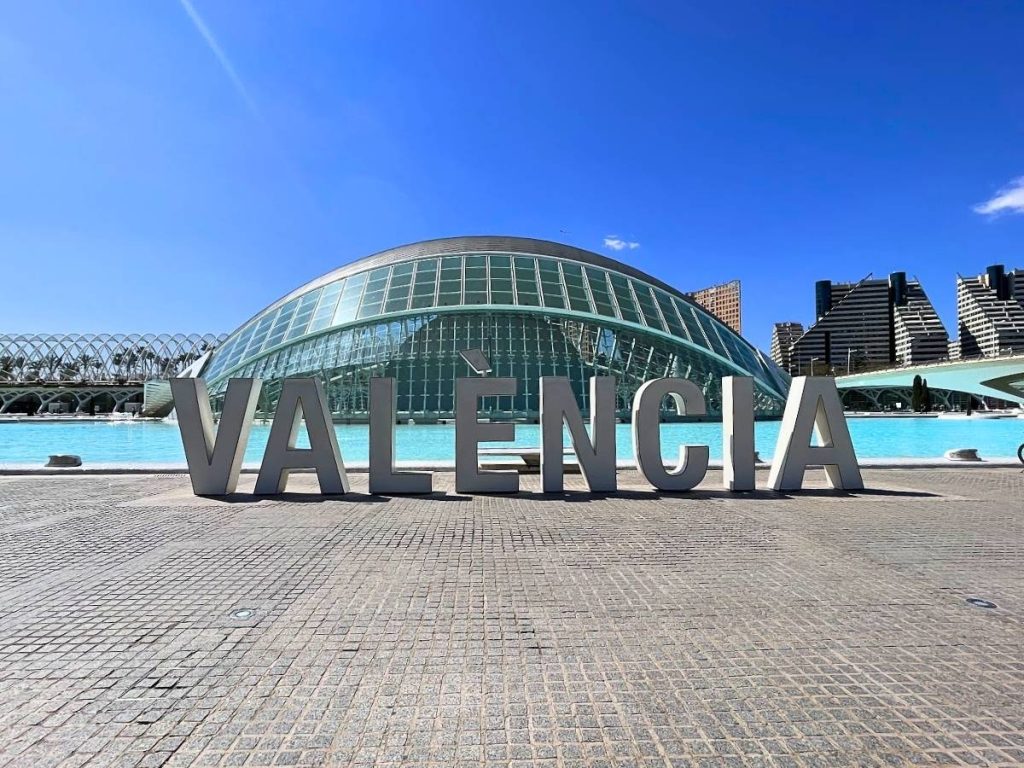
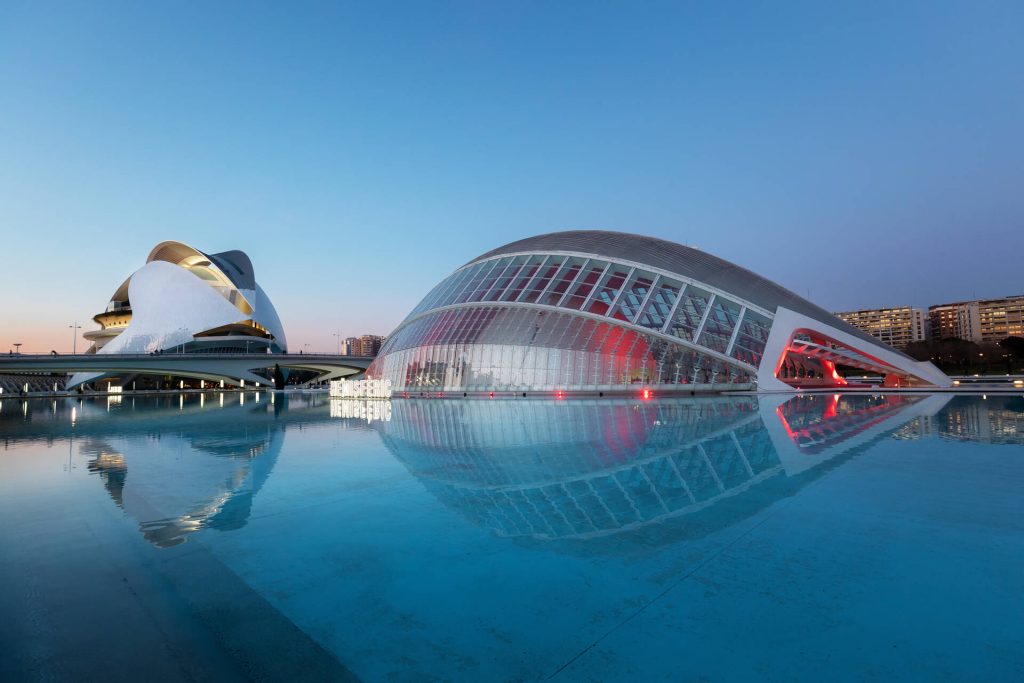
Stroll through the City of Arts and Sciences. This architectural complex is located on the former bed of the Turia River and includes:
- a gallery;
- an oceanographic park;
- an opera house;
- a science museum;
- a planetarium and an IMAX cinema.
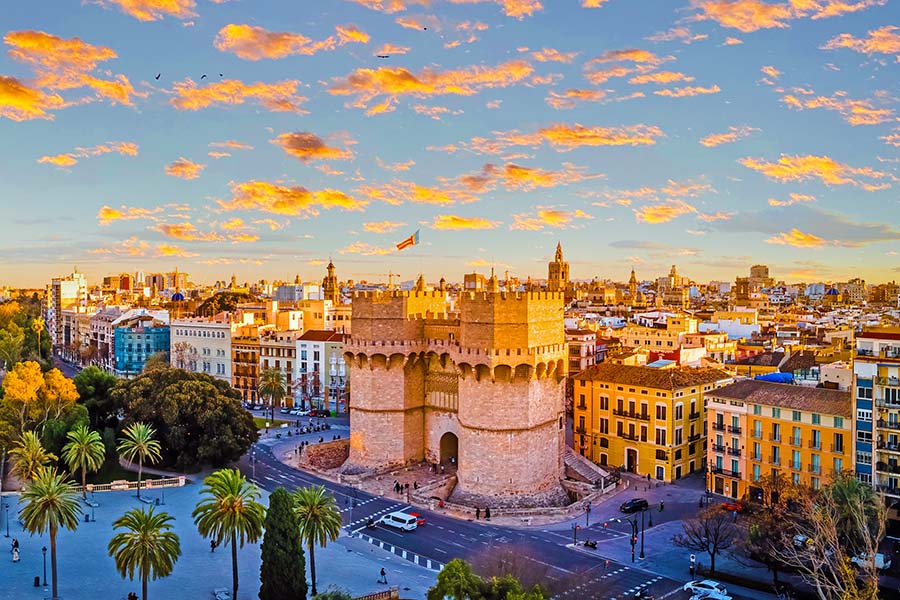
Old Riverbed of the Turia River
In the past, the Turia River flowed through the city streets, providing water to the local population and, during the flood season, flooding residential areas. In the mid-20th century, the river was drained, and parts of the former riverbed were converted into gardens, parks, and soccer fields, while roads were built in some areas. Now, only bridges remain as reminders of the Turia’s existence.