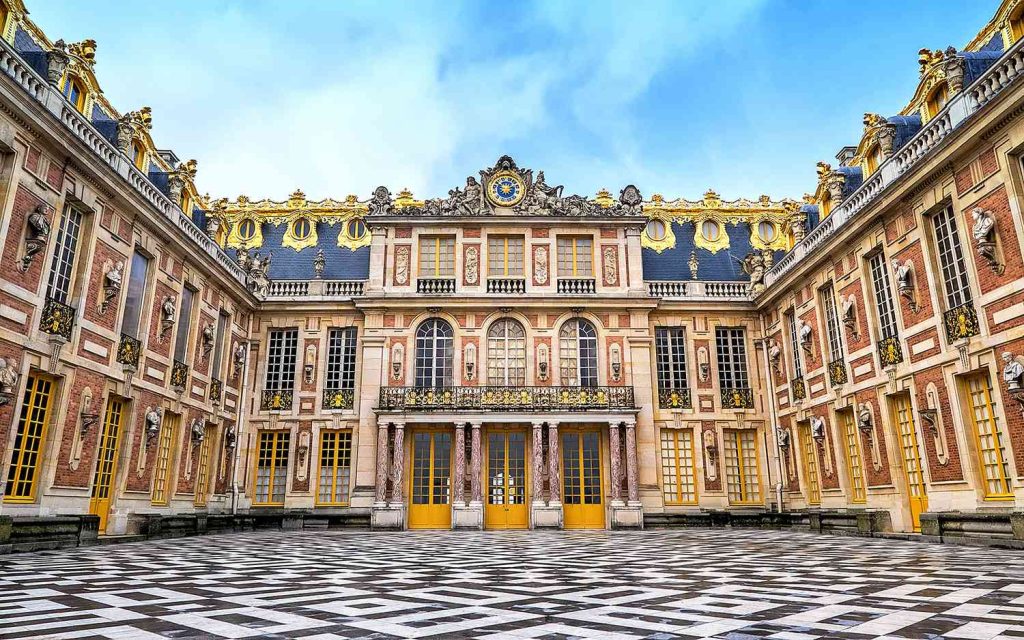
For over a century, the small town of Versailles was the de facto capital of France. From the reign of the “Sun King” to the French Revolution, it was here that the most important state decisions were made, diplomatic alliances were forged, wars were declared, and peace treaties were signed.
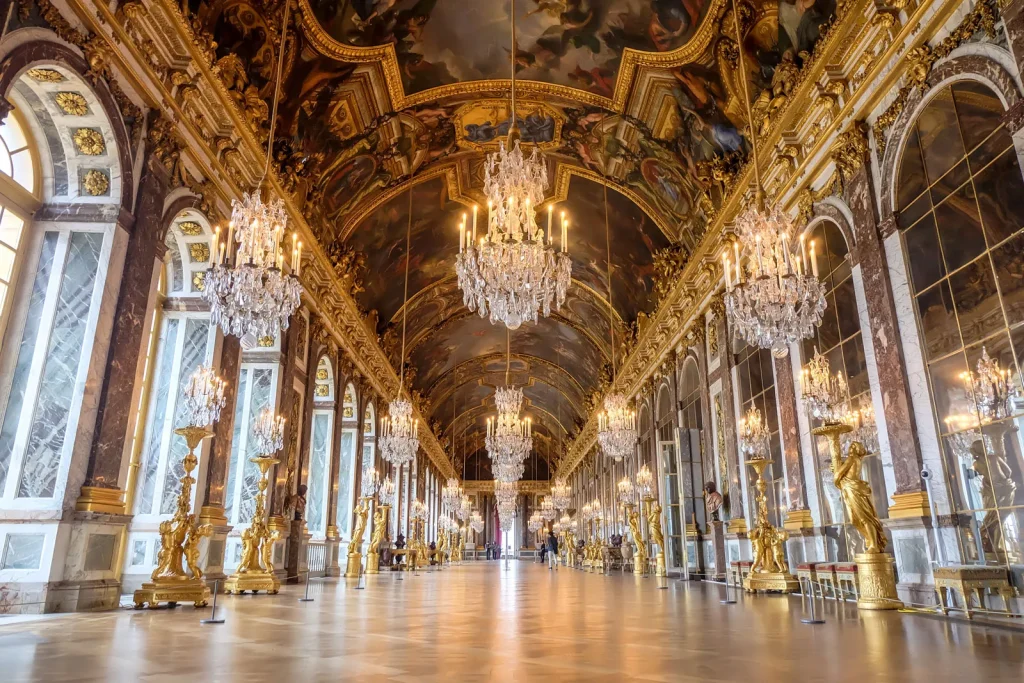
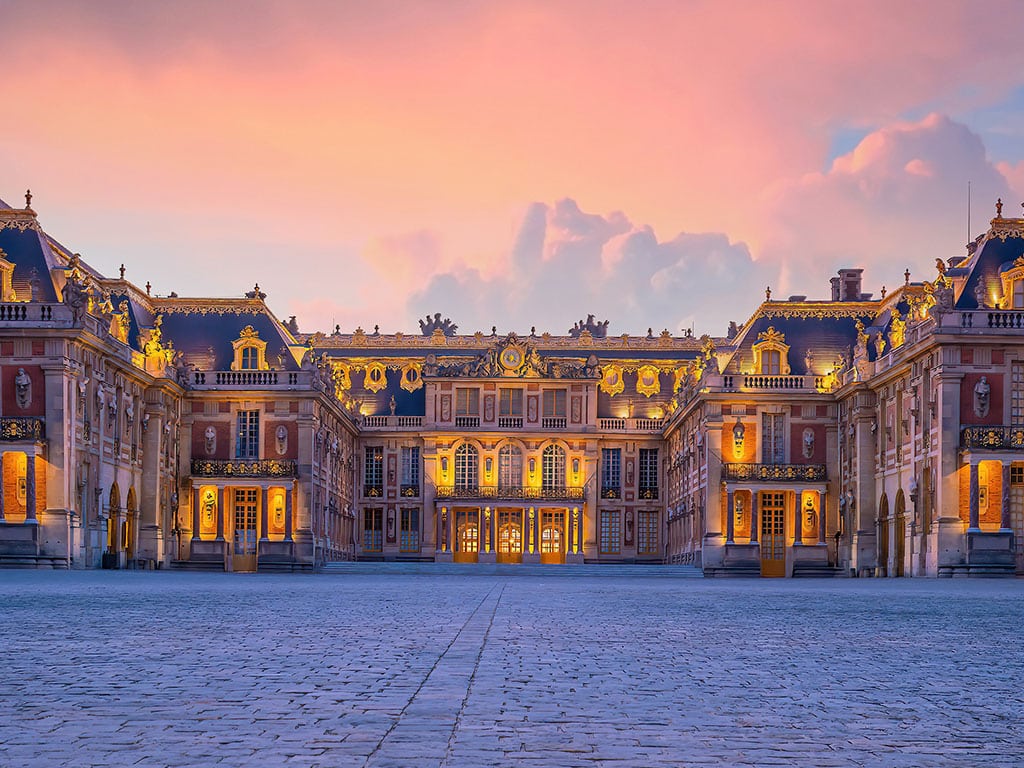
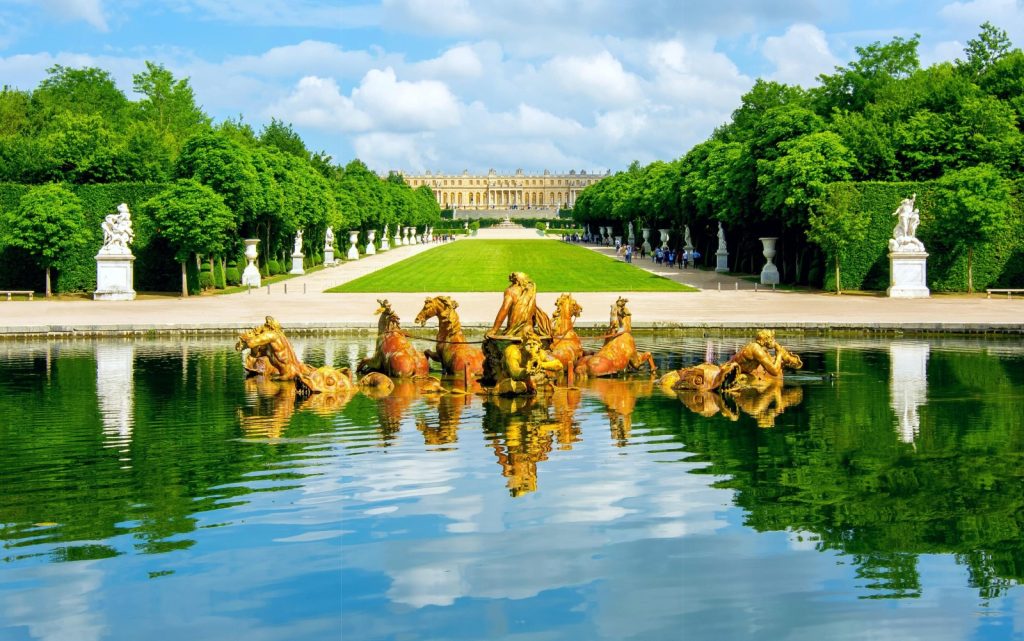
Undoubtedly, the famous Royal Palace remains a key attraction for tourists from all over the world. Visitors primarily seek to see this architectural masterpiece. The palace encompasses a whole complex of buildings: the main building itself, approximately 800 hectares of gardens and parks, kilometers of artificial canals, the Grand and Petit Trianon, the decorative “royal village,” and dozens of lesser-known sites.
The best place to begin your exploration of the city’s sights is the Lambine Museum. It serves as a museum of local history dedicated to the history of Versailles, a museum of the Revolution (since the events of 1789 began here), and an art museum whose collection includes works by outstanding artists, including works by Alfred Sisley.
Notre-Dame was built for the courtiers, so they could attend services while staying close to the palace. Built in a strict classical style, the church retains elements of Gothic architecture: the building’s plan is shaped like a cross. During the Revolution, the church’s furnishings and decorations miraculously survived, allowing visitors to experience the atmosphere of the era of Louis XIV.
The royal palace is not the only one in Versailles. In the city center, amid a manicured 8-hectare park, stands the elegant Montreuil Palace. In 1785, Louis XVI purchased it for his younger sister, Elizabeth. Today, the building is state-owned and hosts exhibitions. The park is open to visitors from March to November, and tourists can enjoy the beauty of the landscape and rare trees such as giant sequoias.