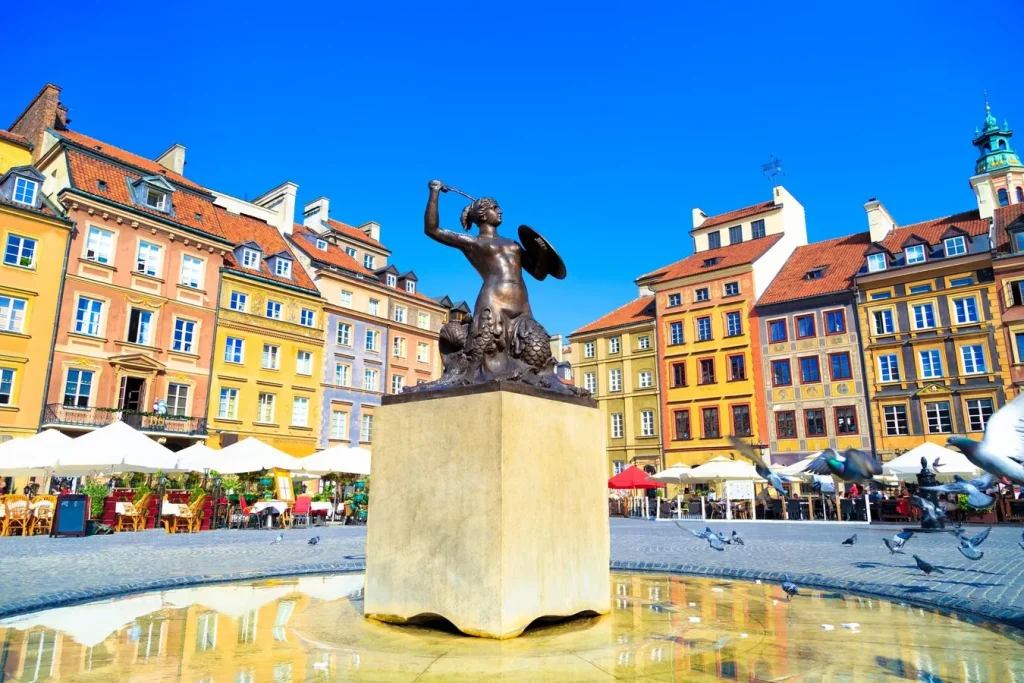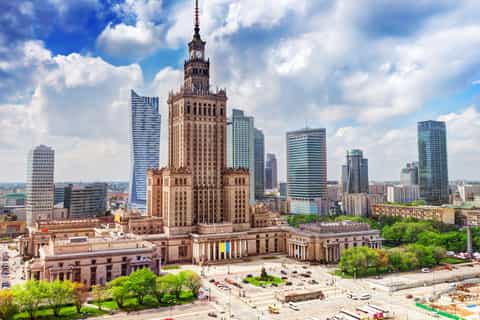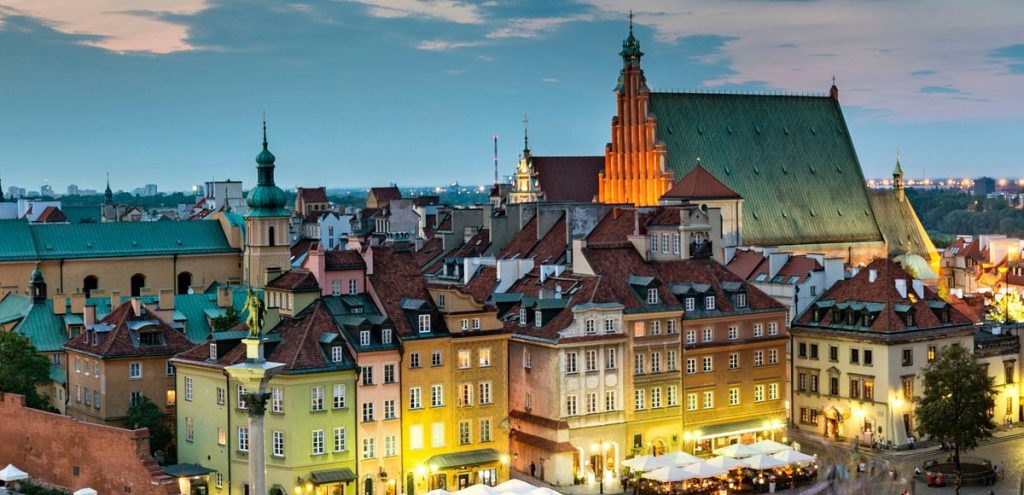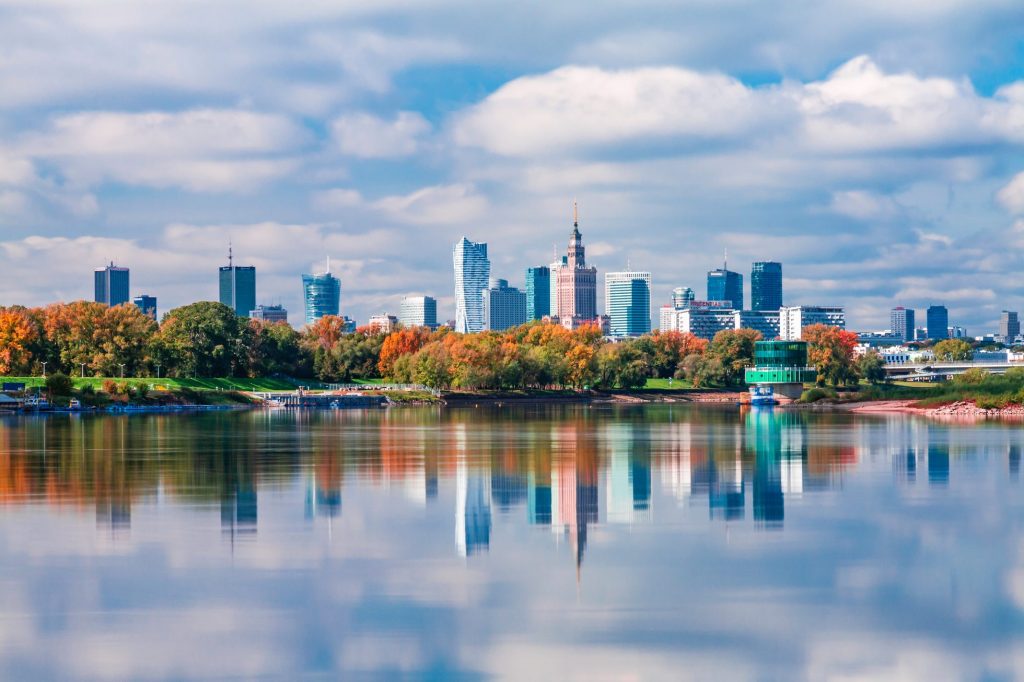
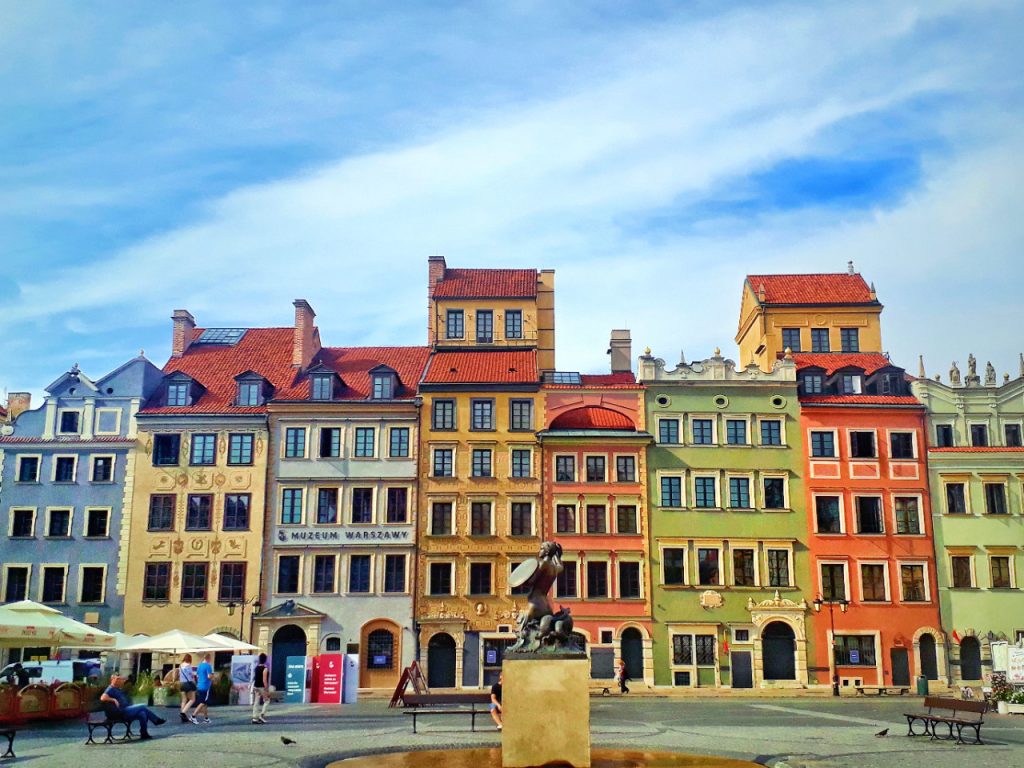
 Warsaw, the capital of Poland, has survived numerous upheavals and conquests. Nevertheless, it has managed to preserve the most valuable elements of each era. Tourists come to Warsaw to stroll the streets of the Old Town and the picturesque banks of the Vistula River, wander through the vast Łazienki Park, and admire the Church of the Holy Cross.
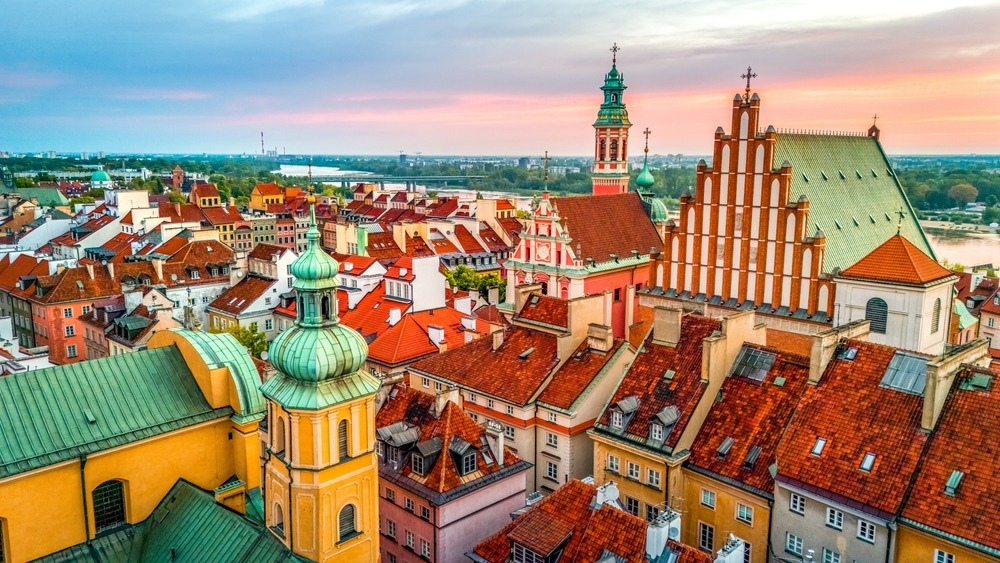
Despite the city being almost completely destroyed during World War II, its historic quarters have been faithfully recreated. The Royal Castle, the Cathedral of St. John the Baptist, and other famous buildings were restored based on 17th- and 18th-century sketches.
Entertainment and Attractions
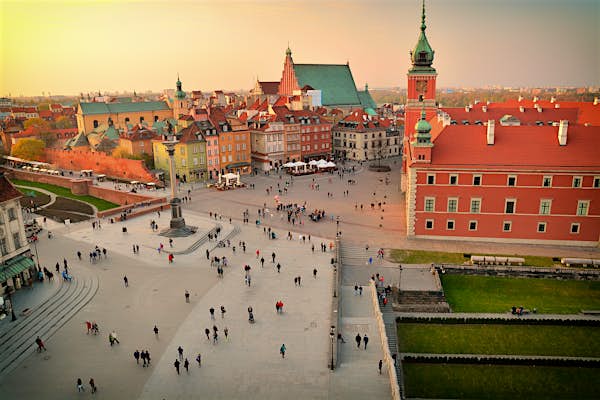
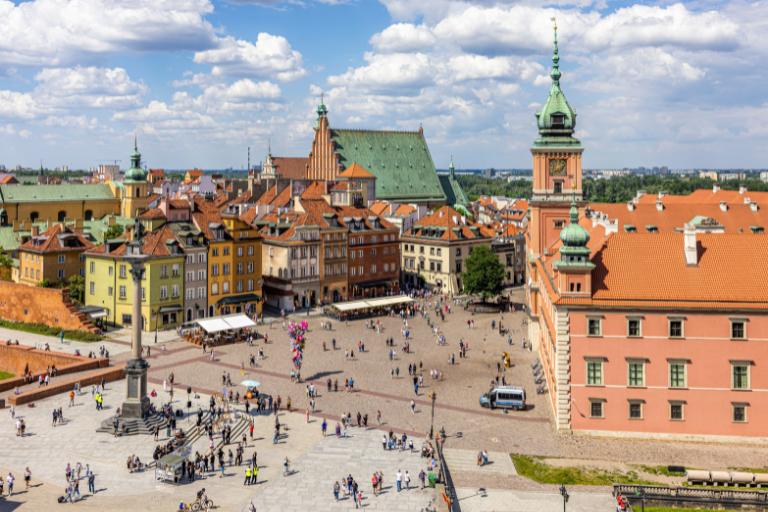
The Royal Palace on Castle Square is Warsaw’s calling card and main tourist attraction. Tourists enjoy taking photos against its impressive backdrop and exploring the museum exhibits that tell the story of the lives of Polish nobility.
The Stare Miasto, the heart of Warsaw, is not very large—it can be explored on foot in a few hours. It ends at a popular tourist street, Krakowskie
Przedmieście, which is home to numerous interesting buildings, including the oldest Hotel Bristol, the Tyszkiewicz and Czapski palaces, the Academy of Fine Arts, and monuments to Mickiewicz, Poniatowski, and Prus.
Head to Łazienki Park to sit on the steps of the ancient amphitheater and stroll along the shady alleys of the 18th-20th century gardens. This is Warsaw’s most famous park complex and one of the few places untouched by the war.
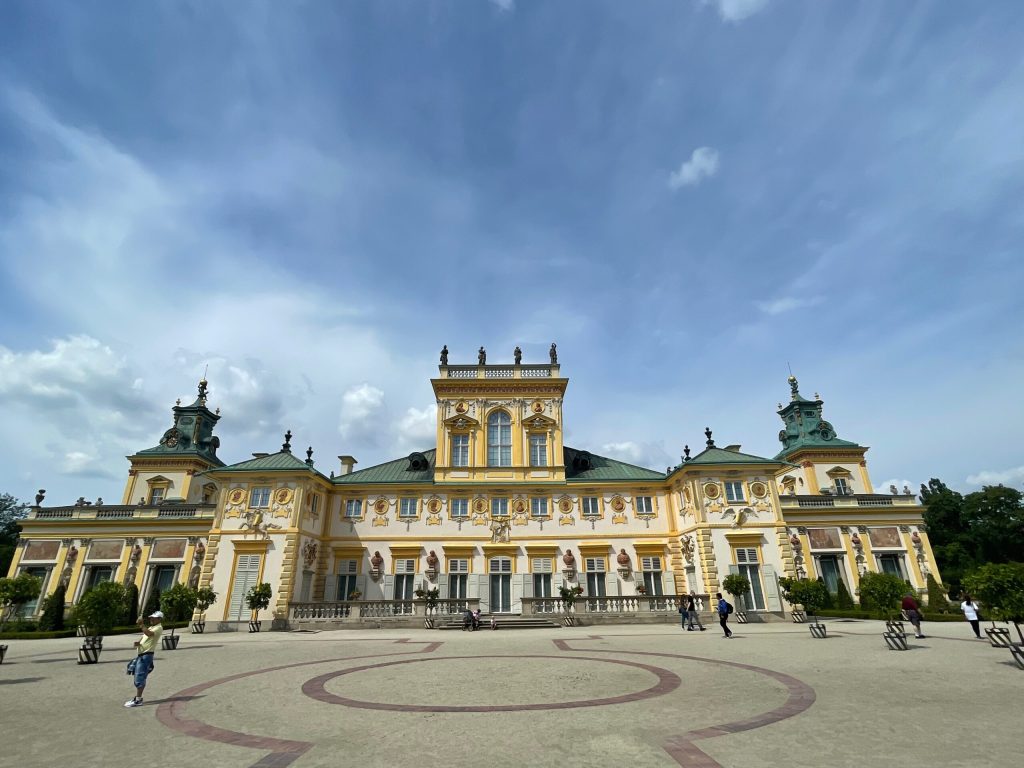
The famous Palace on the Water is the pride of Łazienki Park. Inside the royal summer residence, an impressive collection of paintings is displayed, and a veritable zoo surrounds it.
The Historical Museum on the Market Square will help you understand the complex history of Warsaw. The National Museum displays exhibits of Polish painting and medieval art, as well as a large collection of ancient coins and icons. The Maria Skłodowska-Curie House and Museum offers insight into the life of this unique scientist. The Chopin Museum displays the great composer’s handwritten scores and musical instruments, as well as his personal belongings, death mask, and handprint.