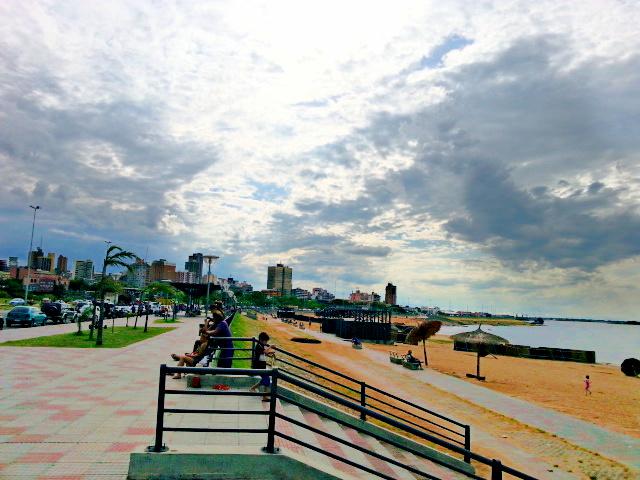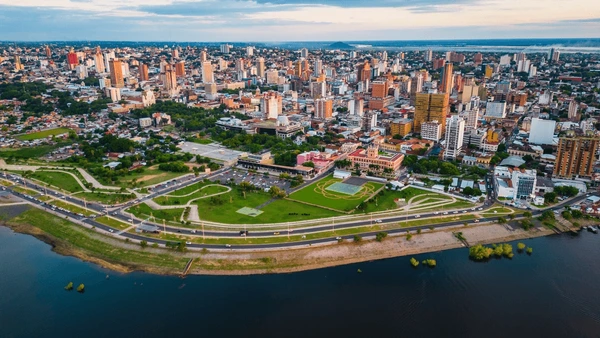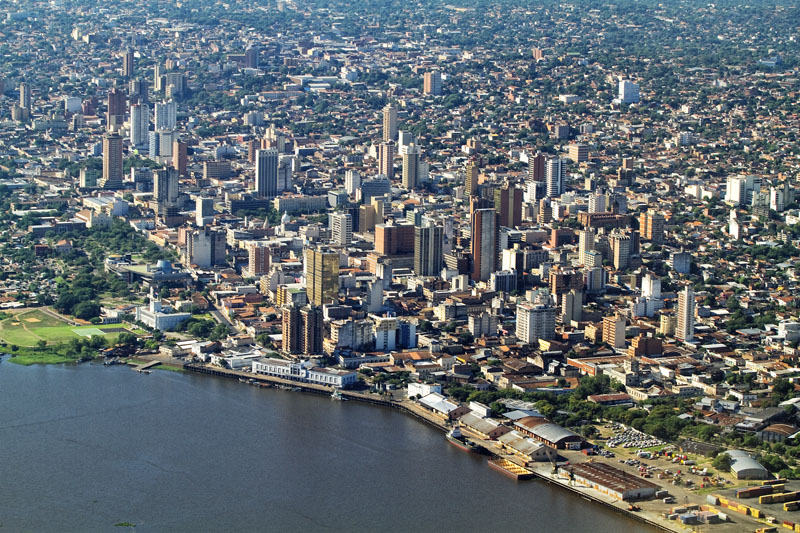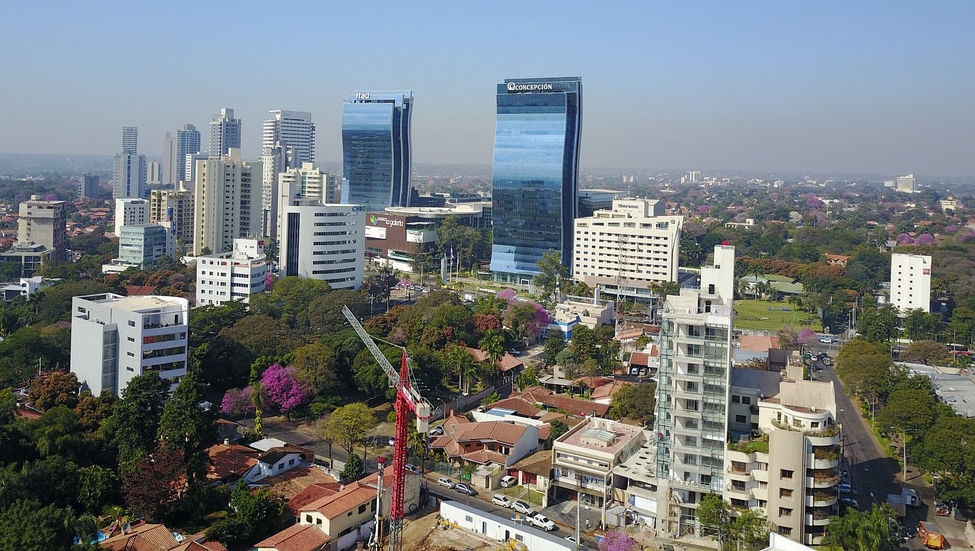
The capital of Paraguay, Asunción, is a dynamic and diverse metropolis that never ceases to amaze.
The historic center of the city resembles a true embodiment of 17th-century Spain: luxurious colonial mansions line both sides of wide avenues, and plazas are adorned with monuments.
The city’s neighborhoods range from upscale to shabby: just exit a modern shopping mall and you might find yourself just a few blocks from a seedy area, beyond which glitter the lights of popular nightclubs.
Entertainment and Attractions
The best way to experience Asunción is from its historic center. Here, you’ll be greeted by colonial mansions in the Beaux-Arts style, with majestic stucco work, exquisite latticework, and manicured green spaces.
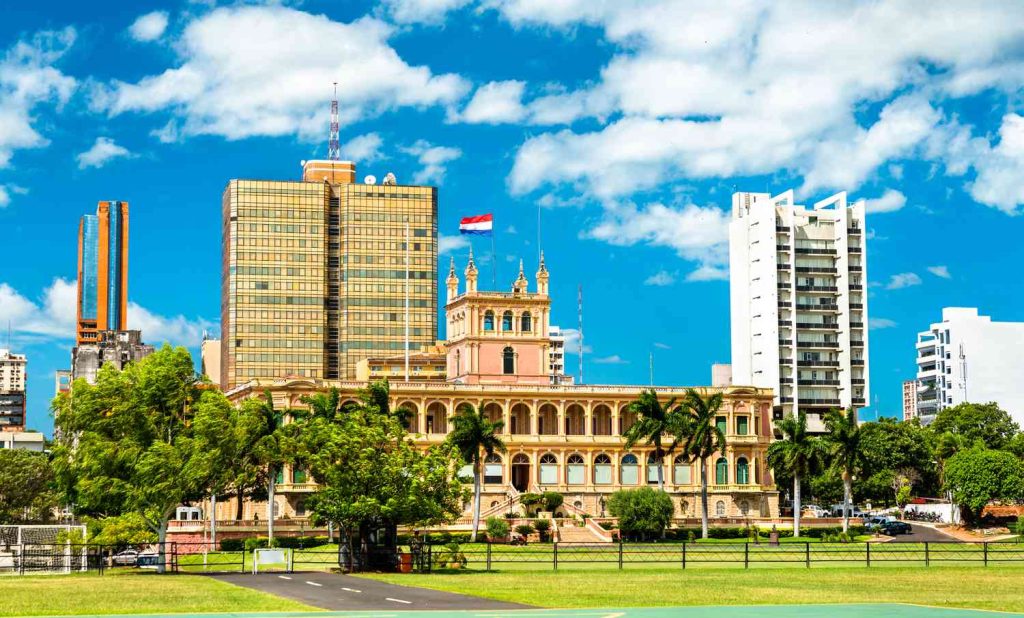
The city’s main attractions are located in the area between two bends of the Paraguay River, known as Manzana de la Riviera. Here lies a complex of 18th- and 19th-century administrative buildings, including the Presidential Palace, the House of Culture, and the Municipal Library, all exemplifying colonial splendor.
The Casa de la Independencia is Asunción’s oldest building, built in the late 18th century. It houses the fascinating Museum of Colonial History. The Palacio del López is the seat of the Paraguayan government. Also worth visiting is the city’s oldest hotel, the Gran Hotel del Paraguay, which houses a collection of 19th-century furniture and paintings.
Asunción’s most notable churches include the magnificent Cathedral of Our Lady of Asunción, dating from the 18th and 19th centuries, located within the Pantheon of Heroes complex, and the church in the Recoleta Cemetery.
Of the museums, the Museo del Barro is particularly noteworthy. The private collection of philanthropist Ticio Escobar has grown into an extensive collection of artifacts dedicated to the history, ethnology, culture, and art of Paraguay. The Museo del Barro also includes the Museum of Aboriginal Art and the Paraguayan Museum of Contemporary Art. Particularly noteworthy are the traditional costumes of the Chaco Indians, pre-Columbian treasures, a carved 18th-century Franciscan chapel, and examples of Nyanduti lace.