For intrepid travelers, there is no journey more profound, humbling, and utterly spectacular than setting sail for the seventh continent. Leaving from Ushuaia, the southernmost city on Earth, adventurers cross the legendary Drake Passage to reach the Antarctic Peninsula—a breathtaking wilderness of towering blue icebergs, massive sweeping glaciers, and thriving wildlife colonies.
This is not your average vacation; it is an expedition to the final frontier of global exploration. Following in the footsteps of legendary explorers like Shackleton and Amundsen, a voyage from the dramatic jagged peaks of Tierra del Fuego to the pristine, frozen bays of Antarctica offers a life-changing encounter with the raw, untamed power of nature.
In this complete travel guide, you’ll discover everything you need to know before embarking on this ultimate polar expedition.
The Journey Begins: Where Is Ushuaia?
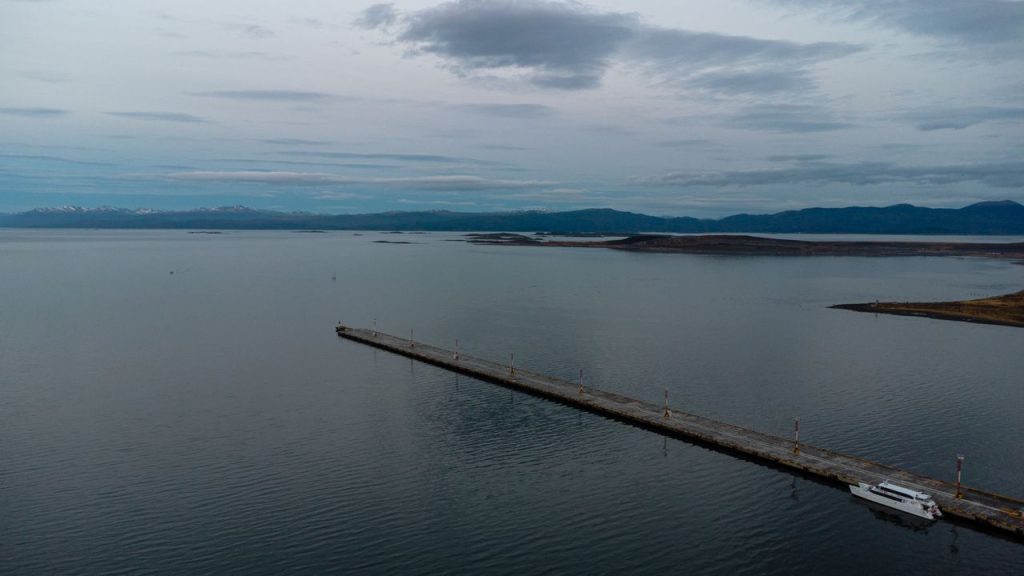
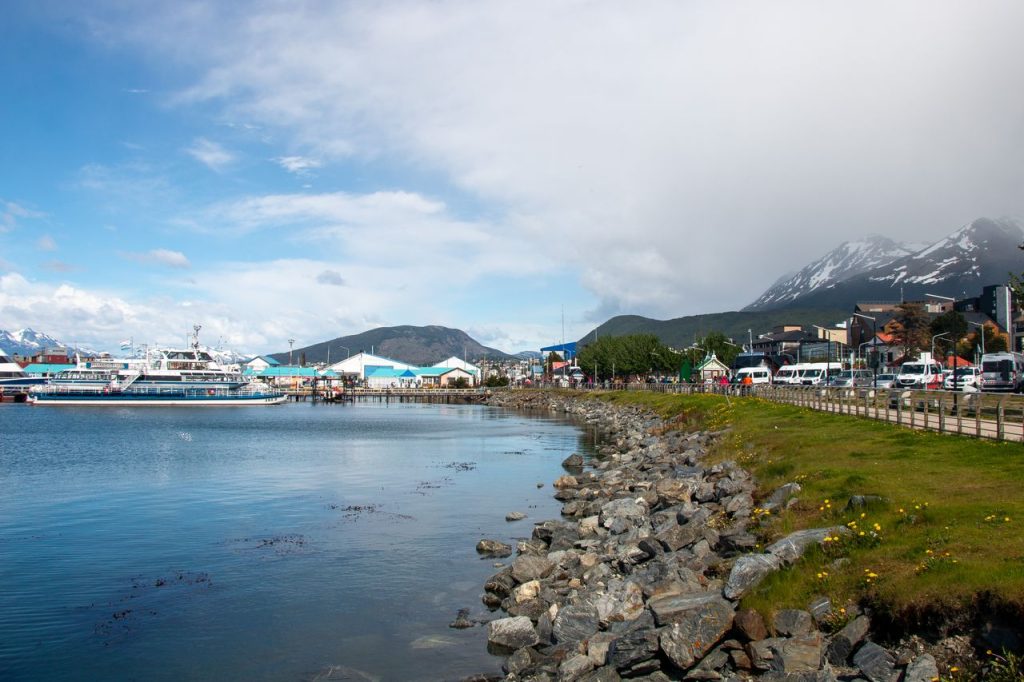
Ushuaia is the vibrant capital of the Tierra del Fuego province in Argentina, famously known as El Fin del Mundo (The End of the World).
The city serves as:
The world’s primary gateway to Antarctica (handling over 90% of global polar tourist departures)
A dramatic port town nestled between the martial mountain range and the Beagle Channel
The launching pad for expedition vessels traveling south across the Southern Ocean
Located roughly 2,000 miles (3,200 km) south of Buenos Aires, Ushuaia is where you will board your expedition ship, meet your polar guides, and look out over the waters that lead directly to the frozen continent.
The Destination: What Is the Antarctic Peninsula?
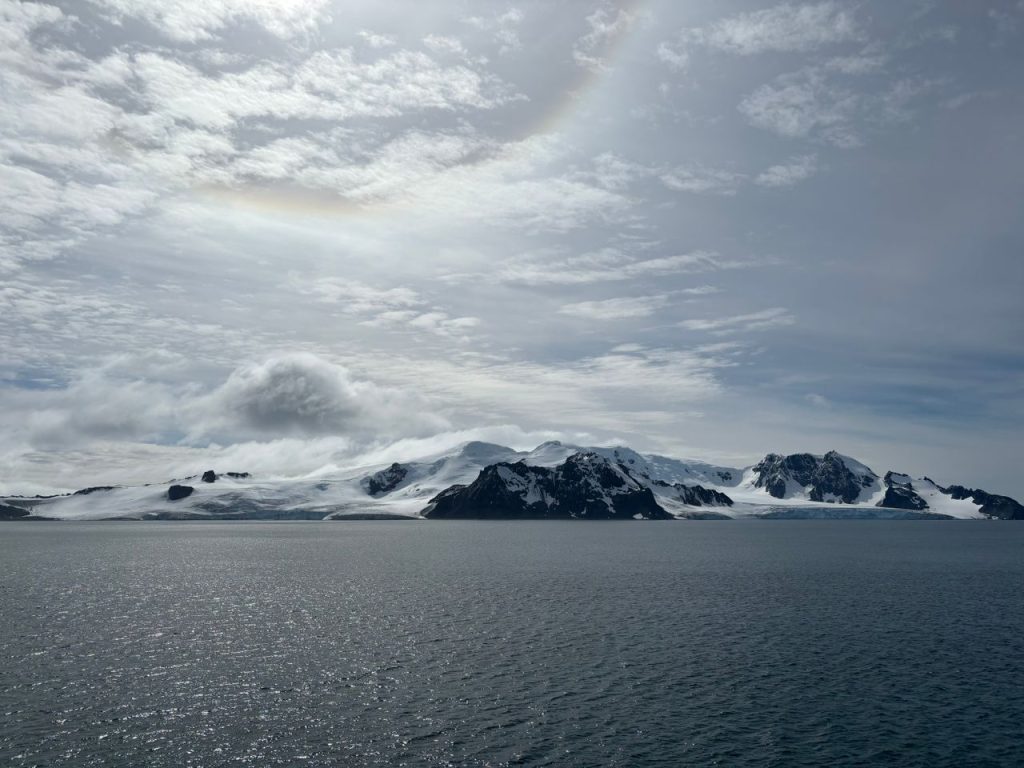
The Antarctic Peninsula is the northernmost part of the mainland of Antarctica, stretching upward toward South America like a massive, icy finger.
The region features:
A dramatic landscape dominated by heavily glaciated mountains plunging straight into the sea
A maritime environment that hosts the highest concentration of wildlife on the continent
A network of sheltered channels, spectacular bays, and active scientific research stations
Because it is the most accessible and climatically hospitable part of the continent, it is the primary destination for polar cruise expeditions.
Best Things to Do and See on the Expedition
Explore Ushuaia Before You Sail
Don’t treat the End of the World as just a transit hub. Ushuaia deserves at least a few days of exploration before your ship departs.
Highlights include:
Tierra del Fuego National Park: Hike through dramatic sub-Antarctic forests and stand at the end of the Pan-American Highway.
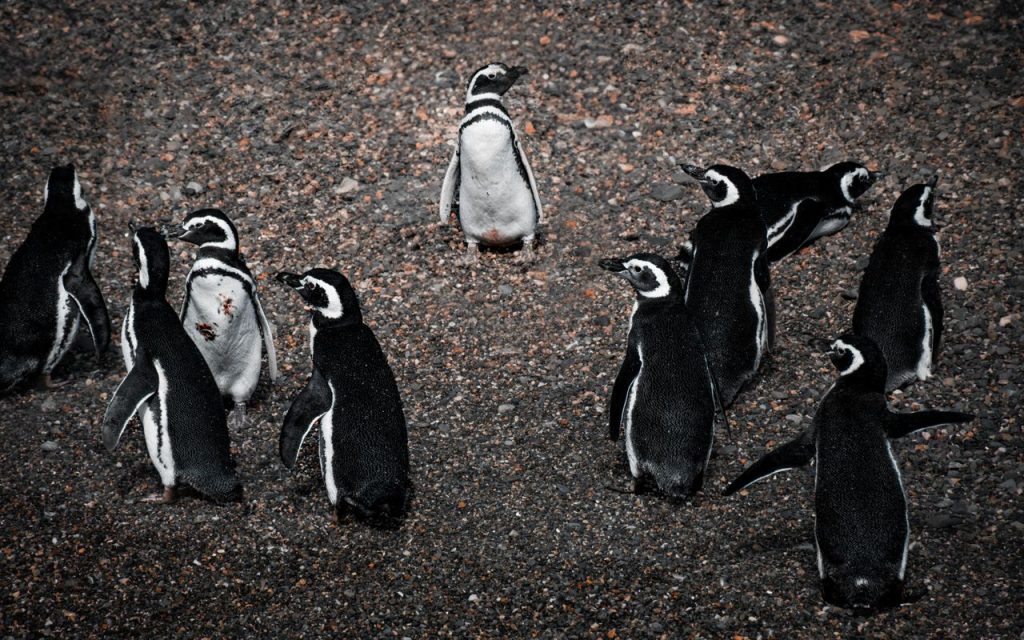
Sailing the Beagle Channel: Take a catamaran tour to see the iconic Les Éclaireurs Lighthouse, sea lion islands, and Magellanic penguin colonies.
Tasting Centolla: Indulge in Ushuaia’s world-famous, freshly caught southern king crab at local port-side restaurants.
Survive the Legendary Drake Passage
To reach paradise, you must cross the Drake Passage—the 500-mile stretch of water separating South America from Antarctica.
Visitors will experience:
The “Drake Shake” or the “Drake Lake”: Depending on weather conditions, the passage can bring thunderous, rolling waves or glassy, mirror-like calm waters.
Albatross Watching: Giant southern petrels and wandering albatrosses gracefully glide alongside the ship’s wake.
Polar Lectures: Utilize these two days at sea to attend fascinating lectures on polar history, glaciology, and marine biology hosted by onboard scientists.
Step Foot on the Antarctic Continent
Reaching the peninsula means embarking on daily Zodiac boat excursions to make landings on remote islands and the actual continental mainland.
Highlights include:
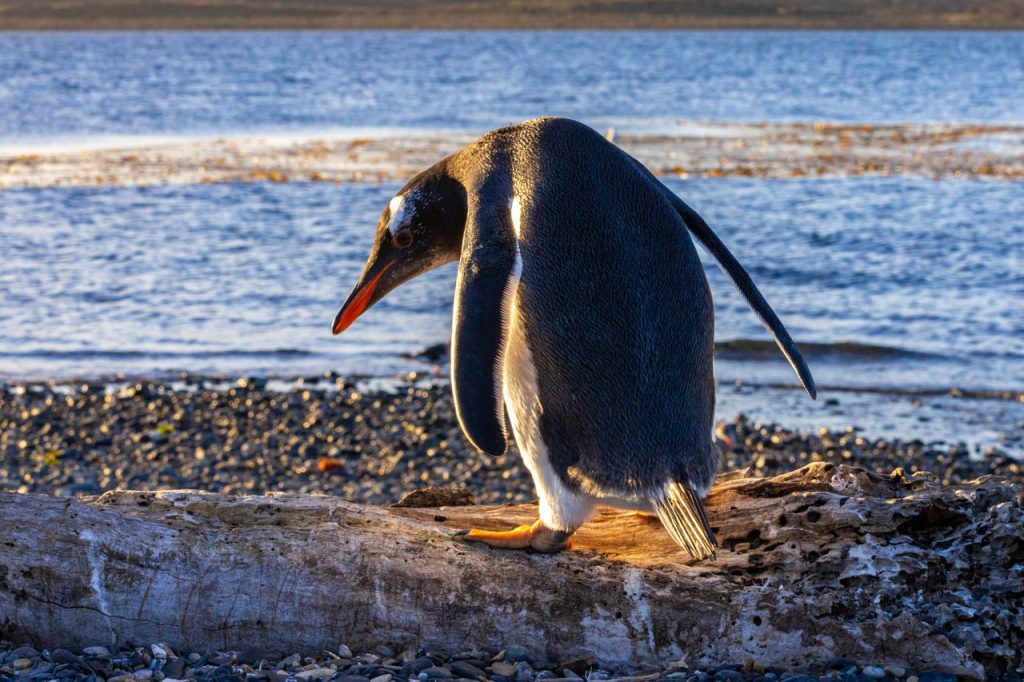
Walking among thousands of penguins: Stand in awe as vast colonies of Gentoo, Chinstrap, and Adélie penguins go about their daily lives.
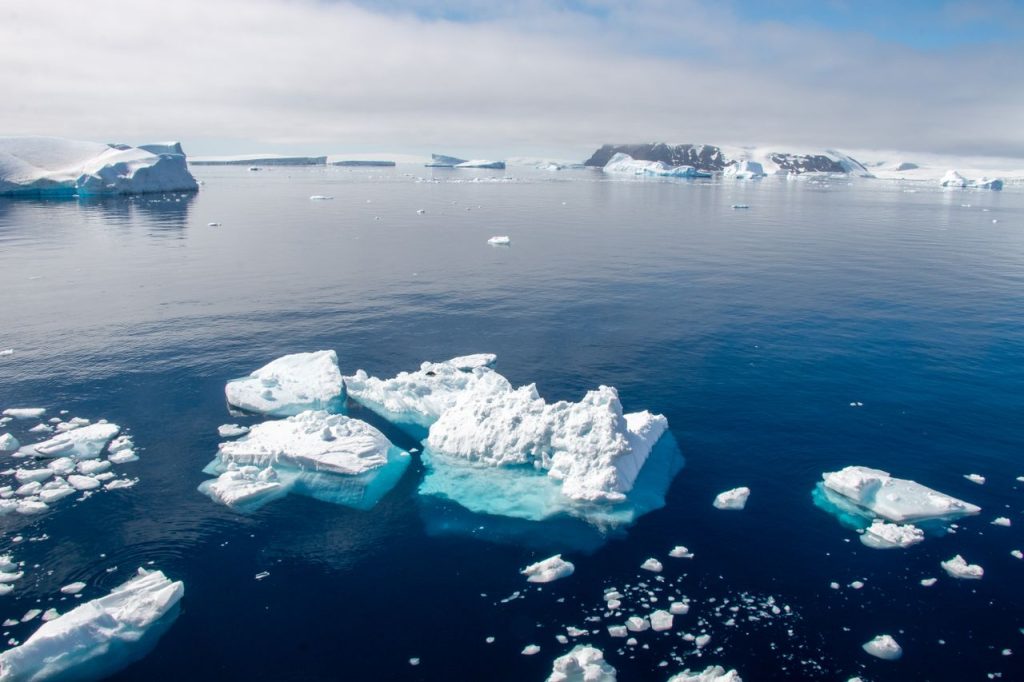
Cruising past tabular icebergs: Navigate through surreal “iceberg graveyards” where floating sculptures of ancient, neon-blue ice tower over your small rubber boat.
Visiting Historic Base Stations: Explore working scientific research centers or historic huts, like the British base at Port Lockroy, which features the southernmost operational post office in the world.
Witness Whales in Majestic Deception Island
Deception Island is one of the most unique places on Earth—a flooded, active volcanic caldera that ships can actually sail directly inside through a narrow opening called Neptune’s Bellows.
Visitors can enjoy:
Walking on striking, black volcanic sand beaches covered in geothermal steam.
Exploring the haunting, abandoned ruins of an early 20th-century whaling station.
Watching humpback, minke, and killer whales (orcas) feed in the nutrient-rich polar waters of the surrounding Bransfield Strait.
Take the Ultimate Polar Plunge
For the bravest souls on board, almost all expedition ships offer the chance to participate in the iconic Polar Plunge. Tethered securely by a safety harness, you jump directly into the sub-zero waters of the Southern Ocean for a brief, incredibly exhilarating, and unforgettable shock to the system.
Wildlife You Will Encounter
The Antarctic Peninsula during the polar summer is absolutely teeming with life:
Penguins: The stars of the show. You will witness nesting rituals, parents feeding fuzzy chicks, and penguins “porpoising” through the water.
Seals: Spot massive elephant seals lounging on beaches, sleek Weddell seals resting on ice floes, and fierce leopard seals hunting near the shoreline.
Whales: The waters are a sanctuary for cetaceans. It is common to see humpback whales breaching, bubble-net feeding, or curiously approaching your Zodiac boat.
Best Time to Visit Antarctica
Antarctica is only accessible to travelers during the polar summer (November to March). Each month offers a unique experience:
Early Summer (November to December)
Benefits include:
Antarctica at its most pristine, with untouched snowscapes and massive, clean icebergs.
Courting season for penguins; you will see them building stone nests and displaying elaborate mating rituals.
Mid-Summer (January to February)
Visitors enjoy:
The warmest temperatures of the year (often hovering around a comfortable 32°F / 0°C on the peninsula).
Peak penguin activity as eggs hatch and the beaches fill with fluffy, curious chicks.
Up to 20 hours of daylight, giving you endless opportunities for sightseeing.
Late Summer (Late February to March)
Benefits include:
The absolute best time for whale watching, as humpbacks and orcas gather in massive numbers to feed before migration.
Less ice blocking narrower, spectacular waterways like the Lemaire Channel.
How to Plan Your Expedition
Choose Your Vessel: Polar ships range from small, rugged 100-passenger expedition vessels (which maximize time spent on land) to larger, luxurious cruise liners.
Fly into Ushuaia: Take a domestic flight from Buenos Aires directly to Ushuaia International Airport (USH).
The “Last Minute” Option: For budget-conscious travelers with flexible schedules, walking into local travel agencies along Ushuaia’s main street (Avenida San Martín) can sometimes yield deeply discounted, last-minute cabin deals on ships departing within a few days.
Essential Packing and Travel Tips
Dress in layers: The classic polar system includes a moisture-wicking base layer, a warm fleece middle layer, and a waterproof, windproof outer shell (most expedition companies provide a heavy-duty polar parka).
Invest in good camera gear: Bring a camera with a quality zoom lens to capture wildlife safely from a distance, extra batteries (cold drains battery life rapidly), and plenty of waterproof dry bags.
Pack motion sickness medication: The Drake Passage is unpredictable. Bring patches, bands, or pills to ensure you stay comfortable during sea crossings.
Respect the wildlife guidelines: IAATO regulations state you must maintain a safe distance from all animals. Never block a “penguin highway” (the worn paths penguins use to walk between the sea and their nests).
Is the Antarctic Peninsula Worth It?
Without question. Traveling to Antarctica via Ushuaia is a journey that changes your perspective on the planet forever. It is a place of profound silence, unimaginable scale, and pristine purity that cannot be replicated anywhere else on earth.
Whether you are watching the jagged peaks of Tierra del Fuego fade into the horizon, listening to the thunderous crack of a calving glacier in Paradise Bay, or standing quietly on a snowy beach as a curious penguin chick waddles up to inspect your boots, an expedition to the bottom of the world is the ultimate travel triumph.
Final Thoughts
From the colorful, bustling port streets of Ushuaia to the roaring waves of the Drake Passage and the ethereal, ice-choked cathedrals of the Antarctic Peninsula, this expedition represents the pinnacle of adventure travel.
Its immense natural beauty, staggering isolation, and thriving wild ecosystems make it a deeply rewarding, once-in-a-lifetime journey for anyone looking to truly explore the edge of the world.
Read too: Buenos Aires: The Ultimate Travel Guide to Argentina’s Vibrant Capital