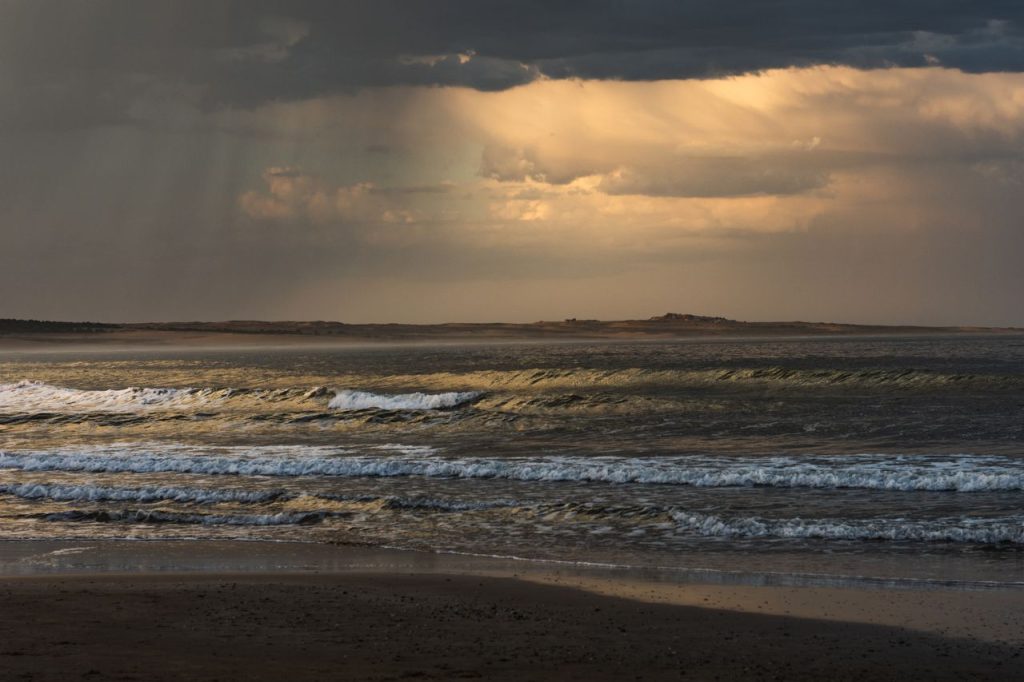
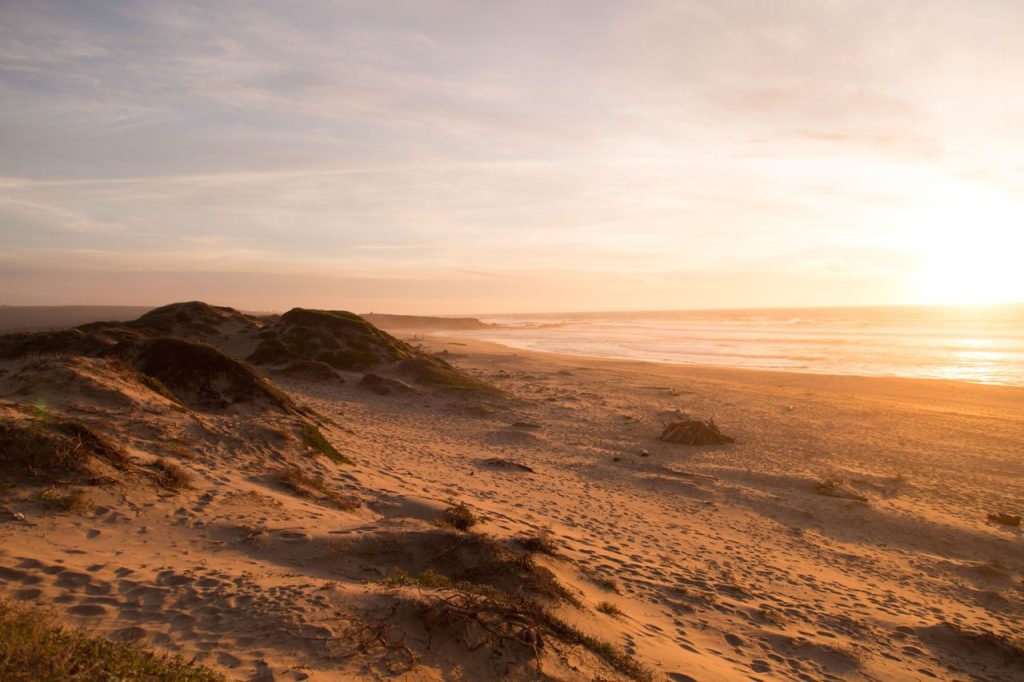
Hidden behind a massive barrier of shifting sand dunes on Uruguay’s rugged Atlantic coast, Cabo Polonio is one of the most magical, eccentric, and radically isolated beach villages in the world. With no running water, no grid electricity, and no paved roads connecting it to civilization, this remote rocky peninsula offers a dramatic escape into an untouched coastal wonderland.
What started as a tiny settlement for fishermen and lighthouse keepers has evolved into a legendary sanctuary for bohemians, nature lovers, and travelers seeking an authentic digital detox. Powered by candlelight, solar panels, and the rhythm of the ocean waves, Cabo Polonio feels like a village frozen in a simpler, more poetic time.
In this complete travel guide, you’ll discover everything you need to know before embarking on a journey to Cabo Polonio.
Where Is Cabo Polonio?
Cabo Polonio is a secluded coastal hamlet located inside the Cabo Polonio National Park in the Rocha Department of eastern Uruguay.
The village serves as:
A strictly protected biological and scenic reserve
Home to one of the largest sea lion colonies in South America
A remote outpost sitting roughly 160 miles (257 km) northeast of the capital city, Montevideo
The village is structurally cut off from the main highway by a dynamic system of sand dunes, meaning standard cars cannot reach it. The only way in is by taking authorized open-top 4×4 trucks or embarking on a long sand trek.
Why Visit Cabo Polonio?
1. Radical Digital Detox
With no power lines or modern streetlights, the village relies entirely on alternative energy. It is the perfect place to unplug, read, and experience life by candlelight.
2. Incredible Marine Wildlife
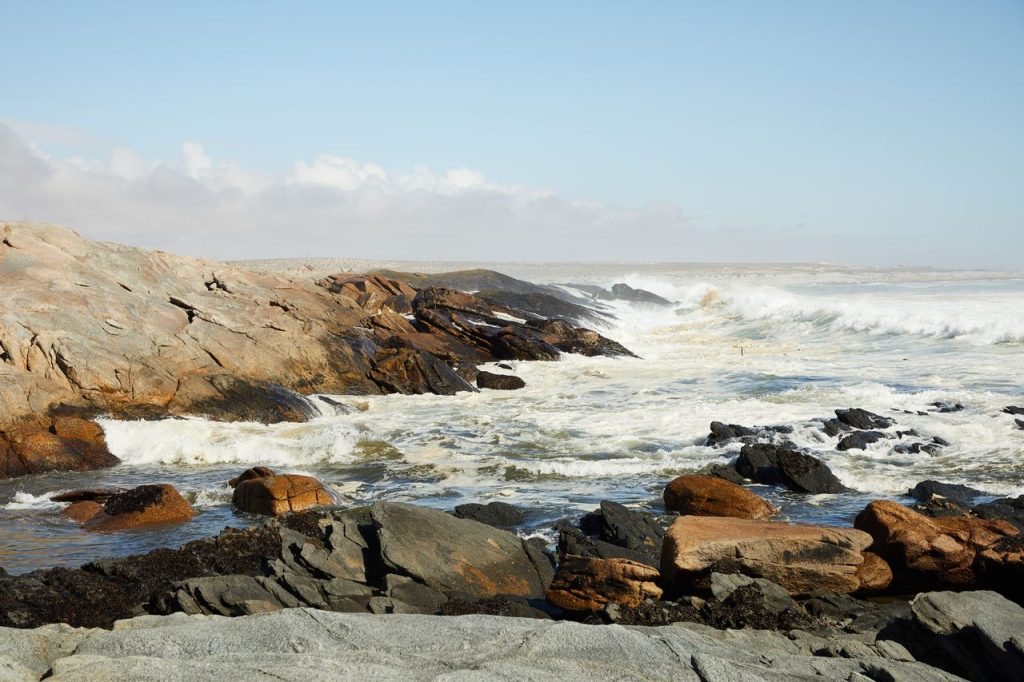
The rocky shores of the point serve as an active sanctuary where thousands of wild sea lions gather, sunbathe, and play right before your eyes.
3. Starry Skies and Bioluminescence
Because there is virtually no light pollution, the night sky over Cabo Polonio offers jaw-dropping stargazing. On dark nights, the crashing ocean waves frequently glow with brilliant, blue bioluminescent plankton (noctilucas).
4. Moving Sand Dunes
The park features immense, shifting sand dunes that constantly change shape with the Atlantic winds, making the approach feel like a trek into the Sahara.
Best Things to Do in Cabo Polonio
Climb the Historic Cabo Polonio Lighthouse
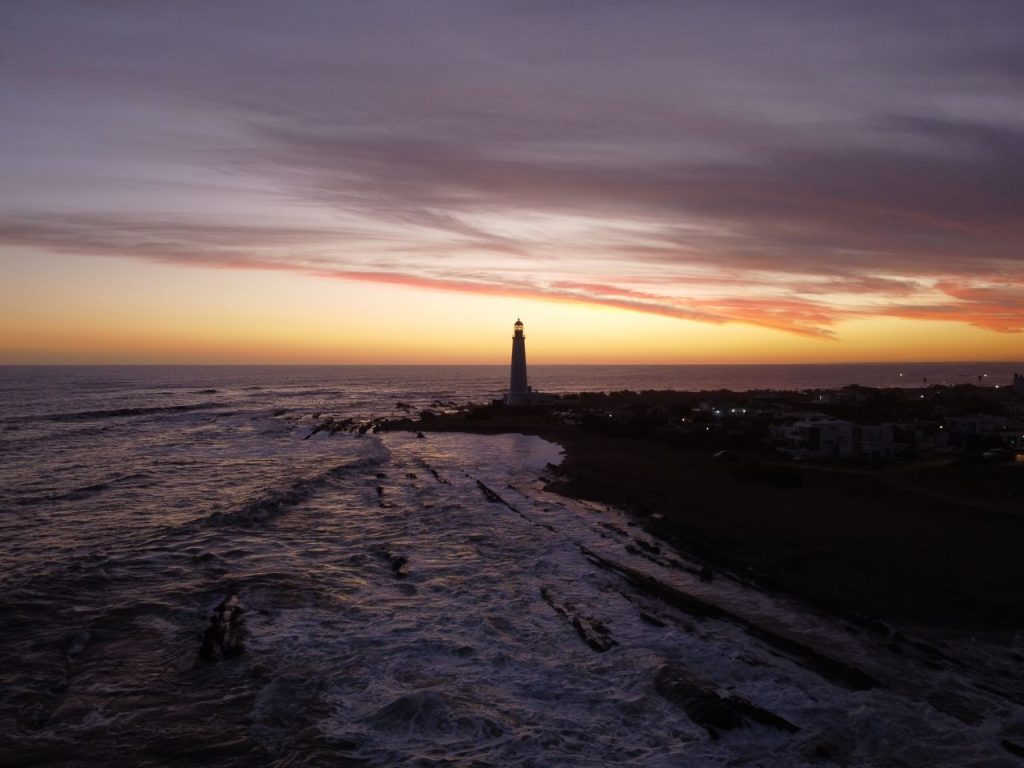
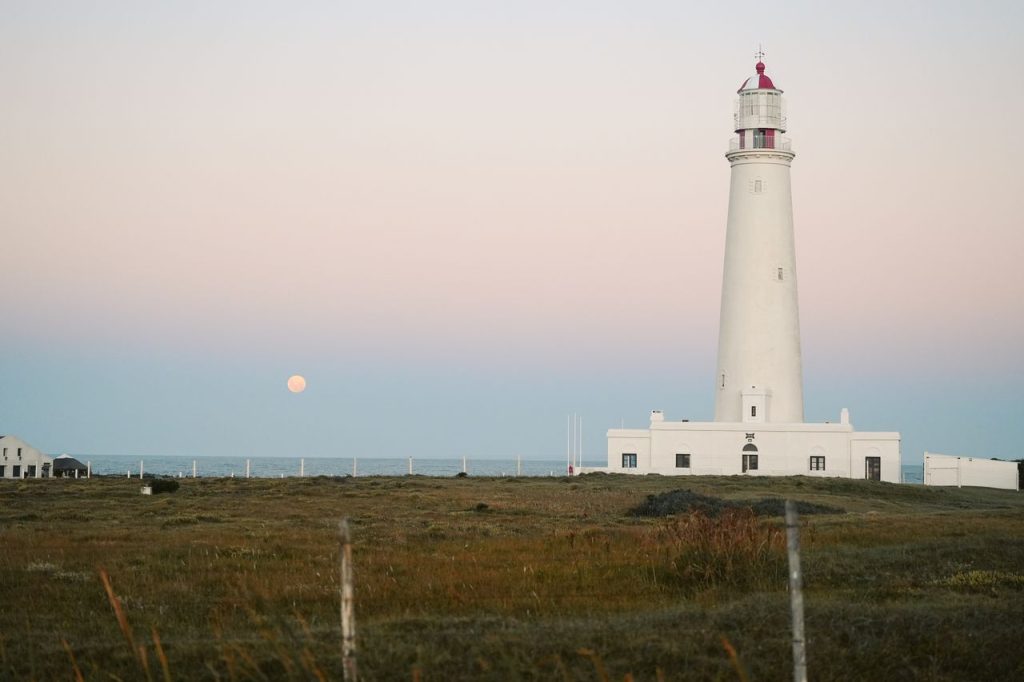
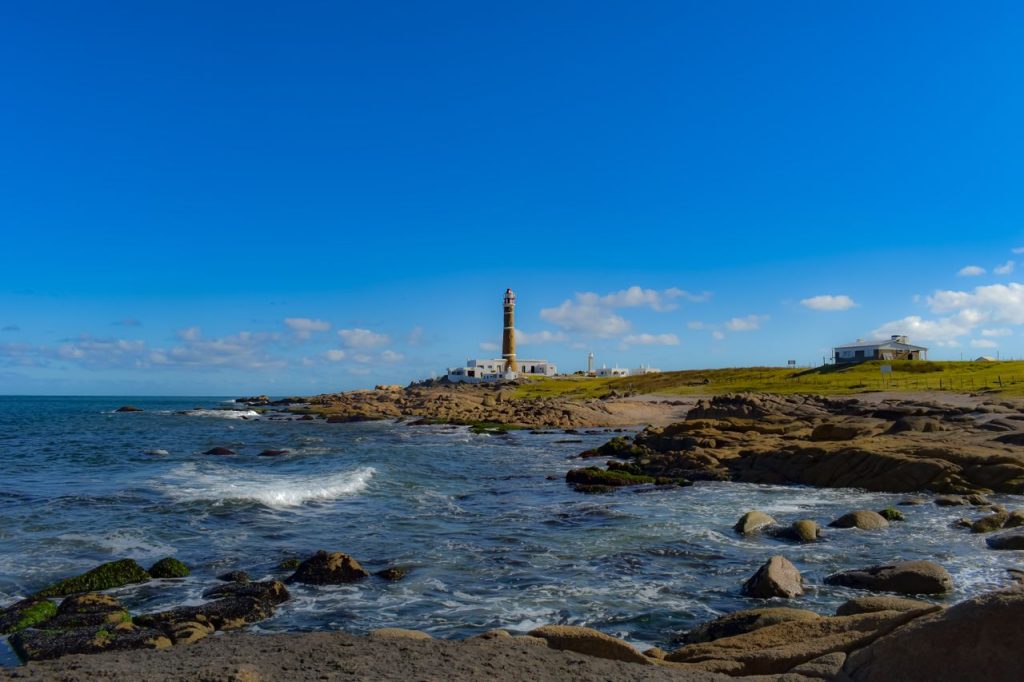
The Faro de Cabo Polonio is the historic centerpiece of the peninsula, built in 1881 to safely guide ships through the treacherous, rocky waters.
Highlights include:
Climbing the spiral stone steps to the lantern room lookout.
Catching panoramic views of the village’s scattered ranchos, the immense sand dunes, and the Atlantic Ocean.
Spotting the vast sea lion colonies lounging on the rocky outcroppings directly below the tower.
Walk Through the Moving Dunes
The Dunas de Cabo Polonio are among the highest and most dynamic dune systems in South America.
Visitors can enjoy:
Trekking across the soft, white sand peaks that can reach up to 100 feet (30 meters) high.
Sandboarding down the steep slopes facing the ocean.
Taking the classic 5-mile (8 km) coastal hike from the nearby beach town of Valizas over the dunes to enter the cape on foot.
Observe the Thriving Sea Lion Colony
Cabo Polonio is one of the world’s finest spots to witness marine mammals in their natural habitat without fences or glass.
Highlights include:
Walking out along the rocky northern tip near the lighthouse to see thousands of fur seals and sea lions.
Listening to the loud, continuous barking of the bulls echoing off the rocks.
Watching pups play in the churning Atlantic tide pools. (Always keep a safe, respectful distance from the animals).
Relax on Playa Sur and Playa Norte
The peninsula splits the ocean into two massive, distinct beaches with completely different personalities.
Playa Sur: The southern beach features broad stretches of fine white sand and excellent waves, making it a favorite for surfers, swimmers, and sunset watchers.
Playa Norte: The wilder, windier northern beach curves toward Valizas. It is beautifully rugged, ideal for long solitary walks, and is home to the local artisanal fishing boats.
The Quirky Local Culture
Life in Cabo Polonio moves at a deeply intentional, human pace. The village architecture is characterized by ranchos—small, colorful, hand-built cabins scattered haphazardly across the green turf with zero property fences or grid planning.
Popular cultural activities include:
The Candlelit Evening Ritual: As darkness falls, the village illuminates with the warm glow of candles, oil lamps, and roaring beach bonfires.
Artisan Stalls: Chatting with the local craftsmen who sell handmade shell jewelry, hand-woven wool ponchos, and organic local remedies.
Live Acoustic Music: Visiting tiny local beach bars where musicians gather to play acoustic guitars under the light of the moon.
Food You Must Try
Despite its remote nature, Cabo Polonio cooks up some of the freshest, most delicious seafood in Uruguay, heavily drawing from traditional coastal catch methods.
Popular dishes include:
Buñuelos de Algas
The undisputed culinary staple of the cape: crispy, deep-fried fritters made with freshly gathered ocean seaweed, egg, and flour. They are savory, slightly sweet, and taste like the sea.
Fresh Ocean Cod and Corvina
Catch-of-the-day whitefish simply grilled or fried, typically sourced directly from the local fishermen who launch their wooden boats from Playa Norte.
Milanesa de Pescado
A beloved Uruguayan comfort food adapted for the coast: a thin fish fillet, breaded and deep-fried to golden perfection, served with lemon wedges and frites.
Clericó
A refreshing, cold pitcher drink popular during the summer months, made by mixing white or sparkling wine with a colorful medley of chopped seasonal fruits.
Best Time to Visit Cabo Polonio
Summer (December to February)
Benefits include:
Warm, sunny weather perfect for swimming and sunbathing
The peak season when all beach restaurants, hostels, and bars are fully open
Lively nightlife and social atmosphere around the evening fires
Shoulder Season (March to April & October to November)
Visitors enjoy:
A much quieter, authentic, and solitary bohemian experience
Empty beaches and complete tranquility
Crisper, clear nights that maximize stargazing quality
Where to Stay in Cabo Polonio
Accommodations here are rustic, experiential, and cozy. You won’t find luxury resorts or chain hotels.
Bohemian Hostels: Located close to Playa Sur, offering shared spaces powered by solar energy, communal dinners, and a highly social vibe.
Eco-Ranchos: Private cabins available for rent. They typically feature gas-powered stoves, well-water pumps, and solar setups to charge phones.
How to Get to Cabo Polonio
Reaching this isolated paradise requires changing transport at the Cabo Polonio Entrance Terminal off Route 10 (Km 264.5).
The 4×4 Truck Ride: From the terminal, you must board massive, open-air, two-story 4×4 safari trucks that drive through the winding forest and plow straight over the massive sand dunes to reach the village (approx. a 30-minute thrilling ride).
On Foot: Energetic hikers can leave their transport at Barra de Valizas and complete a beautiful, challenging 3-hour trek across the shifting sand dunes to reach the cape.
Travel Tips for Cabo Polonio
Bring plenty of cash: There are no ATMs or banks in Cabo Polonio. While a few spots take cards via solar-powered satellite terminals, cash (Uruguayan Pesos) is essential for small eateries, trucks, and tips.
Pack a reliable flashlight or headlamp: There are no streetlights. Navigating the dark, grassy paths between houses at night requires your own light source.
Charge your devices beforehand: Bring a fully charged power bank. Charging stations are sparse and usually rely on a premium fee at local solar-powered cafes.
Bring a warm layer: Even in high summer, the ocean winds shifting off the Atlantic can make the evenings surprisingly cool and crisp.
Pack light: You will have to load your luggage onto the back of the 4×4 trucks and carry it through loose sand to your rancho. Leave heavy rolling suitcases behind.
Is Cabo Polonio Worth Visiting?
Absolutely. For those willing to trade high-speed Wi-Fi and air conditioning for raw natural beauty and a peaceful pace of life, Cabo Polonio is an unmissable, soul-stirring experience.
Whether you’re watching a colony of sea lions dive through Atlantic breakers, walking over massive desert-like dunes, or sitting outside your candlelit cabin as the giant beam of the lighthouse sweeps across a brilliant canopy of stars, Cabo Polonio delivers a feeling of freedom that is incredibly rare in the modern world.
Final Thoughts
From the wind-swept heights of its historic lighthouse to the comforting taste of fresh buñuelos de algas and the pristine expanse of Playa Sur, Cabo Polonio is a timeless monument to coastal preservation.
Its refusal to conform to modern commercial tourism makes it one of South America’s most rewarding, authentic, and unforgettable coastal secrets.
Read too: Montevideo Attractions