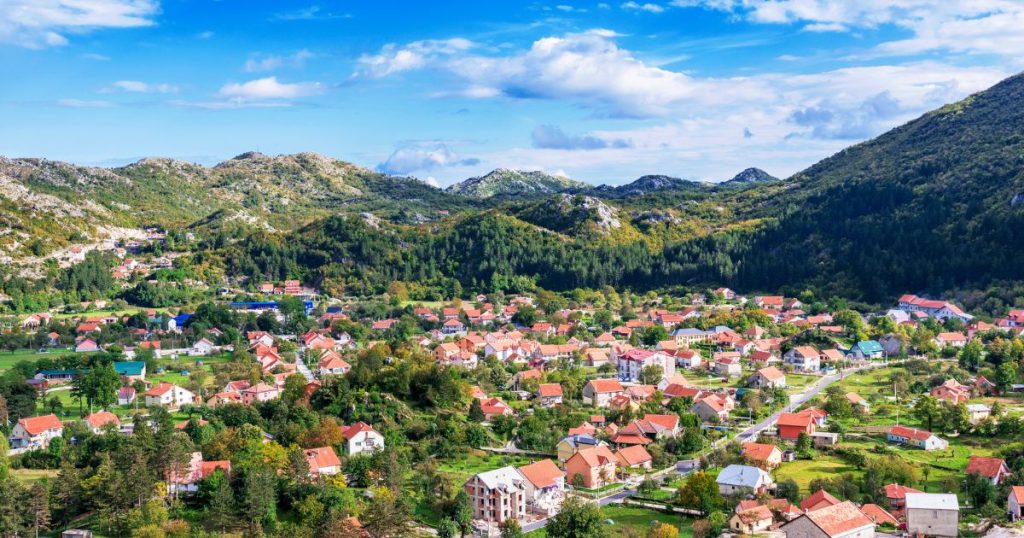
Nestled in a valley among limestone mountains, Cetinje is the ancient capital of Montenegro and a true open-air museum. It was founded in the 13th century.
Entertainment and Attractions in Cetinje
One of Cetinje’s most unique attractions is a glass pavilion displaying a relief map of Montenegro, created by Austrian General Staff officers in 1917. The map is so detailed that you can identify virtually every house that existed in the country during that period. Although this attraction is not as historically significant as others, it attracts many tourists who eagerly try to find their homes, favorite beaches, or churches on it.
The city’s oldest landmark is the Vlaška Church, built in 1405 by shepherds. It is famous for its frescoes painted by Greek masters, as well as its fence made from weapons captured from the Turks during the 1876 war. No less interesting is King Nikola’s Palace, built in 1867 in the unusual Sessional style. Its interiors now house exhibits from the National Museum of Montenegro, telling the story of the country’s dramatic history.
Cetinje, although a small town, is rich in museums, galleries, and theaters. Every two years, it hosts the international art exhibition Cetinje Biennial. Also worth noting is the Crnojević Printing House, which published important books that played a role in the spread of Cyrillic script in Europe.
Other famous landmarks in the city include Vladin Dom, the home of the Prince-Bishop, the Regional Museum, the residence of King Peter II, the Blue Museum, the Art Gallery, and the Central Historical Museum.
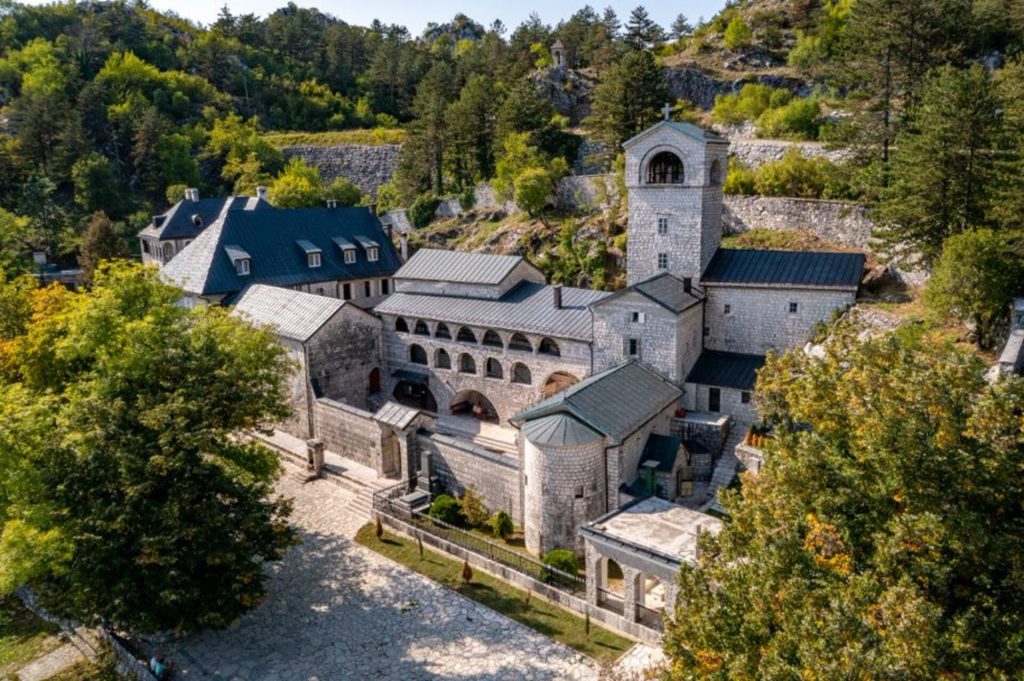
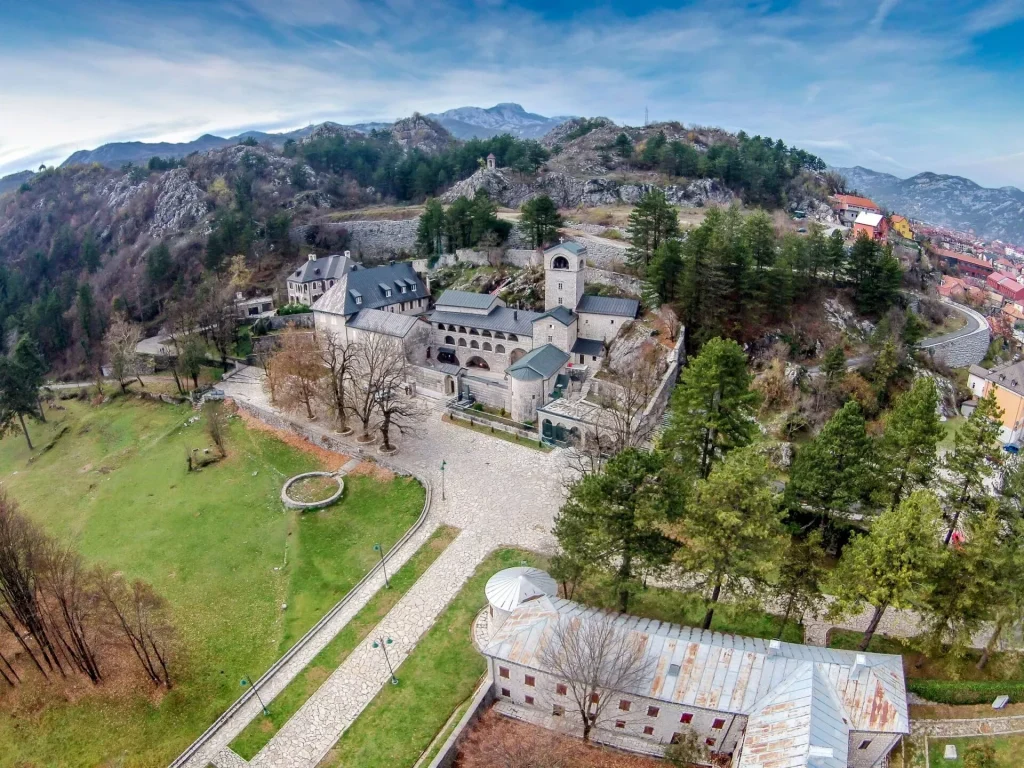
Cetinje Monastery, the seat of the Montenegrin metropolitans, houses some of the greatest Christian relics. Here you can venerate the Right Hand of John the Baptist and a fragment of the True Cross of the Lord. The monastery housed the first Montenegrin printing house, which in 1493 printed the first book in the South Slavic language in Cyrillic script—Oktoikh, which can now be seen in the monastery museum.