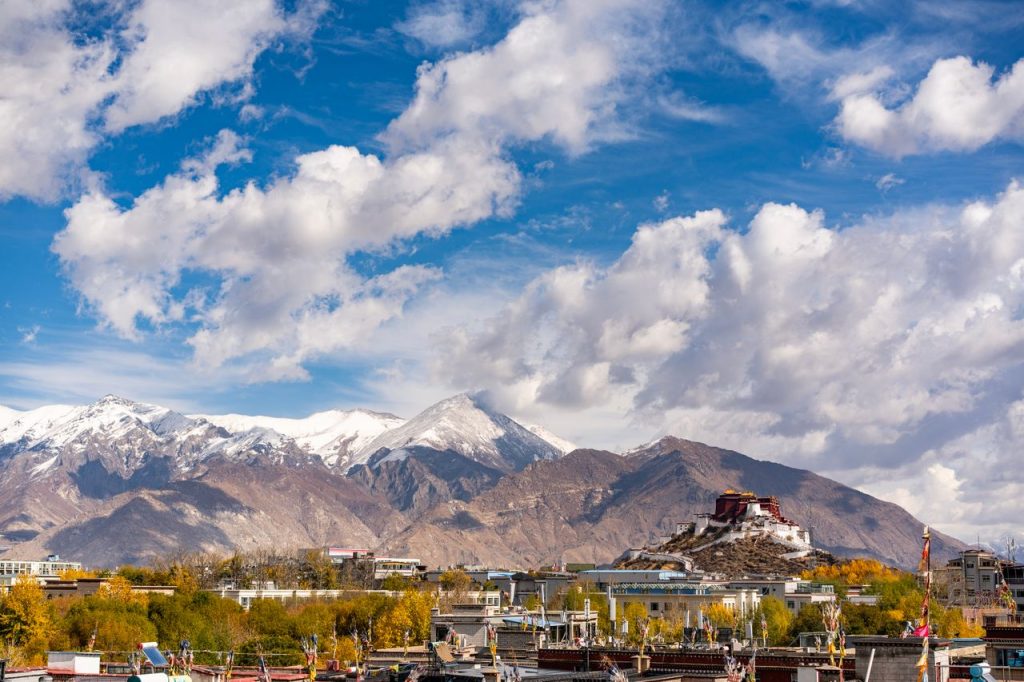
Perched high on the roof of the world, surrounded by the soaring, snow-capped peaks of the Himalayas, Lhasa is one of the most spiritually profound, visually arresting, and elusive destinations on Earth. Translating literally to “Place of the Gods” in the Tibetan language, this high-altitude sanctuary has served as the religious, cultural, and political heart of Tibet for well over a thousand years.
Stepping into Lhasa feels like entering a completely different dimension of time. It is a city where the rich, intoxicating scent of burning juniper incense and yak-butter lamps fills the crisp mountain air, where waves of devoted pilgrims perform prostrations outside ancient crimson temples, and where hyper-modern infrastructure now meets the timeless, sacred traditions of Tibetan Buddhism.
For adventurous souls, cultural explorers, and spiritual seekers, a journey to Lhasa is the ultimate lifetime expedition.
In this complete travel guide, you’ll discover everything you need to know before visiting Lhasa.
Where Is Lhasa?
Lhasa is the administrative capital of the Tibet Autonomous Region, located in a sheltered, sun-drenched river valley along the northern banks of the Lhasa River, a tributary of the Brahmaputra.
The city serves as:
The historic and spiritual epicenter of the Tibetan world
One of the highest capital cities on Earth, sitting at a dizzying elevation of 11,990 feet (3,656 meters) above sea level
A mesmerizing mountain oasis boasting over 3,000 hours of annual sunshine, earning it the nickname “The Sunlight City”
Despite its extreme geographic isolation deep within the Himalayan plateau, Lhasa is the ultimate focal point connecting Tibet’s vast wilderness to the rest of Asia.
Why Visit Lhasa?
1. Architectural Marvels of the Ancient World
Lhasa is home to the Potala Palace and the Jokhang Temple—jaw-dropping masterpieces of traditional Tibetan design that stand as structural wonders of human history.
2. A Deeply Moving Spiritual Atmosphere
The city operates on a profound religious pulse. Witnessing the unwavering devotion of local pilgrims is an intensely humbling and unforgettable cultural experience.
3. Pure Himalayan Landscapes
Surrounded by pristine alpine lakes, jagged mountain passes, and a blindingly clear blue sky, Lhasa offers unmatched, raw high-altitude natural beauty.
4. Living Tibetan Traditions
From sampling traditional highland cuisine to observing monastic debates, Lhasa provides an immersive look into a resilient, ancient culture.
Best Things to Do in Lhasa
Marvel at the Majestic Potala Palace
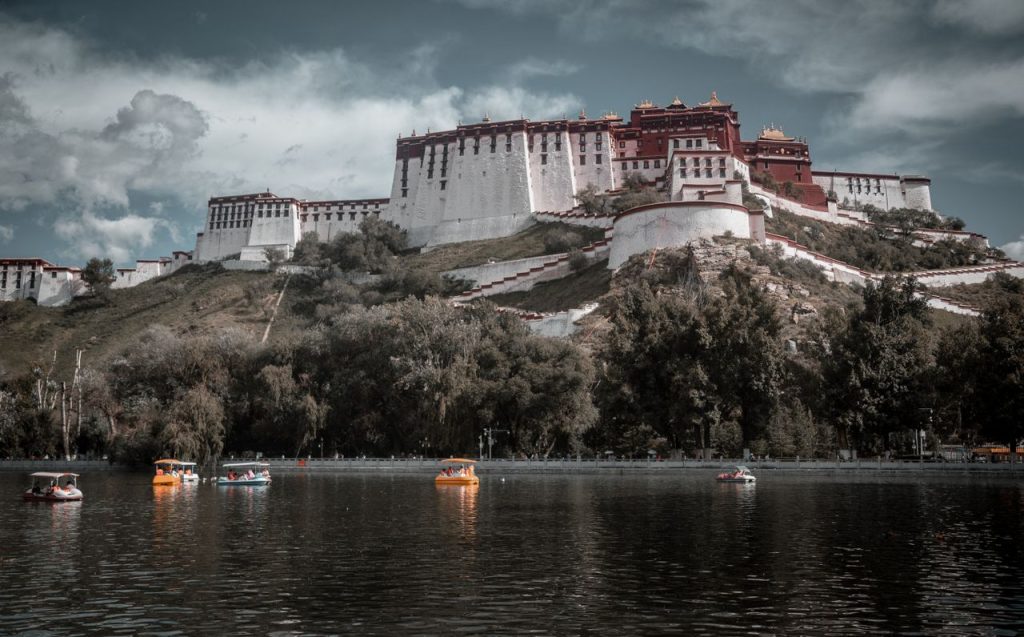
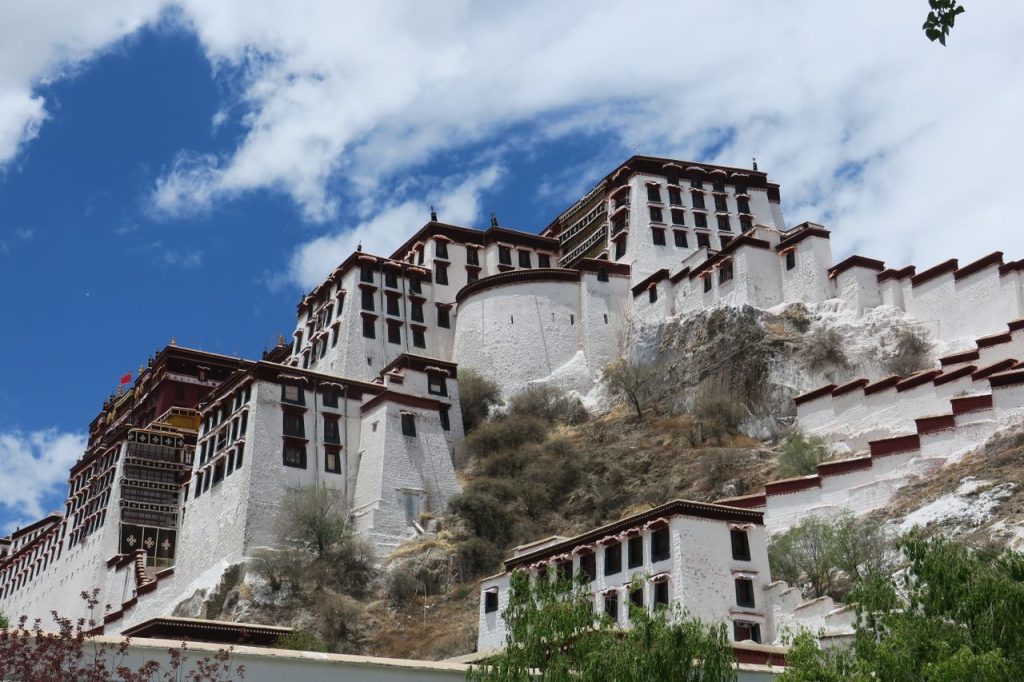
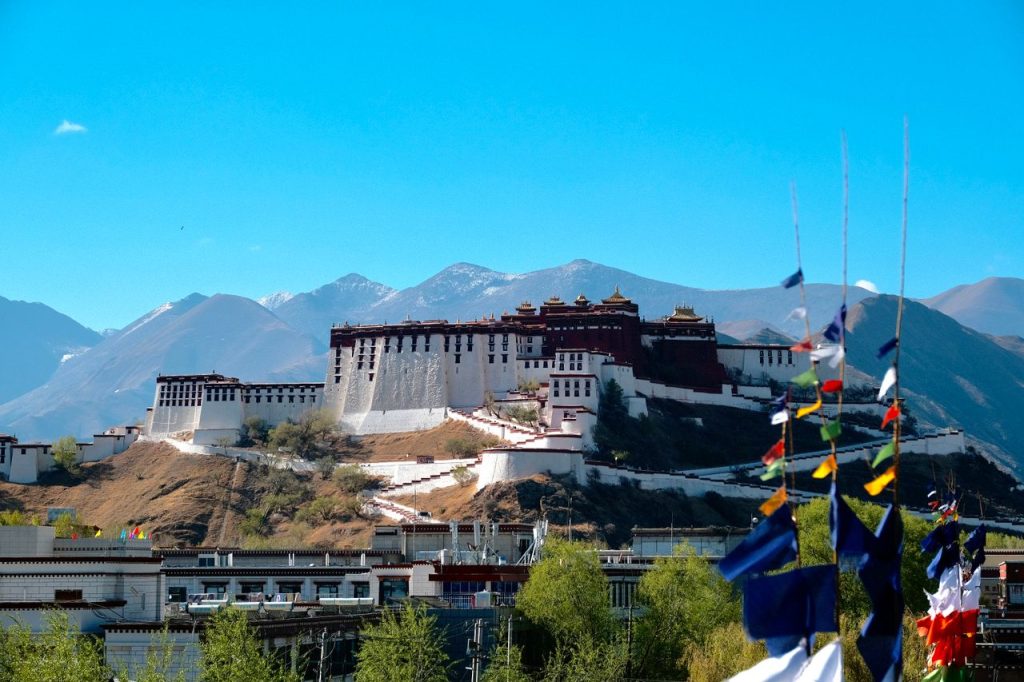
The iconic Potala Palace is the definitive symbol of Tibet, a towering winter fortress that dominates the city’s skyline from the crest of Red Mountain.
Highlights include:
Exploring the White Palace, which served as the living quarters, offices, and ceremonial halls of successive Dalai Lamas.
Stepping into the Red Palace, a sacred labyrinth of gilded stupas, ancient scriptures, and chapels lined with literal tons of gold and precious jewels.
Looking out across the valley from the high stone roof, offering a breathtaking 360-degree panorama of the city and surrounding mountains.
Join the Pilgrims at Jokhang Temple & Barkhor Street
The Jokhang Temple is considered the spiritual heart of Tibet, housing the Jowo Shakyamuni—the most sacred statue of the Buddha on Earth.
Visitors can explore:
The Barkhor Street Kora: A historic circular pilgrim path surrounding the temple. Walk clockwise alongside thousands of Tibetan devotees spinning prayer wheels and chanting mantras.
The temple’s ancient interior, filled with the flickering glow of thousand-year-old yak-butter lamps and heavily detailed murals.
Local artisan shops lining the cobblestone circuit, selling traditional Tibetan turquoise jewelry, hand-woven wool carpets, and thangka paintings.
Witness Monastic Debates at Sera Monastery
Located just at the base of the northern hills, Sera Monastery is one of Tibet’s great university monasteries.
Visitors can enjoy:
Watching the famous, high-energy Monastic Debates taking place daily in the shaded courtyard.
Observing the monks clap their hands emphatically, stamp their feet, and gesture sharply to emphasize points of Buddhist philosophy.
Exploring the beautifully preserved printing houses where ancient scriptures are still pressed by hand.
Stroll Through Norbulingka (The Summer Palace)
Norbulingka, meaning “The Jewel Park,” served as the lush, peaceful summer residence for the Dalai Lamas.
Highlights include:
Walking through the largest man-made garden in Tibet, featuring rare botanical plants and shaded pavilions.
Admiring the beautifully preserved personal palaces, which blend traditional Tibetan architecture with surprising mid-20th-century modern touches.
Take a Day Trip to Namtso Lake
For an unforgettable alpine escape, travel north of Lhasa to Namtso Lake, the “Heavenly Lake.”
Visitors can admire:
One of the highest saltwater lakes in the world, sitting at 15,479 feet (4,718 meters).
Miraculous, mirror-like turquoise waters framed by the snow-capped peaks of the Nyenchen Tanglha mountain range.
Nomadic herders grazing yaks along the sweeping, high-altitude grasslands.
Food and Drink You Must Try
Tibetan cuisine in Lhasa is hearty, warming, and purposely crafted to provide sustained energy against the thin, chilly Himalayan air.
Popular items include:
Tsamba
The undisputed staple of the Tibetan diet: a dense, nutritious dough made from roasted highland barley flour mixed with warm butter tea or yak milk.
Tibetan Momos
Delectable, crescent-shaped steamed or fried dumplings stuffed with savory minced yak meat or local vegetables, served alongside a fiery chili sauce (sepen).
Yak Hotpot and Steaks
Lean, tender, and deeply flavorful, yak meat is a primary protein source. Enjoy it slow-cooked in a simmering herbal broth or served as a sizzling steak.
Po Cha (Tibetan Butter Tea)
An acquired but essential taste: a rich, salty beverage brewed from black tea leaves, fresh yak butter, and salt, vigorously churned together. It is an incredible remedy for cold weather and altitude dehydration.
Chang
A mild, refreshing, and slightly sweet traditional Tibetan beer brewed from fermented highland barley, traditionally served in local teahouses.
Best Time to Visit Lhasa
Spring to Early Summer (May to June)
Benefits include:
Mild weather, clear blue skies, and excellent visibility for viewing distant Himalayan peaks.
Vibrant cultural life as the city wakes up from winter, culminating in the Saga Dawa Festival, which celebrates Buddha’s enlightenment.
Mid-Summer (July to August)
Visitors enjoy:
The warmest, most comfortable temperatures of the year and higher oxygen levels on the plateau.
The spectacular Shoton Festival (Yogurt Festival), featuring the dramatic unveiling of massive thangka tapestries on hillsides and traditional Tibetan opera performances.
Autumn (September to October)
Benefits include:
Crisp, dry days with beautifully clear conditions perfect for photography and mountain trekking.
Stunning golden fall foliage transforming the valleys surrounding the city.
Crucial Travel Requirements for Lhasa
Due to specialized regional regulations, traveling to Lhasa requires strict, advanced planning. You cannot visit Lhasa independently.
Tibet Travel Permit (TTP): Every international traveler must obtain a TTP well in advance through an authorized travel agency.
Guided Tours Only: Your entire itinerary must be pre-arranged as part of an organized tour, accompanied by a licensed local tour guide, with private transportation booked for any travel outside the city.
Essential Health and Safety Travel Tips
Acclimatize immediately: Sitting at nearly 12,000 feet, altitude sickness (soroche) is a real concern. Plan to do absolutely nothing but rest, sip water, and take short strolls for your first 48 hours in Lhasa. Avoid alcohol and heavy meals initially.
Dress in layers: The high-altitude sun can make mornings feel incredibly hot, but temperatures drop precipitously the moment the sun slips behind the mountains.
Sun and Wind Protection: The equatorial-strength alpine sun is intense. High-SPF sunscreen, polarized sunglasses, lip balm, and a sun hat are absolute necessities.
Respect religious etiquette: Always walk around temples, stupas, and prayer wheels in a clockwise direction. Remove your hat and sunglasses inside shrines, never take photos inside main chapels unless explicitly permitted, and dress modestly.
Is Lhasa Worth Visiting?
Without question. Lhasa is a bucket-list destination that fundamentally expands your view of human culture and spirituality. It is a city of dizzying physical heights and immense historical depth, offering an encounter with a world that feels completely untouched by the homogenization of modern global cities.
Whether you are watching the golden rays of sunset strike the white walls of the Potala Palace, listening to the rhythmic chanting of hundreds of monks, or stepping clockwise into the sea of devotion on Barkhor Street, Lhasa delivers a raw, profound, and soul-stirring travel experience that stays with you forever.
Final Thoughts
From the staggering, gold-leafed heights of the Potala Palace to the aromatic, candlelit depths of the Jokhang Temple and the thunderous, clapping monks at Sera, Lhasa is a timeless monument to the human spirit.
Its dramatic geography, deep Buddhist heritage, unique culinary flavors, and beautiful mountain light make it one of the world’s most rewarding and spiritually unforgettable travel destinations.